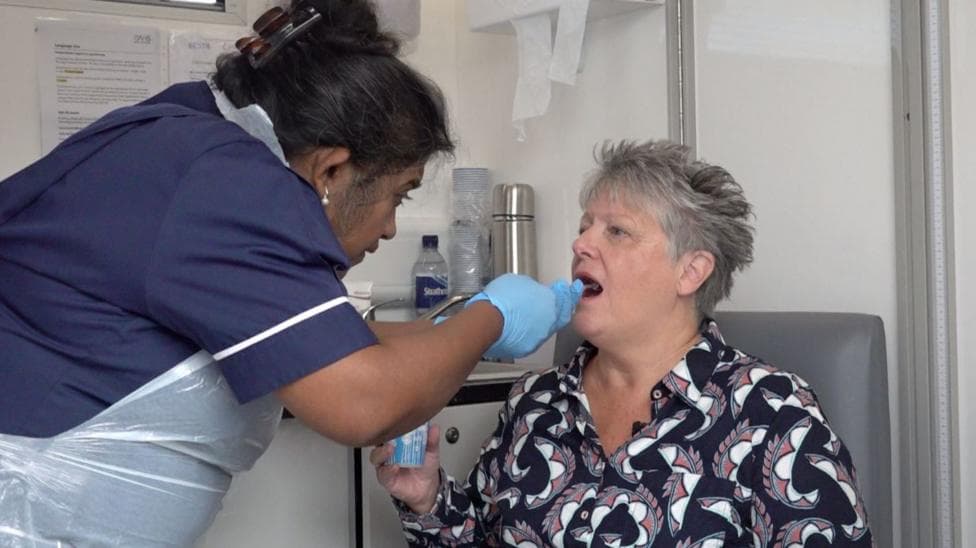
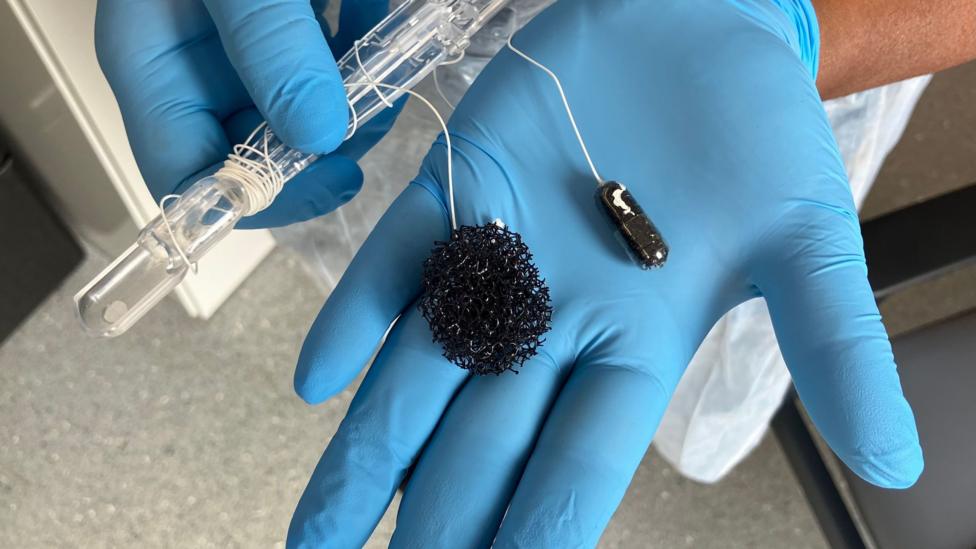
People experiencing chronic heartburn are now being offered a novel screening test designed to identify their risk of developing oesophageal cancer before symptoms emerge. The procedure uses a gelatin capsule attached to a thread that participants swallow; as it travels through the food pipe, a sponge inside collects tissue samples which are then analysed for pre-cancerous changes. The approach is substantially less invasive than traditional endoscopy and represents a significant advance in early detection of a disease that claims approximately 22 lives daily in the UK, making it the seventh leading cause of cancer deaths.
The BEST4 Screening Trial, which opened in Wales on 21 July 2026, aims to recruit 120,000 participants who regularly take medication for heartburn. The trial structure involves comparing standard care for 80,000 participants with capsule-sponge screening for 40,000 others; those with a positive result will be offered an endoscopy to confirm a Barrett's oesophagus diagnosis. The UK-wide study has £6.4 million in funding from Cancer Research UK and the National Institute for Health and Care Research, with Welsh delivery supported by Welsh Government funding.
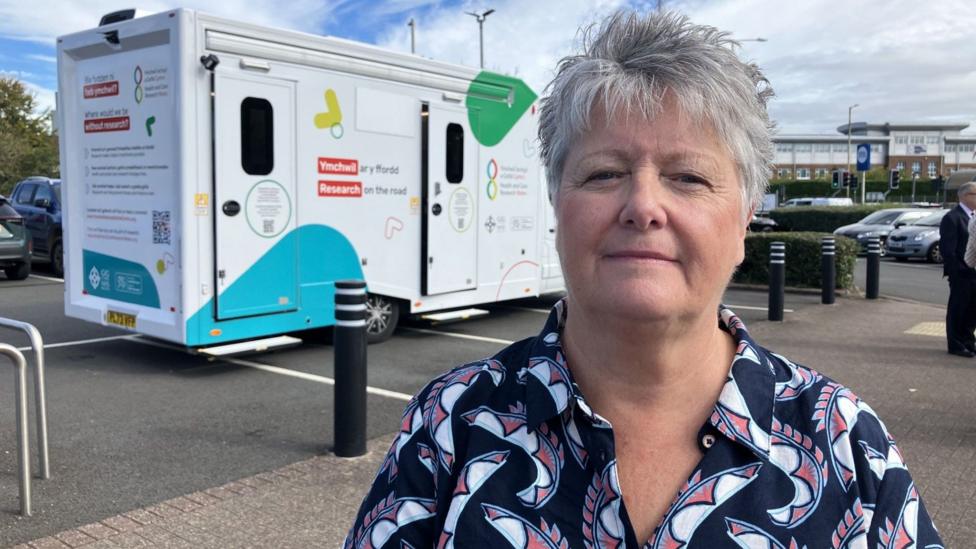
Iola Protheroe from Taff's Well, Rhondda Cynon Taf, is among those participating in the trial. She has endured worsening heartburn over the past eighteen months and describes the condition as severely limiting her quality of life.
It's not the worst thing that can happen to somebody but it is horribly uncomfortable. It can stop you from eating properly. It's very uncomfortable when you try to lie down and it can stop you from sleeping and it is an uncomfortable thing.After consulting her GP, she received a text message from NHS Wales inviting her to join the research and agreed to participate.
How does the capsule-sponge procedure work?
The test involves swallowing a gelatin capsule connected to a thin thread, followed by drinking several cups of water. The capsule dissolves in the stomach and releases a small sponge which collects cells from the oesophageal lining as a nurse carefully withdraws it back through the gullet. Protheroe found the swallowing straightforward but experienced discomfort during the retrieval phase.
The swallowing of the tablet was okay but then it opens in you stomach into a little brush and that's got to come out. And that was uncomfortable but only for a couple of seconds.She characterised the overall experience as unpleasant but brief.
What is Barrett's oesophagus and why does it matter?
The tissue samples collected are analysed for Barrett's oesophagus, a condition where cells lining the food pipe begin growing abnormally as a consequence of chronic acid reflux. This pre-cancerous state significantly elevates the risk of developing oesophageal cancer. In the earlier BEST3 trial, the Cytosponge-TFF3 test detected 140 cases of Barrett's oesophagus, with odds of detection ten times higher than under usual care, demonstrating the effectiveness of this screening approach.
Dr Hasan Haboubi, consultant gastroenterologist and trial's principle investigator in Wales, emphasises the importance of early identification.
If people are having long-standing heartburn symptoms and are either going to their chemist for regular Rennies or buying omeprazole over the counter, or going to their GP regularly, then that's when it's worth thinking about if there are any obvious lifestyle changes that need to be made. If we do need to identify those patients who need a little bit more observation then that's the whole purpose of this kind of study. A capsule sponge test is able to detect any pre-cancerous changes at an early stage.

Who is eligible for the trial?
Mobile screening vans are bringing the research to communities across Wales, making participation more accessible. The trial is open to men aged 55–79 and women aged 65–79 who take regular medication for chronic heartburn. Mobile units visited Cardiff and Abergavenny during August 2026 as part of the trial rollout, with plans to expand to additional communities.
What are the broader implications?
The findings from this research will inform decisions about whether this screening method can become part of cancer screening programmes across all four UK nations. Dr Haboubi stresses the importance of wide participation in research trials.
The wider the participation you get in research trials, the more useful the data is because we really want to know the research applies to the whole population.The trial also includes a separate surveillance study testing whether the capsule sponge and biomarker tests can help monitor people with Barrett's oesophagus and reduce reliance on endoscopies.
What happens next?
The screening trial aims to recruit 120,000 people over three years, though researchers caution that results will take considerable time because health data will be collected for up to 12 years. People with a positive capsule-sponge result will be referred for an endoscopy, targeted within eight weeks, with a possible four-week extension if needed. This phased approach ensures that those identified as at-risk receive prompt confirmation and appropriate follow-up care.
Dr James Calvert, Deputy Chief Medical Officer for Wales, has highlighted the procedure as an effective and less invasive alternative to traditional endoscopy for identifying individuals at risk of oesophageal cancer at an early stage, potentially improving patient outcomes and reducing pressure on NHS resources.