

Two former midwives running a private ear wax removal clinic in Wiltshire say the procedure gives them almost as much satisfaction as delivering babies once did, and they are urging patients not to feel embarrassed about seeking treatment. Kirstin Appleton and Emma Pursey, who operate a weekly in-clinic service at the White Horse Health Centre in Westbury, say demand has grown sharply since the NHS stopped offering free ear wax removal at GP surgeries in 2019, and they fear a rise in unregulated private care as a result.
"We pulled a load of stuff out of one woman's ear and she was mortified," Appleton said. "She burst into tears and said she felt 'dirty.' We had to explain 'no, this is just what your body does'."
What causes ear wax to build up?
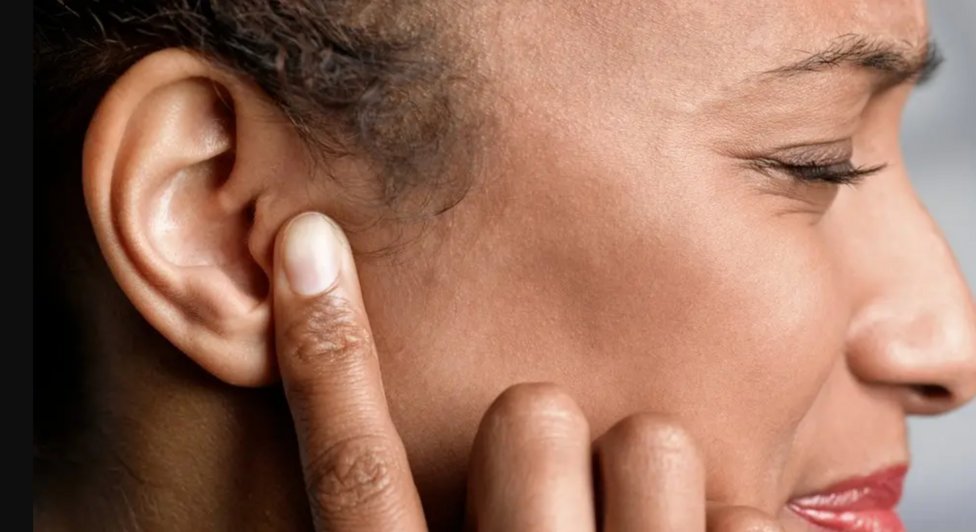
Some people are simply more prone to blocked ears because they have narrower ear canals than others. Wearing hearing aids, earphones or ear plugs can also raise the likelihood of wax accumulating over time.
"People produce ear wax and sometimes it builds up," said Appleton. "But there are also people who never have a problem with ear wax in their life."
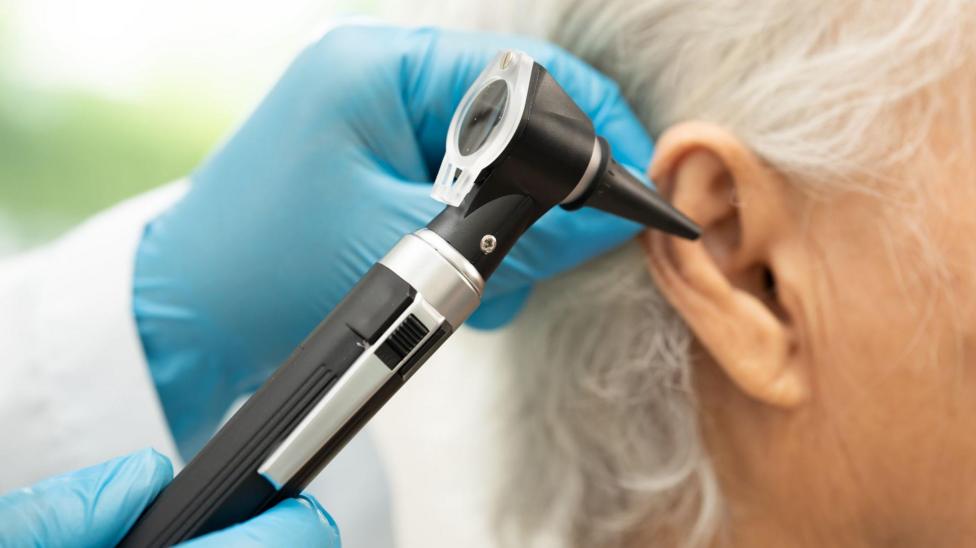
John Sheehan, 86, from Trowbridge, said he had developed what he described as an "extra large" blockage over several months. He had tried a number of remedies himself before seeking professional help.
"I had tried things before, like putting things down there and trying to use olive oil," he said. "I had this contraption filled with warm water which I tried to use to 'suck' the wax out, which also didn't work. I later found out this method is actually quite dangerous."
Sheehan, a former merchant navy worker, said the blockage had left him struggling to hear and feeling "uncomfortable" in conversations. His wife found Pursey and Appleton's clinic in May, and he paid £60 to have the wax removed.
"It opened up a new world," Sheehan said. "The world is no longer muffled to me. I can hear things properly - including what my wife is saying now - so she appreciates that."
Is there a problem with unregulated removal services?
The hearing charity RNID estimates that around 2.2 million people a year experience issues related to ear wax build-up. The charity warns that attempting to remove wax without proper training can cause infections, permanent damage to the ear, or hearing loss.
"There are people online who buy a kit online and call themselves 'specialists,' when really they are not regulated," Pursey said.
According to a national broadcaster's report from 2026, the regulatory framework covering ear wax removal remains limited, meaning anyone who completes a training course can offer the service without needing to register with the Care Quality Commission. RNID has separately called on NHS England to work with Integrated Care Boards to reinstate free ear wax removal services, pointing to its own findings that two in five people cannot afford private treatment, which typically costs between £55 and £100.

How did NHS provision change, and how is wax removed safely today?
According to a national broadcaster's earlier report from 2020, patients in England lost their automatic entitlement to ear syringing on the NHS after the National Institute for Health and Care Excellence advised GP surgeries to switch to electronic irrigators or suction devices instead. Since then, provision has varied by area.
Modern removal methods include microsuction, in which a small vacuum device draws wax out of the ear, and warm water irrigation, which flushes the wax out. A treatment session can last anywhere from five to 40 minutes depending on the severity of the blockage.
Some NHS areas have begun funding limited forms of the service again. NHS Gloucestershire published a commissioning policy in March 2026 confirming it would fund ear wax removal specifically via microsuction for certain patients, rather than covering ear wax removal more broadly. In Hampshire, NHS guidance states that funded access is restricted to specific clinical groups, including people with certain existing ear conditions, hearing aid users, and those who need an accurate diagnostic assessment, according to the local NHS partnership's guidance page. Meanwhile, RNID's campaign material notes that Scottish health boards have been directed to provide ear wax removal through local Community Treatment and Care services rather than through general practice.
Official NHS guidance, updated on 17 August 2026, continues to advise against using fingers or cotton buds to try to remove wax at home, according to the NHS earwax build-up advice page.
What has demand been like at the new Westbury clinic?
Wiltshire Ear Wax Removal launched earlier this month as a weekly service based at the White Horse GP surgery in Westbury. Pursey and Appleton said their oldest client to date has been 106 years old.
"Both Emma and I were both midwives and we get as much job satisfaction as giving their hearing back as delivering their babies," said Pursey.
Pursey said she believes there is a genuine need for safe, accessible removal services in the county.
"When we realised it wasn't part of the NHS anymore, we realised how many people had been struggling without treatment," she said. "We had a clinic yesterday and I spoke to a chap who had probably been suffering for a year."
Although the pair have to charge for the service, they said they have tried to keep prices as low as possible.
"We both are ex-NHS, we would ideally do this and not charge. Asking for money is uncomfortable. But we're not being paid by anyone else, so we have to charge something and we want the best care for everyone," Pursey added.
NHS England has been asked for comment.
What happens next?
NHS Gloucestershire's microsuction commissioning policy lists 1 April 2026 as its next scheduled review date, suggesting local officials intended to reassess the scope of funded provision around that point. Elsewhere, guidance pages from local NHS partnerships indicate that services have continued to be revised through the middle of 2026, pointing to the possibility of further changes to commissioning arrangements in different parts of the country as health boards weigh up demand against cost.
Key Facts
- Emma Pursey and Kirstin Appleton, both former midwives, run a weekly ear wax removal clinic at White Horse Health Centre in Westbury, Wiltshire.
- The NHS stopped offering free ear wax removal at GP surgeries in 2019, following 2020 guidance from NICE recommending irrigators or suction devices over syringing.
- RNID estimates 2.2 million people a year are affected by ear wax-related issues, and says two in five cannot afford private treatment costing £55 to £100.
- NHS Gloucestershire's March 2026 policy funds microsuction for some patients; Hampshire limits funded access to specific clinical groups.
- John Sheehan, 86, paid £60 at the Westbury clinic in May after struggling with a severe blockage for several months.


