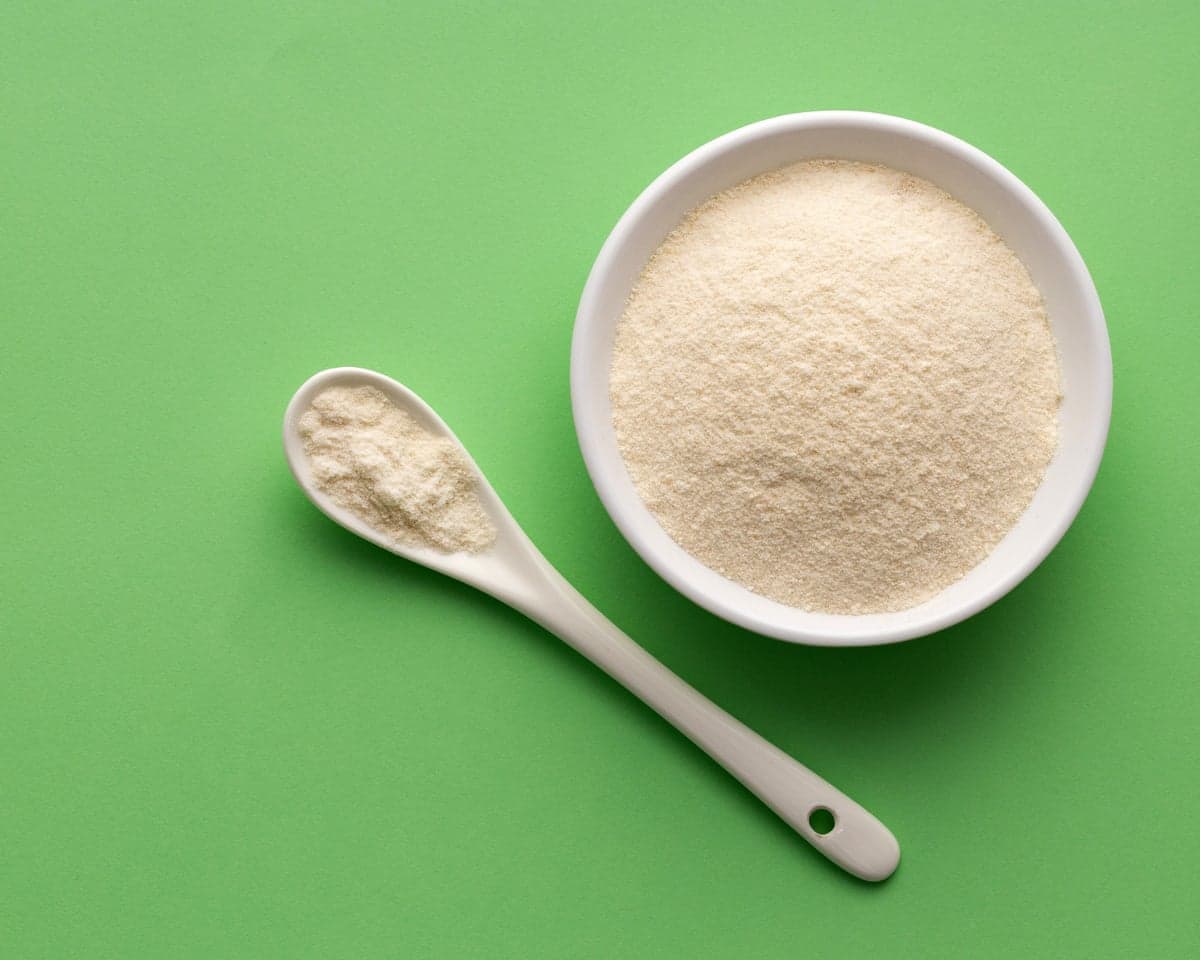
The collagen supplement market has experienced explosive growth in recent years, with powders, gummies and pills marketed as solutions for wrinkles, hair lustre and joint discomfort. Yet separating genuine scientific evidence from marketing claims remains challenging for consumers navigating the wellness industry.
Dr Xand van Tulleken has devoted three years to researching this landscape for his book Make me well: a quest to understand the confusing world of wellness. His investigation into collagen examines what the science actually shows, how the body uses this protein, and why wellness marketing often outpaces the evidence. In a conversation with Madeleine Finlay, he explores what collagen genuinely does within the body, practical ways to obtain adequate collagen without purchasing expensive commercial products, and the structural reasons why extracting truth from wellness industry claims proves so difficult.
The popularity of collagen products has been fuelled by claims that they smooth wrinkles, promote glossy hair and help with joint pain. However, the evidence supporting these assertions remains contested, making it difficult for consumers to distinguish between marketing rhetoric and scientific fact.

Previous coverage has highlighted how misleading health claims in the beauty industry can mislead consumers. An advertisement for a face serum was banned after making unsubstantiated claims about reducing visible signs of ageing, demonstrating the regulatory challenges in policing wellness marketing.
What does collagen actually do?
Collagen is the most abundant protein in the human body, providing structural support to skin, bones, tendons and connective tissue. Understanding its biological role is essential to evaluating whether supplements can deliver on their promises of visible rejuvenation and improved joint function.
Can you get collagen without supplements?
Natural dietary sources and the body's own production mechanisms offer alternatives to commercial supplements. Exploring these options helps consumers make informed choices about whether expensive products are necessary. Natural approaches to skin health include collagen alongside other nutrients and hydration strategies, which may provide benefits without the cost of commercial products.
Why is wellness marketing so persuasive?
The wellness industry's success in promoting collagen products despite limited evidence reveals broader patterns in how health claims gain traction. Understanding these marketing dynamics helps explain why distinguishing fact from fiction in this space remains so challenging for the average person.