An outbreak of cyclosporiasis is highlighting how US states and the federal government work together to track foodborne illnesses, and where they diverge, as public health agencies continue to investigate cases amid cuts to public health funding. Experts say the enormous number of cases, potentially more than by the Centers for Disease Control and Prevention’s (CDC) count, points to “vulnerabilities” in the US food safety system.
“What’s surprising to me is the magnitude of it, and how it highlights all these system vulnerabilities,” said Barbara Kowalcyk, an associate professor at George Washington University and director of the school’s Institute for Food Safety and Nutrition Security.
What is cyclosporiasis and how serious is it?
Cyclosporiasis is a gastrointestinal infection caused by cyclospora, a microscopic parasitic protozoa. The illness is characterized by weeks of watery, explosive, relapsing diarrhea. More than 300 people have been sent to the hospital with the disease, and none have died.
There are cyclospora outbreaks every summer, and public health workers even sometimes call it “cyclospora season”. Cyclospora is spread in food and water contaminated with human feces, the protozoa’s only known host.
What is driving the current outbreak?
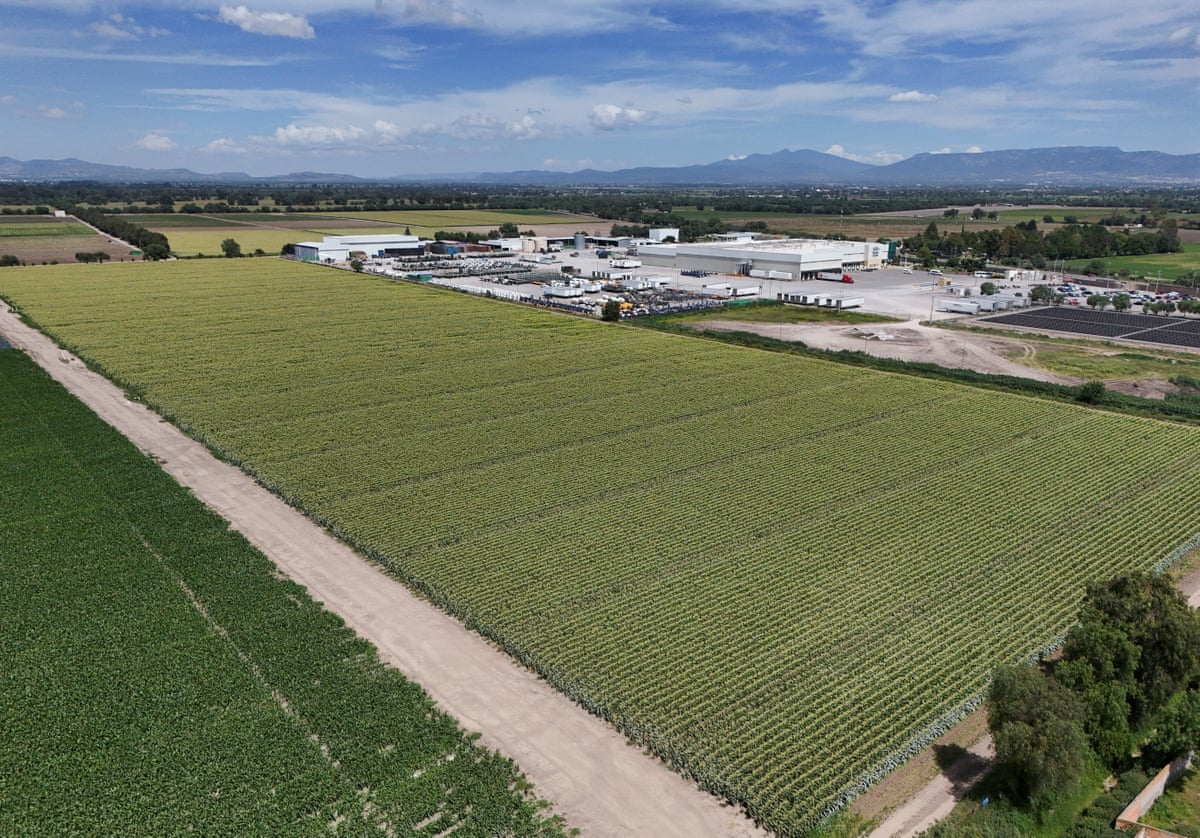
However, this year, numbers spiked. The Food and Drug Administration (FDA) is investigating of cyclosporiasis, including one large nine-state outbreak. Only one source has been identified: iceberg lettuce sold by Taylor Farms de Mexico.
Taylor Farms initiated a voluntary recall of lettuce sold to restaurants in 27 states grocery stores in 15 states. Taco Bell was linked to cases in nine states, and the FDA said the restaurant chain is no longer using the lettuce. Michigan has been the hardest hit in the outbreak. State officials there report more than 7,000 cases.

Why do state and federal figures differ?
One of the most confusing aspects of the outbreak has been how state and federal figures differ, a reflection of the way the US tracks foodborne illness. States hold authority over the of residents, which makes public health outbreaks a state responsibility. They then must coordinate with federal officials, who in turn coordinate with multiple investigating agencies, depending on the type of product suspected.
It all starts with a sick person. First, that person must see their doctor. Then, the doctor has to go the extra mile and test for cyclosporiasis, which is not included in a typical stool sample panel. These two steps alone mean that public health authorities view any confirmed case-count as an undercount.
If the test is positive, the physician reports the case to the state health department. Once state health officials receive a case report, they initiate an investigation that typically includes an interview, meant to determine if the person likely got sick in the US or internationally. Finally, state health officials communicate that case report to the CDC through the (NNDSS).
Only 47 require cyclosporiasis to be reported to the NNDSS. In other states, such as Pennsylvania, reporting is voluntary. What’s more, reporting is not necessarily timely. The CDC assumes a six-week reporting lag between illness onset and receiving a report. The CDC may then initiate more testing to determine if states are experiencing an outbreak such as genotyping, or the “fingerprint” of an outbreak.
How has public health funding affected the response?
This outbreak has also come in the context of significant strain on state and federal health departments. The Trump administration initiated major cuts to public health in 2025. Pandemic-era grants to state and local health departments were cut by , hampering their ability to respond to outbreaks. The CDC lost between of staff. Within the CDC, a specialized parasitic disease team was downsized from 11 people to just three. In part, that’s because the group was partially funded by USAID, which was also decimated by cuts.
Finally, the way figures are communicated to the public may differ between federal and state authorities. A CDC website dedicated to the nine-state outbreak counts cases as confirmed only if both an interview and lab-confirmation have been received. By contrast, Michigan health authorities said they send all lab-confirmed cases to the CDC, though some cases may lack interviews.
“Ideally, we would identify and solve these outbreaks when they’re small, you don’t want an outbreak of 11,000 people,” said Kowalcyk. “It’s just symptomatic of the fact we have cut public health funding over the last two years to an area we haven’t fully funded to begin with.”
Key Facts
- Cyclosporiasis is a gastrointestinal infection caused by cyclospora and can cause weeks of watery, relapsing diarrhea.
- The FDA is investigating of cyclosporiasis, including one large nine-state outbreak linked to iceberg lettuce sold by Taylor Farms de Mexico.
- More than 300 people have been hospitalized, and Michigan officials report more than 7,000 cases in that state.
- Only 47 require cyclosporiasis to be reported to the NNDSS, while reporting is voluntary in states such as Pennsylvania.
- The outbreak has unfolded amid major 2025 cuts to public health funding and staff at state and federal agencies.