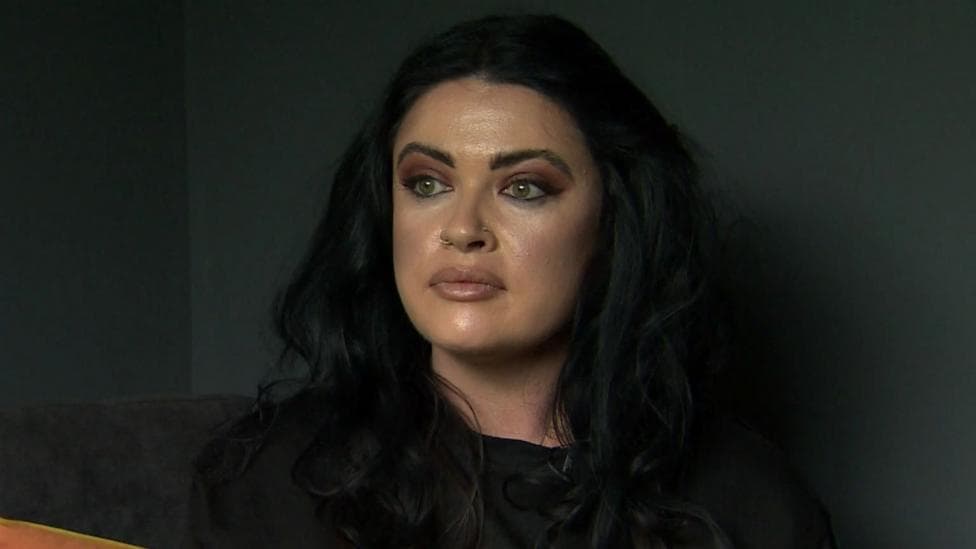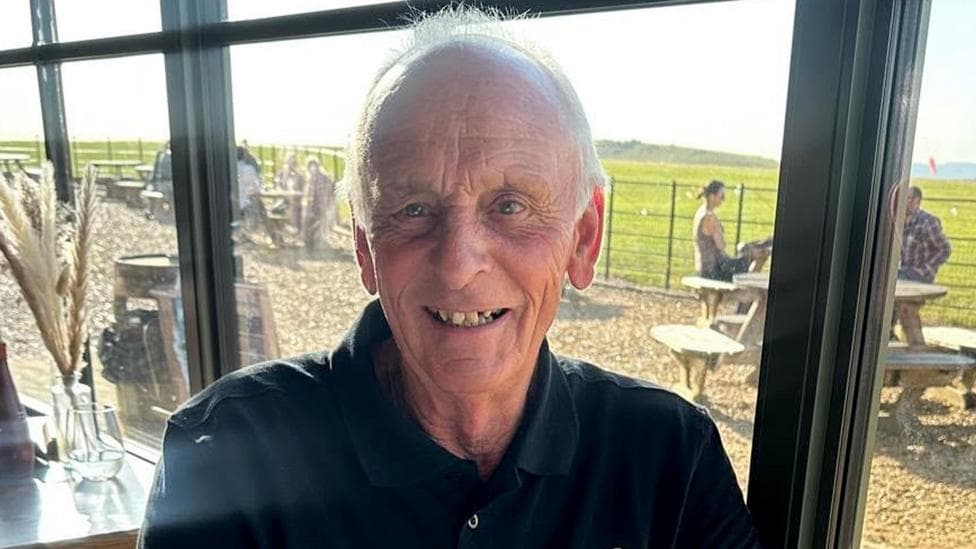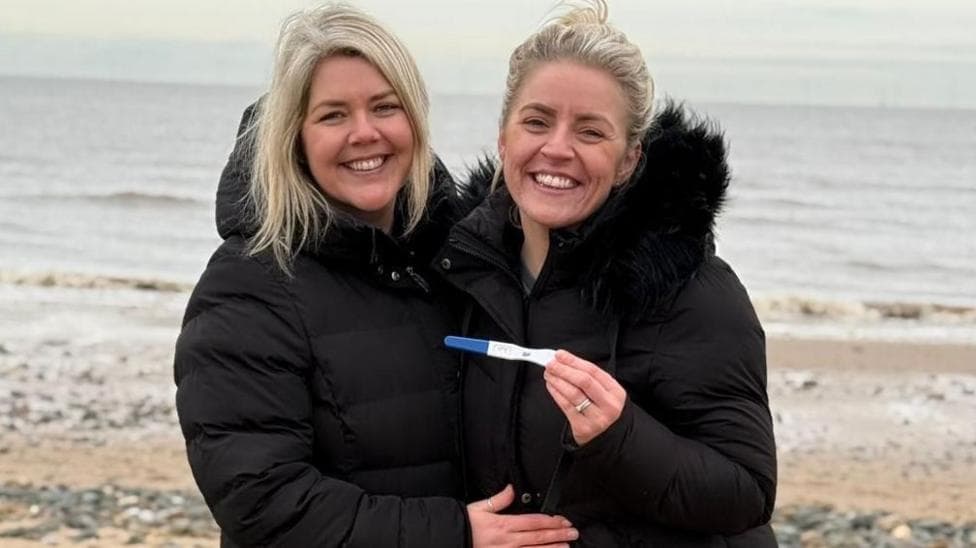
Two couples in the UK face the destruction of their remaining embryos after sperm donors withdrew consent, despite the couples having already spent tens of thousands of pounds on fertility treatment. Nat and Nik Fraser-Edwards, who welcomed their son Jude in August last year, learned in June that their five stored embryos would be destroyed. Similarly, Sam Beesley and Carly Estlick, who are expecting their first child in October, discovered last month that their 10 remaining embryos will be destroyed in August 2027. Both couples are now calling for a change in UK law to prevent donors from withdrawing consent once embryos have been created.
How does UK fertility law currently work?
Under current UK law, the Human Fertilisation and Embryology Act 2008, a sperm or egg donor can withdraw their consent for the use of embryos at any point until the embryo is transferred into the womb. The HFEA confirms that a donor or partner can withdraw consent at any point up until embryo transfer, and once withdrawal occurs, a 12-month storage cooling-off period applies before destruction can proceed. Rachel Cutting, the HFEA's director of compliance, explained the reasoning:
It's about each person who provides an egg or sperm having that autonomy to consent and make that decision to whether they're happy for a child to be born in treatment. Once the embryos in the uterus, in the woman's womb, there can't be a withdrawal of consent for that.
What happened to Nat and Nik Fraser-Edwards?
Nat and Nik Fraser-Edwards began fertility treatment after returning from their honeymoon in 2023. They endured six rounds of failed artificial insemination before turning to intracytoplasmic sperm injection (ICSI), a procedure where sperm is injected directly into an egg to create an embryo outside the body. This approach proved successful, and they ended up with six embryos. Jude was born in August last year, and the couple stored the remaining five embryos, hoping to expand their family.
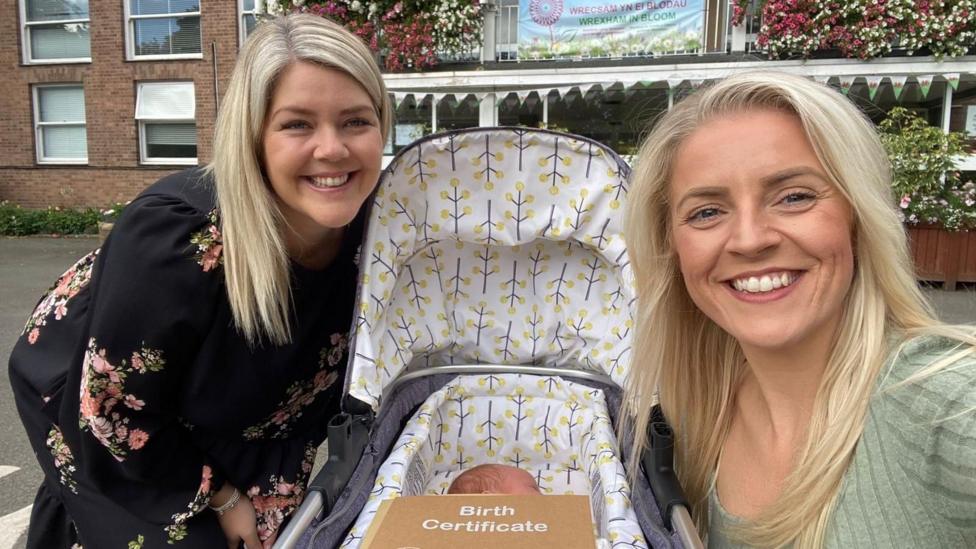
During a telephone consultation in June, the couple received devastating news.
It was very much, 'unfortunately your donor has withdrawn his consent to use your embryos', recalled Nat, 37, who lives in Penyffordd near Wrexham. The clinic explained that embryos are kept for a one-year cooling-off period before being destroyed. Nat described the experience as emotionally crushing:
There was a lot of pain during that time, and everyone around us seemed to be getting pregnant. All you see is babies. It's not just wanting that baby so much, it's the cancelled plans in case you get that smiley face.
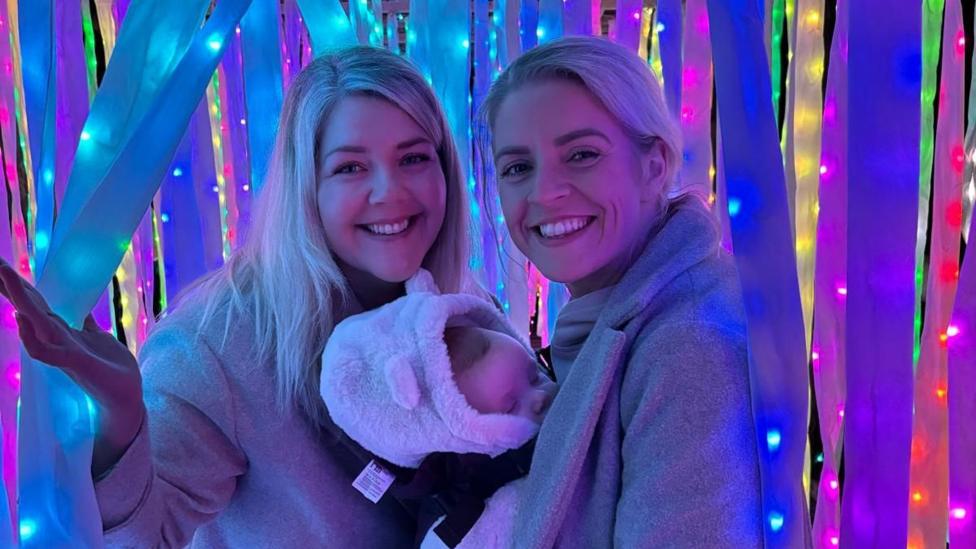
Nik, 36, felt blindsided by the donor's ability to withdraw consent at such a late stage.
Yes, we'd signed something. But we didn't ever recall it being verbally said.The couple had invested £23,000 in their fertility journey, taking out loans and living on a tight budget to afford treatment. Nat explained the financial toll:
We lived on the breadline for quite a while, just to make this work. Taking out a loan in order to pay the excessive bill.
The loss of the embryos means the couple cannot afford to pursue further treatment. For Nik, this has a particularly personal impact.
I think, as a woman, it's an amazing thing to be able to do and I didn't want to have any regrets later in life.She had hoped to experience pregnancy herself after watching Nat carry Jude, but the financial burden of starting treatment again makes this unlikely.
What is happening to Sam Beesley and Carly Estlick?
Sam Beesley and Carly Estlick are facing an identical situation. The couple are expecting their first child, a boy they plan to name Finn, in October. Last month, they received notification that their sperm donor had withdrawn consent and their 10 remaining embryos will be destroyed in August 2027.

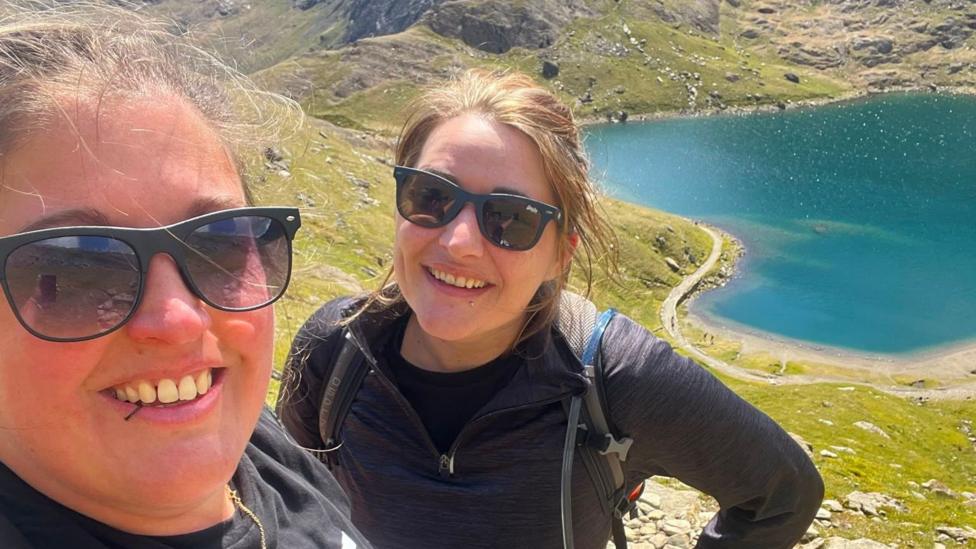
Sam, 41, from Shrewsbury, described the emotional impact:
When we got the letter saying he had withdrawn consent, it felt like the wind was taken out of our sails. We had been so focussed on the pregnancy and something going wrong, I don't think it's really sunk in yet.The news has created significant anxiety around their current pregnancy.
Carly is very fearful that something will happen to Finn. It has crossed my mind.
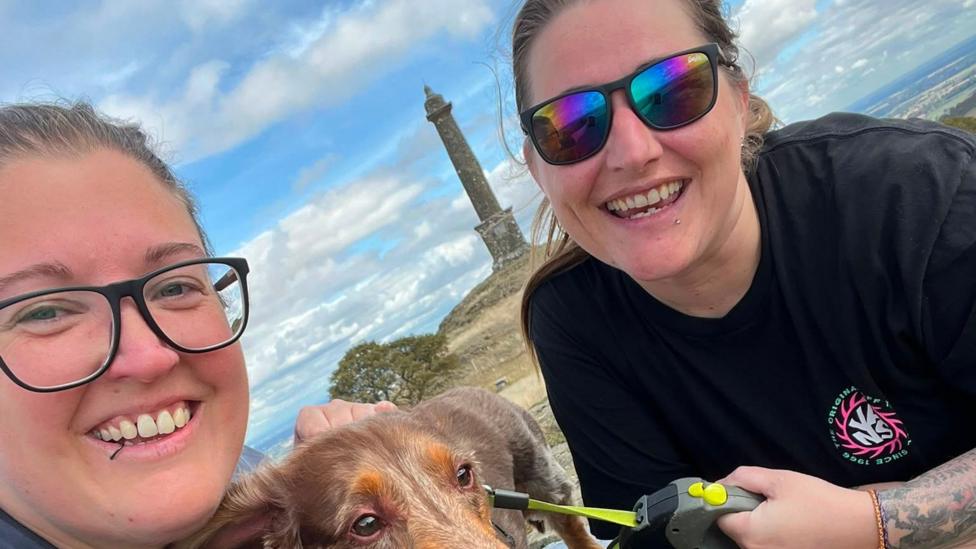
Sam expressed the couple's sense of helplessness:
This is probably our only shot at being parents. I don't know how we could afford to go through it again financially, emotionally, physically.The uncertainty has taken a toll on Carly's wellbeing, while Sam remains determined to fight the situation until the destruction date arrives.
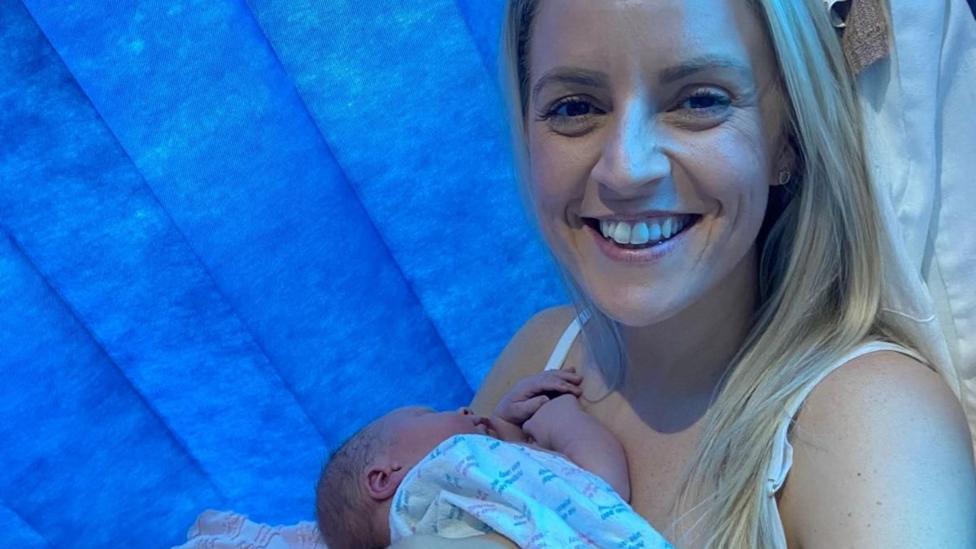
How common is donor consent withdrawal?
The exact number of donors who withdraw consent in the UK is unknown, as the data is not systematically collected. While such withdrawals are rare, they are not unheard of. The HFEA has acknowledged that clinics should warn patients of this possibility, as it can be deeply upsetting and distressing when it occurs.
What are the couples calling for?
Both couples are campaigning for a change in UK law to prevent donors from withdrawing consent once an embryo has been created. They argue that the current system places couples in an untenable position: they have invested substantial financial and emotional resources, yet can lose access to their embryos through no fault of their own.
Rachel Cutting from the HFEA acknowledged the couples' distress but explained the limits of the regulator's authority:
The way that the law is written is that consent can be withdrawn from up to that point. We can look at it further, but it is for the law to be changed and that's not something within the power that the HFEA has. We can't change the law. But we are sympathetic to cases like this.
What has the government said?
The UK government has expressed sympathy with couples facing such circumstances. A Department of Health and Social Care spokesperson stated:
We continue to work closely with the fertility sector to support high-quality, compassionate care, and we keep all aspects of the regulatory regime under review to the same end.However, no specific legislative proposals or timelines for change have been announced.
What is the broader context?
The consent rules governing embryos were designed to allow withdrawal before implantation, reflecting a principle that donors retain autonomy over their genetic material until a pregnancy is established. This framework has created tension with the interests of couples who have invested years and significant sums in fertility treatment. The cases of Nat and Nik Fraser-Edwards, and Sam Beesley and Carly Estlick, highlight the human cost of this legal position and have renewed calls for reform.
Key Facts
- Nat and Nik Fraser-Edwards spent £23,000 on fertility treatment and have five stored embryos scheduled for destruction after their sperm donor withdrew consent.
- Sam Beesley and Carly Estlick face the destruction of 10 embryos in August 2027 after their donor also withdrew consent.
- Under current UK law, donors can withdraw consent at any point until an embryo is transferred into the womb.
- Both couples are calling for legislative change to prevent donor consent withdrawal once embryos have been created.
- The HFEA has stated that any change to the law must come from the UK government, as the regulator lacks the power to alter legislation.