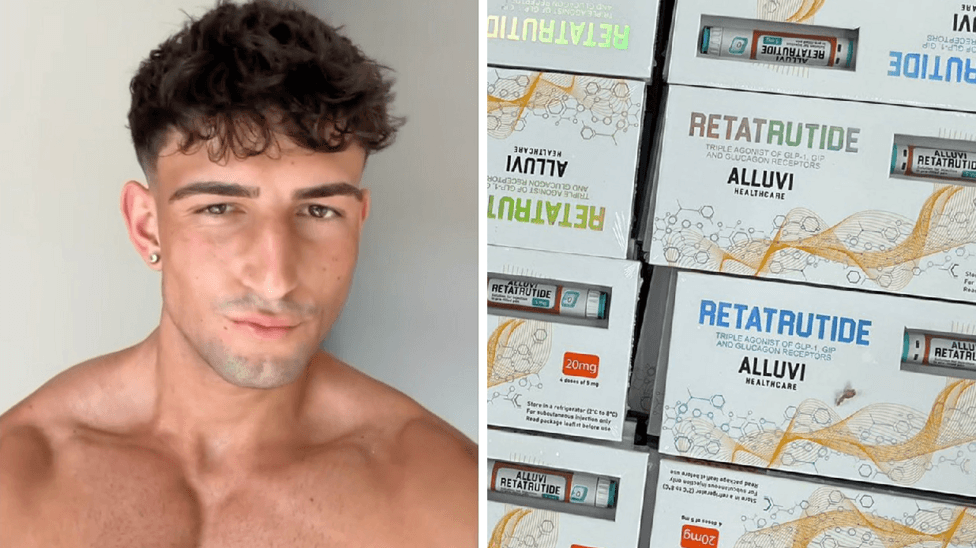
Tom accidentally consumed eight times the recommended dose of a counterfeit version of retatrutide and narrowly avoided hospitalisation. The 20-year-old from Brighton ordered the substance from a Chinese supplier after gym friends recommended it, hoping to curb his cravings for sugary foods rather than to lose weight.
Excitement surrounding a promising new pharmaceutical typically benefits the company developing it. Yet retatrutide, an experimental weight-loss injection created by Eli Lilly, has become a regulatory nightmare both for the manufacturer and authorities worldwide. The drug remains unapproved by any regulatory body for human use, yet illicit counterfeit versions are proliferating across black markets globally.
Experts have identified this as among the first instances of copycat formulations of an experimental drug still undergoing clinical testing becoming so readily obtainable. Vials marketed as "reta" are being distributed throughout the UK in gymnasiums, beauty establishments, hair salons, via social media platforms and even by street vendors.
How widespread is the counterfeit trade?
The illicit market has grown to extraordinary proportions. Pharmacist and director of 24 HR Pharmacy Sehar Shahid describes the situation starkly:
"The world has gone mad. People are effectively injecting an illegal drug and thinking it's safe. It's become so normalised people openly talk about their dealers, where's best to get it from and post all over social media."
Social media users openly share before-and-after photographs on platforms like TikTok, documenting their experiences with counterfeit retatrutide and describing how it has suppressed appetite signals, facilitated weight reduction and transformed their lives. Within minutes, individuals can order batches of substances purported to be retatrutide through social channels, though they have no assurance regarding the actual contents, origin or effects.
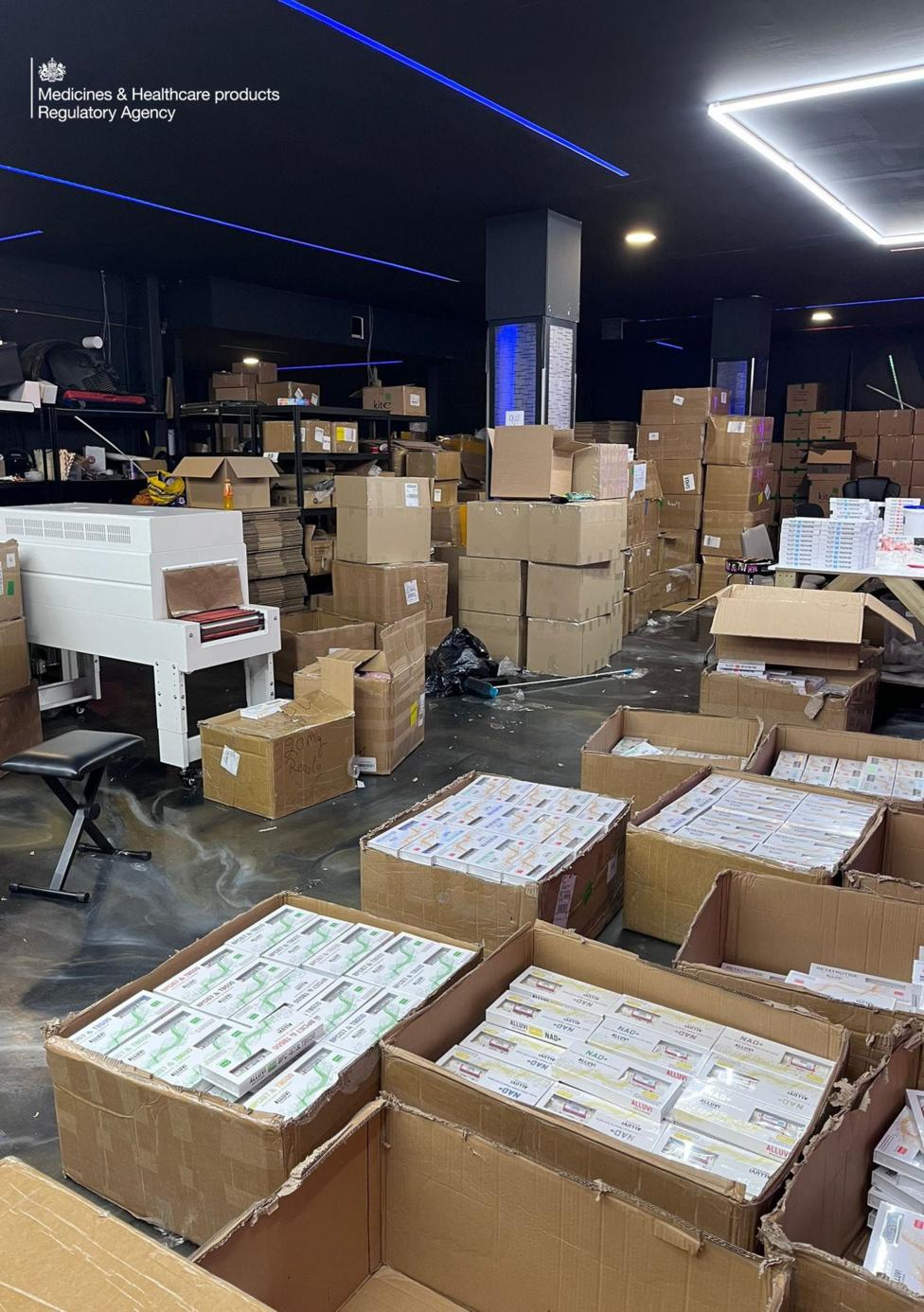
The UK's medicines regulator discovered more than 2,000 unlicensed retatrutide pens during a raid on an illegal manufacturing facility in Northampton in the previous year.
According to the US Food and Drug Administration, unapproved products containing retatrutide are being marketed directly to consumers with dosing instructions, despite the compound being prohibited for use in compounding under federal law. Additionally, Public Citizen reported that the FDA had issued 14 warning letters since 2024 to companies selling retatrutide, yet as of May 2026 eight of those companies were still actively marketing the drug.
Why is this particularly dangerous?
Despite encouraging outcomes in its most recent clinical trials, genuine retatrutide remains under investigation for safety and effectiveness. Only 50% of drugs at the Phase III testing stage in the United States ultimately receive FDA approval. The substantial failure rate stems primarily from medications underperforming in large, diverse human populations compared to smaller preliminary studies, or from revealing unforeseen safety concerns.
The counterfeit versions currently available may bear little resemblance to what researchers are developing in controlled laboratory settings. Eli Lilly's official guidance warns:
"Illicit retatrutide products may contain unknown ingredients, harmful contaminants and impurities. These products may also have too much or too little active ingredient, or the wrong ingredient entirely."
Chemical testing has revealed alarming inconsistencies in black-market products. A June report documented a vial labelled retatrutide containing 19mg, nearly double the labelled concentration. More troublingly, laboratory testing of 18 counterfeit retatrutide samples in 2026 found that only one matched its label claim.
Endocrinologist Prof Donal O'Shea reports alarming clinical consequences:
"Young fit patients are coming into hospital with nausea, vomiting, diarrhoea, in some cases kidney failure."He notes that certain personal trainers are not merely supplying clients with the substance but are also administering injections themselves.
"The patients have no idea how much they have been taking, or even what they've been injected with."
According to Public Citizen, the FDA Adverse Event Monitoring System had recorded 14 hospitalizations connected to retatrutide by June 2026. Victoria's health department in Australia issued a toxicity alert after six cases of acute liver injury were linked to an unapproved peptide product labelled retatrutide.
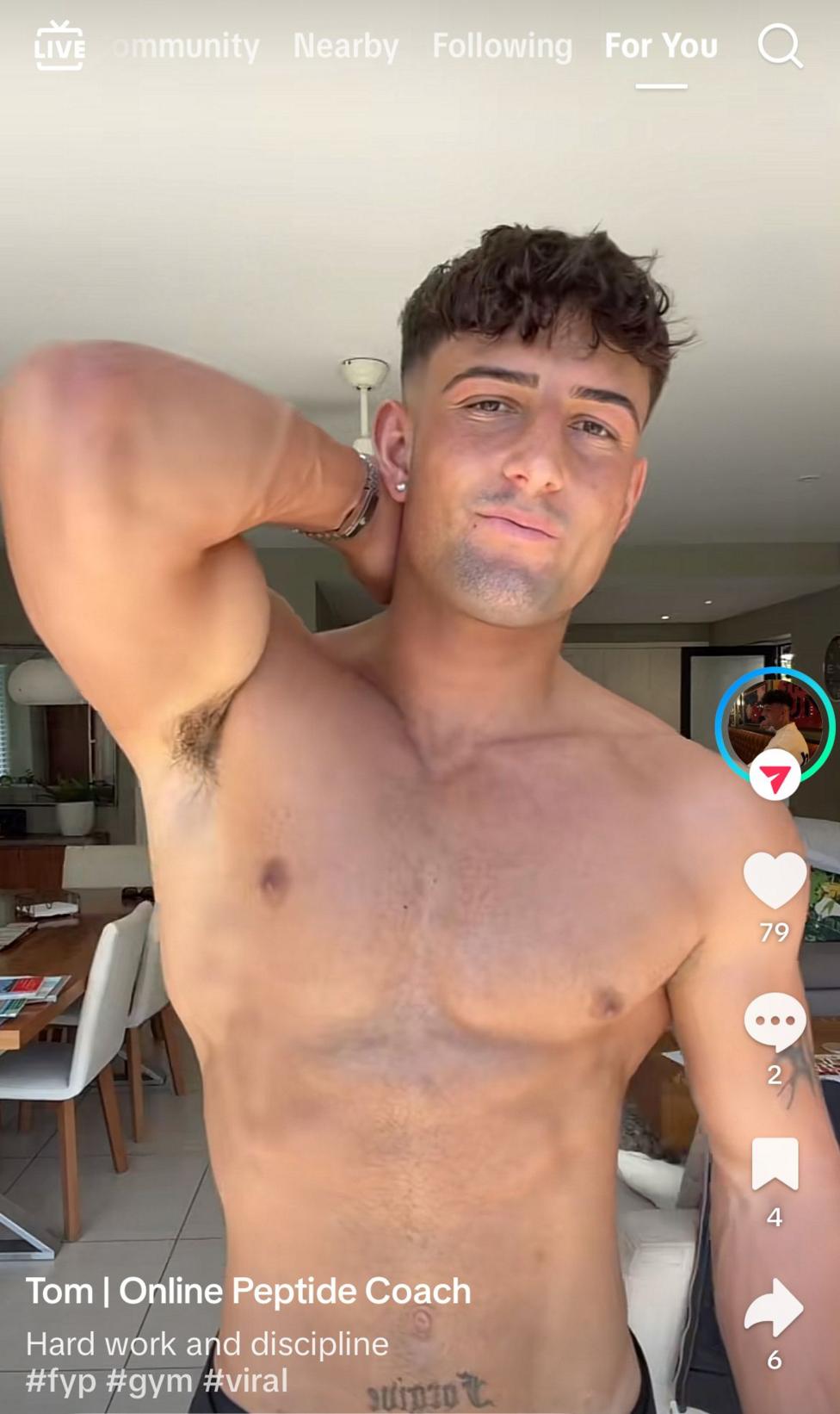
Tom's experience illustrates these dangers vividly.
"It was horrendous,"he recalls of his overdose.
"My body felt so under pressure, I was so bloated, it was like someone had dropped a 20kg weight on my stomach. For 72 hours I had really bad diarrhoea and nausea. I thought, if this continues I'm going to end up in A&E."He later discovered he had administered himself eight times the intended dose. Depending on the supplier, counterfeit retatrutide often arrives as a powder requiring mixing with sterile, bacteriostatic water—a process demanding precise calculations that users frequently mishandle.
What medical oversight exists for legitimate trials?
Dr Nas Khattak, a research physician based in Chester who screens participants for one of Eli Lilly's Phase III clinical trials, characterises those obtaining counterfeit versions as functioning as unmonitored laboratory subjects.
"If users who buy it online become their own doctor, they're taking a huge risk,"he warns.
Trial participants must satisfy stringent criteria before receiving approval to commence the genuine drug or placebo.
"We request their GP record, we make sure that they're emotionally well. They'll have suicide, self-harm, mental health assessments - and this is all done by doctors. Then we come back and have a look at the blood tests, have a look at everything, and then we think whether they're suitable or not."

This structured medical framework stands in stark contrast to the unregulated environment in which black-market users operate. Pharmacist Shahid emphasises that efficacy in one individual provides no guarantee of safety or effectiveness for another:
"Just because a fake version of reta works for one person, does not mean it will work for the next."
What makes retatrutide different from existing weight-loss medications?
Current obesity medications on the market—including semaglutide (marketed as Ozempic and Wegovy) and tirzepatide (marketed as Mounjaro)—target either one or two hormone receptors. If approved, retatrutide would become the first weight-loss medication globally to act on three distinct hormone pathways, earning it the designation "triple G".
The three hormones it mimics function as follows: GLP-1 decelerates stomach emptying, signals satiety to the brain to diminish appetite and assists in regulating blood glucose. GIP amplifies insulin secretion and enhances insulin sensitivity, working alongside GLP-1 to facilitate nutrient processing and diminish hunger. Glucagon, the novel component in retatrutide, elevates resting energy expenditure so the body expends more calories, facilitates liver fat breakdown and facilitates weight reduction.
Why are some users continuing despite the risks?
Despite understanding the experimental status of retatrutide, numerous individuals persist in using counterfeit versions. Lisa King commenced taking a counterfeit version in July and, while simultaneously attending the gymnasium and maintaining healthy eating habits, achieved weight loss of 3kg weekly at one stage.
She believes the substance is also assisting her in managing symptoms of polyendocrine metabolic ovarian syndrome (PMOS). GLP-1 medications help regulate blood glucose, and emerging research indicates these weight-loss drugs may alleviate certain complications associated with PMOS, which can produce extreme fatigue, kidney dysfunction and elevated blood pressure.
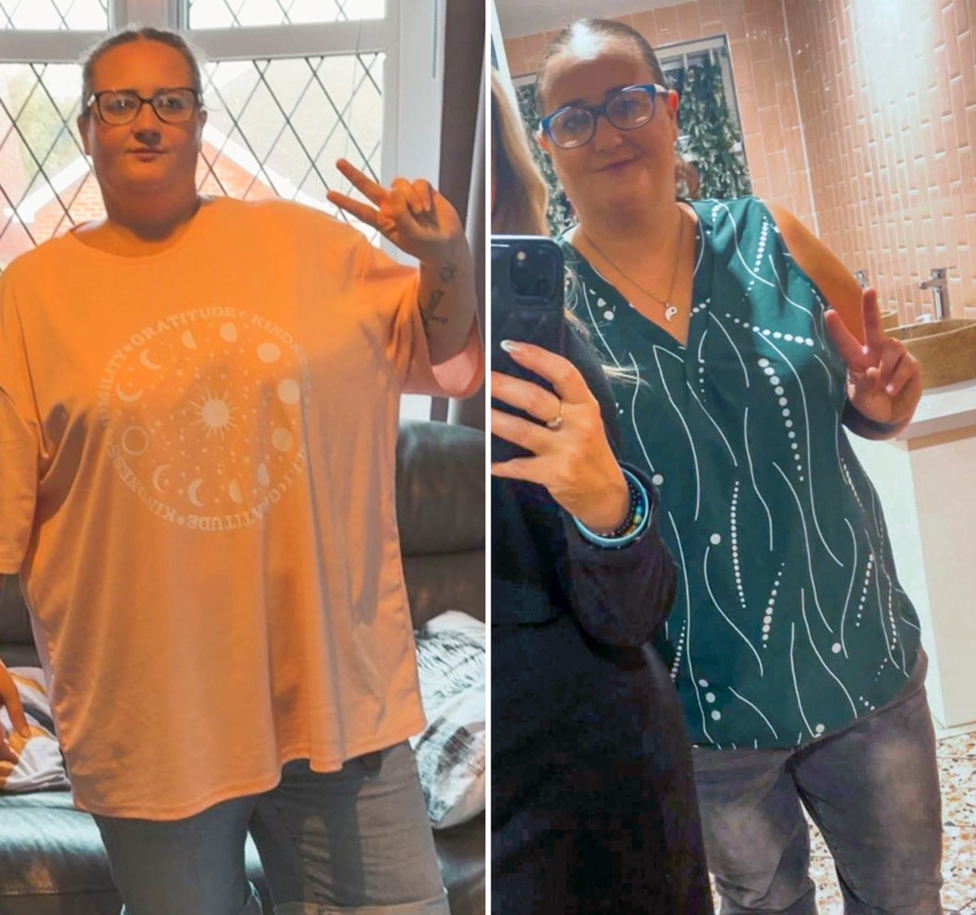
"I'm not sure if it's due to reta,"Lisa states,
"but my sugar cravings have gone down, my periods have regulated and I've got a lot more energy."When questioned whether retatrutide's experimental status concerns her, she responds:
"No, not at all. There are many things that have not been approved. If I start to experience any negative side effects I'll just come straight off it."
Tom similarly chose to continue despite his severe initial reaction. After conducting additional research into appropriate dosing, he resumed his counterfeit retatrutide despite the adverse effects he had previously endured. Following nine months of cyclical use, he reports that his cravings for sugar and processed foods have diminished substantially.
Other individuals using counterfeit retatrutide have documented a spectrum of complications including cognitive impairment, nausea, diarrhoea, diminished sexual function and anhedonia—the inability to experience pleasure or joy.
How is Eli Lilly responding?
Eli Lilly has invested nearly a decade in developing retatrutide and is now engaged in combating its product's illegal distribution across global markets. The company is pursuing action against peptide manufacturers, social media personalities, compounding pharmacies producing the counterfeit medication and wellness establishments. It has reported more than 14,000 websites, advertisements and social media posts that it contends are unlawfully promoting the medication.
A company representative communicated to media outlets:
"Any retatrutide available online is unapproved, unverified and simply not worth the risk."Eli Lilly states it
"continues to work with law enforcement and regulatory authorities to combat black market drugs."
What regulatory action is underway?
The UK's Medicines and Healthcare Products Regulatory Agency (MHRA) has executed raids and confiscated multiple shipments of "products claiming to contain retatrutide" throughout the preceding year. The agency acknowledges multiple pathways through which these products infiltrate the UK and is working to "disrupt illegal importation and distribution".
Dr Sahira Dar, a general practitioner and chair of the British Islamic Medical Association, advocates that healthcare professionals inquire about black-market substances "without judgement" to enable patients to "disclose what they have taken" and receive appropriate medical guidance.
What does the future hold for retatrutide?
Retatrutide remains investigational and has not received approval in any jurisdiction worldwide. Eli Lilly intends to submit its application for US FDA approval during the first quarter of 2027. FDA review procedures can extend up to one year, suggesting retatrutide would not become legally obtainable in the United States until the conclusion of 2027 at the earliest.
In the United Kingdom, contingent upon MHRA approval, the medication could reach the market by 2028. Full results from the TRIUMPH-2 trial were scheduled for presentation at the European Association for the Study of Diabetes conference on 30 September 2026.
Prof O'Shea emphasises the necessity to "shine a light on the dangers of such black market drugs" while cautioning against dismissing this category of medications entirely.
"GLP-1s are a major advance in managing obesity, a major advance in our insight into how the brain regulates cravings and appetite."
Key Facts
- Retatrutide, still in clinical trials and unapproved globally, has spawned a thriving black market with counterfeit versions sold in UK gyms, salons and via social media
- Chemical testing reveals severe inconsistencies: one laboratory found only 1 of 18 counterfeit samples matched label claims, with some vials containing nearly double the stated concentration
- At least 14 hospitalisations linked to counterfeit retatrutide were recorded by June 2026, with patients presenting kidney failure, liver injury and severe gastrointestinal complications
- The drug targets three hormone pathways (GLP-1, GIP and glucagon), making it potentially more effective than existing weight-loss medications, but also introducing unknown risks in untested formulations
- Eli Lilly plans to file for US FDA approval in Q1 2027, with potential US market availability by end of 2027 and UK availability by 2028