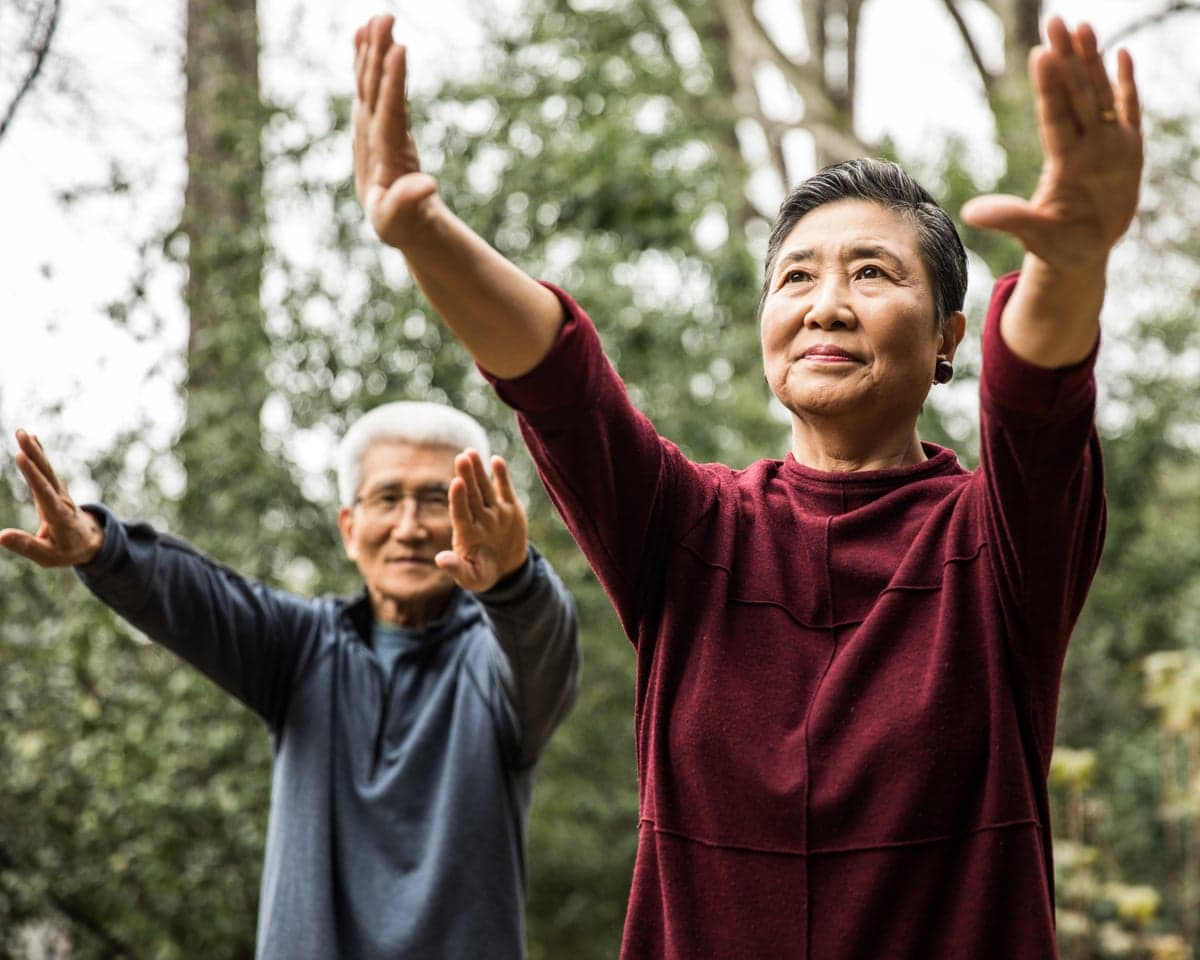
A sweeping analysis of clinical evidence has established that traditional Chinese exercises such as tai chi deliver measurable improvements in physical function, pain relief, mental wellbeing, sleep quality and bone strength for people living with musculoskeletal disorders. The research drew on data from nearly 1,750 randomised controlled trials, making it the largest synthesis of its kind to date.
Musculoskeletal conditions affect more than 1.7 billion people globally, spanning every age group, country and continent. These disorders—which include conditions like osteoarthritis, fibromyalgia, neck pain and low back pain—are the leading cause of disability worldwide. They severely restrict movement and dexterity, forcing many into early retirement, diminishing quality of life and limiting social participation.
Although earlier research had suggested benefits from traditional Chinese exercises, the evidence remained scattered and inconsistent. The umbrella review, published online in the British Journal of Sports Medicine on 17 August 2026, pooled findings from 92 separate meta-analyses conducted by researchers at hospitals and universities across China and beyond. This comprehensive approach examined 547 different outcome associations, identifying 23 with high-certainty evidence and 179 with moderate-certainty evidence.
The analysis found robust support for traditional Chinese exercise methods—including tai chi, qigong, baduanjin, wuqinxi and yijinjing—across multiple health outcomes. Specific benefits included restored movement in knee osteoarthritis, improved mental health in people with neck pain and knee osteoarthritis, and better sleep quality for those with fibromyalgia.

What makes tai chi particularly effective?
Tai chi emerged as especially powerful for managing chronic musculoskeletal pain and stiffness across several conditions, while also increasing bone mineral density in people with osteopenia or osteoporosis. Earlier work had already suggested tai chi could reduce pain and disability in chronic musculoskeletal pain, but that older evidence was limited and called for more high-quality trials—a gap this new review substantially addresses.
How much exercise is needed to see results?
Maximum benefits emerged when participants engaged in these exercises for longer than six months, practising at least three times weekly for a combined total of at least 150 minutes per week. This finding underscores that consistency and duration matter more than sporadic effort.
The research team concluded:
This comprehensive umbrella review provides a definitive, high-level evidence synthesis supporting traditional Chinese exercises as effective interventions for a range of musculoskeletal conditions. The evidence, particularly for tai chi, reaches high certainty for improving key outcomes such as physical function in knee osteoarthritis, mental health in neck pain, sleep in fibromyalgia and bone density in osteoporosis.
Why should healthcare systems adopt these approaches?
The researchers emphasised that traditional Chinese exercises represent a safe, accessible and cost-effective strategy capable of complementing conventional therapies, reducing dependence on medication and enabling patients to take charge of their own care. They recommended that these methods be incorporated into clinical guidelines and rehabilitation programmes worldwide.
Musculoskeletal conditions disproportionately affect older people, yet younger individuals—often during their peak earning years—are also vulnerable. With global population growth and ageing, the number of people managing these conditions is climbing rapidly. For healthcare systems and policymakers, promoting traditional Chinese exercises in community and primary care settings could become a cornerstone of public health strategy aimed at healthy ageing and chronic disease prevention.
Key Facts
- The review synthesised data from 1,744 randomised controlled trials across 92 meta-analyses, examining 547 outcome associations
- High-certainty evidence supports tai chi, qigong and related exercises for improving physical function, pain, mental health, sleep and bone density in musculoskeletal disorders
- Optimal results require at least 150 minutes per week of exercise, performed at least three times weekly, for longer than six months
- These exercises offer a safe, low-cost alternative to medication that can empower patients in self-management of chronic conditions
- Musculoskeletal conditions affect 1.7 billion people worldwide and are the leading cause of disability globally