

Scientists at the University of Bath have discovered dangerously high and inconsistent levels of the synthetic drug spice inside illegal cannabis gummies seized by Wiltshire Police, according to findings shared by researchers. The sweets are designed to mimic well-known confectionery brands, but rather than containing the THC potency buyers expect, some contain unpredictable and potentially lethal doses of the far more potent synthetic substance.
Professor Chris Pudney, who led the testing, said the concentration of spice varied significantly, even between individual gummies taken from the same packet, meaning users have no reliable way of knowing what they are actually consuming.
Why are these gummies so dangerous?
The core danger lies in the unpredictability of dosage from one gummy to the next, even within a single pack purchased from the same seller.
He said consumers would be "rolling the dice with the dosage" and could end up consuming much more than they intended to - something which he described as "remarkably risky".
Pudney explained that testing across a large batch of seized gummies frequently detected THC, the psychoactive compound naturally found in cannabis, but the real concern emerged when spice was found mixed into products marketed as ordinary THC edibles.

According to Pudney, dosage levels between gummies could differ by a factor of ten, and in some seized samples, the amount of spice present was roughly twenty times stronger than what someone might typically consume by smoking the drug.
"It is very potent and you can accidentally consume a massive overdose," he said.
He added that the gummies are widely accessible through social media platforms, with buyers able to have them delivered directly to their homes.

What is the scale of the THC claims on packaging?
Some packets marketed online advertise contents of up to 1,000 milligrams, a figure Inspector Joe Senior of Wiltshire Police's Swindon Rural Neighbourhood Team said would represent an extremely high dose if accurate.
This concern is echoed in wider reporting: according to a national broadcaster's investigation, sellers on social media have continued advertising gummies with claimed THC levels as high as 1,000 milligrams, far exceeding levels associated with typical recreational use. The same investigation cited Pudney describing spice as "incredibly, blatantly and pervasively available" across major social platforms.

Insp Senior warned that officers have encountered cases in which people fell seriously ill or died after consuming the gummies.
He said: "They simply did not contain what people thought they were going to contain."
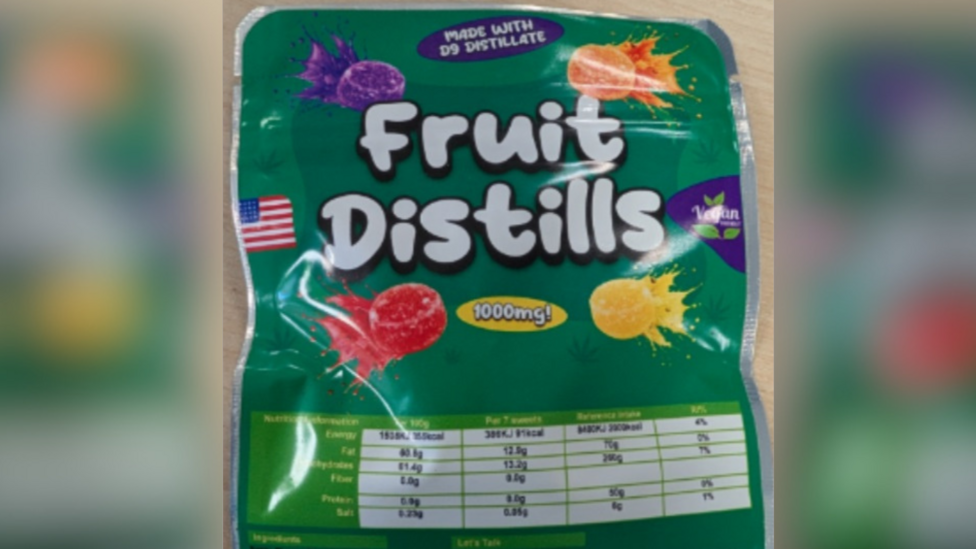
He also cautioned that a false sense of safety could develop after someone tries one packet without ill effect, only to find that another batch has an entirely different composition.
He said another packet could have a "completely different make up inside" and people could do themselves "real harm" if they consume them.
"I dread to think what would happen if a five or six-year-old got hold of what is effectively 1,000 milligrams of THC," he said.
Has this problem been flagged before?
Concerns about contaminated products circulating among young people are not new. Wiltshire Police issued a warning in July 2025 stating that spice-contaminated vapes were turning up in secondary schools, with some incidents resulting in hospital treatment and the University of Bath assisting with testing suspected items, according to a Wiltshire Police statement. Separately, the organisation Drug Science reported that a significant proportion of products marketed as THC vapes on platforms including TikTok, Instagram and Facebook were, in reality, spice, framing it as part of a broader pattern of drug sales conducted openly on social media, according to Drug Science.
What happens next?
Wiltshire Police has asked members of the public who encounter suspected spice-laced products to report them and preserve the items so they can be sent for laboratory analysis, according to the force's own guidance. The gummies seized in this case remain under examination by scientists at the University of Bath, meaning further results from that ongoing testing are the most likely next development in understanding the true scale of contamination.
Key Facts
- Wiltshire Police seized cannabis gummies packaged to resemble familiar sweet brands.
- University of Bath testing found THC in most samples, with spice concentrations varying by up to tenfold between gummies in the same pack.
- Some seized gummies contained spice at roughly twenty times the potency of a typical dose smoked by users.
- Packets have advertised THC content of up to 1,000 milligrams, according to police and separate reporting.
- Wiltshire Police say some people have suffered serious illness or died after consuming the products.


