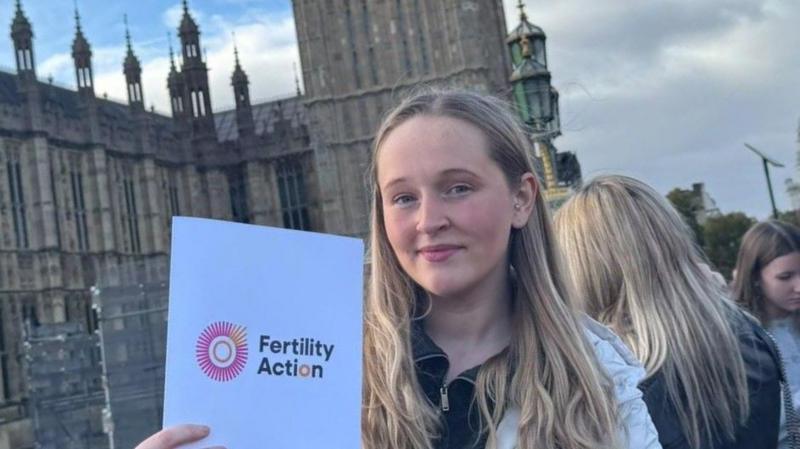
Mollie Mulheron, a 28-year-old from Lancashire, is campaigning for the NHS to fund fertility preservation treatment after she was unable to freeze her eggs before undergoing chemotherapy for stage four blood cancer. Although she has since recovered and is now cancer-free, NHS Lancashire and South Cumbria Integrated Care Board has refused to fund egg freezing, citing eligibility criteria that Mollie argues are unfair. According to BBC News, her case highlights a postcode lottery in NHS fertility funding for cancer survivors.
Mollie's cancer diagnosis came unexpectedly while she was travelling in the Galapagos Islands after university. She began feeling unwell and returned home for medical checks, where doctors discovered a melon-sized tumour that was, as she describes it, "crushing my heart and left lung." The aggressive nature of her cancer meant she required immediate treatment and did not have time to pursue egg freezing, a procedure typically available through NHS funding because chemotherapy can permanently damage ovaries and the womb.
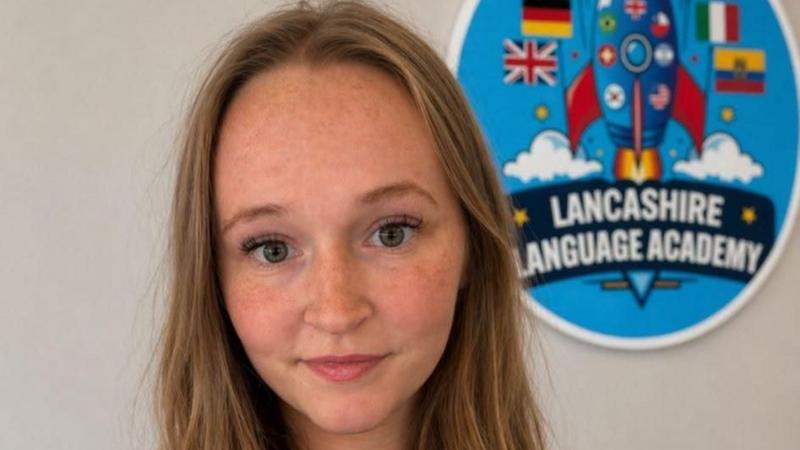
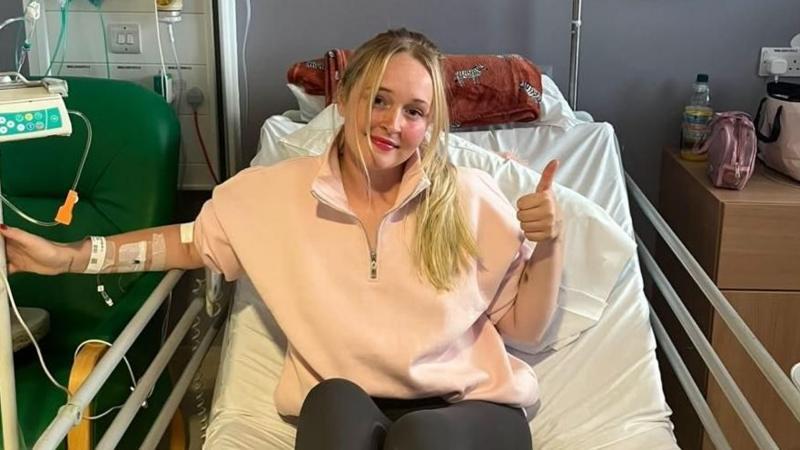
The treatment proved gruelling: approximately 800 hours of chemotherapy administered over 150 days were needed before Mollie achieved remission. "It was hell, but I did manage to beat it," she said. She now runs a language academy in Lancashire while managing the aftermath of her illness.
During her treatment at St James Hospital in Leeds, Mollie was informed that she could access fertility protection after chemotherapy. However, when she relocated to Padiham, she was told that funding was not available in her new area. "It does seem to be a postcode lottery that some places allow it and other postcodes don't at all," Mollie observed.
The fertility impact and early menopause risk
Mollie's ovarian reserve has more than halved within a year, and medical professionals have warned her that she is likely to experience early menopause. This prospect has prompted her to launch an online petition calling for better protection of young cancer survivors' fertility and to address what she describes as a funding gap in NHS provision after chemotherapy. She fears that without fertility preservation treatment, she may lose the opportunity to have children in the future.
The emotional toll extends beyond the medical reality. Mollie expressed frustration at feeling pressured to make immediate family-planning decisions while still recovering from cancer. "I'd like to have some time after having cancer just to rebuild my life," she said. The uncertainty surrounding her fertility options has left her feeling trapped in what she describes as a cycle of confusion and inconsistency.
What does national guidance say?
Updated National Institute for Health and Care Excellence (NICE) guidance from 2026 states that healthcare professionals should discuss fertility preservation with people whose medical condition or treatment is likely to affect their fertility. Importantly, the guidance specifies that NHS-funded fertility preservation should not use the same eligibility criteria as conventional fertility treatment, and recommends discussing preservation as early as possible when treatment is urgent.
However, Mollie points out that this guidance is not mandatory and can be interpreted differently by local NHS bodies, creating significant inconsistencies in access to treatment across the country. The Human Fertilisation and Embryology Authority notes that NHS availability of fertility preservation varies by location, although treatment for medical reasons such as cancer is generally available.
A spokesperson for NHS Lancashire and South Cumbria Integrated Care Board acknowledged awareness of Mollie's case and her concerns, but stated that decisions are made in line with current eligibility criteria under the Assisted Conception policy. "Due to patient confidentiality, we are unable to comment on specific details of individual cases," the spokesperson said. The ICB added that it is currently working collaboratively with Greater Manchester and Cheshire and Merseyside ICBs to review clinical commissioning policies, with assisted conception services identified as a priority in light of updated national guidance.
Parliamentary attention and broader context
Mollie's case has attracted attention beyond the NHS. Her MP, Oliver Ryan, raised the matter in the House of Commons, according to a 2026 report, bringing parliamentary scrutiny to the issue of fertility funding inconsistencies for cancer survivors. This reflects growing awareness among policymakers that the current system may be failing young people whose cancer treatment threatens their reproductive futures.
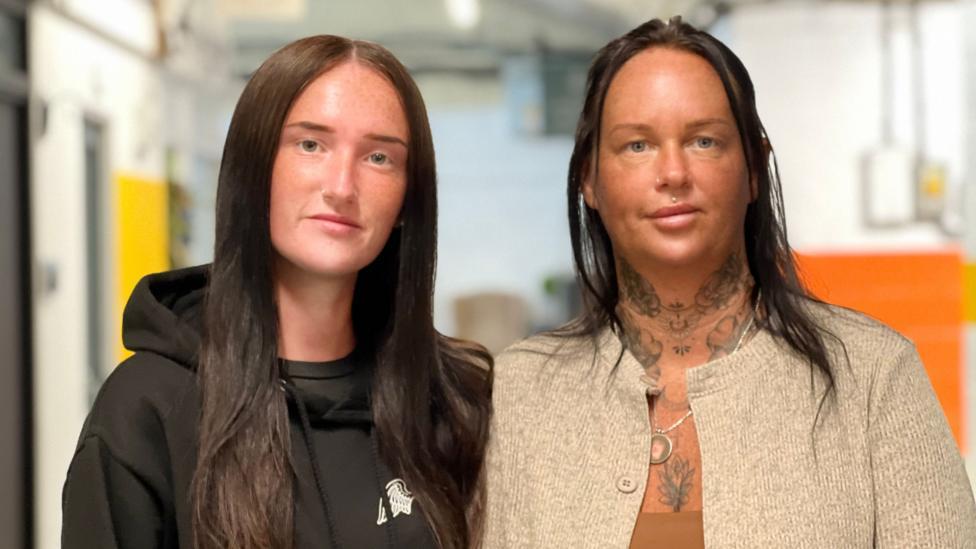
Her situation mirrors challenges faced by other cancer survivors. Erin Lavery, 23, missed the chance to freeze her eggs before cancer treatment and now faces an £8,000 bill for fertility treatment the NHS will not fund, prompting similar calls for policy change. These cases underscore a pattern in which young cancer survivors are left to navigate fertility decisions without adequate NHS support.
The broader healthcare landscape is also shifting. Scotland has launched a review into extending NHS IVF treatment to single women and couples with children from previous relationships, with findings expected by summer 2027. Such developments suggest growing recognition that fertility access policies require reassessment.
What happens next for Mollie?
Mollie remains hopeful that her campaign will drive change. The NHS Lancashire and South Cumbria ICB indicated in a January 2026 report that it was reviewing its fertility-funding policies, though the scope and outcome of that review remain unclear as of recent updates. The ICB stated it would welcome any review of national policy that gives due consideration to the needs of all patients, suggesting openness to change if national guidance shifts.
For now, Mollie continues to advocate for a system that recognises the unique circumstances of cancer survivors. "It's just kind of going around in circles, it feels like, and it's just so unfair," she said, capturing the frustration of those caught between recovery and an uncertain reproductive future.