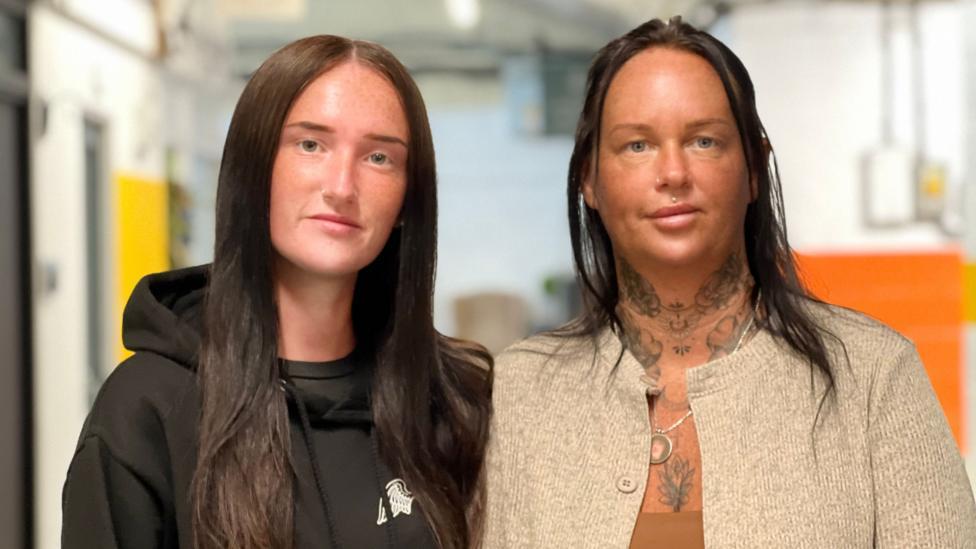
Charlotte Samphire, a 21-year-old beauty therapist from East Yorkshire living with stage 4 endometriosis, abandoned her career after years of debilitating pain made work impossible. According to BBC News, her experience reflects a broader crisis affecting women across the UK workforce, prompting calls for mandatory employer education and government intervention.
The All-Party Parliamentary Group on Endometriosis released a damning workplace report in October 2026, revealing that the chronic condition is forcing women out of employment and destroying their financial stability. The inquiry gathered evidence from more than 6,200 employees with confirmed or suspected endometriosis and 250 employers, uncovering stark disparities in workplace support and understanding.
Endometriosis is a chronic inflammatory condition in which tissue similar to the womb lining grows in other parts of the body. It takes an average of nine years to receive a diagnosis from the onset of symptoms and affects 1.5 million people across the UK. The condition causes severe pain that fluctuates unpredictably, making consistent employment extremely challenging for many sufferers.
What does the parliamentary inquiry reveal?
The findings are striking: 97% of respondents had worked through severe pain, 49% had received no workplace adjustments, 47% had lost income, and 28% had left a job entirely. The research also exposed a significant knowledge gap among employers, with 72% of organisations reporting they provided no training or guidance on women's health conditions.
Kirsteen Sullivan MP, chairwoman of the All-Party Parliamentary Group and herself living with endometriosis, is pushing for systemic change.
That framework should build on existing standards and the menopause action plans that were already introduced earlier this year. I think that will provide support and guidance for employers so that they can better understand the support they should be providing to their employees, but also allow women living with the condition to better understand the kind of support they should receive.Sullivan has called on the government to introduce a national framework for women in the workplace and to review guidance around the Equality Act to ensure it better reflects fluctuating and chronic conditions.
Why did Charlotte Samphire leave her job?
Samphire has suffered debilitating pain since age 10 and reached a breaking point in her salon role.
I worked in a salon and I loved working there, but I struggled to manage my endometriosis and I had to tell my employer that I couldn't fulfil my roles.Although her boss showed understanding, she recognises that many women face far less supportive environments.
Endometriosis changes women's lives every day, whether that's just being diagnosed or whether you've quit your job because you can't do it anymore, or whether it's taken over your mental health. It will do that to you.
Samphire is now advocating for mandatory employer education.
I believe the government should make it mandatory for employers to be educated on all conditions, whether they're visible or invisible, and the steps and support that they can take to help their employees. This could help so many women change their career paths, even change their lives.
What is Hey Endo! doing to help?
Hey Endo!, a Hull-based charity co-founded by Helen Wilkinson and Ashleigh Hirst, became a registered charity in 2024 and now serves more than 3,500 people. The organisation launched a workplace Best Practice Charter in collaboration with the Hull and District Trades Union and Hull West and Haltemprice MP Emma Hardy, providing practical guidance for employers seeking to support staff with endometriosis.
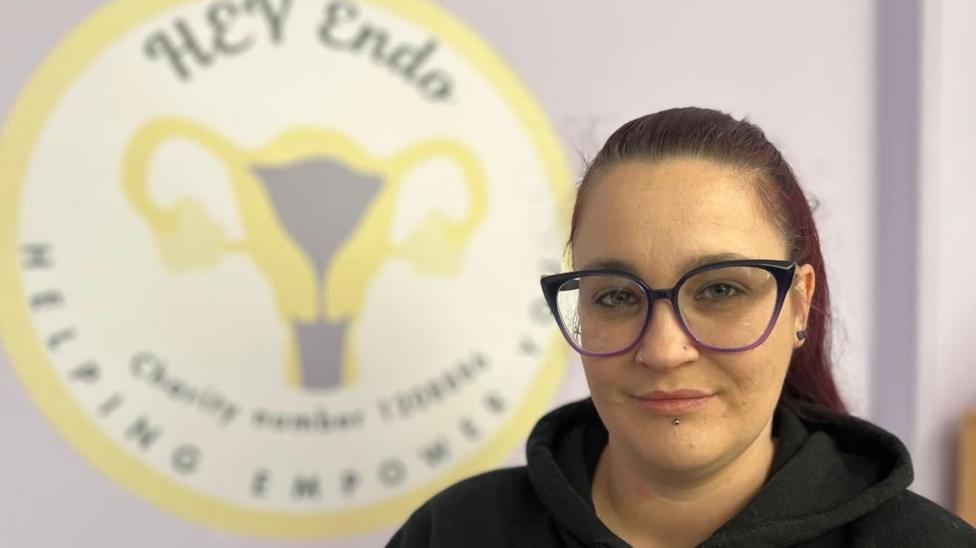
Wilkinson's own employment history illustrates the scale of the problem.
I went through 17 jobs in 14 years and a lot of it was due to sickness absence. I would either lose the job because I had too much time off or I would leave the job before they could sack me because I had too much time off.She has observed that while some employers demonstrate genuine commitment to understanding the condition, others lack any framework for support.
Almost everybody who comes into our service from the beginning, within six months they're in a much better place with themselves. They're a lot stronger and able to go out and advocate for themselves and they know their rights. For a lot of them, it's often a case of basic information that they weren't aware of, just directing them to things like the Equality Act and having a word with their occupational health team at work.
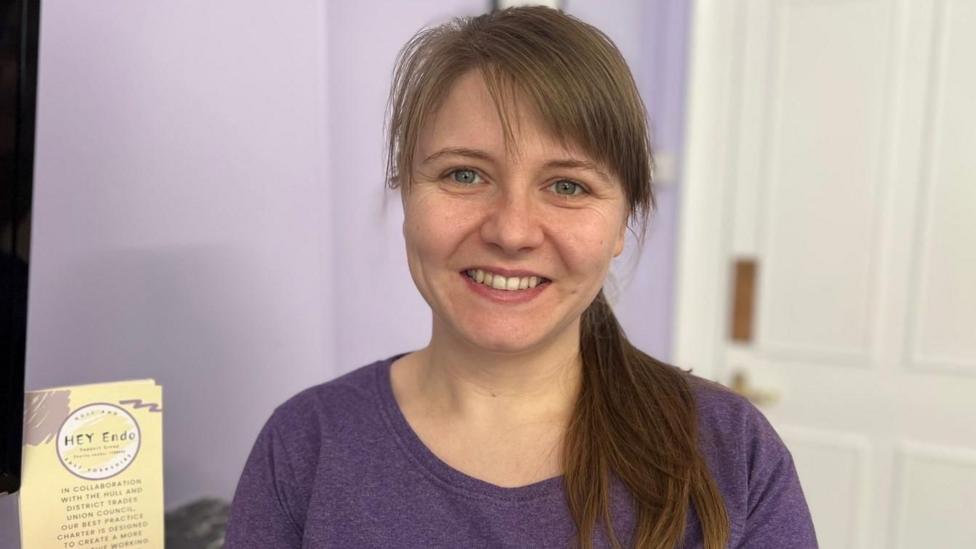
Ashleigh Hirst's symptoms began around age 11, but she did not receive a diagnosis until age 25.
I was just recently married but all of these symptoms came in a great big wave and just knocked me off my feet. Being on the floor in pain and vomiting through the pain, I thought that was normal and I thought everyone went through it and I just kept it behind closed doors, but actually it's not normal.Her delayed diagnosis is typical of the broader healthcare crisis affecting endometriosis patients, as documented in earlier investigations into the condition's impact on women's lives.
Hirst emphasises the urgency of government action.
We have said for many years that there are so many women in the workplace who don't feel supported, who maybe feel like they have to change jobs and careers. It absolutely has to happen sooner rather than later.She is calling for the government to consult with local charities like Hey Endo! when developing any new national framework on endometriosis support.
What is the government's position?
A government spokesperson acknowledged the scale of the problem, stating:
For millions of women, endometriosis has a serious impact on their wellbeing, relationships and participation in the workforce. The government's Renewed Women's Health Strategy identifies endometriosis as a priority condition and states our commitment to improve the treatment and ongoing care for every woman affected.
However, the government has not yet committed to implementing the parliamentary group's recommendations or establishing a dedicated national framework for workplace support.
What happens next?
Endometriosis UK is urging MPs to ask the Secretary of State for Work and Pensions how endometriosis will be addressed in the Government's developing Workplace Health System and whether a named government lead will engage with the charity. The organisation is taking the parliamentary recommendations forward through discussions and roundtables with policymakers, seeking to translate the inquiry's findings into concrete policy changes that protect women's employment rights and health.