Northern Ireland operates under a distinct regulatory framework for drug testing and event licensing that sets it apart from the rest of the United Kingdom and the Republic of Ireland, creating barriers to harm reduction services at outdoor music venues.
Bars, chip vans and portable toilets remain standard fixtures at outdoor music festivals across Northern Ireland. Yet in other parts of the UK and the Republic of Ireland, many major events now feature dedicated facilities where attendees can have substances rapidly tested and identified to assess potential dangers.
Law enforcement issued warnings this week about the
"serious, potentially life-changing, risks of taking or supplying illegal drugs"at outdoor music events. Meanwhile, Belfast City Council has intensified calls for testing services to be introduced locally, though legal and financial obstacles continue to complicate the prospect.
With drug-related deaths rising in Northern Ireland, growing concerns about drug-fuelled anti-social behaviour in city centres, and mounting pressure for a fundamental shift in how the region tackles illegal substances, the question of whether drug testing facilities should be established has become increasingly urgent.
How does drug testing work at festivals?
Drug testing involves sending samples to laboratories where their chemical composition and potency are analysed. Different approaches exist for communicating results back to event attendees and the public.
Many festivals in Great Britain and the Republic of Ireland operate what is known as
"back-of-house"testing. Substances—either discovered during security searches or placed voluntarily in amnesty bins outside venues—are tested. When potentially hazardous material is identified, festival organisers and on-site health teams issue public warnings to attendees.

Authorities and organisations running drug testing services, along with festival operators, emphasise they neither endorse nor encourage drug consumption. Instead, they frame the practice as a harm reduction strategy designed to minimise risk rather than promote use.
In England and Wales, the Home Office grants licences to operate such services. In Northern Ireland, however, licensing authority is devolved to the Department of Health's Medicines Regulatory Group, creating a separate approval process.
An alternative model, known as
"front-of-house"testing, allows individuals to bring substances for analysis without receiving them back after testing is complete.
Why is Belfast City Council pushing for testing?
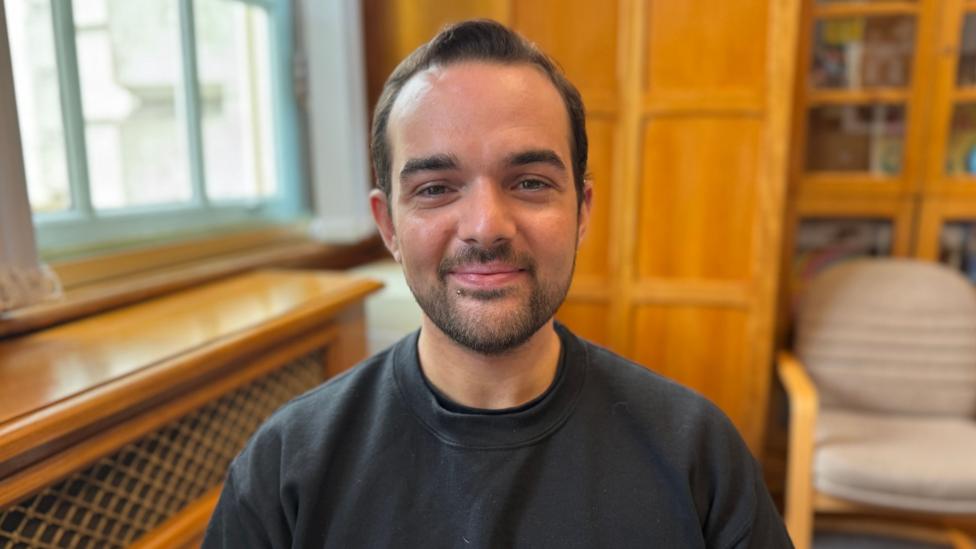
Councillor Micky Murray introduced a motion to Belfast City Council earlier in 2026 proposing a pilot programme for drug and pill testing facilities at major events. The council's People and Communities Committee adopted the motion on 14 April 2026, with language committing the council to work alongside the Department of Health, Public Health Agency, concert promoters and event organisers to ensure any service could operate within legal and safety requirements on council property.
Murray told a national broadcaster that the region had historically treated drug use as a law enforcement matter rather than a public health issue.
"We've always dealt with [drugs] as a policing issue but it's not a policing issue, we need to deal with it as a healthcare issue,"he explained.
"It's never worked, so it's time that we start something new."
The proposal faced opposition from some quarters. Democratic Unionist Party MP Carla Lockhart rejected harm reduction messaging released by the Public Health Agency in summer 2026, asserting that
"The only responsible message on illegal drugs is simple: don't take them."
Murray countered that refusing to support harm reduction approaches endangered lives.
"This isn't going to increase people taking drugs and increase life-long drug taking. What this will do is prevent deaths, prevent enormous harm to people which could be prevented by having the information on hand,"he said.
"What we're doing now without giving people the information they need is doing more harm than providing them with the information that they need to make safer decisions."
A council report dated 22 June 2026 concluded that no legislative framework, funding mechanism or operational model currently exists to allow the council to operate such facilities. The Department of Health advised that no formal licence application has ever been submitted and that numerous issues would require resolution before any application could be considered.
The Department of Health told a national broadcaster it stands prepared to support the council but
"remains conscious of the resource, licensing, and legislative implications."

Could testing facilities actually save lives?
Critics argue that drug testing services normalise substance use. However, supporters believe they are essential to preventing deaths.
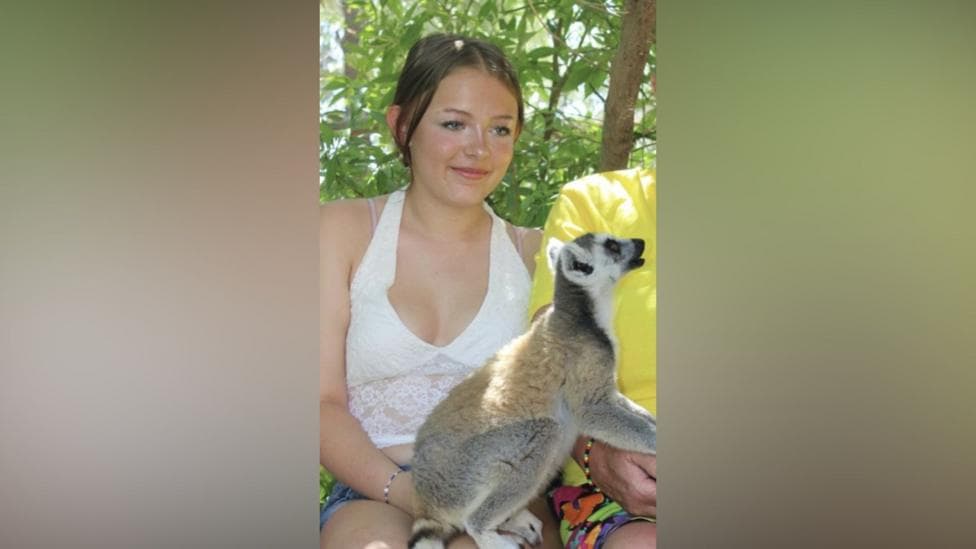
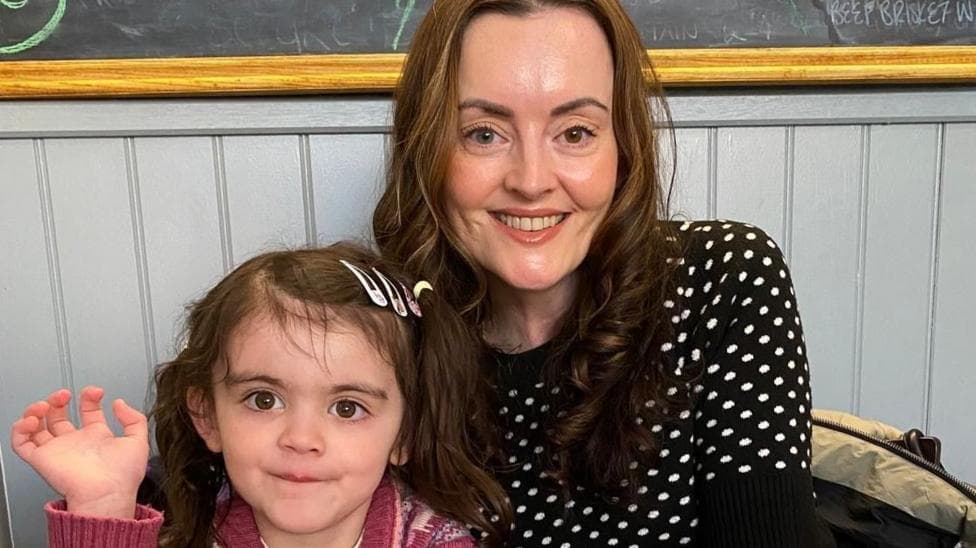
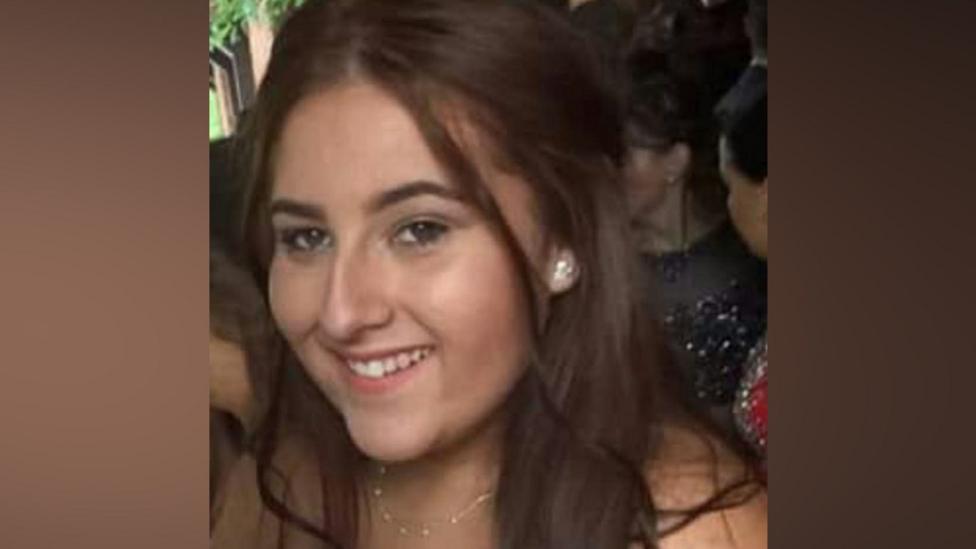
Georgia Jones was 18 years old when she suffered cardiac arrest and a 50-minute seizure after consuming two MDMA pills at Mutiny Festival in Portsmouth in 2018. Testing later revealed the pills were approximately six times stronger than typical doses. Her mother, Janine Milburn, believes testing services might have altered the outcome.
"In my eyes, it gives people another barrier so they decide they're going to take a substance, they maybe haven't done it before or only done it a couple of times, they don't really know what they're doing,"Milburn explained.
"It gives them a professional to go to, but it also gives them another chance to say I'm not going to do it now."
Milburn now directs a harm reduction charity named Georgia Jones Don't Go With The Flo and regularly educates young people about drug dangers.
"They get all their information from movies, songs, from peers, so they're not getting that correct information and this is what is really damaging them,"she said.
"Even if they're not taking it, they'll maybe be around people who are so they need to be given this information."
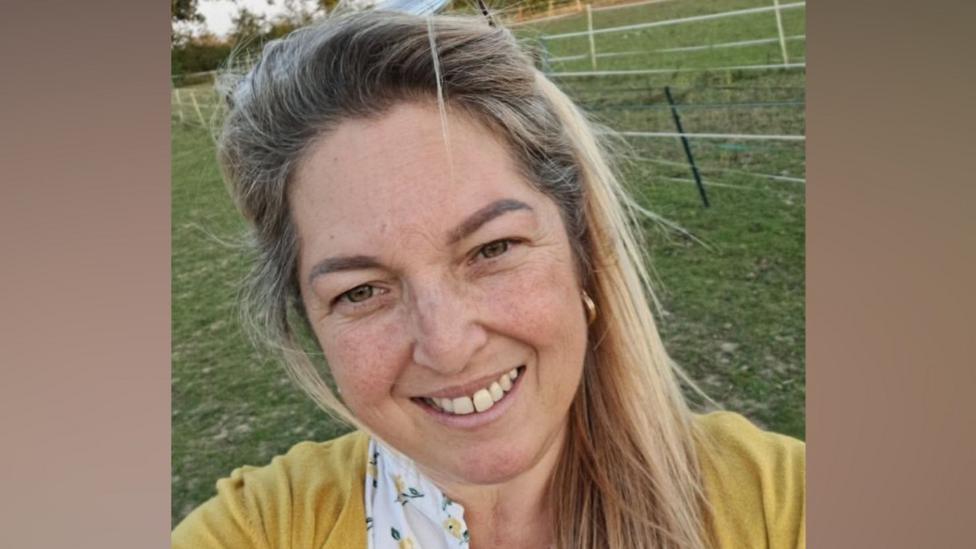
"Georgia took two pills and was found to be six-times over what you would expect to find, so it's these high doses and not necessarily the drug itself."Milburn emphasises that substances are already normalised in society and greater educational efforts are needed to communicate the genuine risks.
What models exist elsewhere in the UK and Ireland?
The Loop operates at several festivals across England as a harm reduction initiative, testing surrendered substances in real time to determine what is circulating and alerting attendees and health officials within minutes of results.
Chief Executive Katy Porter stated that while the organisation recognises people consume drugs, they
"neither condemn nor condone"the practice.
"We need clear information in order to equip people from a public health point of view to be able to make informed choices and informed decisions,"she said.
"Every year there are a number of deaths within festivals and these are preventable."
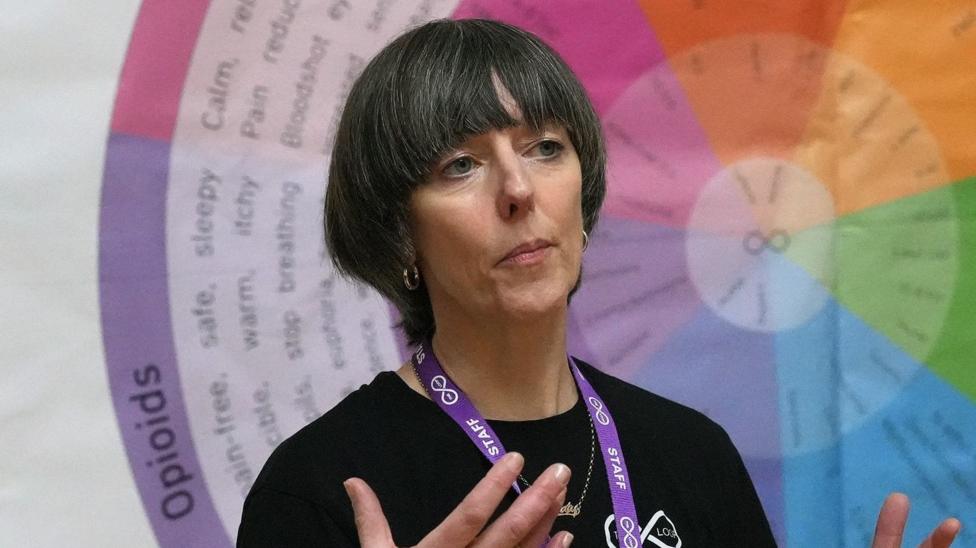
Over the past six months, The Loop's testing of MDMA pills has revealed that the primary concern is not contamination of substances but rather inconsistent and dangerously high potency levels.
"One thing we want to get across to people is one pill is not a single dose, and when choosing to take them, you won't know the strength. They might look similar, but without testing we're unable to understand just by sight or looking at them what that strength is."
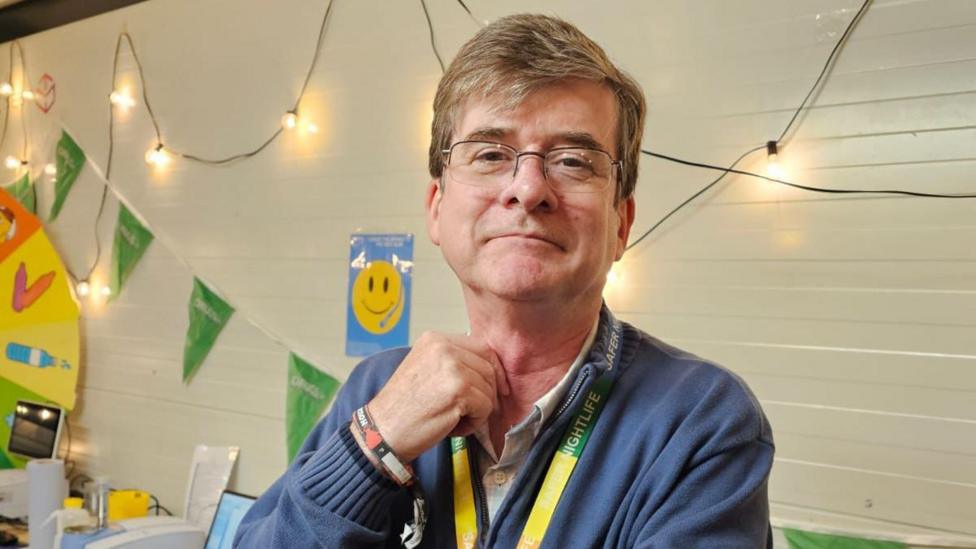
In the Republic of Ireland, Professor Eamon Keenan from the Health Service Executive oversees the Safer Nightlife Programme, which includes back-of-house testing at festivals including Electric Picnic. Keenan reported encouraging results so far.
"Since we've started producing the harm reduction messages, there's a lot more trust and confidence from the young people who are happier to engage with our volunteers,"he said.
From festival testing alone, the HSE has collected approximately 300 samples, resulting in 14 risk messages being distributed to attendees and the identification of substances never previously detected in Ireland. Keenan emphasised that
"the bottom line is that it is safer not to take drugs at all."However, he added:
"But we're living in a reality where we do know that people take drugs, and its our job to identify the substances that are circulating and then advise people in the risks and harms associated with these drugs."
The successes documented in the Republic of Ireland provide a potential blueprint for how services could be rolled out in Northern Ireland, according to expert analysis. Professor Anne Campbell from the Drug and Alcohol Research Network at Queen's University Belfast noted that while drug testing does occur in Northern Ireland, the findings are not shared with the broader public.
Campbell argued that results from drug testing in Northern Ireland should be made available beyond just health officials and government bodies.
"It's not helpful to tell people not to take drugs because we know that it does not work and we know from those within our treatment populations its definitely not working because of the rise in deaths year on year,"Campbell stated.
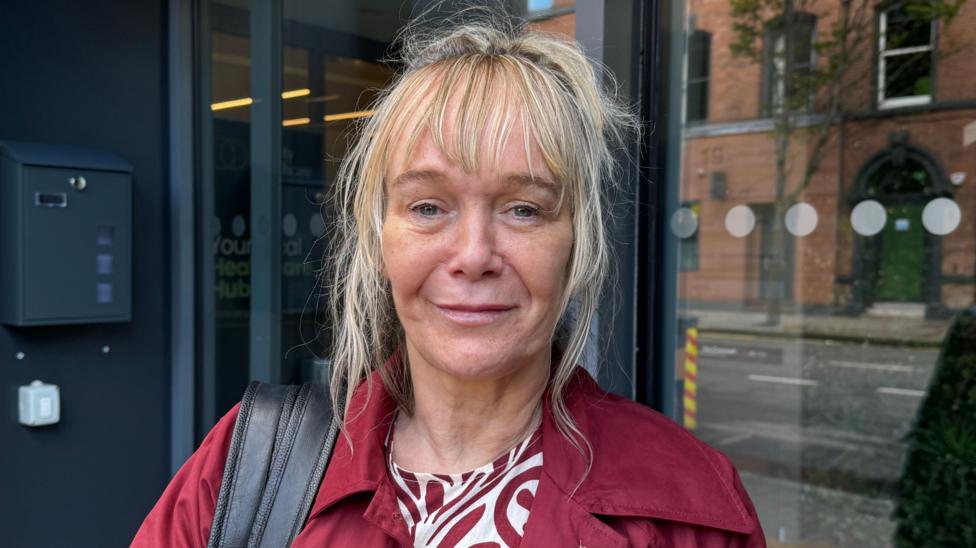
Wastewater analysis conducted by Campbell's team shows a sharp increase in ketamine and cocaine use across Northern Ireland. Campbell contended that current laws promote a prohibitionist approach that fails to address the reality of drug consumption.
"I think you need everybody to have a stake in this and really have an understanding as to how positive it can be."
What happens next for Northern Ireland?
The council motion explicitly requested that relevant public bodies explore the feasibility of piloting the service alongside community and voluntary organisations with experience in harm reduction. The process is expected to move through further internal reporting and coordination with health bodies and event organisers before any pilot programme could commence.
The broader policy environment in Ireland is also shifting. In June 2026, the Oireachtas Committee on Drugs recommended decriminalising all personal drug possession in Ireland, advocating a health-led approach and local by-laws to reduce public consumption, signalling a regional movement toward treating drug use as a health matter rather than purely a criminal justice issue.
Key Facts
- Drug testing facilities operate at festivals in England and the Republic of Ireland but remain absent from Northern Ireland events due to distinct licensing and legislative frameworks
- Belfast City Council adopted a motion in April 2026 calling for a pilot drug and pill testing programme, but a June 2026 report found no legislative framework, funding mechanism or operational model currently exists to support such services
- Testing programmes in the Republic of Ireland have identified 14 risk messages from approximately 300 samples and detected substances never before seen in Ireland, demonstrating the public health value of such initiatives
- Supporters argue testing prevents deaths by providing accurate information about drug potency and composition, while opponents contend it normalises drug use
- Northern Ireland's Department of Health has indicated willingness to support the council but remains concerned about resource, licensing and legislative implications