
Disruptions to the food supply chain are becoming a genuine concern for UK households as extreme weather, cyber threats and other crises pose mounting risks to how groceries reach our shops. In response, the government has begun advising people to maintain modest emergency stocks of long-life foods at home—a shift driven by climate patterns and broader vulnerabilities in global food systems.
Environment Secretary Dame Angela Eagle highlighted the threat posed by the powerful natural climate phenomenon El Niño, warning that it would trigger
more extreme storms in this country. Beyond weather, the supply chain faces pressure from cyber-attacks, disease outbreaks and international conflicts, all of which can interrupt the journey of food from producers to consumers.
Prof Richard Wilding, an expert in supply chain strategy, cautions against panic but emphasises the value of preparation.
Things that were in supermarkets and seen as relatively abundant may all of a sudden be in shortage, he explains, adding that global shipping professionals are adapting continuously but households should be ready to purchase alternative products if their usual choices become unavailable.
The government's approach reflects broader concerns about food-system resilience. According to the National Audit Office, released on 3 September 2026, the government must do more to engage households, communities and industry in strengthening food-supply-chain resilience, including providing clearer guidance on what households should keep in reserve. The Cabinet Office announced in July 2026 that a national preparedness campaign would launch later in 2026, covering steps for extreme weather, cyber incidents and shortages.
What should you prioritise for your cupboard?
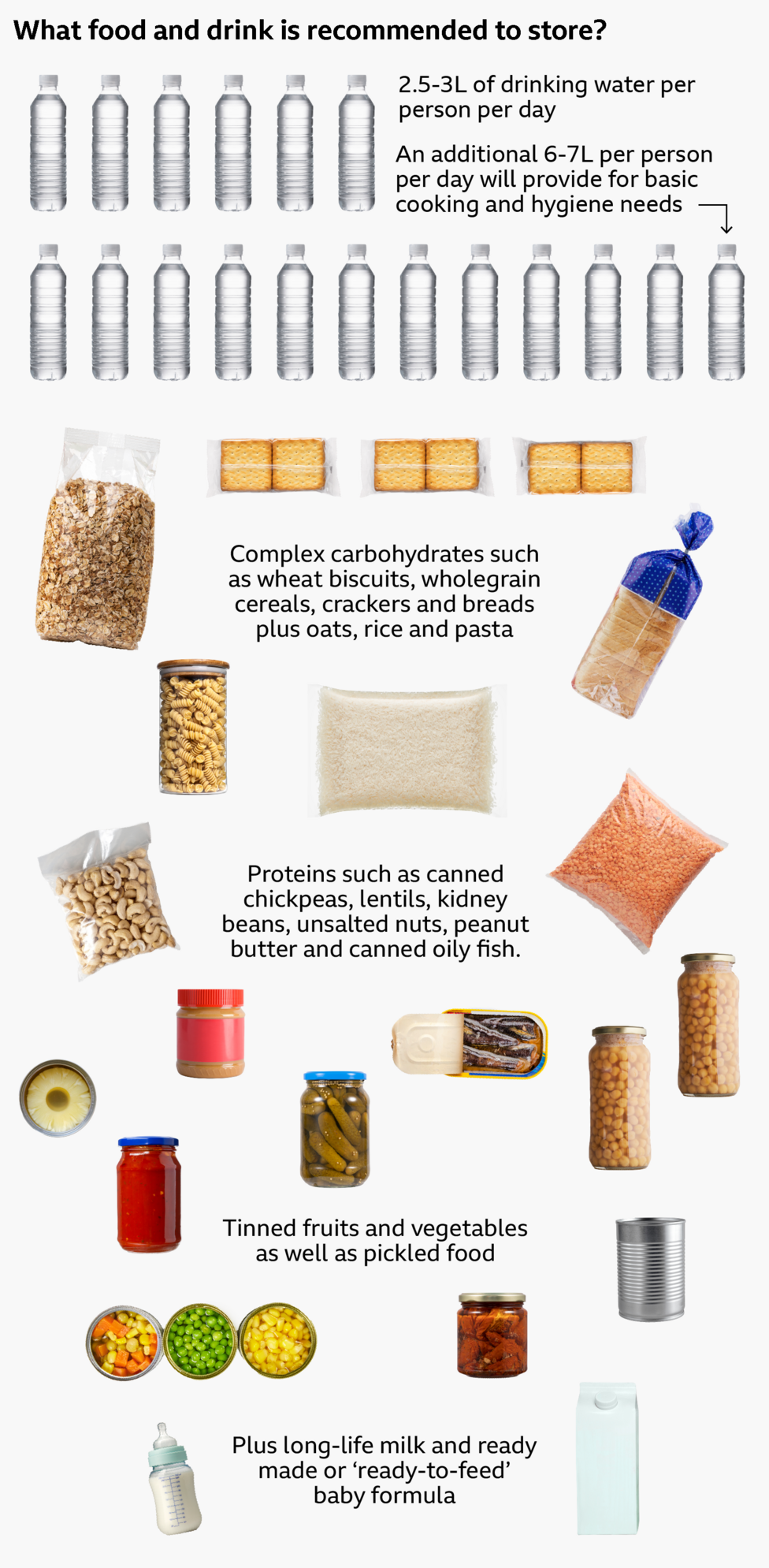
Senior nutrition scientist Dr Sammie Gill from the British Nutrition Foundation recommends focusing on foods that provide sustained nutrition and long shelf lives. Complex carbohydrates form the foundation of an emergency store and should include wheat biscuits, wholegrain cereals, crackers, breads, oats, rice and pasta. These foods provide energy and fibre essential for maintaining health during supply disruptions.
Proteins are equally important. Canned chickpeas, lentils, kidney beans, unsalted nuts, peanut butter and canned oily fish such as tuna, mackerel and sardines all offer protein that keeps well. Rebecca McManamon, a consultant dietitian, adds tinned fruit to the list, noting that the juice can provide additional fluids, vitamins and fibre—a particular advantage if fresh produce becomes scarce.
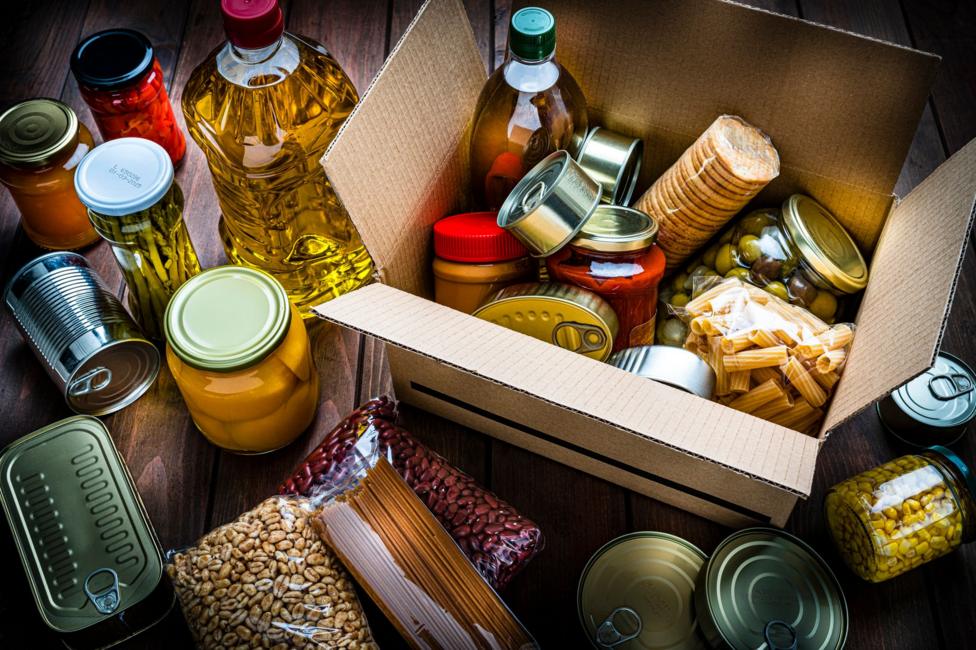
Pickled foods including vegetables and eggs deserve space in an emergency cupboard, as do long-life milk products found in the non-refrigerated aisle. These provide protein, calcium and fluid, making them valuable when fresh dairy is unavailable. According to official preparedness guidance, households should store approximately 2.5 to 3 litres of drinking water per person per day, with an additional 6 to 7 litres per person per day recommended for basic cooking and hygiene needs. Some experts suggest slightly higher amounts: London Metropolitan University recommends 3 to 4 litres per person per day when building an emergency stockpile.

Which foods should you avoid?
Not all tinned and long-life foods are equally nutritious. Dr Gill advises checking salt and sugar content carefully when selecting items. Tinned foods preserved in brine or syrups should be avoided in favour of those packed in water, which offers the healthiest option. Instant noodles and tinned soups often contain excessive salt, making them poor choices for emergency supplies.
Breakfast cereals and snack bars frequently contain added sugars with limited nutritional value and should be deprioritised. Tinned meats such as sausages, hot dogs and corned beef are often highly processed and high in salt and saturated fat, whereas tinned fish provides superior nutritional benefits. Sweet treats including biscuits and chocolates carry high sugar content and should be limited, though McManamon suggests nuts as a healthier sweet alternative—though these may have a shorter shelf life than other options.
Making emergency food palatable
One challenge of relying on tinned and long-life foods is that they can taste bland. McManamon recommends stocking dried herbs, spices and salt to improve flavour. Peanut butter and pickled vegetables also help make basic meals more appetising, transforming simple tinned ingredients into more satisfying dishes.

Is tinned food as nutritious as fresh?
A common concern is whether emergency food stocks provide adequate nutrition compared to fresh produce. Dr Gill offers reassurance:
There is little difference nutritionally between canned and fresh food in terms of macronutrients, like carbohydrates, protein, fats, and fibre, as well as fat-soluble vitamins, like vitamin A and E, and minerals. Tinned foods can therefore form part of a healthy diet without significant nutritional compromise.
The canning process does reduce levels of some vitamins, particularly B and C vitamins, but Gill notes that tinned foods remain a useful source of these nutrients. For those concerned about hydration, McManamon emphasises that fluid intake should remain between 1,500 and 2,500 millilitres daily regardless of circumstances. This can come from bottled water or from fluid-rich tinned foods if fresh supplies become limited.
Understanding the government's approach
The government's advice emphasises modest household cupboards rather than panic-buying. According to preparedness guidance issued on 19 September 2026, households should maintain reasonable reserves without hoarding. This measured approach reflects a broader strategy to improve national resilience. A University of York report released on 18 September 2026 warned that international conflict could trigger major food crises through trade disruption, higher energy prices and wider food-system shocks, underscoring why household preparedness matters.
What happens next
The government's comprehensive household preparedness strategy is due to be unveiled by the end of 2026. The planned national campaign telling households how to prepare for disruption has not yet launched as of mid-September 2026, though it is expected to form part of the broader strategy rollout. This campaign will build on existing preparedness advice and aims to bring the UK closer to European countries in terms of emergency readiness.
Key Facts:
- The UK government is urging households to maintain modest emergency food stocks due to risks from extreme weather, cyber-attacks and supply-chain disruptions
- Recommended items include complex carbohydrates, canned proteins, tinned fruits and vegetables, pickled foods and long-life milk
- Households should store 2.5 to 3 litres of drinking water per person per day, plus an additional 6 to 7 litres for cooking and hygiene
- Tinned foods provide comparable nutrition to fresh produce for most macronutrients and key vitamins and minerals
- A government household preparedness strategy is scheduled for release by the end of 2026