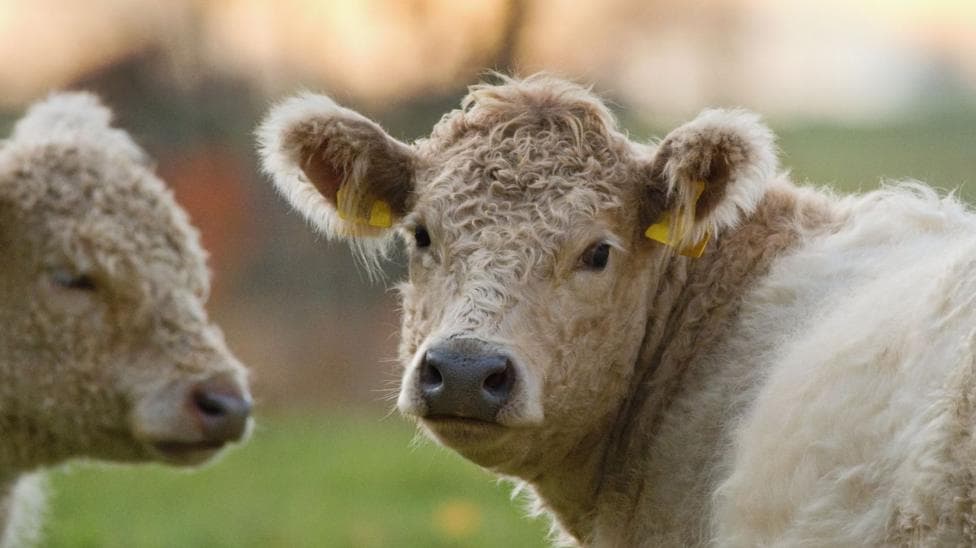
Livestock movement controls in south-west Scotland are being tightened as bluetongue virus continues to spread across the region. The Scottish government has confirmed that a temporary control zone covering much of Dumfries and Galloway will transition to a restricted zone, with the change taking effect on 10 September 2026. This escalation reflects the reality that the disease is now circulating within Scotland's farming communities rather than remaining confined to isolated cases.
The shift from temporary to restricted status means that cattle, sheep and other susceptible ruminants moving out of the affected area will require a licence to travel to the rest of Scotland. Any animal displaying clinical signs of bluetongue must be reported immediately to the Animal and Plant Health Agency. The temporary control zone, which had been in place since late August, covered much of Dumfries and Galloway and parts of Ayrshire following the first confirmed Scottish case at a Creetown farm on 8 August 2026.
According to Scottish government guidance, the disease has now affected 20 farms across the region, with 64 cattle and 15 sheep infected with bluetongue serotype 3 (BTV-3). Affected farms are scattered across multiple locations including Newton Stewart, Lockerbie, Castle Douglas, Kirkcudbright, Dalbeattie, Dumfries, Annan, Gretna, Canonbie, Twynholm and Gatehouse of Fleet, with recent detections reported near Gatehouse of Fleet on 4 September, Gretna on 2 September, and Lockerbie and Dumfries on 1 September 2026.
Fiona Johnson, a farmer whose holding was among those affected, described the emotional toll of the outbreak.
"I felt awful when the case was confirmed,"she said. Experts attribute the arrival of bluetongue in Scotland to infected midges blown across the border from England, where the outbreak is far more extensive.

How will movement restrictions change from 10 September?
From 10 September 2026, some categories of livestock will face fewer barriers to movement. Store, fattening and non-pregnant female animals will no longer require testing or vaccination to move from the restricted zone to the disease-free areas of Scotland. However, breeding animals will continue to require both vaccination and testing before leaving the zone. According to Scottish government movement guidance, the active-season control period runs from 1 June to 9 September 2026, with revised controls taking effect from 10 September.
Why is the government making this change?
The Scottish government has determined that falling temperatures reduce the risk of bluetongue transmission, allowing for a relaxation of some restrictions. The transition from a temporary control zone to a restricted zone is a legal requirement once the disease is confirmed to be circulating in an area. This change reflects the government's assessment that the virus is now established in south-west Scotland rather than representing isolated incursions.

What is the government's long-term strategy?
Agriculture Minister Jim Fairlie stated that vaccination represents the only viable long-term approach to controlling bluetongue in Scotland.
"We have been doing all we can to stop bluetongue getting a foothold but the evidence now is regrettably showing us that the disease is circulating in south-west Scotland, meaning that legally we have to make that area a restricted zone. What this shows is that the disease is not going away any time soon, and industry should start to prepare for the disease gaining a permanent hold within the rest of Scotland. I recognise that this is an extremely difficult time for farmers and the wider industry and we are continuing to work closely with them on how we deal with the disease in Scotland for the longer term."Fairlie urged all farmers with susceptible livestock to consult their veterinarians immediately about vaccination options.
The government has emphasised that its approach aims to implement proportionate control measures that minimise business disruption while containing the spread of the virus. Movement from England, Wales, Northern Ireland or the Isle of Man to Scotland continues to require compliance with general movement licence EXD608(EW), with these controls remaining in force through at least 9 September 2026. Industry reporting indicates that movements from the temporary control zone direct to slaughter premises can continue under licence, including to facilities outside the zone.
What support are farmers receiving?
The farming industry has raised concerns about the burden placed on producers in the affected region. The NFU Scotland has previously called on the Scottish government to provide enhanced support to farmers in Dumfries and Galloway, arguing they are carrying a disproportionate responsibility to protect livestock across the rest of Scotland. This pressure intensified during the critical livestock sales season, when movement restrictions have the greatest economic impact on farming operations.
The Scottish government has stated that its objective from the outset has been to implement measures that control bluetongue transmission while minimising negative effects on agricultural business operations. However, the transition from temporary to restricted zone status, combined with the government's acknowledgment that the disease is unlikely to disappear soon, suggests that farmers should prepare for prolonged restrictions and ongoing management challenges.
What are the health impacts of bluetongue?
Bluetongue serotype 3 does not pose a risk to human health or food safety, but it causes severe consequences for livestock. The virus produces a high mortality rate in infected sheep and causes fertility problems in infected cattle. Clinical symptoms in affected animals include nasal discharge, redness and swelling of the lips, nose and muzzle, lameness or reluctance to stand, decreased milk production in cattle and diarrhoea. These signs require immediate reporting to the Animal and Plant Health Agency to enable rapid response and containment efforts.
What happens next?
The transition to restricted zone status takes effect on 10 September 2026, with the relaxed movement rules for certain animal categories coming into force on the same date. The Scottish government's control framework indicates that this represents a key transition point in the management of bluetongue in Scotland. Farmers and industry representatives are expected to implement vaccination programmes and adapt their operations to the new regulatory environment as the disease becomes established in south-west Scotland.
Key Facts:
- Twenty farms across Dumfries and Galloway have been affected, with 64 cattle and 15 sheep infected with bluetongue serotype 3 since 8 August 2026
- A temporary control zone is transitioning to a restricted zone on 10 September 2026, requiring licences for livestock movement out of the affected area
- From 10 September, store, fattening and non-pregnant female animals will no longer require testing or vaccination to move to disease-free areas, though breeding animals will still need both
- The Scottish government has identified vaccination as the only viable long-term strategy to control the disease
- Bluetongue does not affect human health or food safety but causes high mortality in sheep and fertility problems in cattle