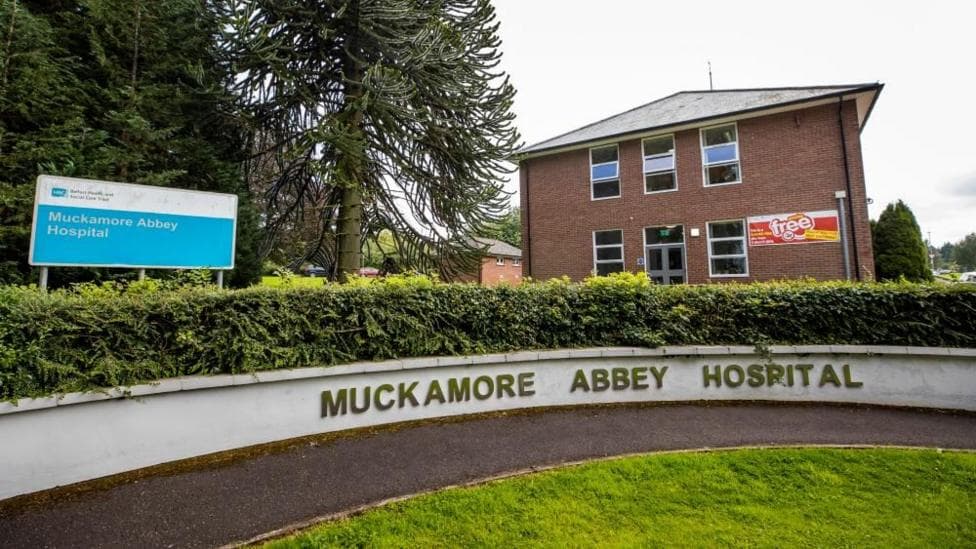
The chief executive of the Belfast Health and Social Care Trust has told lawmakers that the abuse of patients at Muckamore Abbey Hospital represents a "dark chapter" in the history of care for vulnerable adults in Northern Ireland. Jennifer Welsh delivered her statement while giving evidence to Stormont's health committee on Tuesday, describing the scandal as illuminating "a rot that permeated deep into a culture and a way of life" at the facility.
A public inquiry into the hospital, which provided care for people with mental health conditions and learning disabilities, documented severe harm inflicted on residents. Patients suffered physical abuse including black eyes, broken bones, bruising and excessive restraint. The inquiry found that while abuse did not affect every patient or involve every staff member, systematic bullying by certain caregivers made many residents' lives "miserable."
The investigation was established after allegations emerged in 2017, triggering what is regarded as the UK's largest criminal adult safeguarding investigation of its kind. The facility, located in County Antrim and operated by the Belfast Trust since 2007, became the subject of intense scrutiny following the police investigation.
Welsh told the committee:
I want to restate my profound and unreserved apology to the people who lived at Muckamore Abbey Hospital and who experienced abuse, neglect and at times cruelty. I'm deeply sorry for everything that they suffered and for the lasting impact that such appalling behaviour will have left on them.
She emphasised that both she and trust chair Stuart Elborn "take full responsibility for the wrongs that were committed." Welsh acknowledged that the abuse and neglect were "shocking in itself, but that it happened at the hands of caregivers is a dark chapter in the history of caring for people with learning disabilities and autism on these islands."
What did the inquiry find?
The Muckamore Abbey Hospital Inquiry published its final report on 18 June 2026, concluding its work after hearing evidence over 120 sitting days from 181 witnesses and reviewing more than 300 witness statements. The investigation found that "deviance" had become so normalised within the facility that substandard care became accepted practice.

According to criminal justice records, 124 people were referred to the Public Prosecution Service, with 58 prosecutions directed so far. The Belfast Trust's own investigation examined 192 staff members, resulting in 19 dismissals, nine final warnings and 11 formal warnings.
The inquiry set out 106 recommendations aimed at preventing future abuse. These include ending the use of medication as restraint, strengthening family involvement in care planning, revising care plans for those with learning disabilities, considering CCTV installation in certain areas of care settings, and establishing adult safeguarding as a statutory duty alongside introducing a legal Duty of Candour.
How has the trust responded to criticism?
Committee chair Philip McGuigan questioned Welsh about the Belfast Trust's "adversarial" approach during the public inquiry process, noting it was "baffling" that the trust had not engaged with the inquiry panel since the report's publication. Welsh acknowledged the criticism, saying:
I accept the trust had been adversarial and I'm happy to engage with the inquiry panel.
She expressed concern that the adversarial communications were detracting from the core findings.
There is no doubt about the abuse and neglect and the absolutely shameful things that happened at Muckamore that should never have happened - we're absolutely clear on that. I'm really disappointed that that adversarial approach is detracting from that - is detracting from the experience that families actually had, the experience that their loved ones had in Muckamore.
Welsh also reflected on the broader pattern of inquiries across Northern Ireland's health and social care sector, stating:
I hope we will never be in a position again that we have a public inquiry. I think it is shameful that Northern Ireland has had so many public inquiries across health and social care services.
What happens next?
The criminal process remains active, with prosecutions continuing through the Public Prosecution Service and courts. The Health Committee's consideration of the inquiry report was scheduled to continue after the 14 September 2026 briefing, with Belfast Trust and Department of Health officials providing further evidence to lawmakers.
The inquiry was chaired by lawyer Tom Kark and examined the systematic failures that allowed abuse to occur at a facility that should have been a place of safety and care for some of Northern Ireland's most vulnerable residents.