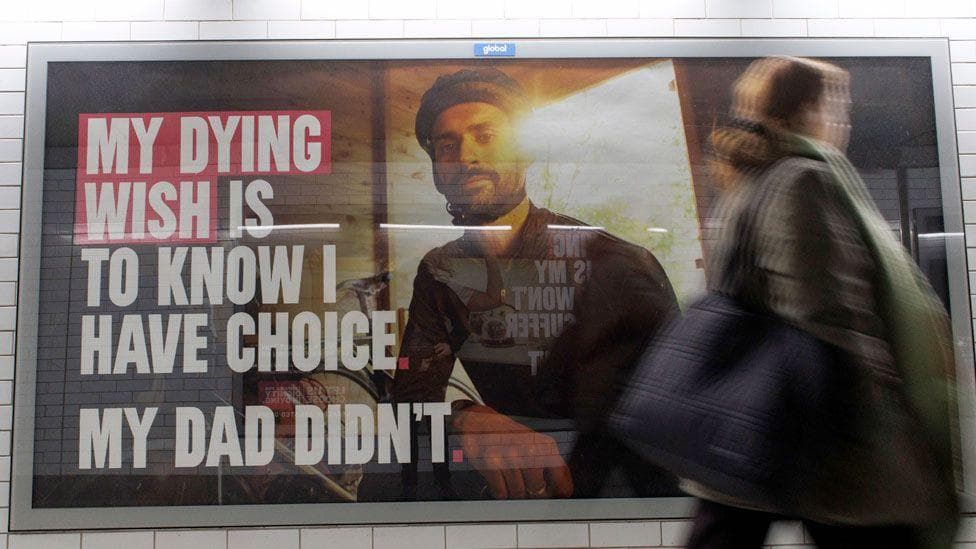
More than 300 million people now inhabit jurisdictions where assisted dying has been legalised. Since 2015, when UK lawmakers last voted on the matter, Canada, Australia, New Zealand, Spain and Austria have all enacted such legislation—some permitting assisted death for individuals who are not terminally ill. Globally, the landscape of end-of-life laws remains deeply fragmented, with most nations still prohibiting medical assistance to die.
How does assisted dying work in the United States?
Across the US, assisted dying is permitted in 30 out of 50 states, plus Washington DC. Oregon pioneered this approach in 1997 and has become the template for other American jurisdictions. The state's framework restricts eligibility to terminally ill, mentally competent adults expected to die within six months, requiring approval from two physicians. Since 1997, 5,520 people have received prescriptions for lethal medication, resulting in 3,691 deaths.
A 2025 report revealed that 61% of patients seeking assistance had cancer, 14% had neurological conditions such as motor neurone disease, and 11% had heart disease. Among the 400 patients who took lethal medication in the previous year, 89% cited loss of autonomy as a primary concern. Other reasons included losing control of bodily functions (47%), worry about burdening family and friends (43%), and financial strain from treatment (4%).
In Oregon and other permitting US states, patients must self-administer the lethal dose—the same requirement proposed in England and Wales. Notably, approximately one in three people prescribed such medication do not proceed with it. Supporters of assisted dying in England and Wales highlight Oregon's stability, noting it has remained restricted to terminally ill adults since 1997. However, critics point out that certain rules have been relaxed: a residency requirement was removed, opening access to out-of-state individuals, and the number of assisted deaths has risen substantially.
What is the "slippery slope" argument about Canada?
Canada is frequently cited by opponents of assisted dying as evidence of the so-called "slippery slope"—the concern that once legalised, assisted dying expands to encompass progressively broader populations. Medical Assistance in Dying (Maid) was introduced in 2016 for the terminally ill only. In 2021, the law was amended to extend eligibility to those experiencing "unbearable suffering" from an irreversible illness or disability. An extension to people with mental illness was planned but remains on hold.
Critics contend that widening the law places disabled and vulnerable people at greater risk. The growth in Maid usage has been dramatic: roughly one in every 20 deaths in Canada are now medically assisted, compared to approximately one in 100 in Oregon.
Which European countries permit assisted dying?
Six European nations have legalised some form of assisted dying: Switzerland, the Netherlands, Belgium, Luxembourg, Spain and Austria. Unlike proposals in England and Wales, none of these jurisdictions restrict assistance to the terminally ill.
Switzerland was the first country globally to establish a "right to die" when it legalised assisted suicide in 1942. It remains one of few nations permitting foreigners to access assistance through organisations such as Dignitas in Zurich. More than 500 British citizens have died at Dignitas over the past two decades, including 43 in the previous year. The lethal medication must be self-administered.

The Netherlands and Belgium both legalised assisted dying over 20 years ago for patients experiencing unbearable suffering from an incurable illness, including mental health conditions. Both have since extended eligibility to children—making them the only European countries to do so—and both permit euthanasia, or physician-administered dying.
Spain and Austria have more recently legalised assisted dying for both terminal illness and intolerable suffering. In Austria, patients must self-administer drugs, whereas in Spain a medical professional may administer them. Additionally, France's Constitutional Council upheld the country's assisted-dying law in August 2026, permitting assistance only for adults with a serious, incurable, life-threatening illness in an advanced or terminal stage, with constant physical or psychological suffering that is unbearable or resistant to treatment. A French court ruling also confirmed that pharmacists can invoke a conscience clause and refuse to assist with an assisted death.
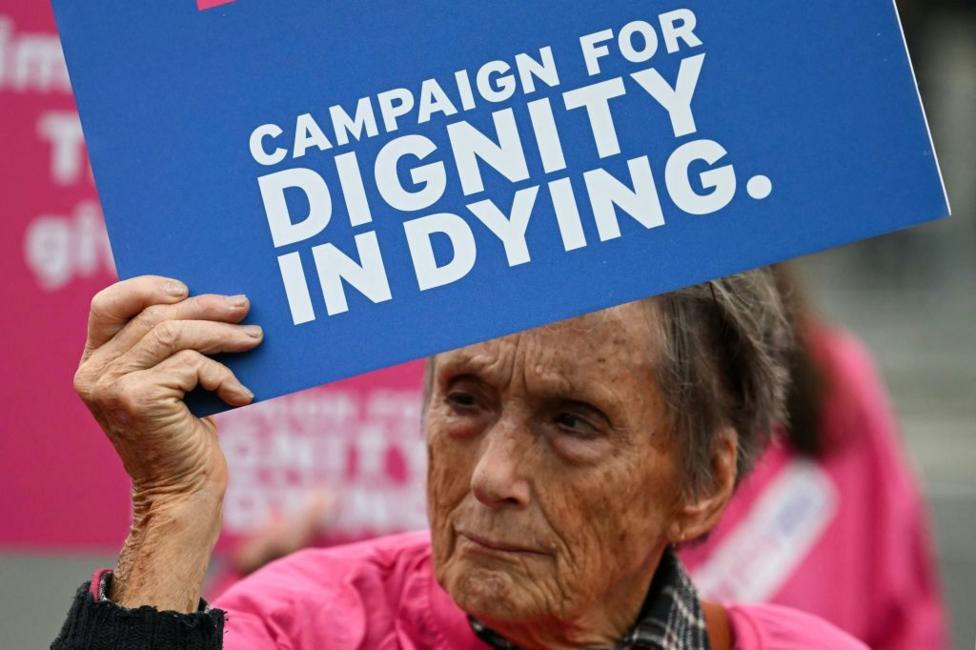
What is the status in the British Isles?
Assisted dying has already been legalised in one part of the British Isles. In July, Royal Assent was granted to legislation in Jersey. Unlike at Westminster and Holyrood, the Jersey government introduced the bill and states it will require approximately 18 months to establish the service, with the first assisted death potentially occurring late in the following year. A one-year residency requirement aims to prevent so-called "death tourism".
A distinctive feature of Jersey's legislation concerns the method by which eligible individuals may end their lives. They will be permitted to choose physician-administered lethal injection intravenously, as occurs in Spain, Canada, New Zealand and most of Australia. This constitutes voluntary euthanasia and has become the preferred method in jurisdictions offering this choice.
Proposed laws at Westminster, Holyrood and Tynwald—the Isle of Man parliament—all mandate that death occur through self-administration, typically by swallowing lethal medication. The Isle of Man assisted dying bill passed Tynwald in March of the previous year. As a UK Crown Dependency like Jersey, it required Royal Assent to become law. The UK Ministry of Justice declined this earlier in the year, but Tynwald subsequently passed an updated bill, resubmitting it to the UK government. If Royal Assent is granted, the Isle of Man anticipates the service becoming operational the following year, with a five-year residency requirement.
In England and Wales, MPs rejected a fresh attempt to legalise assisted dying on 11 September 2026, with the bill failing in the Commons. The Terminally Ill Adults (End of Life) Bill would have allowed terminally ill adults meeting specific criteria to access assistance.
What are the arrangements in Australia and New Zealand?
Voluntary assisted dying has become legal across most of Australia in recent years. In the previous month, the Northern Territory parliament became the final Australian jurisdiction to pass Voluntary Assisted Dying legislation.
In New Zealand, patients must be terminally ill and expected to die within six months. This timeframe extends to 12 months for those with a neurodegenerative condition in much of Australia. In both countries, patients may self-administer lethal medication, but it can also be administered by a doctor or nurse, typically via intravenous injection.
What happens next?
Jersey's assisted-dying law is expected to come into force the following year after registration at the Royal Court. In France, operational rollout remains pending, including doctor consultation within 15 days and a two-day reflection period before self-administration. The UK government's official bill collection remains the relevant formal record for any future reintroduction or follow-up legislative step in England and Wales.
Public opinion continues to shift on the issue. Polling in September 2026 found 68% support for assisted dying in principle, rising slightly from 66% in October 2024.
Key Facts
- Over 300 million people now live in jurisdictions where assisted dying is legal, with major expansions occurring since 2015
- Eligibility criteria vary significantly: some jurisdictions restrict access to the terminally ill, while others permit assistance for those experiencing unbearable suffering from incurable conditions
- Methods of administration differ: some require self-administration of lethal medication, while others permit physician-administered euthanasia
- Canada's rapid expansion of Maid eligibility has made it a focal point in debates about the "slippery slope" of assisted dying laws
- Jersey became the first part of the British Isles to legalise assisted dying, with implementation expected in the coming year