Alcohol-related cancer deaths across the United States have more than doubled over the past three decades, according to new research showing that consumption of even a single drink daily may elevate cancer risk. The findings reveal that the health burden extends far beyond liver disease, affecting multiple cancer types and age groups nationwide.
Researchers at Sylvester Comprehensive Cancer Center, part of the University of Miami Miller School of Medicine, examined more than three decades of Global Burden of Disease data. Their analysis, published in The Lancet Regional Health – Americas, determined that annual cancer deaths attributed to alcohol rose from approximately 11,361 in 1990 to 23,126 in 2023. According to reporting on the study, the proportion of cancer fatalities attributable to alcohol doubled among people aged 20 and over during this 33-year span.
The research connects alcohol consumption to increased mortality risk across at least 10 cancer types. These include breast, prostate, colon, rectal, stomach, pancreatic and liver cancers, along with cancers of the head and neck. Among younger adults aged 20 to 54, colorectal cancer emerged as the leading alcohol-related cancer killer for men, with the second-leading cause in women.
Older men experienced the most pronounced effects from alcohol-related cancer mortality. The alcohol-attributed cancer death rate among males aged 55 and older increased by nearly 24 percent during the study period, though researchers documented increases across most cancer types, age groups and geographic regions.
How does alcohol increase cancer risk?
Alcohol has been classified as a Group 1 carcinogen by the International Agency for Research on Cancer, placing it alongside tobacco smoke and asbestos in terms of cancer-causing potential. According to the National Cancer Institute (NCI), alcohol contributes to cancer development through multiple biological mechanisms. The NCI reported that alcohol consumption accounted for approximately 5 percent—nearly 100,000—of the 1.8 million cancer cases diagnosed in the United States in 2019, and was responsible for about 4 percent—nearly 25,000—of the roughly 600,000 US cancer deaths that year.

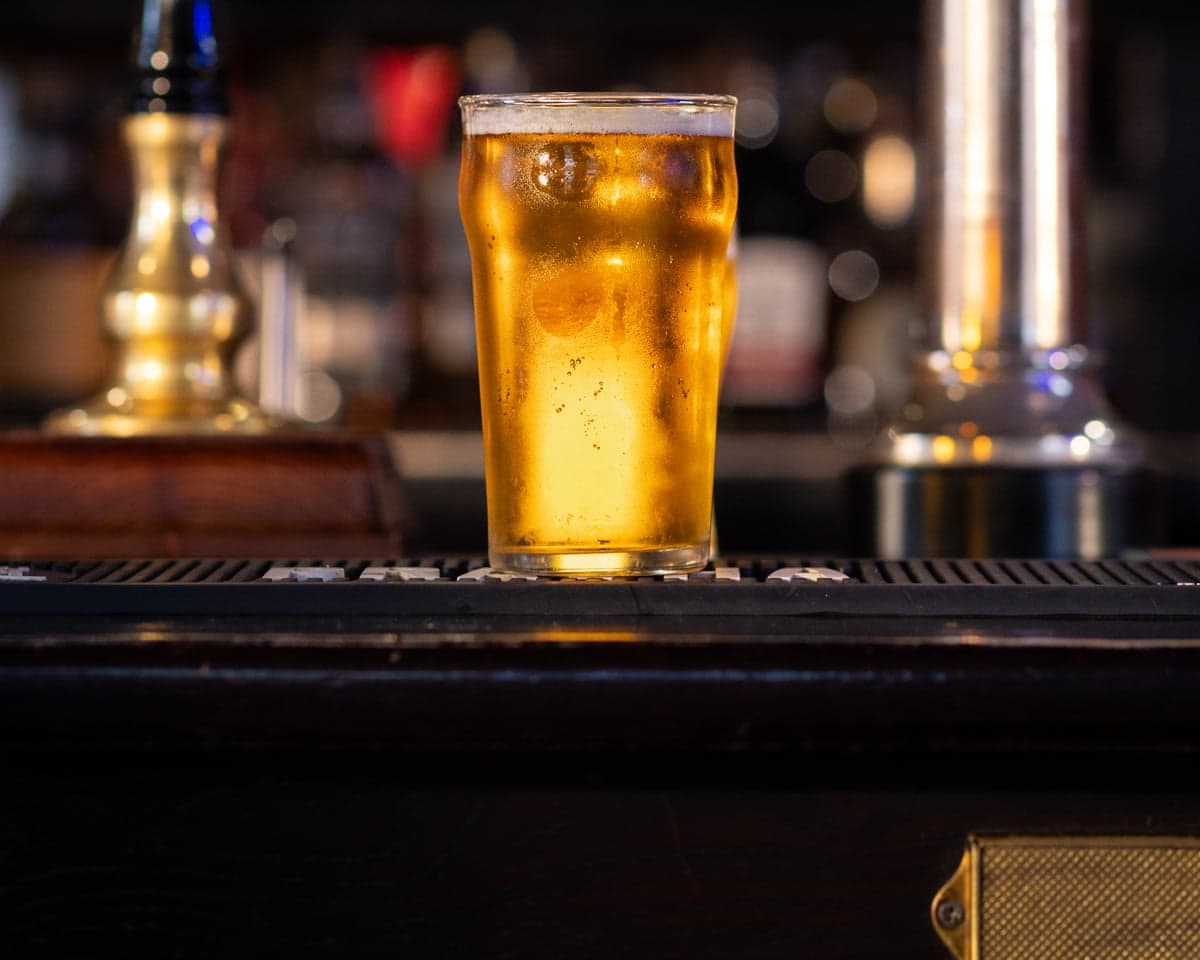
Research indicates that even modest levels of alcohol consumption can raise cancer risk. Elevated risk has been documented at intake levels as low as 5 to 15 grams per day. Since the Centers for Disease Control and Prevention (CDC) defines a standard drink in the US as containing 0.6 ounces (or 14 grams) of pure alcohol, consuming just one drink daily could increase cancer risk according to these thresholds.
Which cancers show the strongest alcohol link?
Among men, liver cancer demonstrated the strongest association with alcohol consumption, followed by esophageal and colorectal cancers. For women aged 55 and older, breast cancer represented the leading alcohol-linked cancer killer, followed by liver and colorectal cancers. The gender and age differences in cancer type distribution suggest varying biological vulnerabilities to alcohol's carcinogenic effects across demographic groups.
What policy action has followed these findings?
In January 2025, the U.S. Surgeon General issued an advisory stating that alcohol increases the risk of at least seven cancers and called for warning labels on alcoholic beverages. The advisory urged cancer warnings on alcoholic drinks, positioning alcohol as the third-leading preventable cause of cancer in the US, behind tobacco and obesity.
State-level action has begun to implement such warnings. In May 2026, Alaska passed legislation requiring cancer warnings at the point of sale for alcohol retailers, providing a model for potential expansion to other states. However, the Surgeon General's recommended warning-label changes remain a policy proposal rather than a finalized federal requirement, meaning any nationwide implementation would require further administrative or congressional action.
The 2025–2030 Dietary Guidelines for Americans, released on January 7, 2026, limited alcohol recommendations for health reasons but notably did not specifically address cancer risk in their guidance.
Key Facts
- Alcohol-attributed cancer deaths in the US rose from 11,361 in 1990 to 23,126 in 2023, more than doubling over 33 years
- Alcohol consumption at levels as low as one standard drink per day has been linked to increased cancer risk
- At least 10 cancer types show associations with alcohol, with colorectal cancer leading among adults aged 20 to 54 and breast cancer among women aged 55 and older
- The U.S. Surgeon General identified alcohol as the third-leading preventable cause of cancer and called for warning labels on alcoholic beverages in January 2025
- Alaska implemented point-of-sale cancer warning requirements for alcohol retailers in 2026, establishing a potential model for other states