Australia's online safety regulator has identified "significant gaps" in how major gaming platforms protect children, with research indicating that nine out of 10 Australian children aged 8 to 17 engage in online gaming.
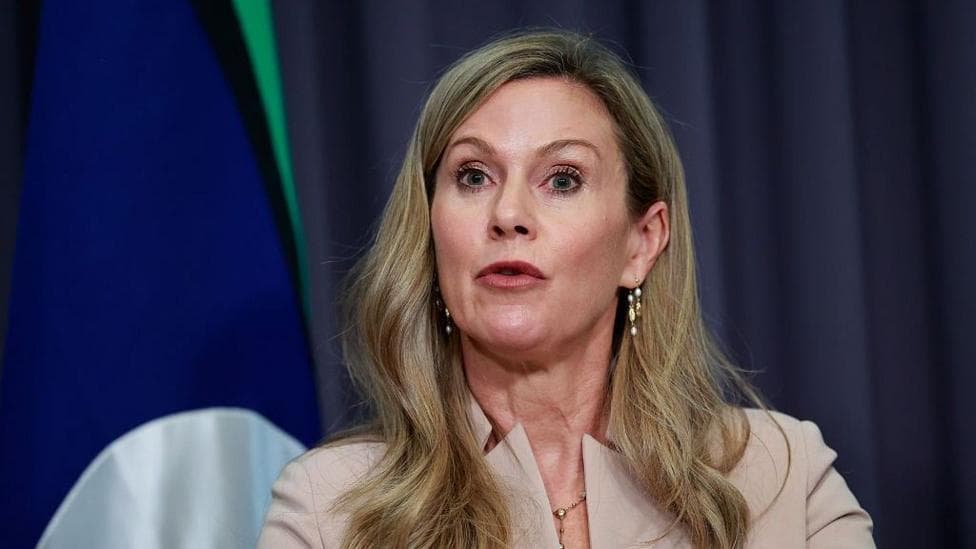
eSafety Commissioner Julie Inman Grant released findings showing inconsistent approaches across Steam, Roblox, Fortnite and Minecraft in implementing child safety measures.
Australian children have a right to play online without being exposed to predators, sexual extortionists, violent extremist content or other harmful material, Inman Grant stated.
The examination of these platforms' safety systems was conducted between 1 October 2025 and 31 March 2026, gathered under compulsory notices issued in April 2026. The findings reveal that weak protections enable predatory adults to establish contact with children before grooming them for sexual exploitation or radicalisation.
Which platforms have the weakest safeguards?
Valve, the US gaming company operating Steam and Steam Chat, emerged as the only provider that does not employ a widely-used industry technology for detecting and removing known harmful content. The platform also failed to "proactively" deploy tools to identify child sexual exploitation or violent material in chat systems, with existing mechanisms primarily targeting scams.
According to reporting on the eSafety findings, Epic Games did not share child sexual exploitation and abuse signals through the Technology Coalition's Lantern program, a cross-platform information-sharing initiative designed to combat online child sexual exploitation and abuse.
Steam also demonstrated minimal safeguards for detecting whether users banned for child sexual exploitation or violent material were returning under new accounts, whereas the other three providers used multiple indicators for this purpose.
Both Roblox and Valve relied solely on internal datasets to train language detection systems and did not regularly retrain these models, the report noted.
How do age verification systems compare?
Age verification approaches vary significantly across the platforms examined. Minecraft and Fortnite permit users to self-declare their age, which means individuals claiming to be adults can access higher-risk communication features regardless of their actual age. Steam similarly depended on user self-declaration but has recently introduced age checks using credit cards.
Roblox strengthened its age verification procedures since December 2025 and has implemented mandatory age checks as part of its safety framework. However, eSafety indicated that Steam was conducting age checks through credit cards only and that it was seeking commitments from Valve to offer additional age-assurance options.
What industry cooperation gaps exist?
The platforms demonstrated inconsistent participation in industry-wide child safety initiatives. Mojang Studios, developer of Minecraft, and Roblox both shared industry expertise in combating child sexual exploitation and violent extremism online. Valve, however, did not engage in such information-sharing arrangements.
This lack of coordination undermines efforts to identify and respond to threats that may span multiple platforms, creating blind spots in the protection of young users.
What enforcement actions have been taken?
In April 2026, eSafety issued legally enforceable transparency notices to the four providers, seeking information on their systems, staffing and measures to address grooming, radicalisation and other harms. In August 2026, eSafety accepted a court-enforceable undertaking from Roblox requiring stronger measures to protect Australian children from grooming, sexual exploitation and abuse.
Roblox stated that it "prioritises the safety of our Australian community, especially the youngest users" and has "invested heavily" in safeguards for children. The other platforms have been contacted for comment.
What comes next?
eSafety is engaging with Valve to seek commitments on additional age-assurance methods, though the report did not specify a deadline for these discussions.
We expect these services to lift their game to identify and combat serious harms such as child sexual exploitation, sexual extortion and material and activity which promotes, incites or instructs violence, Inman Grant said.
Australia has established itself as a global leader in online safety regulation in recent years, introducing a world-leading social media ban for under-16s in December 2025—which notably excluded gaming platforms—and pursuing measures to allow users to opt out of social media algorithms.
Key Facts
- Nine out of 10 Australian children aged 8 to 17 play online games, making platform safety a significant public health concern
- Steam is the only platform examined that does not use industry-standard technology to detect and remove known harmful content
- Roblox accepted a court-enforceable undertaking in August 2026 to strengthen protections against grooming and sexual exploitation
- Age verification methods range from self-declaration to credit card checks, with inconsistent implementation across platforms
- eSafety is seeking additional age-assurance commitments from Valve beyond its current credit card verification system