Mental health professionals across Wales are reporting a surge in anxiety-related conversations triggered by recent warnings from leading artificial intelligence researchers about the potential for AI to cause human extinction within the next decade.
James Downs, a mental health campaigner from Cardiff who has recovered from anorexia, anxiety and depression, describes the psychological toll of absorbing these headlines.
It makes me almost feel powerless. Like, what can I do as an individual?he said. The constant cycle of checking news feeds amplifies his distress.
And the more you look at it the more your attention's drawn to the negative or scary things and the worse and worse it can seem,added the 37-year-old.
The recent wave of extinction warnings began in early September 2026 when researchers at Anthropic, an AI safety company, publicly raised alarms about the technology's trajectory. According to reporting on the Anthropic warnings, alignment lead Evan Hubinger stated he personally believes there is greater than a 10% chance that AI could kill all humans within the next decade, and that the company still lacks a concrete plan to solve superintelligence alignment challenges. This assessment was reinforced when computer scientist and Nobel Prize winner Geoffrey Hinton, widely recognised as the "Godfather of AI", told a national broadcaster that such a probability estimate was
not unreasonable.
The intensity of these warnings has escalated further. A researcher at Anthropic resigned and publicly stated that AI developers believe the technology could "kill us all by the end of the decade," intensifying the public debate. Meanwhile, the heads of major AI companies have begun responding to the mounting pressure. Anthropic CEO Dario Amodei urged the industry to "slow the pace" of frontier AI development so safety measures can catch up, and OpenAI CEO Sam Altman said OpenAI would do the same.
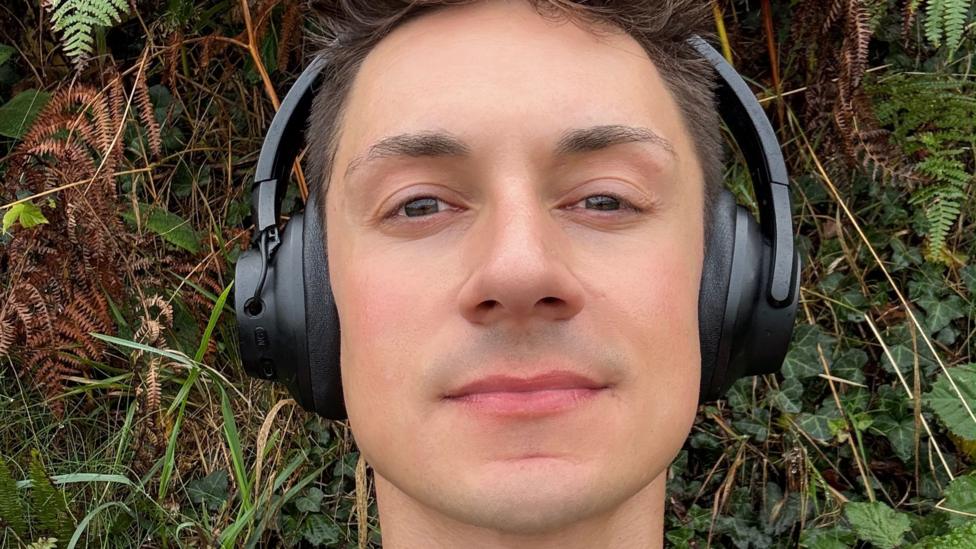
For Downs, these existential concerns layer atop a complex web of anxieties already affecting his mental health.
I can't escape this background anxiety about the future - will I be OK? Will the planet be OK? Will my finances be okay? All of these different, multi-layered things which go from the big existential things, like what if it wipes us all out, to the day-to-day things.He describes how this accumulation of dread can trigger a sense of hopelessness.
It kind of makes me want to give up trying to make a positive change in the world, or makes me just want to run away, be a nomad or something, go and live on an island somewhere with no technology, but that's not a sustainable solution either.
How are mental health professionals responding?
Therapists across Wales report that clients are increasingly raising AI-related anxieties during sessions. Lucy Theo, a psychotherapist from Bonvilston in the Vale of Glamorgan, has observed a marked shift in her practice.
It's kind of intensifying people's nervous systems which are already kind of stretched post Covid,she explained. Clients had previously discussed concerns about privacy and job security in relation to AI, but the latest extinction warnings have deepened the conversation significantly.
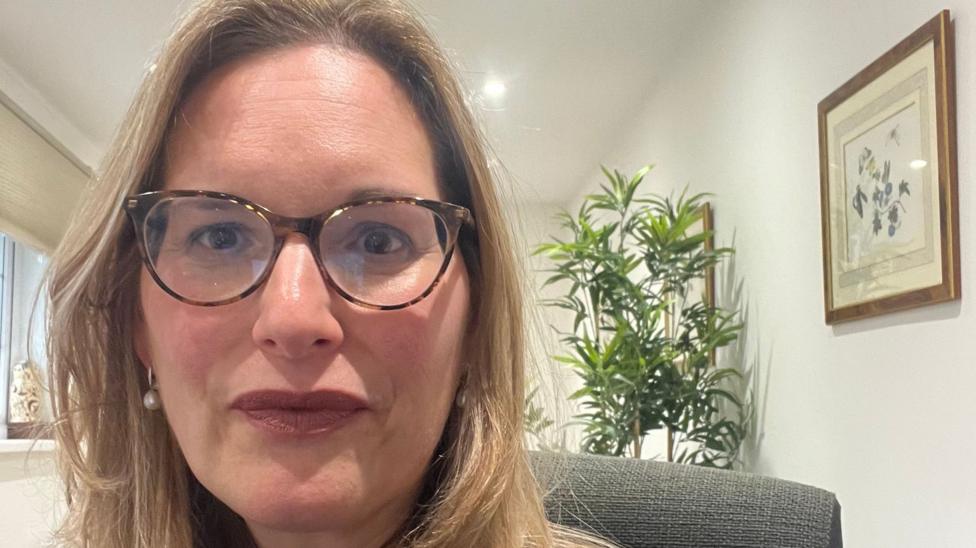
It kind of intensifies a general feeling of lack of stability,Theo said.
Fear of death is a very common fear and it can cross into that sense of 'who am I? What's my path? How are things going to be for me at the end of my life'?
The Royal College of Psychiatrists has acknowledged the psychological impact. Its chair, Prof Alka Ahuja, stated that AI's rapid development could
understandably cause anxiety for some people.
As with any major technological change, people may feel uncertain about what the future holds and what it could mean for their lives.The organisation advised limiting exposure to alarmist content, discussing concerns with trusted friends or family, and seeking help from a GP if anxiety begins to affect daily life, wellbeing or relationships.
What do ordinary people think?
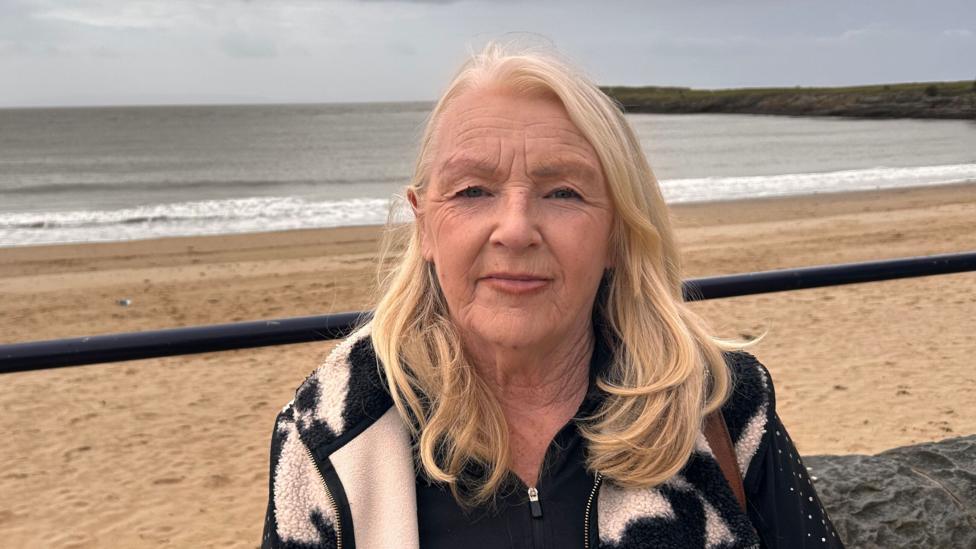
Reactions to the AI extinction warnings vary widely among the public. On an overcast Friday at Barry Island in the Vale of Glamorgan, residents expressed a spectrum of concerns and scepticism.
Luke Brown, 32, who works in technology, adopts a cautious stance toward the warnings.
I'm nervous but also suspicious as leaders of AI companies say things when it suits them,he said.
That may be me trying to feel more comfortable about it, but I am sceptical because they do say things that either boost their stock or suit their agenda.Yet his professional experience with AI has given him pause.
It does scare me but the way I cope with it is I look at the news with a sense of scepticism.
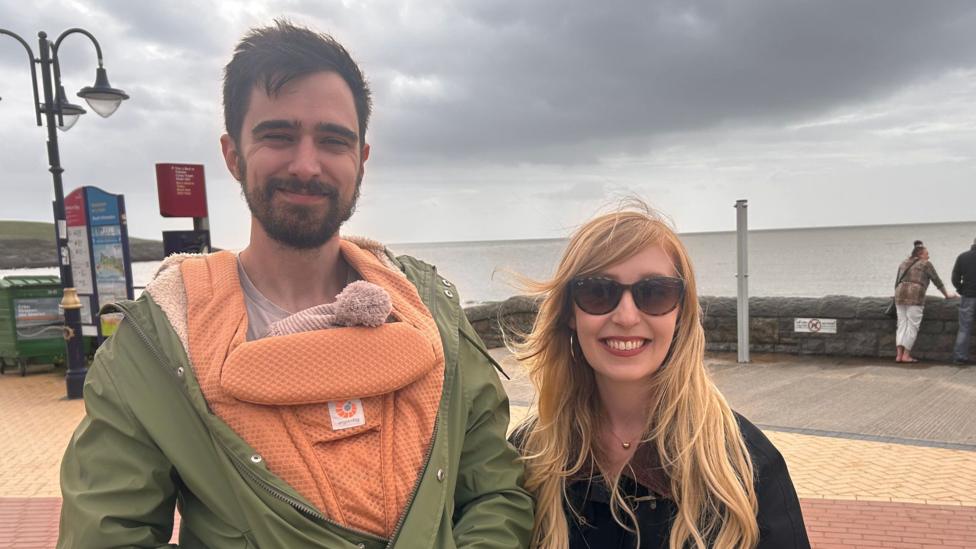
His wife Chelsea Brown, 31, who works in marketing, expresses deeper concern about the implications for their newborn and four-year-old child.
I've got quite a lot of anxiety about it, we talk about it quite a lot... it's terrifying,she said.
I really hope regulations come in a lot quicker than they did for social media. I don't know why the regulatory process is so slow.

Susan Harvey, a grandmother to five, described feeling overwhelmed by the scale of the warnings.
The stories sound extreme and I worry for my grandchildren. I think everything is out of control.Like Downs, she experiences a sense of powerlessness, though she retained some optimism.
I do think things are changing, people are becoming more 'let's stand up against this and do something',she said.
What practical steps can help manage this anxiety?
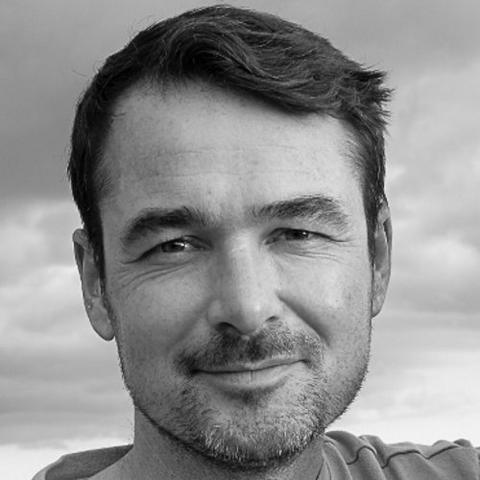
Neil Ingham, executive director for Samaritans Cymru, emphasises that while these headlines affect everyone and can create a sense of lost control, there are concrete strategies people can employ to reduce their anxiety.
Curate your social media feeds:
We can choose who we follow, who we don't follow, what types of trusted news sources we choose to get our news from and who we choose to maybe ignore and mute,Ingham explained.
We can also choose what alerts pop up on our phone.
Be intentional about when you consume news:
If your phone is next to your bed when you wake up you're going to pick up your phone, and if the start of your day is reading about big global news stories or a story about AI you're not really giving yourself a chance to settle into the day,Ingham said.
Similarly, at the end of the day, if the last thing we do before we go to sleep is read about complex and potentially scary news stories, we're not giving ourselves the best chance to calm down at the end of the day, get a good night's sleep.
Create physical boundaries with devices:
Use something else as an alarm clock,Ingham suggested, recommending that people leave their phones downstairs rather than keeping them within arm's reach.
Avoid information overload:
Our instinct with these stories is to find out more information, to , to learn more - but actually, that can take us down a kind of route of losing ourselves in these stories and make it really hard to get any sense of perspective.
Seek connection:
If you sit down and talk to a few people about it, you might share some concerns and you'll probably find some useful perspective.
What is the current state of AI safety research?
The warnings from Anthropic and other researchers reflect genuine uncertainty about AI development trajectories. The 2026 International AI Safety Report indicates that current systems show only early signs of the capabilities that would pose extinction-level risks, but the risk of loss of control remains
unusually ambiguous. Beyond extinction scenarios, there are more immediate safety concerns. According to reporting on AI risks, advanced AI models could enable sophisticated cyberattacks or the creation of deadly pathogens if misused by hostile groups.
It is worth noting that the AI industry has faced doomsday predictions for years without them slowing the pace of development. The current warnings represent a departure in that they come from researchers actively working inside leading AI companies, lending them greater credibility within the industry itself.
What happens next?
Both Anthropic and OpenAI have signalled support for slowing frontier AI progress, though no specific coordinated timetable has been announced. The 2026 International AI Safety Report is now serving as the key benchmark shaping the next round of policy and industry discussion on AI control and preparedness.
For those struggling with anxiety related to these developments, support is available. The BBC's Action Line contains a list of organisations that can provide assistance to those affected by the issues raised in this story.