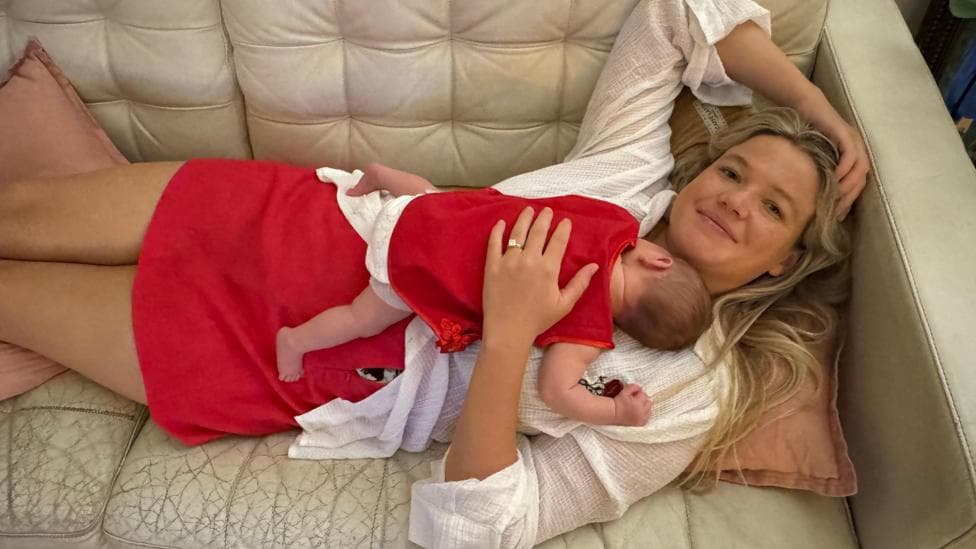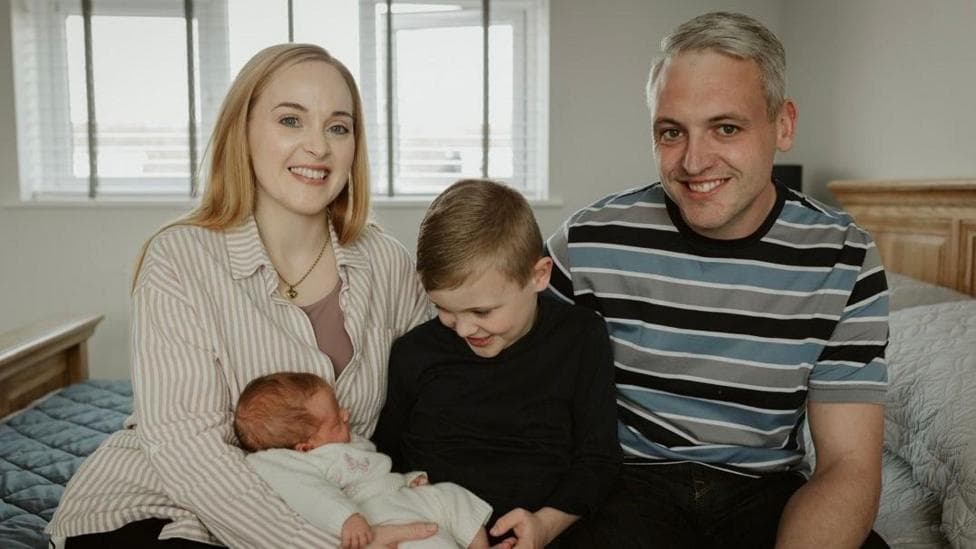
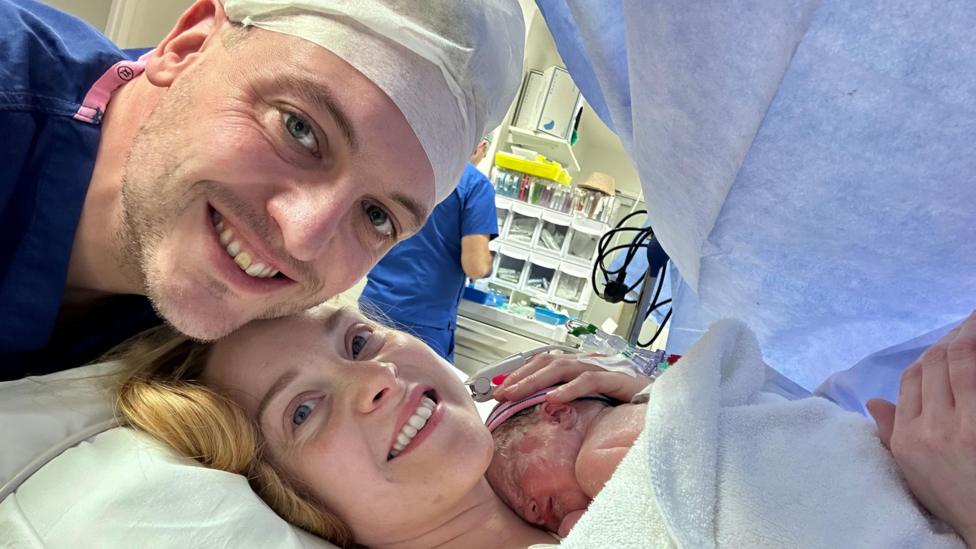
Hayley Metcalfe, 37, from Runcorn in Cheshire, delivered her daughter Hope via caesarean section in February 2026 after enduring two devastating pregnancy losses in the preceding three years. The couple's journey through repeated placental abruption—a serious complication where the placenta detaches from the womb wall—has prompted Hayley to speak publicly about her experience and encourage others facing similar grief.
Hayley and her husband Mike had welcomed their first son George in 2019 without complications. When Hayley became pregnant again in 2023, the couple felt confident about expanding their family. At 19 weeks and four days, however, Hayley sensed something had changed. An ultrasound confirmed their worst fear: their son Oscar had died in the womb.
A post-mortem examination revealed Hayley had suffered what doctors termed a silent, concealed placental abruption. According to NHS guidance, placental abruption is a serious condition where the placenta starts to come away from the womb wall and can increase the risk of premature birth, growth problems and stillbirth. Hayley was induced into labour the following day, spending nine hours in labour knowing her baby would not survive.
"It sounds awful, but when you know your baby is no longer alive, you just want it all to be over,"Hayley recalled.
"We already had so many baby things at home. I just couldn't bear to look at them. We told George that his little brother wasn't going to be coming home."
After Oscar's funeral, Hayley described how support from those around her gradually diminished while her grief remained overwhelming.
"After the funeral, the support from other people gradually faded and life simply carried on, even though I was consumed by grief."
History repeated itself
In summer 2024, Hayley discovered she was pregnant once more. The news brought conflicting emotions—hope mixed with profound fear.
"We didn't want to feel like we were replacing Oscar, but part of us still hoped we'd be able to have another straightforward pregnancy like we had with George. We were delighted - but naturally terrified."
At 17 weeks, tragedy struck again. Hayley learned she had lost this pregnancy as well, with another placental abruption diagnosed.
"I was still grieving Oscar and now our baby boy Leo was gone too,"she said.

Finding specialist support and answers
Desperate for understanding, Hayley began researching her condition and discovered Tommy's Rainbow Clinic in Manchester—a specialist service supporting women and families who have experienced stillbirth or neonatal death in previous pregnancies. When she became pregnant again in 2025, the clinic identified a critical problem: blood flow from her placenta to the baby was compromised.
From six weeks of pregnancy, Hayley began a daily regimen of blood-thinning injections and aspirin. Tommy's notes that if placental abruption occurs after 34 weeks, birth is usually recommended immediately, and severe cases may require emergency caesarean section. This medical intervention represented a significant shift from her previous pregnancies, offering a concrete plan to protect her baby.
"I was terrified throughout the pregnancy. Every single day I thought the baby was going to die. The further along I got, the more I felt there was to lose, because I already knew exactly what losing a baby felt like."
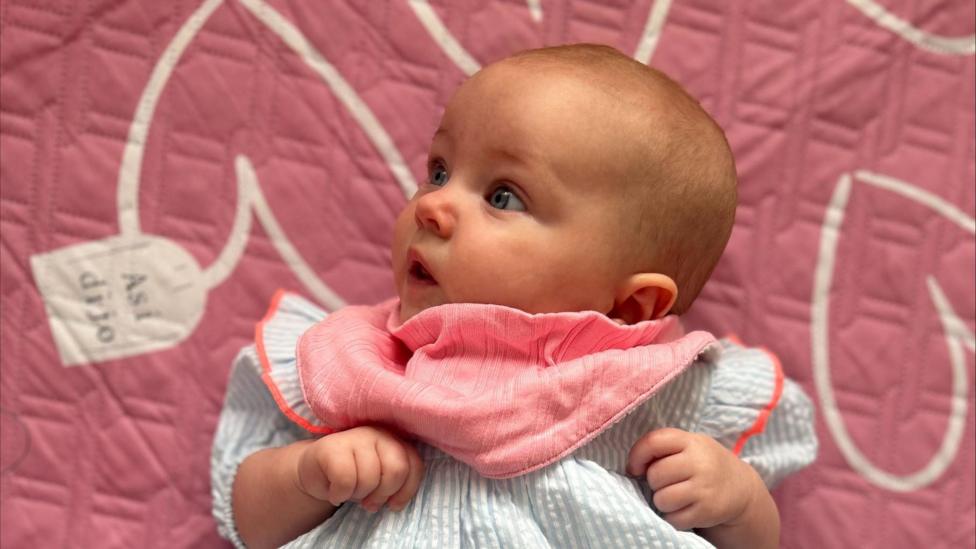
On 27 February 2026, Hope entered the world at St Mary's Hospital in Manchester.
"Hope let out her first cry and I burst into tears. Everything was finally going to be okay."
A message of hope after loss
The choice of her daughter's name carried profound meaning for Hayley.
"Naming our miracle daughter Hope felt right after everything we've been through to bring her safely into the world. We will always carry the grief of losing Oscar and Leo with us, but Hope is living proof that even after the darkest of storms, rainbows can break through."
Hayley's experience underscores why understanding placental complications matters in maternity care. Placental abruption is defined as partial or complete detachment of the placenta before delivery, which can threaten both parent and baby, making early recognition and specialist management critical.
Speaking about her journey, Hayley emphasised the importance of hope for others navigating similar losses.
"The road after baby loss is never easy and trusting again can feel impossible. But I want people to know there can still be hope."Her willingness to share her story reflects broader efforts to support families affected by pregnancy loss, with services like Tommy's Rainbow Clinic providing specialist care that can make a tangible difference in subsequent pregnancies.
Key Facts
- Hayley Metcalfe experienced two consecutive placental abruptions in 2023 and 2024, losing pregnancies at 19 weeks and 17 weeks respectively.
- Specialist care at Tommy's Rainbow Clinic identified blood flow problems in her third pregnancy and prescribed daily blood-thinning injections and aspirin from six weeks.
- Her daughter Hope was born safely via caesarean section on 27 February 2026 at St Mary's Hospital in Manchester.
- Placental abruption is a serious condition that can increase risks of premature birth, growth problems and stillbirth if not managed appropriately.