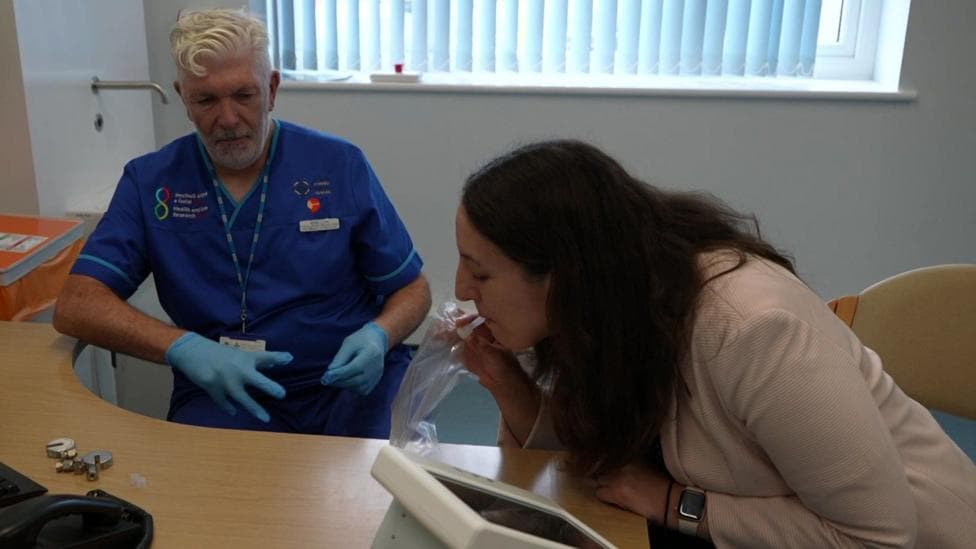
A rapid breath test capable of identifying pancreatic cancer is now undergoing a major clinical validation across the United Kingdom, with Wrexham Maelor Hospital among the participating sites. The test requires patients to breathe into a tube for just 30 seconds, with results available within days, offering hope for earlier detection of a disease that kills half its victims within three months of diagnosis.
Pancreatic cancer remains the deadliest common malignancy, claiming approximately 530 lives annually in Wales alone. The disease presents a diagnostic challenge because its symptoms—back pain, indigestion, weight loss and changes to bowel habits—are vague and easily mistaken for other conditions. As a result, 80% of cases go undetected until the cancer has already spread beyond the pancreas, making surgical intervention impossible in most patients.
The trial, known as VAPOR2, is recruiting 6,079 patients across approximately 40 hospitals in England, Scotland and Wales, with an estimated completion date of 1 August 2028. Pancreatic Cancer UK, which invested more than £1.1 million in developing the test at Imperial College London, has described it as potentially
the most significant step toward a lifesaving-breakthrough in 50 years.
The research programme is led by Professor George Hanna at Imperial College London. Beyond pancreatic cancer, the broader Imperial initiative aims to develop a single breath test for several gastrointestinal cancers, including gastric, oesophageal, liver and colorectal malignancies.

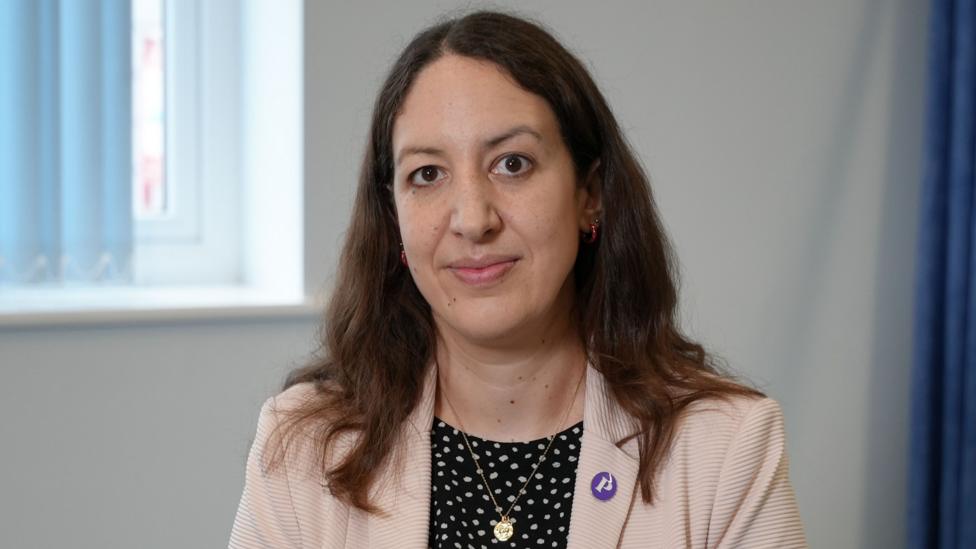
Louise Dale, from Gresford, has become an advocate for the trial following her mother Carol Purchase's death from pancreatic cancer at age 69. Purchase's stomach issues, which began in early 2023, were initially attributed to stress and anxiety. She received her pancreatic cancer diagnosis approximately one year later, but by then the disease had progressed beyond the point where surgery was possible. Dale believes an earlier detection tool could have changed the outcome.
She may well have got that CT scan earlier... maybe it would have saved her life, Dale said. Though the test came too late for her mother, she expressed gratitude that the trial had reached north Wales, hoping it would eventually become widely available to prevent other families from experiencing similar loss.
How does the breath test work?
The technology detects volatile organic compounds (VOCs) present in a patient's breath. People with cancer produce different types of these compounds, and the specific combinations are identifiable through analysis. By isolating unique VOC signatures, doctors can quickly identify individuals likely to have pancreatic cancer.
The test is designed to be accurate, non-invasive and suitable for use in primary care settings such as GP surgeries or pharmacies. Breath samples can be collected in as little as 30 seconds, with test results typically available within a few days. Imperial is assessing how to introduce the breath test into primary care settings, making it accessible beyond hospital environments.

Why is early detection so critical?
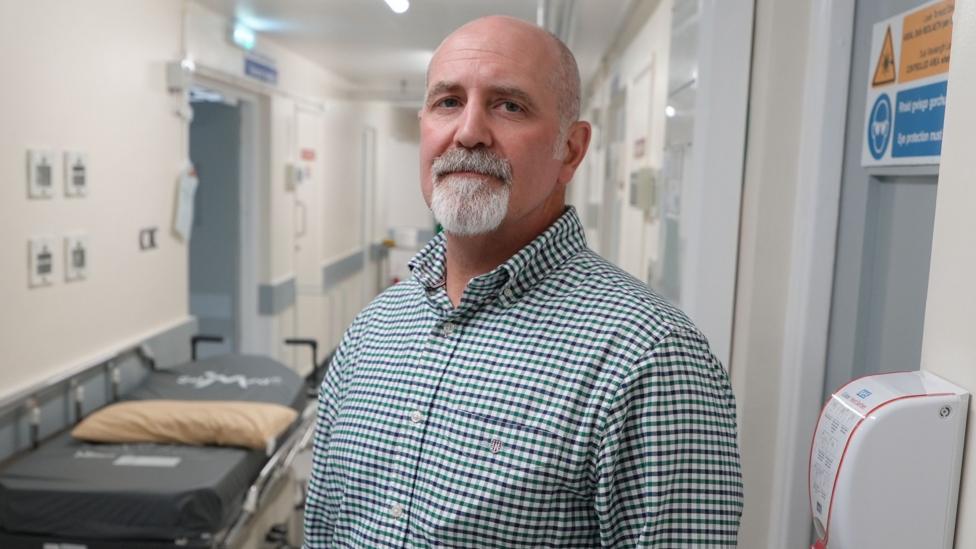
Currently, surgery remains the only realistic chance of cure for pancreatic cancer, but it can only be performed in approximately 10% of cases because most patients present with advanced disease. Duncan Stewart, consultant surgeon at Wrexham Maelor, emphasised that earlier detection would be
absolutely keyto expanding treatment options.
Anything that we can do... to bring that lead time down, so that we can make a diagnosis at an earlier stage, should, hopefully, open up a far greater number of treatment options, Stewart explained.
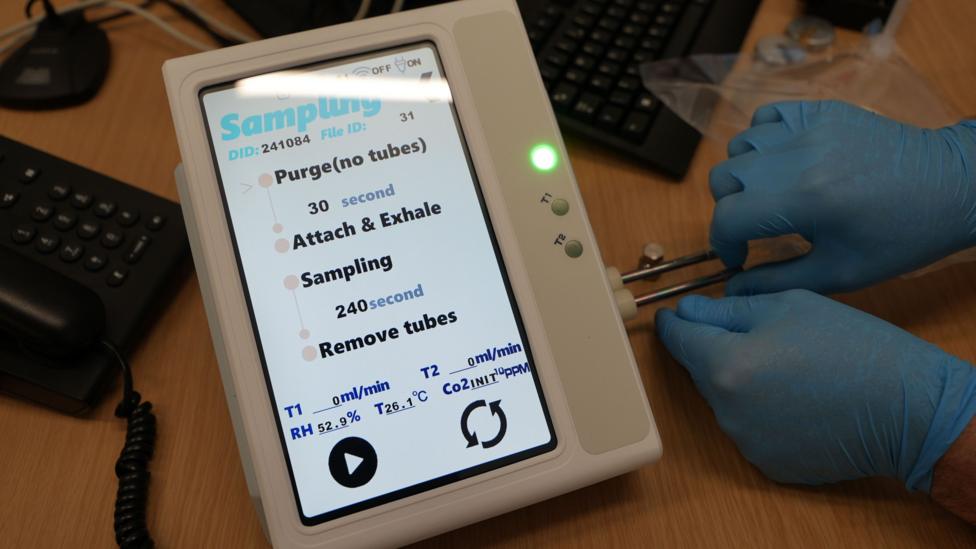
The trial operates through the NHS Urgent Suspected Cancer Pathway, meaning participants are people already referred for further investigation because of suspected cancer symptoms. This approach allows researchers to test the breath test's accuracy in identifying pancreatic cancer among patients with non-specific symptoms that could indicate various conditions.
Dr Katherine Free from Pancreatic Cancer UK noted that symptom ambiguity represents one of pancreatic cancer's major challenges.
The symptoms are very vague. It's things like indigestion, back pain, changes to your poo, weight loss. So they could be pancreatic cancer, but they could also be lots of other different conditions as well, she said. If the clinical trial demonstrates that the breath test can accurately detect pancreatic cancer, it could become
a game changerfor patients across the UK.
The breath test machine is small and portable, and it is anticipated that routine use could begin in approximately five years, pending successful trial completion and regulatory approval.
Background on diagnostic delays in cancer care
This trial reflects broader concerns about cancer detection timelines in the UK. A Highland GP practice was recently told to apologise after a health watchdog found an unreasonable delay in recognising pancreatic cancer symptoms in a patient who died weeks after diagnosis, highlighting the consequences of diagnostic delays in this disease.
What happens next
Recruitment into the VAPOR2 trial is expected to continue until 1 August 2028. The study team is inviting healthcare professionals to contact the trial manager about opening additional sites across the UK. Once the larger validation study is complete, Imperial will move toward assessing the pathway for NHS implementation, though this remains contingent on the trial demonstrating the test's clinical effectiveness and cost-benefit profile.
Key Facts:
- Pancreatic cancer kills approximately 50% of patients within three months of diagnosis, making it the deadliest common cancer
- The VAPOR2 breath test trial is recruiting 6,079 patients across 40 hospitals in the UK, with completion expected by August 2028
- The test detects volatile organic compounds in breath within 30 seconds, with results available in days
- Currently, surgery is the only realistic cure option but can only be performed in about 10% of cases due to late-stage diagnosis
- Pancreatic Cancer UK invested more than £1.1 million in the test developed at Imperial College London