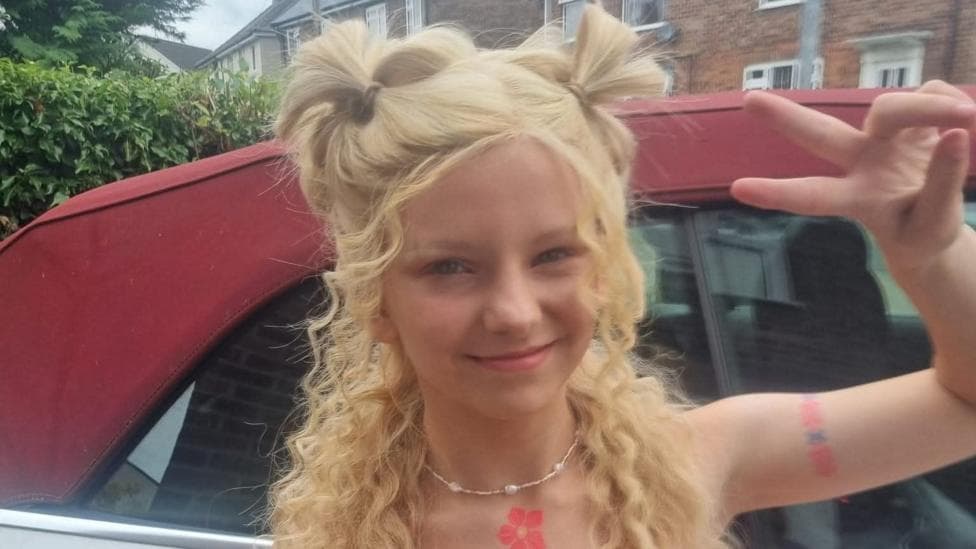
Kizzi-Rae, aged 13, was born with a rare condition that prevents normal hair growth. Since she was three years old, she has relied on specialist wigs funded through the NHS to help her feel confident and maintain her mental wellbeing. However, a healthcare service review has dramatically reduced her annual wig provision, leaving her family facing a funding shortfall of £2,300 per year.
The teenager's mother, Ceri, explained that Kizzi-Rae's hair
grows like fluff and then disappears, requiring two specialist wigs annually at £1,250 each. For a decade, the family received NHS vouchers covering this cost through Salford Royal hospital's dermatology service. Following a review that transferred out-of-area patients back to their local healthcare providers, Kizzi-Rae was moved to Wrexham Maelor hospital in the Betsi Cadwaladr University Health Board area. Under the new arrangement, she is eligible for only two £100 vouchers per year—a reduction that has created a significant financial burden.
According to reporting from 10 September 2026, the family's case has drawn attention to broader inconsistencies in how different NHS trusts fund wig provision. NHS guidance states that free wigs or fabric supports are available for people under 16, those aged 16-18 in full-time education, some hospital inpatients, and people on qualifying benefits or low-income support, yet entitlement rules differ significantly between providers.
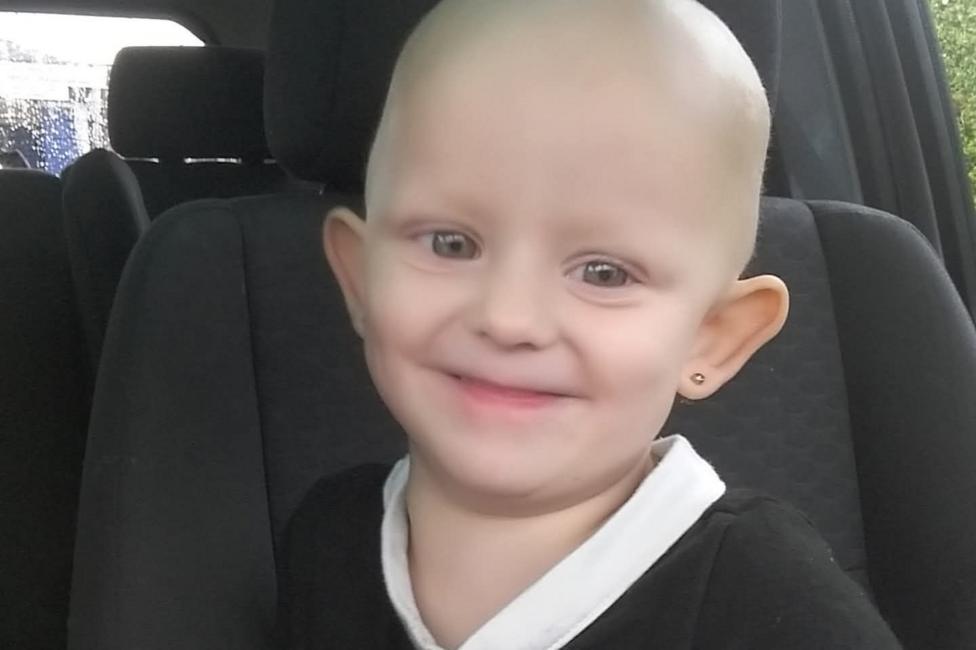
How did Kizzi-Rae's condition develop?
Kizzi-Rae's hair loss was first investigated when she was three years old after her mother noticed she was not developing hair normally.
At first we just thought she was late growing hair, but when she was three I mentioned it to a doctor and they referred her onto Wrexham Maelor Hospital, Ceri recalled. The initial appointment was striking:
It was quite scary because around five nurses and doctors come in to have a look at her, and that's when I began to think that something must be seriously wrong. But they just said they hadn't seen it before.
She was subsequently referred to a dermatology specialist at Salford Royal, where further investigations took place.
They were still baffled and took pictures of her head, and said we will just see how it goes as she was still so little, Ceri said. Over the years, Kizzi-Rae has undergone genetic testing and scalp inspections, but remains without an official diagnosis despite more than a decade of specialist assessment.
Why are the specialist wigs so important?
The wigs are far more than a cosmetic choice for Kizzi-Rae. Ceri emphasised that
the wigs help Kizzi feel like she is the same as everybody else. They give her confidence and help her mental health. She won't leave the house without them.At 13, appearance and peer acceptance are particularly significant developmental concerns.
It's incredibly difficult for her especially at the age she is, with teenager hormones and everything. Appearance and things like hair are everything to teens, Ceri explained.
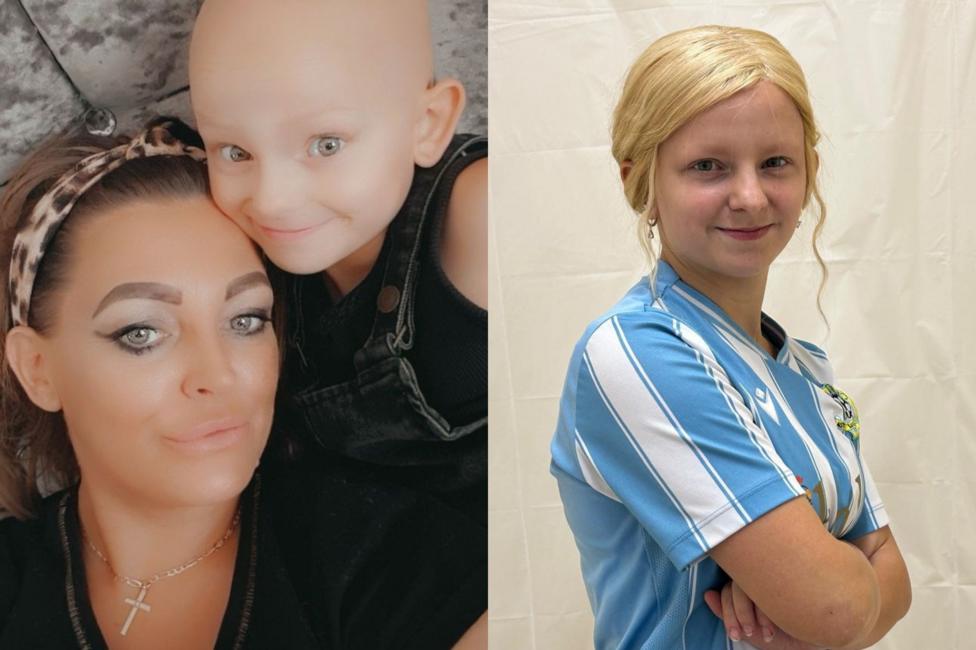
The specialist wigs, typically blonde, are custom-fitted because Kizzi-Rae's head is unusually small.
Because Kizzi's head is so small, you can't just buy any wig off the internet, we have tried.The family sources them from Aderans Trendco, a specialised wig salon in Manchester. Ceri carefully manages the replacement schedule, ensuring a fresh wig is ready for the start of the school year in September and another around January.
Ceri described her daughter's personality as multifaceted:
Kizzi is caring, fun and kind. She is football crazy and can be the biggest tomboy sometimes, but she also likes her nails and girly things as well. Every little girl wants their hair.The wigs allow Kizzi-Rae to participate fully in school and social activities without the distress of unwanted attention.
What impact has the funding cut had on the family?
The reduction in NHS support has created immediate practical and emotional challenges. Kizzi-Rae's current wig was old, shedding, and needed urgent replacement. With the school year approaching and Kizzi-Rae due to start Year Nine in September, Ceri worried that without a new wig, her daughter would refuse to attend school.
She won't go to school if she doesn't have it and if she doesn't go to school, I'm worried I will get fines and it'll just open up another can of worms, she said.

The financial pressure on the family is substantial.
With the cost of living as it is, putting food on the table each week is hard enough, Ceri said. Facing the £2,300 annual shortfall, she set up a GoFundMe fundraiser, which raised £1,068.
Friends and family have been amazing. Kizzi's a keen footballer, so the football groups and parents have been sharing it too. It's been overwhelming. People are so kind, she reflected.
The fundraiser also attracted the attention of Tim Holt, owner of Holts Orangeries and Conservatories, who sponsors Kizzi-Rae's football team, Aston Park Rangers Girls. He donated £1,200, which covered the cost of a wig for the start of the school year. However, Ceri remains deeply concerned about the family's long-term financial sustainability and the broader implications of the funding change.
What do the health boards say?
Betsi Cadwaladr University Health Board declined to comment on Kizzi-Rae's individual case. However, Teresa Owen, deputy chief executive and executive director of Allied Health Professions and Health Sciences at the health board, provided context on wig funding policy. She stated that cancer and dermatology patients receive £200 in wig vouchers annually, which is
only possible thanks to the donations the charity receives from the public.
Northern Care Alliance NHS Foundation Trust, which operates Salford Royal hospital, explained that the service review was designed to transfer patients' ongoing wig provision to their local health providers,
helping to ensure care is delivered closer to home. The trust acknowledged that
arrangements for wig provision may differ between hospitals, as each organisation operates its own pathways and funding arrangements. Patients will be guided towards the most appropriate local service to support their ongoing needs.
According to NHS England's current wig charges, a stock modacrylic wig costs £80.15, a partial human hair wig £212.35, and a full made-to-order human hair wig £310.55—figures that illustrate why specialist custom wigs for children with specific needs can far exceed standard NHS provision. The inconsistency in funding between trusts reflects a longstanding issue in Wales; a 2018 report noted that several Welsh health boards funded two wigs per person annually, showing that this debate has been contested for years.
What is Ceri's broader message?
Ceri has become an advocate for greater awareness of the challenges families like hers face.
We live in a cruel world, and people stare and say things, she said, adding that
we would much rather people come over and ask rather than just stare. Everyone's different, and you just don't know what someone else is going through.
As a mum, it's hard to watch a child be different and go through things that other kids don't have to go through. It can be heartbreaking sometimes.She expressed frustration at the sudden change in support:
I felt angry at the fact they can just pick her up and drop her like that.
Ceri is calling for systemic change.
I just want the people who are in charge of health boards and the government to look at things like this that are a massive thing in a child's life. They need to be more aware of the struggles people have, and I want to get this issue raised in government.She has ambitious plans for the future:
Eventually I want to start a charity to help other little girls like Kizzi that are in the same difficult position as us. For kids these days, it's hard enough growing up in this world we live in without the added pressure of this.
What happens next?
According to reporting from the Manchester Evening News, the family's concerns have been reviewed by the hospital's patient advice and liaison team, with direct contact to follow. Betsi Cadwaladr University Health Board confirmed that Kizzi-Rae's family has contacted the People's Enquiry and Resolution Service (PEARS), and the team is reviewing the concerns raised.
The case highlights broader questions about equity in NHS wig provision and how service reorganisations can unexpectedly affect vulnerable young patients. As Kizzi-Rae prepares for Year Nine, the outcome of the health board's review will be crucial in determining whether she can continue to access the specialist wigs that have been central to her confidence and wellbeing for the past decade.