Impact of Stoat Eradication on Orkney Wildlife
Efforts to eradicate invasive stoats from Orkney have positively influenced the native vole population and birds of prey, according to a recent report by the Orkney Native Wildlife Project.
The report indicates that vole activity in spring 2025 reached its highest level since 2019, the year when the initiative to protect native species from non-native stoats commenced.
Additionally, the report highlighted an increase in breeding attempts by rare hen harriers and short-eared owls, both of which depend on voles as a primary food source, compared to data from six years prior.
Conservationists described the results as "fantastic," emphasizing the positive effects of removing invasive stoats from Orkney, where these predators posed a significant threat to native wildlife.
Background on the Stoat Eradication Program
The stoat eradication project is managed by the Orkney Native Wildlife Project, a collaboration among RSPB Scotland, NatureScot, and Orkney Islands Council.
Stoats, native to mainland Britain but not to Orkney, were first detected on the islands in 2010.
Conservationists have warned that stoats could severely impact wildlife populations, including the unique Orkney voles.
Evidence of stoat predation includes individual food caches containing approximately 100 Orkney voles found on the islands.
Since 2019, over 8,500 stoats have been removed using humane lethal traps and Europe's first stoat detection dogs.
Monitoring Vole Activity
The recent monitoring report assessed Orkney vole populations by searching for indicators such as droppings and grass clippings.

Across 22 surveyed sites on the mainland and surrounding islands, vole signs were detected in one-third of the 1,082 small survey squares examined.
Monitoring also revealed high vole activity during the autumn season.
Benefits to Birds of Prey
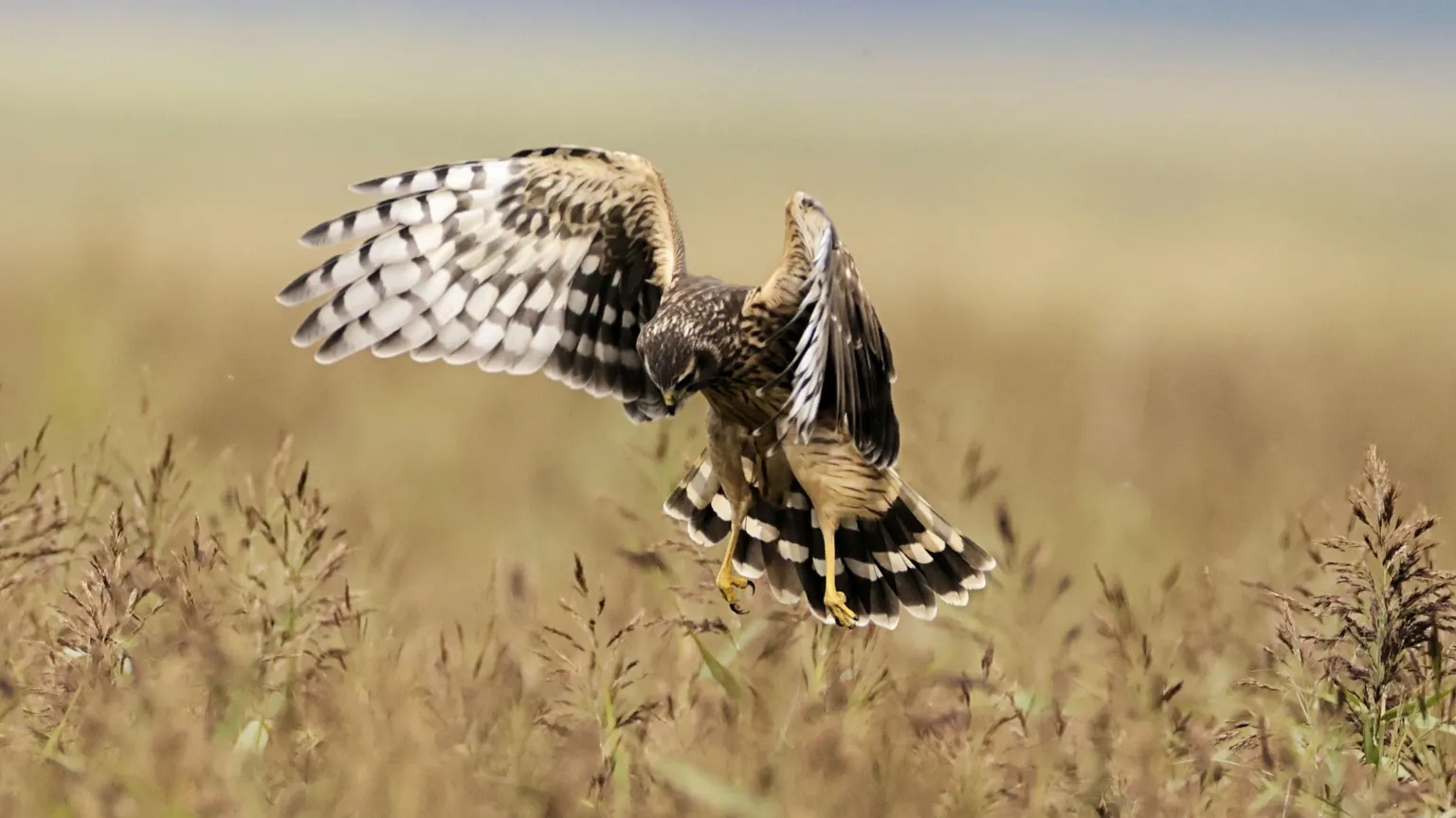
Hen harriers, among the UK's rarest birds of prey and a species with a strong breeding presence on the islands, have also benefited from the stoat removal efforts.
In 2025, volunteers from the Orkney Raptor Study Group (ORSG) documented hen harriers breeding at 74 locations on islands with stoats, marking the best year for the species since 2012.
Despite wet weather causing a high number of chick mortalities, it is estimated that approximately 60 chicks fledged from monitored nests.
Short-eared owls were confirmed at 55 sites on islands with stoats during the breeding season, with breeding confirmed at 16 locations and nests found at an additional six sites.
The conservation team noted a continued increase in breeding sites for short-eared owls since 2019, coinciding with the start of the stoat removal program.
Both hen harriers and short-eared owls depend on Orkney voles to feed themselves and their chicks. The abundance of voles is strongly correlated with breeding attempts and success rates for these birds.
Expert Commentary
"It's fantastic to see the continued positive impact that removing stoats from Orkney is having on our native wildlife.
Hen harriers are one of the most fascinating species we monitor, as well as being one of the rarest birds of prey in the UK, so it's excellent to see that their numbers are increasing.
Orkney voles are found nowhere else in the world and are the species that is probably most threatened by the arrival of stoats, so to see historically high rates of vole activity is very encouraging."
— Matt Marsh, monitoring officer for the Orkney Native Wildlife Project
"The Orkney Native Wildlife Project is showing that we can halt and reverse species declines if we take action to address the threats wildlife is facing.
Invasive non-native predators are a significant threat to much of the iconic wildlife found on Scotland's islands.
However to give species like the Orkney vole their best chance, removing invasive non-native species like stoats from islands is essential."
— Anne McCall, director of RSPB Scotland