Record-low water levels on the Danube have exposed a fabled riverbed boulder in Budapest, wiped out large portions of Hungary's harvest and left thousands of households short of drinking water. A reporting team travelled more than 100 miles (160km) along the river's banks, visiting villages and towns where residents are rationing supplies and farmers are watching their fields turn to dust.
What is the 'Rock of Starvation' and why does it matter?
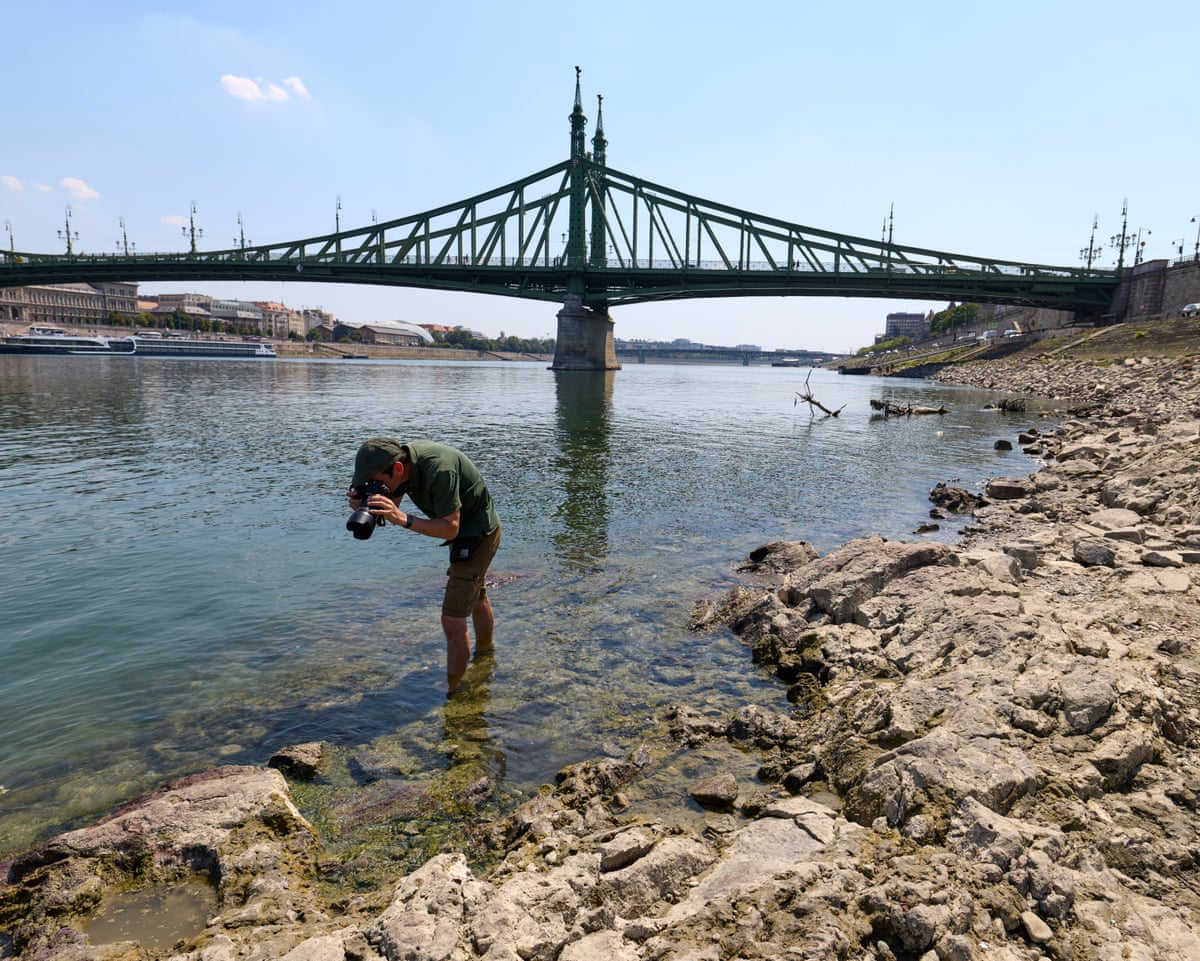
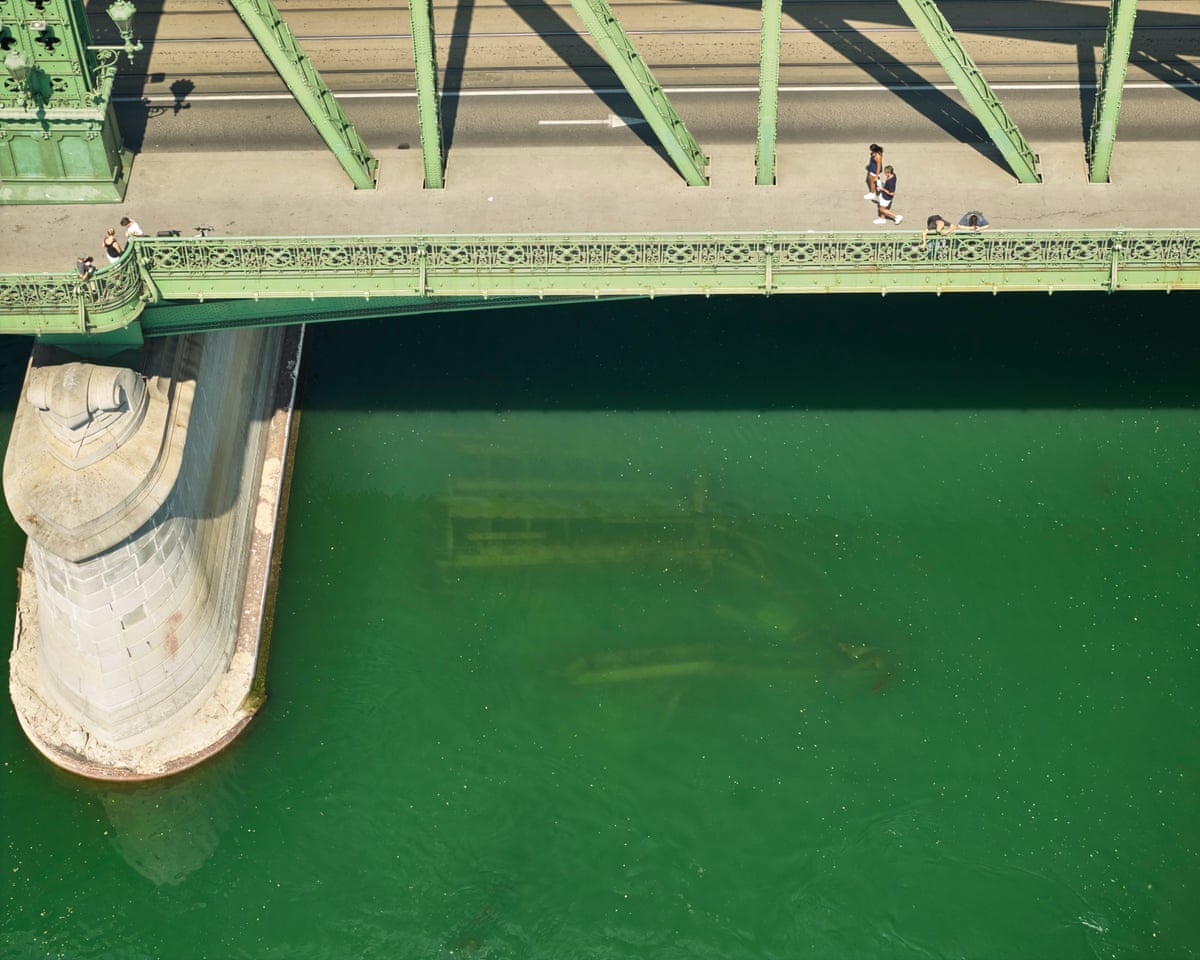
For generations, a boulder beneath Gellért Hill in Budapest has served as an omen. Whenever the Danube fell low enough for the stone to break the surface, it signalled that floating mills could no longer turn, that crops were likely failing, and that hunger would soon follow. Locals came to call it the Rock of Starvation.
This year the boulder has not merely emerged but surfaced almost entirely, exposing the sandy riverbed beneath it and drawing geologists and government scientists to examine the phenomenon. As if fulfilling the old warning, Hungary is now grappling with an energy crisis severe enough to force emergency measures for the first time in 44 years.
How badly has the drought hit farmers?
Hungary's prime minister, Péter Magyar, said last week that the economic toll of this year's drought is expected to exceed that of the historic dry spell which crippled the country's farmland in 2022.
István Somogyi, a 56-year-old farmer in Pócsmegyer, a village on the Danube in Pest County, has already tallied his own losses.
"I've lost nearly 50% of my harvest this year and it could go up to 70%," he said. "It's gone. Everything has dried up. Since I started farming this land after the end of communist rule, I've never seen a catastrophe like this."
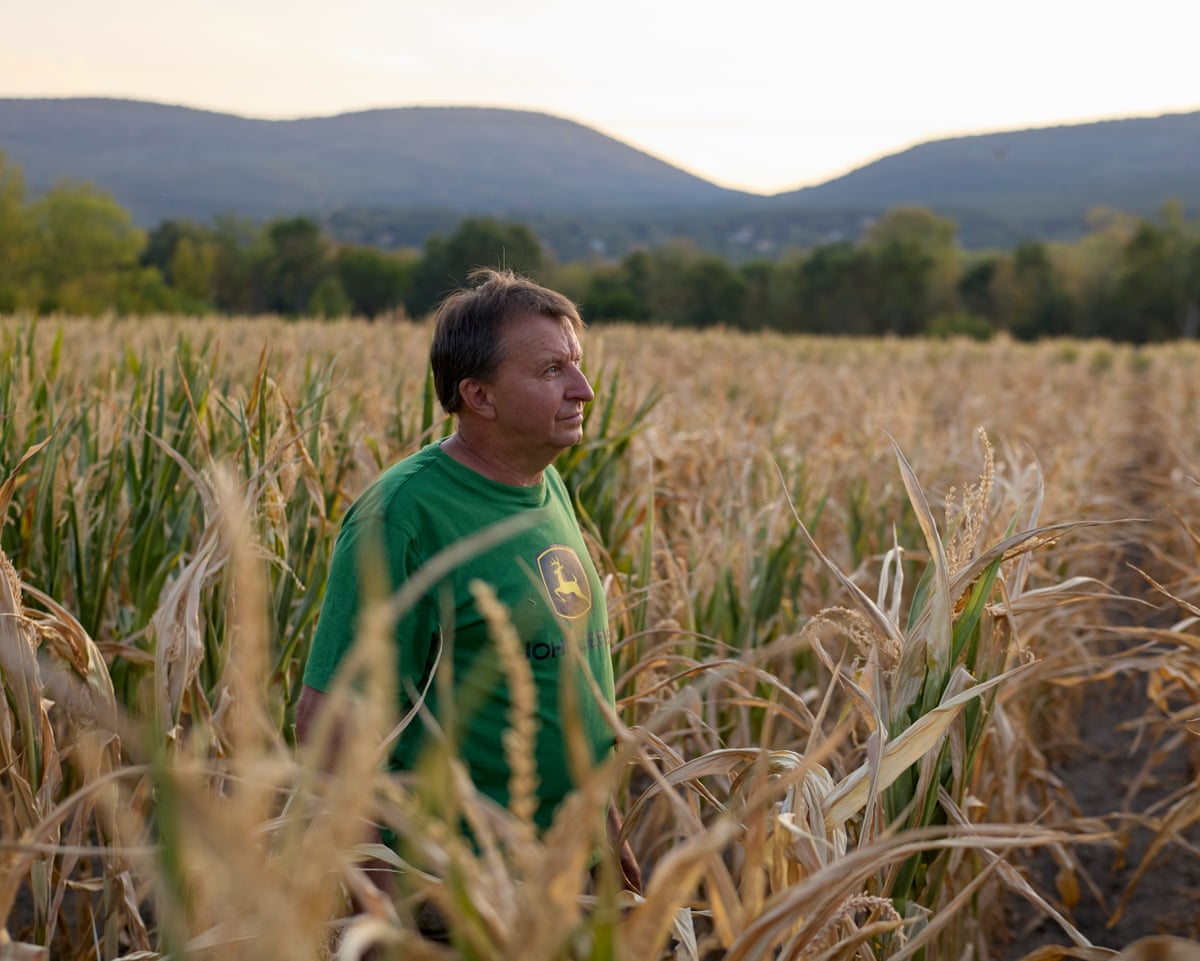
Somogyi said the scale of the crisis had not appeared without warning, pointing to earlier heatwaves and droughts as signs of what was coming. Scientists have established that human-caused climate breakdown is intensifying heatwaves worldwide and making them more frequent.
"You could see this coming," he said. "The harvest was already poor last year. But we were lucky because the Danube stayed high. Despite the intense heat, there was still enough water in the soil. This time, there is no hope of saving our crops."
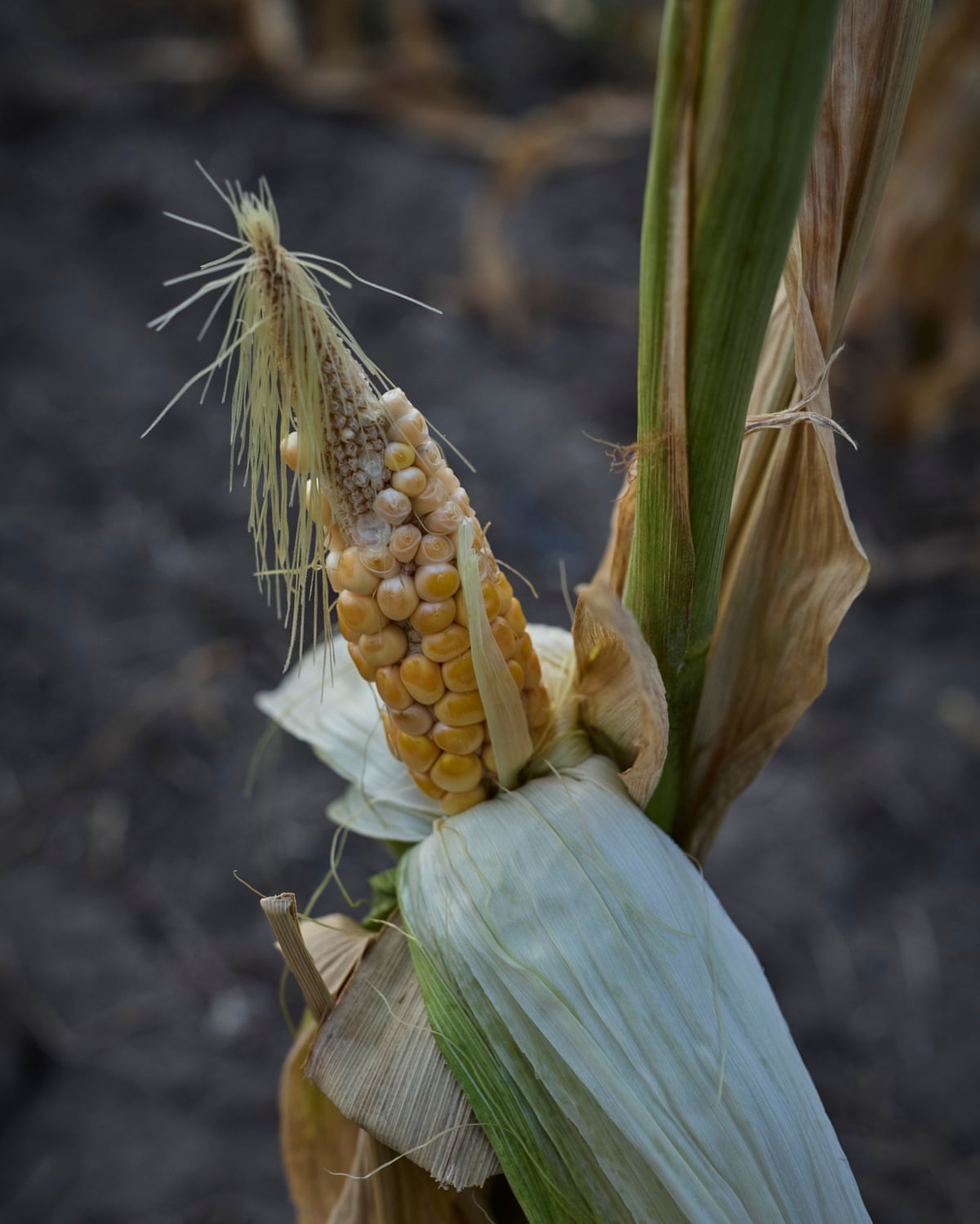
Along the near-empty roads that trace the riverbank, families with children sought relief in the Danube's shallow water while military tankers drew supplies from rural wells nearby, ferrying them to storage pools that feed the local grid.
What is unfolding in Szentendre and Budapest?
Across the river from Pócsmegyer sits Szentendre, a town known for its artistic community. During the harshest stretches of the heatwave, some evening performances there have been staged by candlelight to cut electricity use.
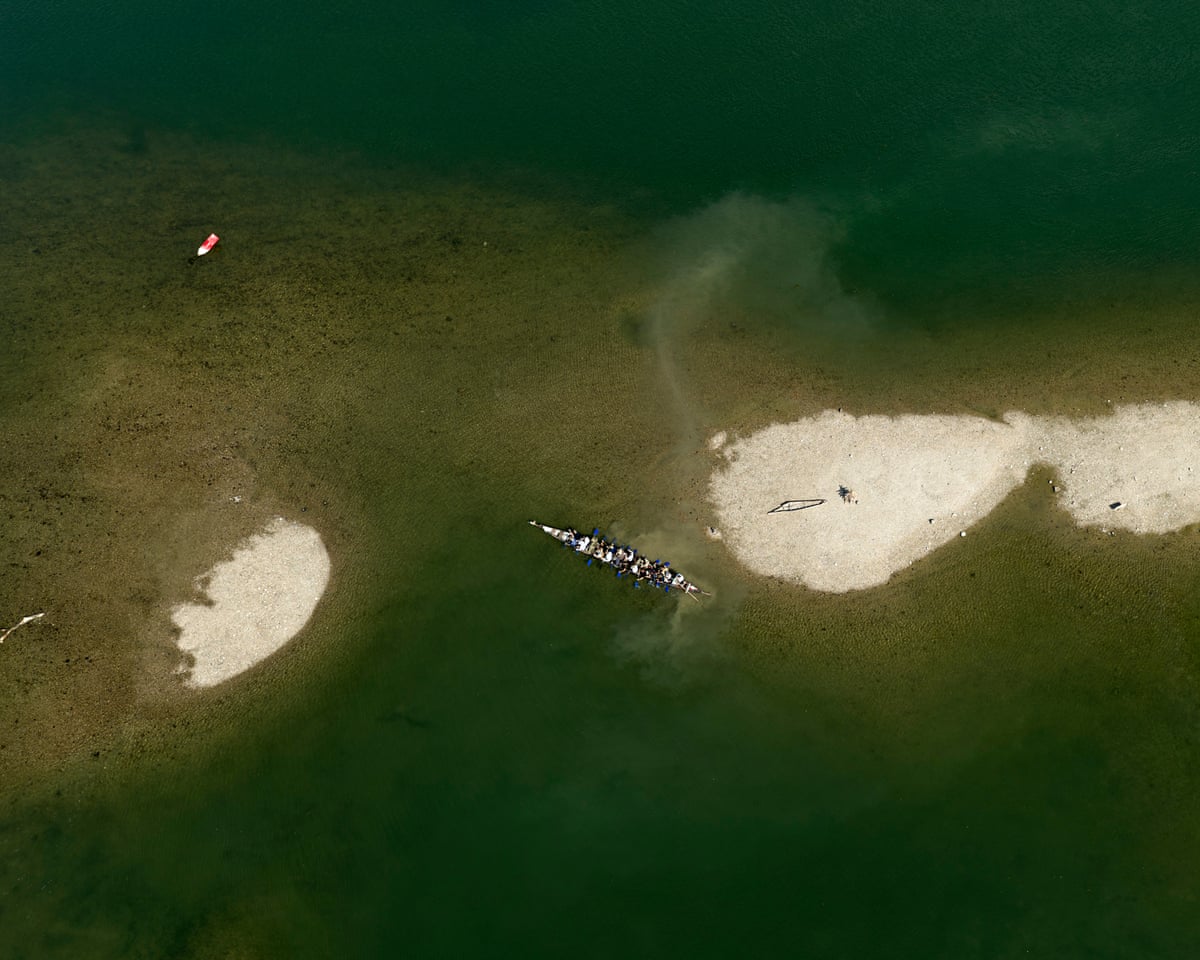
In recent weeks, vast stretches of desert-like riverbed have surfaced around the town, cracked into a mosaic of hard, dried clay under heat that has pushed Budapest's temperatures uncomfortably high, with overnight lows reaching 28C. Europe is warming faster than any other continent, and prolonged drought there is being intensified by the deepening climate crisis, straining water supplies and fuelling wildfires.
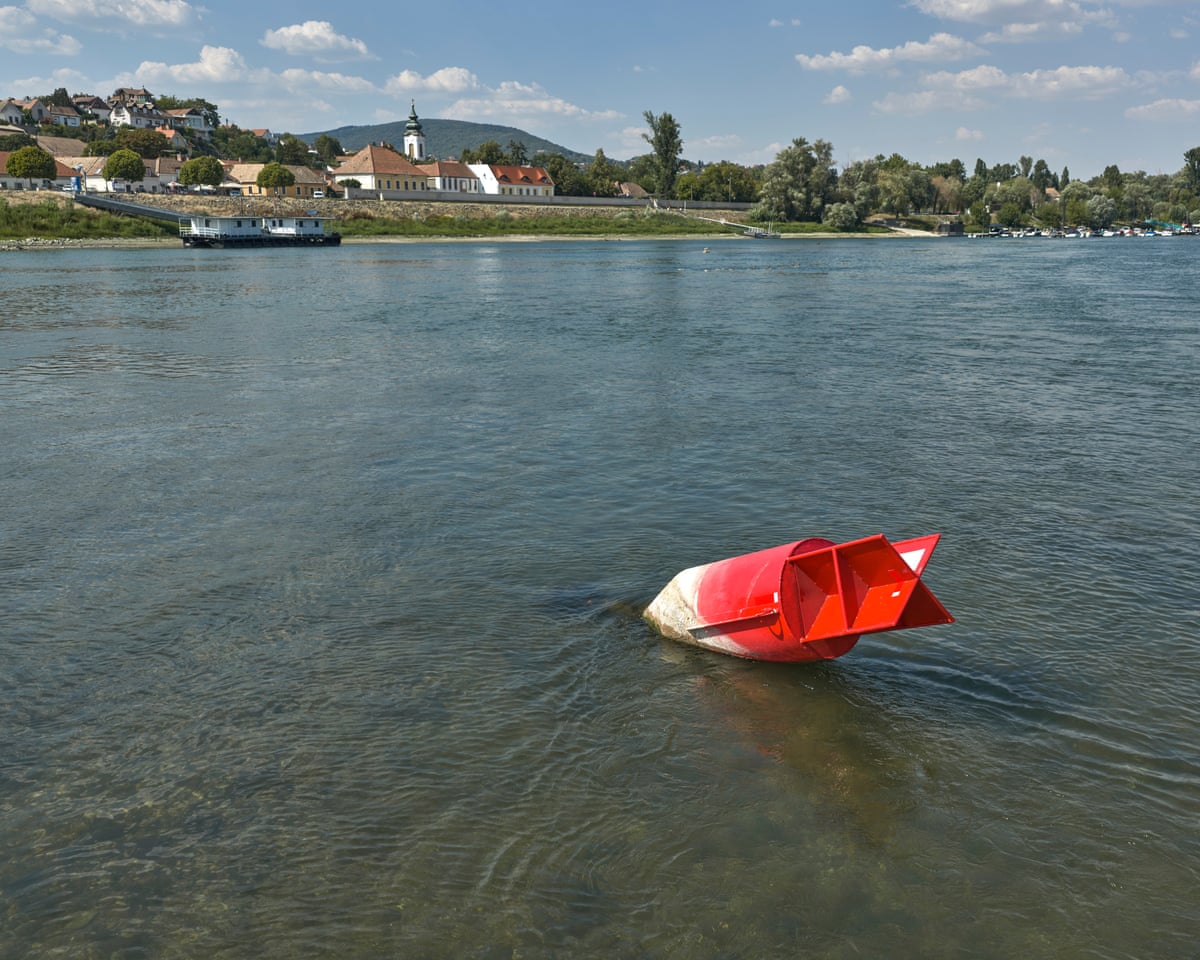
In some stretches of the river near Szentendre, the water barely reaches ankle height.
"Swimming and navigation are banned here," said László Balázs, 44, head of the local river rescue service. "But people escaping the heat still enter the water, unaware it can suddenly drop into deep pools where they risk drowning."
At the end of June, Budapest police said several people had gone missing in the Danube over a single weekend. Water police later recovered one body near Iváncsa, while searches continued downstream for two others still missing.
How severe are the drinking water shortages?
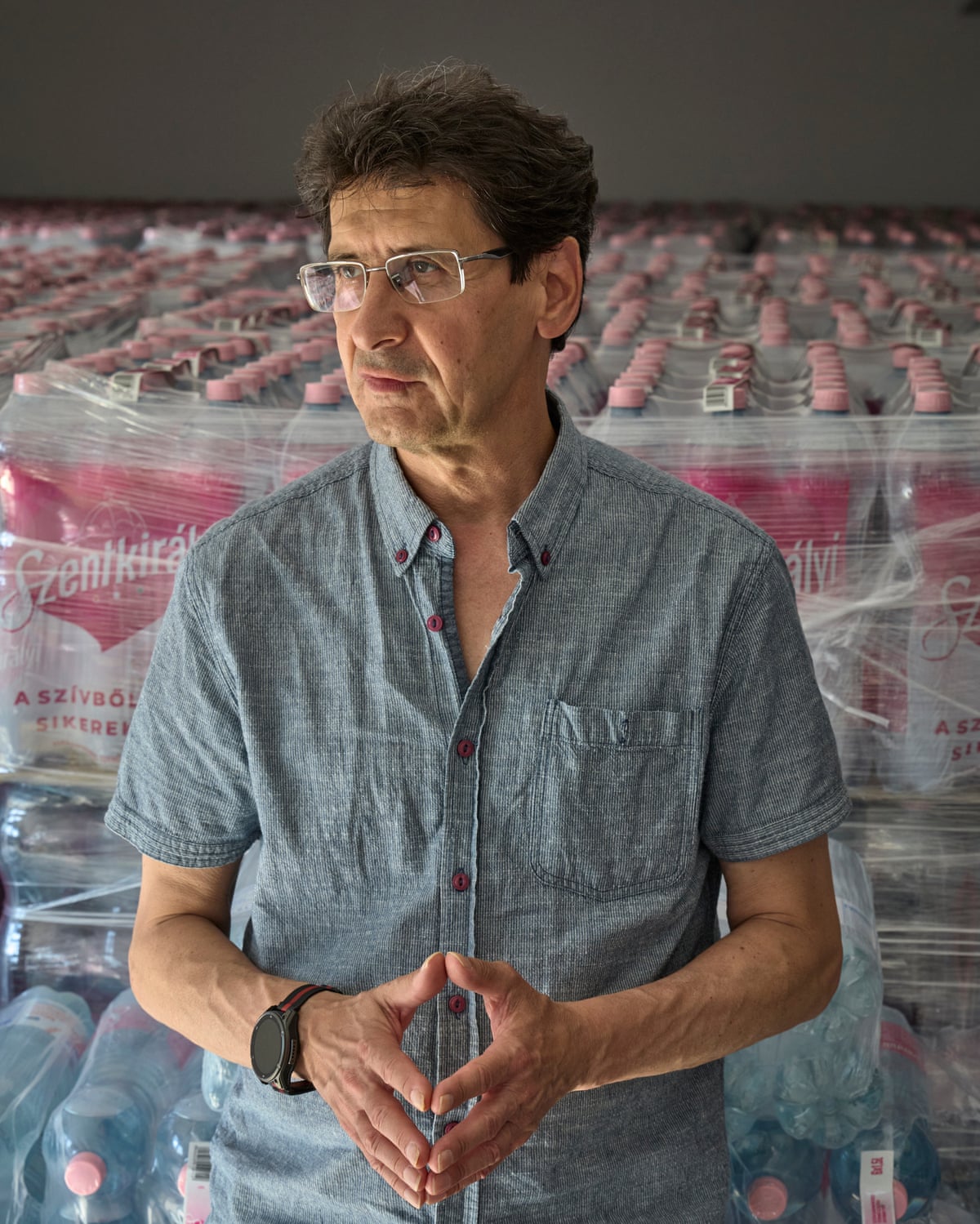
The drought and the strain it has placed on energy supplies have left some Hungarian towns without reliable access to drinking water. Inside Szentendre's tourist information office, thousands of bottles of water sit ready for distribution, particularly to elderly and vulnerable residents.
"About 4,000 to 5,000 households were left without water," said József Gulyás, 62, Szentendre's deputy mayor. "We distributed 25 tonnes of water and received about 100 emergency calls a day. We had never experienced anything so serious. Elderly women would hug the officers delivering water and burst into tears."
Travelling south towards Budapest, where the Danube normally sits between 2 and 3 metres and can swell to 8 metres, the combination of intense heat and sustained drought pushed the river to a record low on 4 August. According to Danube Alert monitoring data, the Budapest gauge measured 23cm on 14 August 2026, with forecasts pointing below zero in the days that followed, while a wire service report put the level at around 10cm — below the previous all-time low of 33cm recorded in 2018.
What has the falling river exposed?
As the Danube has retreated, it has uncovered a series of long-submerged relics, including the remains of a bridge destroyed after the second world war in Budapest, along with other structures normally hidden beneath the current.
On 28 July at about 4.30pm, Gábor Kürti, president of the Magyar Kerékpárosklub (Hungarian cyclists' club) and owner of a cargo bike company, left his office in central Budapest, mounted his bicycle and rode for 30km along the exposed bed of the Danube — a ride that quickly spread online.
"I wanted to show that if you can cycle along the bed of the Danube for 30km, it means that, because of this climate emergency, we have literally hit rock bottom," he told reporters.
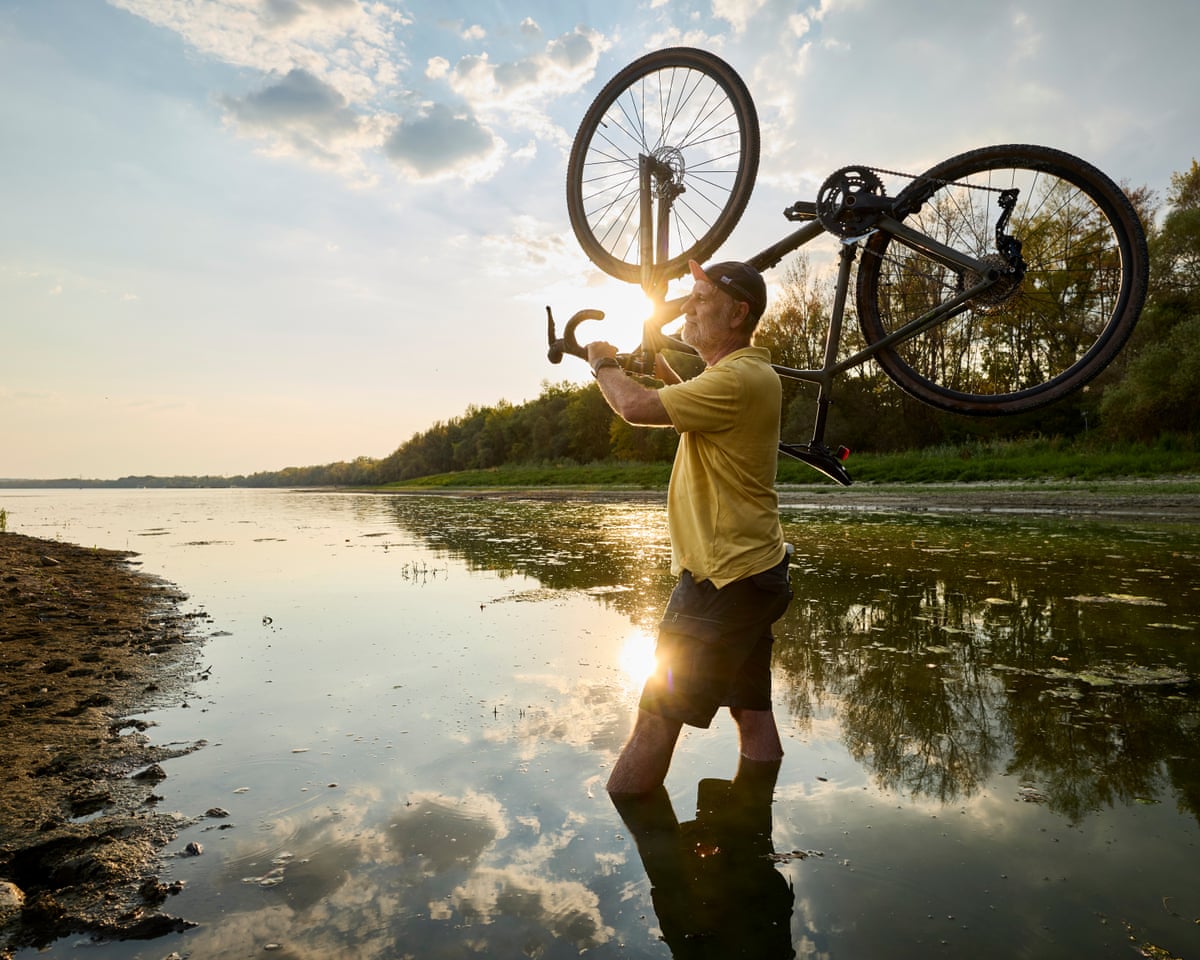
Riding a KTM X-Strada 20 gravel bike, Kürti began at the mouth of the Szilas stream and crossed fine gravel, large pebbles, hard-packed sand and mud before reaching the ferry terminal at Vác roughly three hours later.
"For many people it was an extraordinary adventure. For me, it was heartbreaking," he said. "Cycling through parts of the river where, as a child, I used to swim or go kayaking, and which I could now cross on a bicycle, filled me with an indescribable sadness. It was like looking at the scene of a terrible accident. Throughout that journey, the scale of the catastrophe was unfolding before my eyes."
How has the drought reshaped the Nagytétény nature reserve?
Kürti also led reporters into what, only months earlier, had been the lush floodplain forest of Kis-Háros-sziget in Nagytétény, a protected area home to climbing plants, wild vines and several families of European beavers.
Reaching the river now means walking across ground that would normally sit several metres underwater. One branch of the Danube has receded so severely that it stops abruptly against an exposed riverbed left behind by the drought.
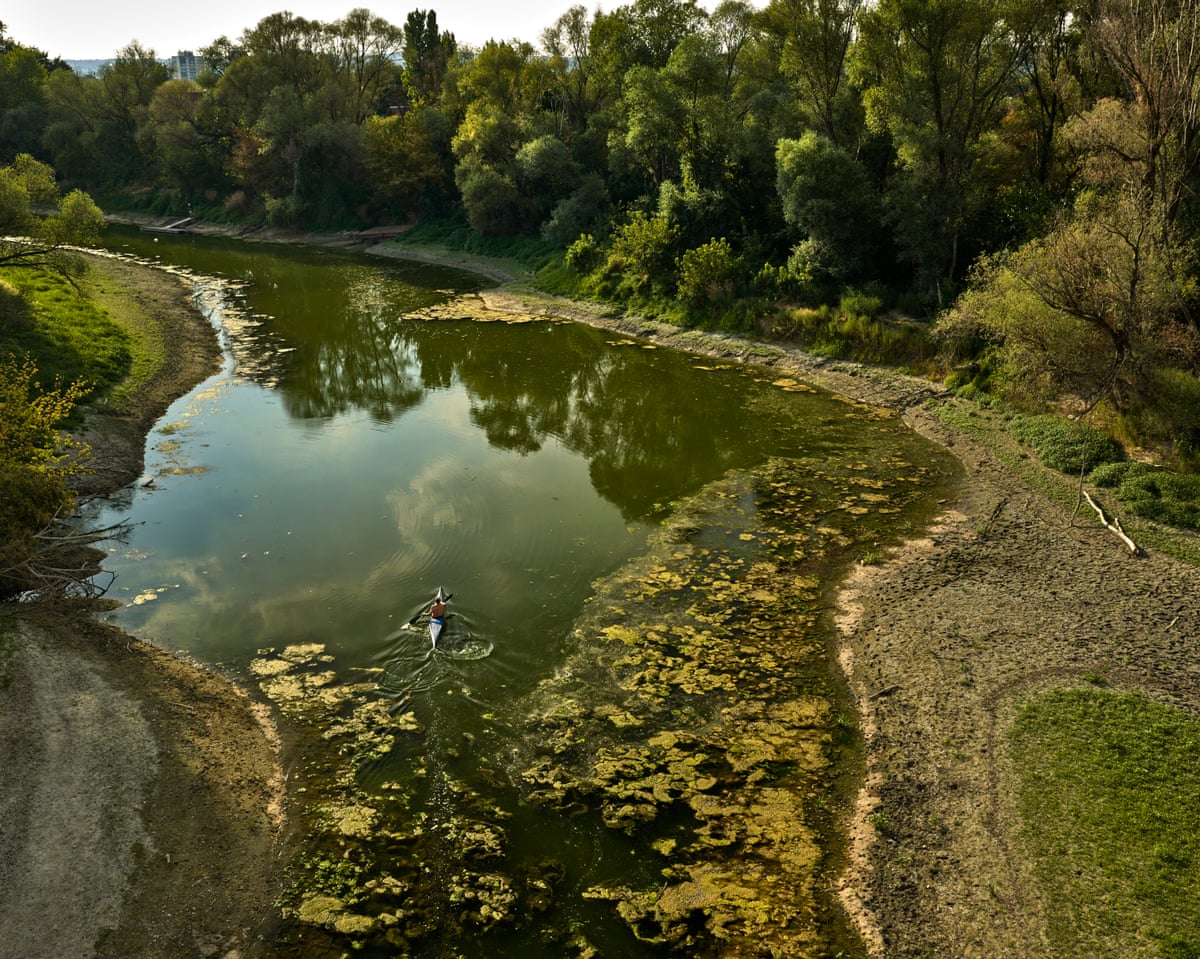
Its cracked, clay-like surface resembles imagery associated with a future shaped by escalating climate breakdown, yet it is happening now. Passersby cross what was once riverbed, sinking into patches of mud, while kayakers struggling through the remaining shallow channels often give up, hoist their kayaks on to their shoulders and walk home. Hungarian authorities have been pumping water into protected wetlands such as this one to stop marshlands drying out completely as the drought worsens.
How is Paks coping with the heat and the strain on its nuclear plant?
Further south lies Paks, home to Hungary's nuclear power plant, its cooling towers visible above the horizon. has reported that low Danube levels have forced adjustments to how the plant uses river water for cooling, according to a report, which also noted that authorities in Romania have been working to reroute their own cooling water amid the same drought.
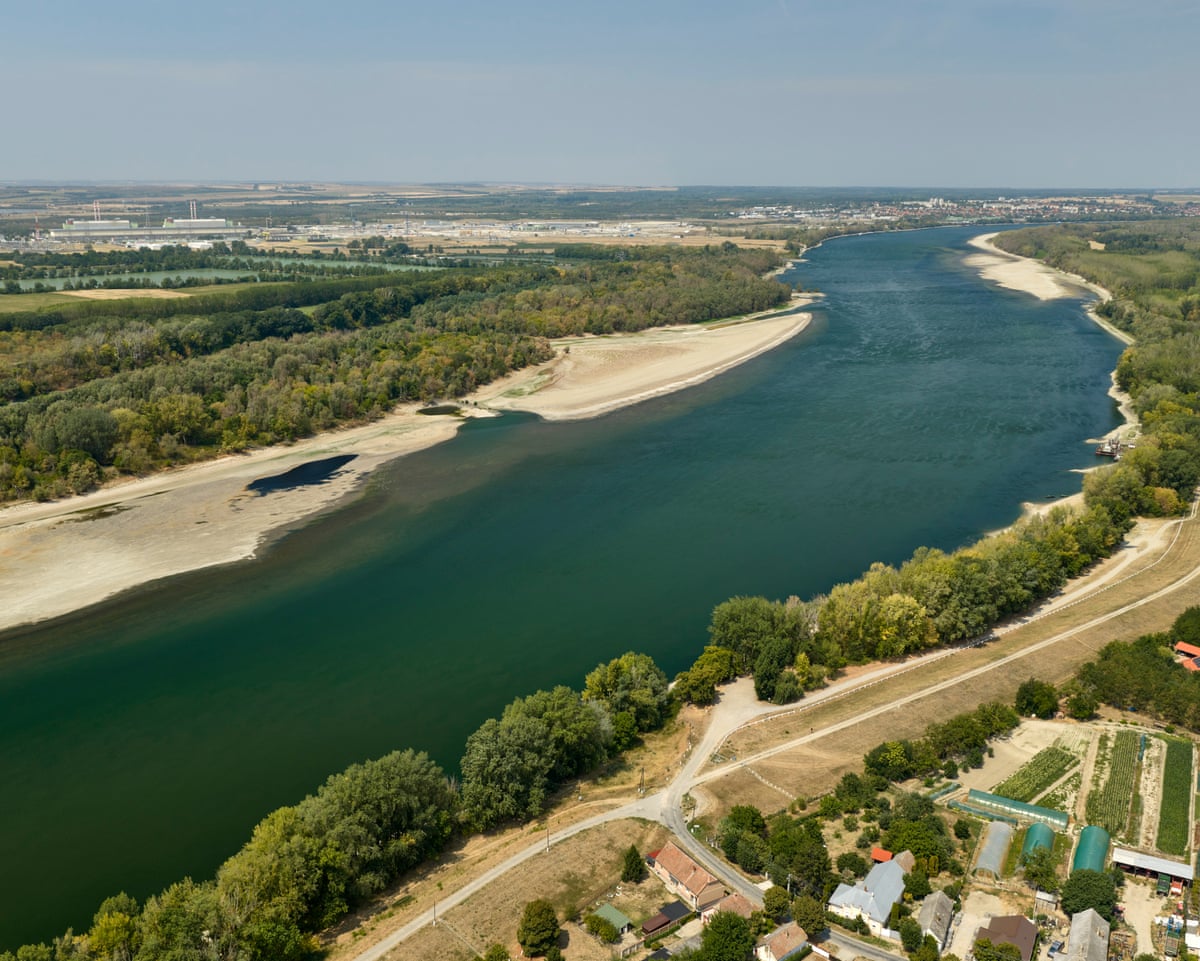
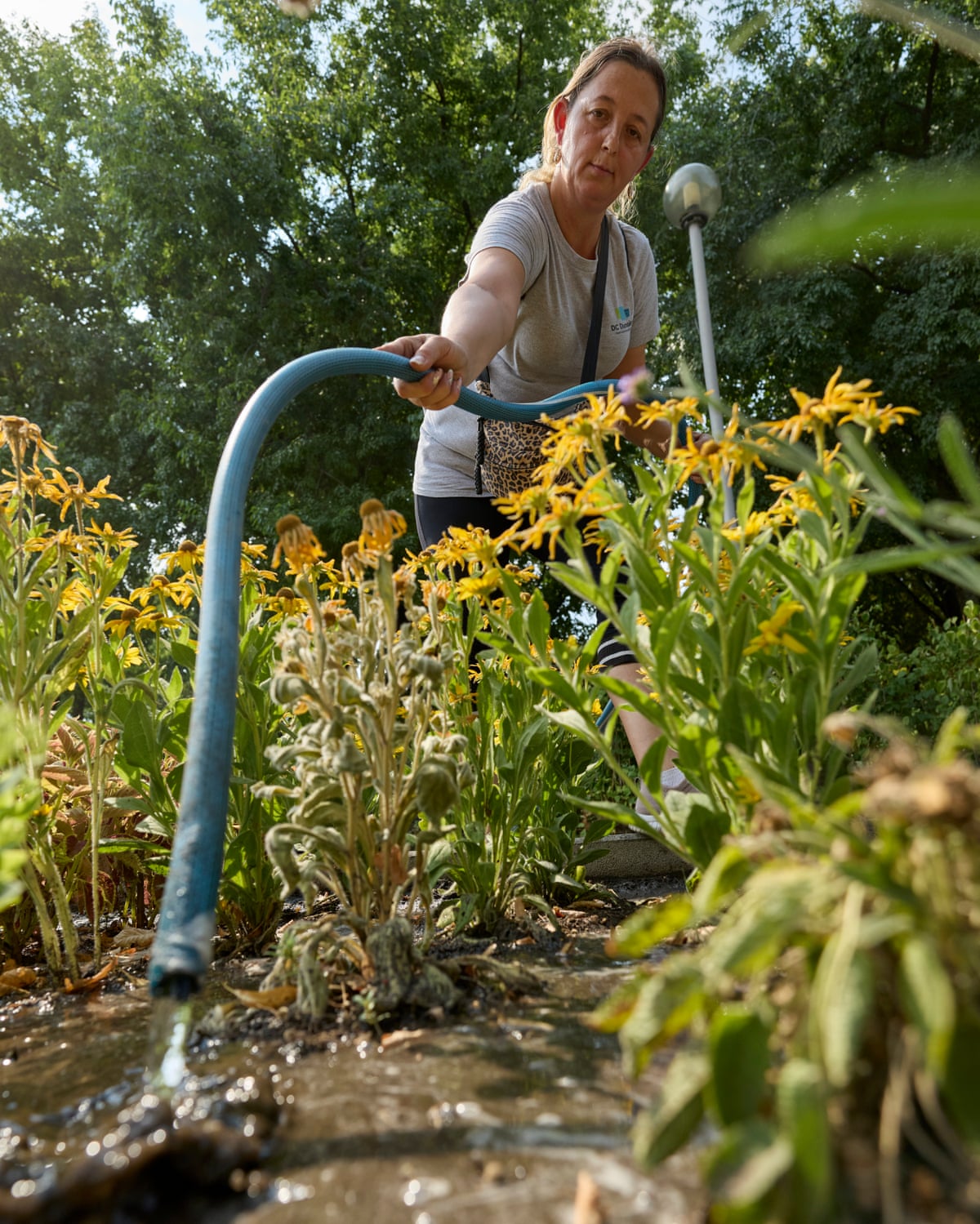
In Paks, municipal workers have been putting in weekend shifts to keep more than 700 threatened trees alive and to water the town's flowerbeds.
"I've been doing this job for 18 years," said Szilvia Farkas, 39, who is employed by Dunakom Zrt, the municipally owned company responsible for planting and watering trees and plants in Paks. "I have never seen so much vegetation dry out in all my years doing this job, and I have never worked as hard as I have this year to try to keep it alive."
Dunakom Zrt draws water from its own well and from a decantation basin. Residents are currently barred from using tap water for irrigation and instead rely on collected greywater for their gardens.
In some of the country's more marginalised communities, the water crisis has deepened problems that predate the drought, with many households already lacking reliable running water or sewage connections.
Géza Orsós Renáta, 43, who lives with her four children in a small farmhouse on the outskirts of Paks, has never had running water at home. She also works for Dunakom Zrt, helping to water public green spaces that are drying out in the heat, and has long depended on a neighbour for her own supply.
"Even in winter, we have to pump water and heat it in large bowls so we can wash," she said. "Now a friend brings us water once a week. But it is becoming unbearable."
What does the wider picture across the Danube basin look like?
The scale of the drought extends well beyond Hungary. A Copernicus-based analysis reported by a science news outlet found that roughly two-thirds of the Danube's monitored stretches were running at record-low average flow. Slovak hydrometeorologists cited by a European news agency measured flow just before Bratislava at 725 cubic metres per second, and the same report linked the historic lows to reduced Alpine snowmelt combined with successive heatwaves. Satellite imagery released by the European Space Agency on 16 August 2026 showed sandbanks and visibly drier countryside along the Hungarian stretch of the river.
The disruption has also hit river traffic. According to an energy industry news service, navigation on the Danube was suspended at two points near the Austria–Slovakia border, with the closure scheduled to remain in place until 17 August 2026.
What happens next?
Forecasters do not expect meaningful relief in the near term. A wire service report cited by this coverage said water levels were unlikely to rise for days or possibly weeks, since no significant rainfall was forecast and another heatwave was expected across the region. The navigation suspension near the Austria–Slovakia border is due to remain in force until 17 August 2026, according to the energy industry news service cited above.
Driving back from Paks towards Budapest, swollen clouds occasionally gather on the horizon, appearing to promise rain before dissolving by evening and dashing hopes across the country. For now, many can only hope the Rock of Starvation slips beneath the current once more and returns to being little more than a legend.
Somogyi, who grew up hearing the story passed down through generations and is now living through the very crisis it was said to warn of, does not expect that reprieve to last.
"The drought will return next year," he said. "That is the trend. And there isn't much that we can do."