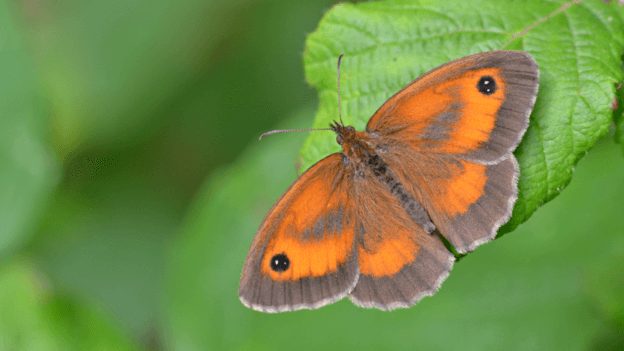
Butterfly and day-flying moth counts across Devon and Cornwall this summer reached exceptional levels, yet scientists caution that prolonged drought conditions could trigger a significant decline in populations over the coming year.
Nearly 5,000 participants in Devon recorded 77,151 insects during the three-week Butterfly Conservation's 2026 big butterfly count, while almost 3,000 volunteers in Cornwall spotted 47,712. These strong regional figures contributed to a broader national picture: the UK's 2026 Big Butterfly Count produced nearly 1.4 million butterflies and moths from more than 101,000 participants, marking the country's second-best butterfly season in 16 years.
Head of science at Butterfly Conservation, professor Richard Fox, acknowledged the appeal of hot weather to adult butterflies but warned of darker prospects ahead.
"The extreme droughts in 1976 and 1995 had severe impacts on butterfly populations, with some species never fully recovering,"he said, suggesting current conditions could follow a similar trajectory.
Why did butterfly numbers surge this summer?
The exceptional counts reflect favourable spring conditions for caterpillars followed by hot, sunny weather that adult butterflies thrive in during the summer months. However, this apparent success masks an underlying threat. Preceding drought conditions across much of the UK may have caused food plants used by caterpillars to wither before they finished feeding, potentially decimating the next generation before it fully developed.
What are the long-term risks?
The full consequences of this year's drought may not become apparent until 2027, when this year's caterpillars would normally emerge as adults. Already, certain drought-sensitive species show concerning trends: Speckled Wood, Green-veined White and Ringlet populations have declined by 44%, 54% and 39% respectively since 2011.
Fox emphasised that many butterfly species face mounting pressure independent of weather extremes.
"80% of the UK's butterfly populations have declined since the 1970s,"he noted, adding that existing vulnerability compounds the threat posed by climate-driven weather patterns.

"With increasingly hot, dry summers and droughts predicted to become more and more frequent due to climate breakdown, degraded habitats and already depleted butterfly populations, some species may be pushed further and faster towards extinction, which is a very sombre thought. They are, quite simply, less resilient to these events, which means we could be looking at very difficult years ahead."
Which species performed best?
The Gatekeeper emerged as the most commonly spotted butterfly across both Devon and Cornwall. In Devon, the Meadow Brown ranked second, followed by the Red Admiral, while in Cornwall the Red Admiral took second place with the Painted Lady in third.
Nationally, the Small White was the most-recorded species with 281,634 sightings, ahead of Gatekeeper, Large White, Red Admiral and Meadow Brown. The Painted Lady proved a standout performer, with 6,955 recorded in Devon and 6,033 in Cornwall, reflecting its strong year nationally.
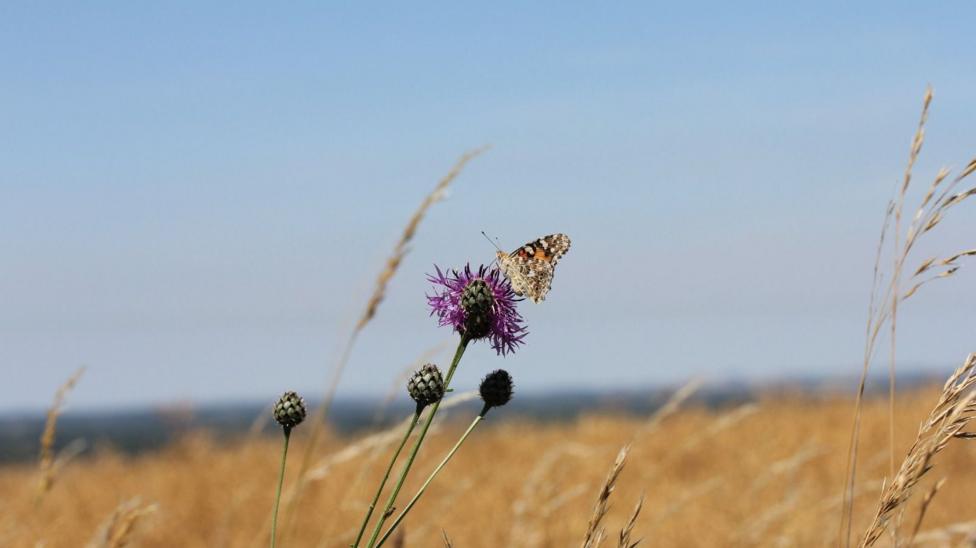
The Painted Lady undertakes one of the world's most remarkable insect migrations, travelling from Africa to the UK over several generations, crossing the Sahara Desert and Mediterranean Sea. Migratory species more broadly remained resilient, with clouded yellows continuing to appear across southern Britain into September and Queen of Spain fritillaries potentially reaching record levels near coastal areas.
How does this year compare to previous drought years?
The 2026 summer followed a period when more than 70% of England was officially in drought during August. The comparison to historical drought years is instructive: the extreme droughts of 1976 and 1995 caused lasting damage to butterfly populations from which some species never fully recovered. Even favourable conditions do not guarantee sustained population recovery—2025 was only an average butterfly year despite the UK having its sunniest year on record, demonstrating that weather alone does not determine long-term population strength.
What can people do to help?
Butterfly Conservation is urging the public to support wildlife recovery through practical measures: planting more trees and shrubs to provide habitat and food sources, installing water butts to store rainwater for dry periods, and leaving areas of grass uncut to preserve shelter and foraging opportunities for butterflies and other insects.
What happens next?
The true impact of the 2026 drought will become clear in 2027, when caterpillars that survived this year's conditions emerge as adults. The next Big Butterfly Count will take place in 2027, providing the next opportunity to assess whether the feared population crash has materialised.
Key Facts:
- Devon recorded 77,151 butterflies and moths with nearly 5,000 participants; Cornwall recorded 47,712 with almost 3,000 participants
- The 2026 count produced the UK's second-best butterfly season in 16 years, with nearly 1.4 million insects recorded nationally
- Drought-sensitive species including Speckled Wood, Green-veined White and Ringlet have declined significantly since 2011
- 80% of the UK's butterfly populations have declined since the 1970s, making them vulnerable to additional climate pressures
- The full impact of 2026's drought conditions may not become apparent until 2027