A conservation initiative to safeguard rare arctic-alpine plants in Upper Teesdale has received substantial funding to begin its work. The Teesdale Special Flora Research and Conservation Trust has been awarded £64,739 through the government's Farming in Protected Landscapes programme, administered by the North Pennines National Landscape, according to BBC News. The three-year project will engage volunteers in seed collection and propagation work to help restore populations of endangered species across the fells.
The scheme represents a continuation of the trust's conservation efforts in one of Britain and Ireland's most botanically significant regions. The Northern Echo reports that Upper Teesdale is home to more than 100 plants of conservation interest, making it one of the top five botanical hotspots in Britain and Ireland. The trust is also raising £15,000 in match funding to support the initiative over the three-year period.
Dr Margaret Bradshaw, the trust's founder, emphasised the importance of the work.
This project is crucial to support the ongoing research and conservation of these rare species,she said. The trust aims to raise public awareness of how fragile these specialised plant communities have become and the urgent need to protect them.
What makes Upper Teesdale botanically unique?
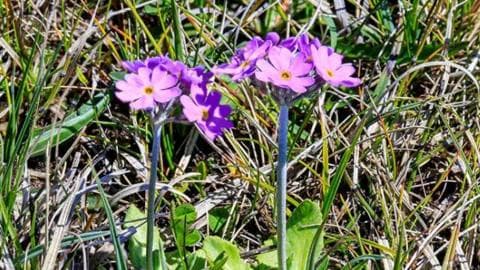
The region contains the Teesdale Assemblage, a distinctive grouping of 20 rare and endangered arctic-alpine plants. These species are believed to have persisted continuously since shortly after the last glaciation, between 10,000 and 12,000 years ago. The plants represent a living link to the post-ice age landscape and are found nowhere else in comparable concentrations.
Historical monitoring has documented alarming declines in several species. Teesdale violet occurrences have fallen by 58 per cent, dwarf milkwort by 98 per cent, and hoary whitlowgrass counts have dropped from 451 to just one in surveyed plots. These figures underscore the vulnerability of the flora and the necessity for intervention.
How will the new project work?
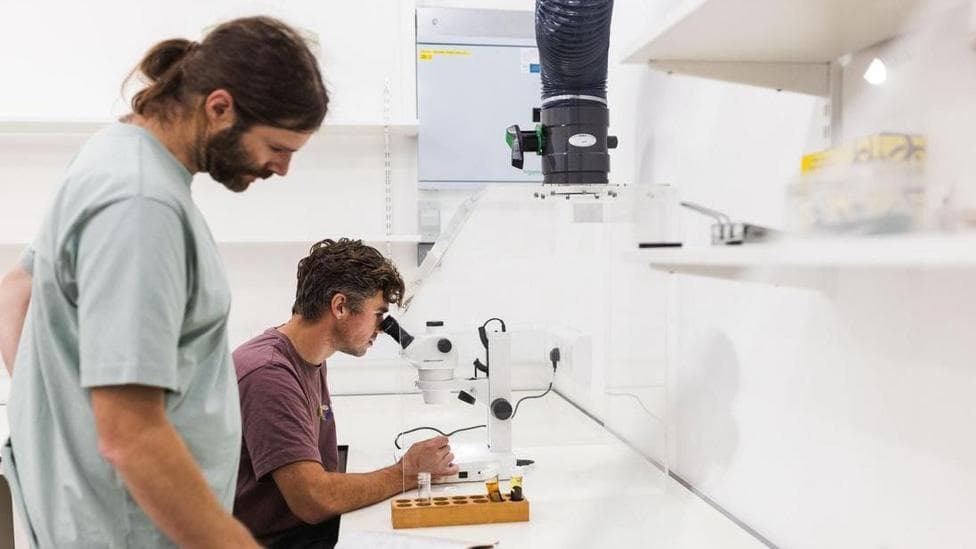
The initiative will employ a multi-faceted approach to species recovery. According to The Northern Echo, the project plans to collect seed from sufficiently large populations, raise plug plants in controlled conditions, and plant them in trial plots across the fells. Volunteers will receive training in plant identification, seed collection, propagation techniques and sowing methods to ensure the work is carried out to professional standards.
This approach builds on lessons learned from the trust's earlier Plants on the Edge project, which ran from September 2021 to June 2023. That initiative, funded by a £222,400 Green Recovery Challenge Fund grant, produced a five-year species recovery plan and comprehensive monitoring framework that now guides current conservation strategy.
What previous work has the trust undertaken?
The trust's earlier conservation efforts included field trials testing various management techniques to reverse species decline. Vegetation cutting, local soil exposure and mechanical scarification were trialled to address the factors driving the loss of rare flora. The Northern Echo notes that these earlier interventions have informed the design of the current three-year programme.
Sarah Tooze, programme manager for natural heritage at the North Pennines National Landscape, expressed enthusiasm for the partnership approach.
We are looking forward to working with local farmers on ways to support these fragile species,she said. The involvement of farming communities is essential, as land management practices directly influence the survival prospects of the rare plants.
Key Facts
- The Teesdale Assemblage comprises 20 rare arctic-alpine plant species that have survived continuously for 10,000 to 12,000 years since the last glaciation
- Upper Teesdale contains more than 100 plants of conservation interest, ranking it among Britain and Ireland's top five botanical hotspots
- Some species have experienced catastrophic declines: dwarf milkwort populations have fallen by 98 per cent and hoary whitlowgrass from 451 to one plant in monitored areas
- The trust must raise £15,000 in match funding to access the full £64,739 government grant over three years
- Volunteers will be trained in seed collection, propagation and planting techniques to support the restoration work across Upper Teesdale's fells