Volunteers in a north Shropshire town have seized an unusual opportunity to remove accumulated rubbish from a prominent lake, taking advantage of water levels that have fallen sharply during the exceptionally hot and dry summer.
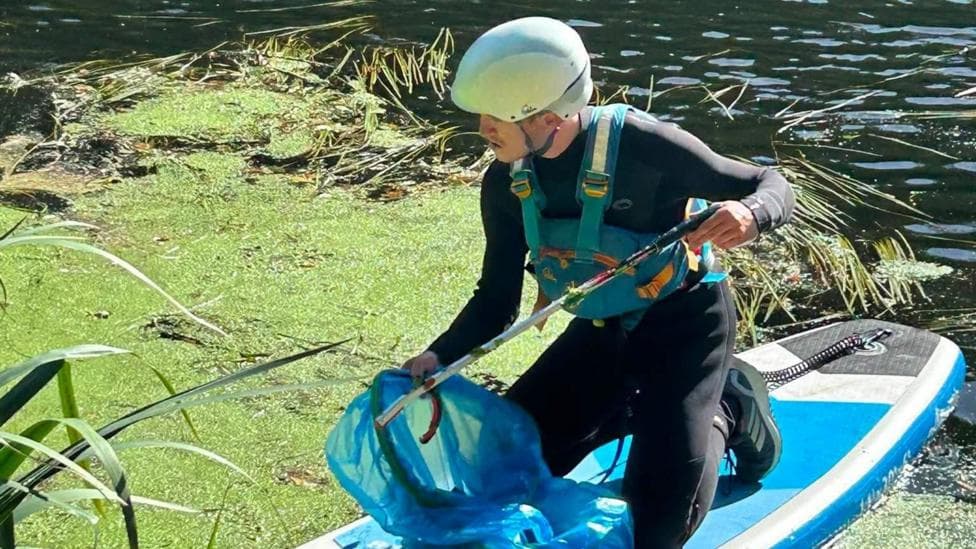
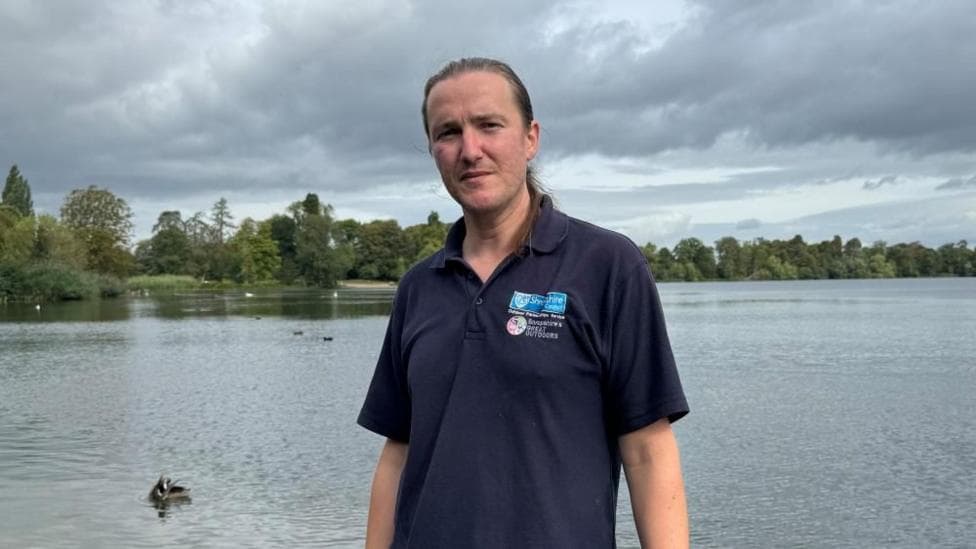
The Mere at Ellesmere Country Park, part of Shropshire Council's countryside sites network, has become accessible for litter collection as drought conditions have persisted across the country. Lee Fraser, the Volunteer Ranger Coordinator for the site, has led teams into the water to retrieve items that would normally remain submerged and invisible from the shore.
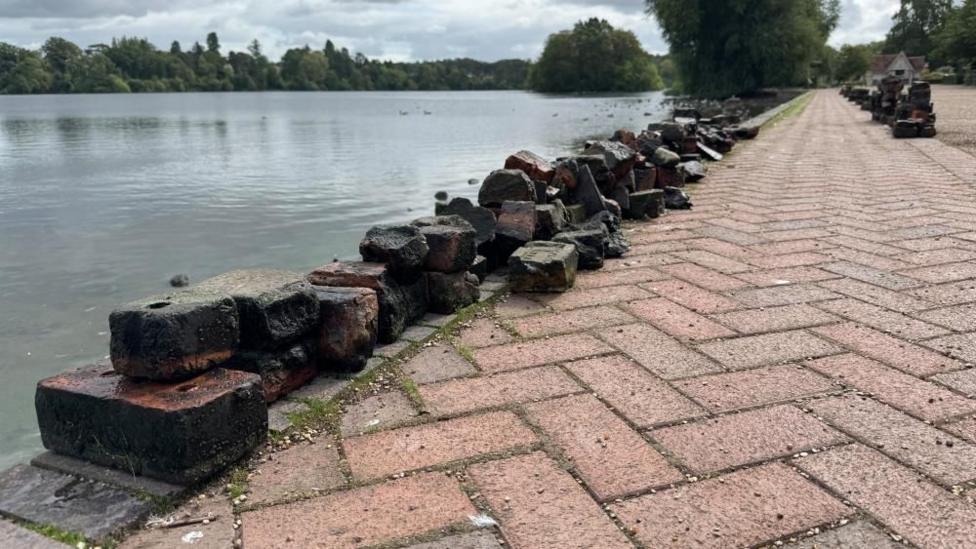
The collection effort has already yielded substantial results. Fraser reported that volunteers have gathered "five big bucket loads" of litter, a haul he described as covering half the distance of the town's promenade. Among the items recovered have been bricks, pottery fragments and mobile phones—objects that accumulated over years but only became accessible once water levels dropped significantly.
Why standing in the water works better
The approach of wading directly into the lake proved far more effective than previous methods. Fraser explained that attempting to retrieve items from a boat or from the shoreline creates visibility problems that make recovery nearly impossible, even when volunteers spot objects nearby.
"We tried it last year from a boat, which when you stand on the bank, you can see all the bricks. Once in the water, on the boat, even if you are next to them and someone's shouting that it's right next to you, you cannot find it."
The direct-access method has already proven its worth. Within the first hour of work, volunteers had identified numerous bricks scattered across the lake bed, demonstrating how much material had accumulated beneath the surface.
How long will recovery take?
Despite recent heavy rainfall, Fraser cautioned that restoring The Mere to its normal water level will require considerably more time. The lake's vast surface area means that even substantial precipitation has only a modest effect on overall levels.

"It will be quite a while [for it to recover] even with the heavy rains we have had. It is slightly deeper than it was the other week but not significantly, and over the surface of the Mere it takes quite a lot for it to get [back to normal.]"
This extended recovery period means the volunteer teams will have an extended window to continue their cleanup work, though the extreme conditions that made the effort possible in the first place are unlikely to persist indefinitely.
Community commitment to the lake
The cleanup reflects broader community engagement with the site. Wendy Salter, a local resident who has volunteered with the team for three years, emphasized her commitment to maintaining the lake for her community. She noted that the variety of rubbish recovered reveals the wide geographic area from which litter originates, suggesting that items wash into the lake from across a substantial catchment.
"A lot of this rubbish comes from such a big area. [What we find] varies a lot. I also found a mobile phone last week."
The Mere is part of Shropshire Council's managed public park network, which offers lakeside walks, woodland trails, boating facilities, play areas and sculpture installations. The council has previously recognized the importance of environmental stewardship at such sites, and volunteers like Salter and Fraser represent the practical commitment required to maintain these spaces.
Broader context for litter management
The cleanup effort at Ellesmere reflects wider concerns about litter management across public spaces. National guidance updated in March 2026 aimed to help councils use litter enforcement powers more effectively, underscoring the ongoing challenge of managing discarded items in outdoor environments. Volunteer-led initiatives like the one at The Mere complement formal enforcement by addressing accumulated debris that might otherwise remain in place indefinitely.
The exceptional weather conditions of this summer—among the hottest and driest on record—have created an unexpected opportunity to address a problem that typically remains hidden beneath water. Once normal water levels return, the accumulated litter will again become inaccessible, making this period of low water a rare chance to restore the lake to a cleaner state.