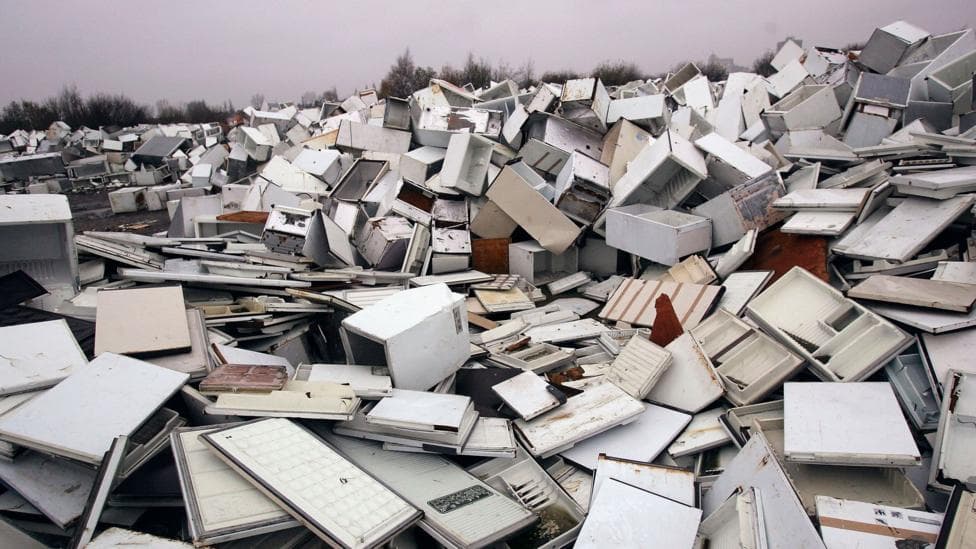
A severe shortage of fridge and freezer recycling capacity is forcing dozens of councils across England and Wales to suspend collections, creating mounting stockpiles at waste centres and raising fears of increased illegal dumping. The Local Government Association (LGA) has warned that the backlog is worsening daily, driven by a combination of plant closures, extreme summer temperatures, and insufficient specialist processing infrastructure.
This year's multiple heat waves have accelerated the breakdown of white goods, overwhelming the system at a moment when capacity has collapsed. Three of the UK's 10 full-scale processing plants have shut down in the last 12 months due to fire damage, bankruptcy, and a change of use. The remaining facilities cannot operate when temperatures exceed 30 degrees Celsius, a threshold regularly breached during the recent heat events. According to industry reporting, the sector's capacity was further strained in 2026 by a fire at EMR's fridge recycling plant in Darlaston and severe fire damage at Wiser Recycling's facility in Thetford.
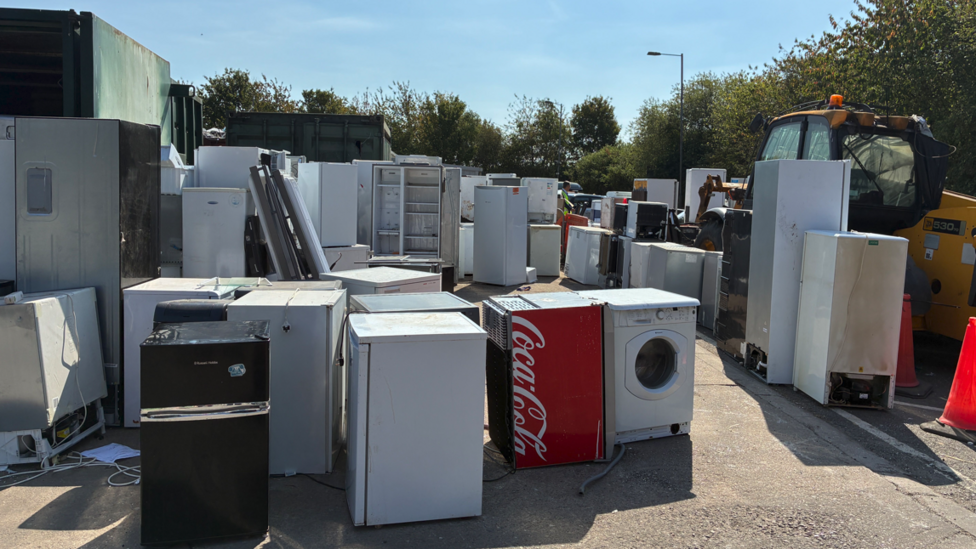
Twenty-six councils have suspended fridge collections this month, including those serving Bradford, Gloucestershire, Durham, Nottingham, Ashfield, and Carmarthenshire. Warwickshire County Council reported that more than 1,000 fridges and freezers are now in storage across its recycling centres, while Carmarthenshire has temporarily stopped accepting fridges, freezers and other cooling appliances at all recycling centres and through bulky waste collections after reaching safe storage limits.
Why are fridges so difficult to recycle?
Fridges and freezers require specialist dismantling because they contain gases that can damage the environment if not disposed of safely. This specialised process demands dedicated infrastructure and trained personnel, making it impossible for standard waste facilities to handle the appliances.
How are councils managing the backlog?
The Department for Environment, Food and Rural Affairs (Defra) has permitted temporary storage arrangements to ease the immediate crisis. According to an Environment Agency spokesperson, temporary storage is being allowed at existing and new authorised facilities until April 2027, and capacity is expected to improve toward the end of summer as temperatures fall. Some councils have introduced booking systems to manage demand; Oxfordshire now requires residents to reserve a tip slot a week in advance for fridge and freezer disposal, with a limit of two appliances per appointment and a three-month wait before bringing more.
Defra acknowledged the capacity issues and stated:
Our priority is to minimise disruption to household collection or proper disposal of fridges and other cooling equipment, and we are pushing producers of these items to take all necessary steps to achieve this and resolve any collection delays.
What is the industry saying about recovery?
Industry body the Environmental Services Association warned that the closures have
knocked out capacity suddenly, according to executive director Jacob Hayler, who added:
The result is that capacity is now constrained nationally until facilities can be brought back online or new capacity is permitted and developed.

Ecogenesys, the largest of 15 producer compliance schemes coordinating fridge recycling in the UK, works with approximately 85 councils and is supporting the development of new UK processing infrastructure. Chief executive Graeme Milne stated that European processing plants would provide temporary relief but the UK needed more domestic capacity long-term, adding:
The UK fridge recycling sector has faced exceptional pressures this summer, but we expect the situation to begin to ease as the seasonal peak passes.
John Redmayne, managing director of the European Recycling Platform compliance scheme, said the UK is
facing a genuine capacity crunchon recycling old fridges, with industry consensus
pointing to a six to twelve month recovery.
Where are UK fridges being processed?
With domestic capacity severely constrained, fridges from the UK are now being exported to European processing plants to meet demand. Only one additional UK processing plant is scheduled to open next year, leaving a significant gap in national capacity. The recycling system relies on 15 producer compliance schemes that coordinate collection, recycling, and disposal by collecting fees from white goods manufacturers based on their annual sales volumes.
What are the risks of the backlog?
The bottleneck in fridge disposal has sparked concerns about increased fly-tipping as the government intensifies its crackdown on illegal waste dumps. Country Land and Business Association president Gavin Lane warned that finding a fly-tipped fridge in a field was
a farmer's nightmare, noting that
it can cause hours of disruption, stress, and clean-up bills running into the thousands.
The government has already faced substantial costs addressing illegal dumping. One of England's 11 so-called illegal "super sites", the Kidlington dump containing approximately 22,000 tonnes of waste in Oxfordshire, was cleaned up this week at a cost of £6 million to the public purse. Prime Minister Andy Burnham announced a major crackdown on illegal waste dumps earlier this month, and the government is now targeting organised crime gangs behind hundreds of illegal dumps by seizing assets purchased with proceeds of crime and raising fines from £300 to £5,000.
What is the LGA calling for?
The Local Government Association is demanding urgent government action to prevent the crisis from worsening. LGA Neighbourhoods committee chair Councillor Arooj Shah called on the government to force white goods companies to shoulder more of the burden, help councils with the cost of extra storage, and prevent similar problems recurring in future.
The backlog of defunct white goods is getting bigger by the day – they're at risk of becoming a mountain,Shah said, adding:
It is not right that residents who are trying to do the right thing can't take old or broken appliances to their local recycling centre due to failures elsewhere in the system.
What happens next?
Defra expects existing treatment capacity to increase toward the end of summer as temperatures fall and processing plants resume normal operations. The Environment Agency's temporary storage allowance runs until April 2027, setting the current regulatory backstop for councils managing the backlog. Industry experts anticipate the situation will begin to ease as the seasonal peak passes, though full recovery is expected to take between six and twelve months.
Key facts
- Three of the UK's 10 full-scale fridge processing plants have closed in the last 12 months due to fire, bankruptcy, and change of use
- Twenty-six councils have suspended fridge collections, with more than 1,000 appliances stored at Warwickshire recycling centres alone
- Remaining UK processing plants cannot operate above 30 degrees Celsius, a threshold regularly exceeded during summer heat waves
- Fridges are now being exported to European plants for processing, with only one new UK facility due to open next year
- The Environment Agency has permitted temporary storage until April 2027 to manage the crisis