

West Devon Borough Council has placed new Tree Preservation Orders on six sites across the district, among them a Tavistock oak believed to be more than 300 years old. The council says the measures are designed to protect the trees for future generations while preserving the environmental and community value they provide.
The list of protected sites includes The Honour Oak on Whitchurch Road, long regarded as one of Tavistock's most historically important trees, alongside land at Butcher Park Hill, several plots at Broadleigh Park, land at Callington Road, and the Veteran Common Lime on Crowndale Road.
According to a notice from West Devon Borough Council, the orders were formally issued on 11 August 2026 and also cover Green Hill in Tavistock, a location not previously identified when the protections were first announced. The council's notice states that the orders form part of wider efforts to protect and enhance the borough's environment, and it lists each protected site individually.
Why are these trees being protected?
Council leader Mandy Ewings said the trees deliver a range of benefits to the local area and its wildlife.

provide homes for wildlife, support biodiversity, improve air quality and help create the green landscapes that define our borough.
The designation gives the six sites legal protection, meaning any future development or maintenance work must take their preservation into account.
What history is tied to the Honour Oak?
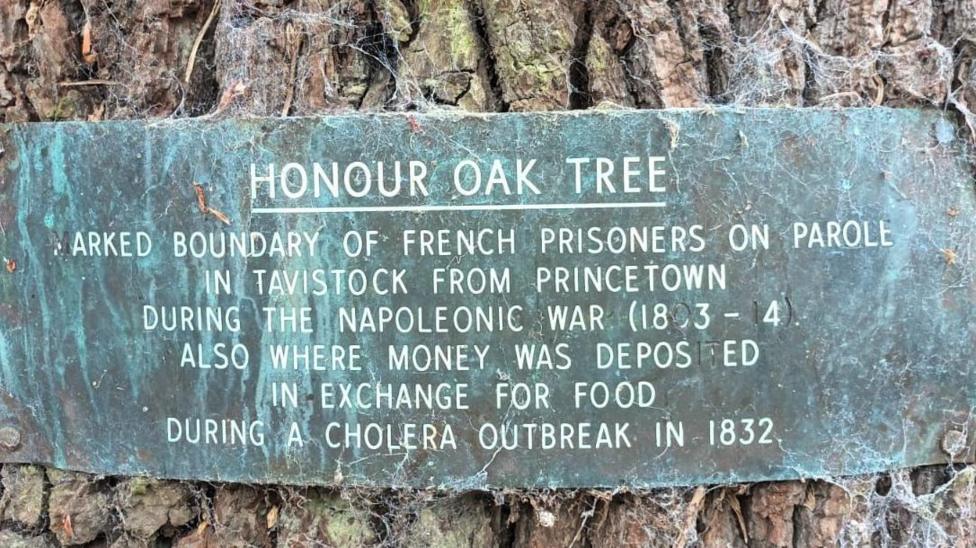
The Honour Oak carries particular historical weight for Tavistock. During the Napoleonic Wars, it served as a boundary marker beyond which French prisoners of war living in the town on parole were forbidden from travelling.
The tree is also connected to the cholera outbreak of 1832. Historical accounts suggest that money was left at the tree in exchange for food, a practice intended to limit direct contact between residents during the outbreak.
What does a Tree Preservation Order actually mean?
Under national guidance, a Tree Preservation Order makes it a legal offence to cut down, top, lop, uproot, damage or destroy a protected tree without first obtaining written consent from the relevant local planning authority, according to official government guidance. This applies to the six newly listed Tavistock sites, meaning landowners and developers will need council approval before carrying out any work that could affect the trees.
What happens next?
Anyone planning work on a tree covered by an order must apply to the council for consent before proceeding. Residents wanting to check whether a particular tree is subject to a preservation order can consult the council's interactive mapping tool, as outlined in West Devon Borough Council's guidance on protected trees.
Key Facts
- Six sites in Tavistock received new Tree Preservation Orders, issued on 11 August 2026.
- The Honour Oak on Whitchurch Road is thought to be more than 300 years old.
- Green Hill in Tavistock was confirmed as one of the protected sites in the council's official notice.
- The Honour Oak has historical links to the Napoleonic Wars and the 1832 cholera outbreak.
- Written council consent is now required for any work affecting the protected trees.


