Community Efforts Enhance Local Wildlife
A nature recovery initiative has significantly benefited wildlife, according to volunteers involved in the project.
Residents near Church Pulverbatch Parish Council in Shropshire have dedicated the past year to sowing wildflower meadows and establishing no-mow zones.
Parish councillor David Taylor described their meadow restoration efforts as "the very beginnings of a nice cycle which we all need to try and encourage in our own parishes."
They were motivated after attending a presentation on Shropshire's Local Nature Recovery Strategy, which highlighted alarming declines in moths, butterflies, and hedgehogs, alongside the loss of many English meadows.
"It was quite devastating," Taylor said.
"We selected some sites that we wanted to try and create meadows on, and we wanted to create some verges," he added.
Thousands of wild grasses and flowers were planted along the edges of the village green, creating a vibrant contrast with the carefully maintained grass at the center.
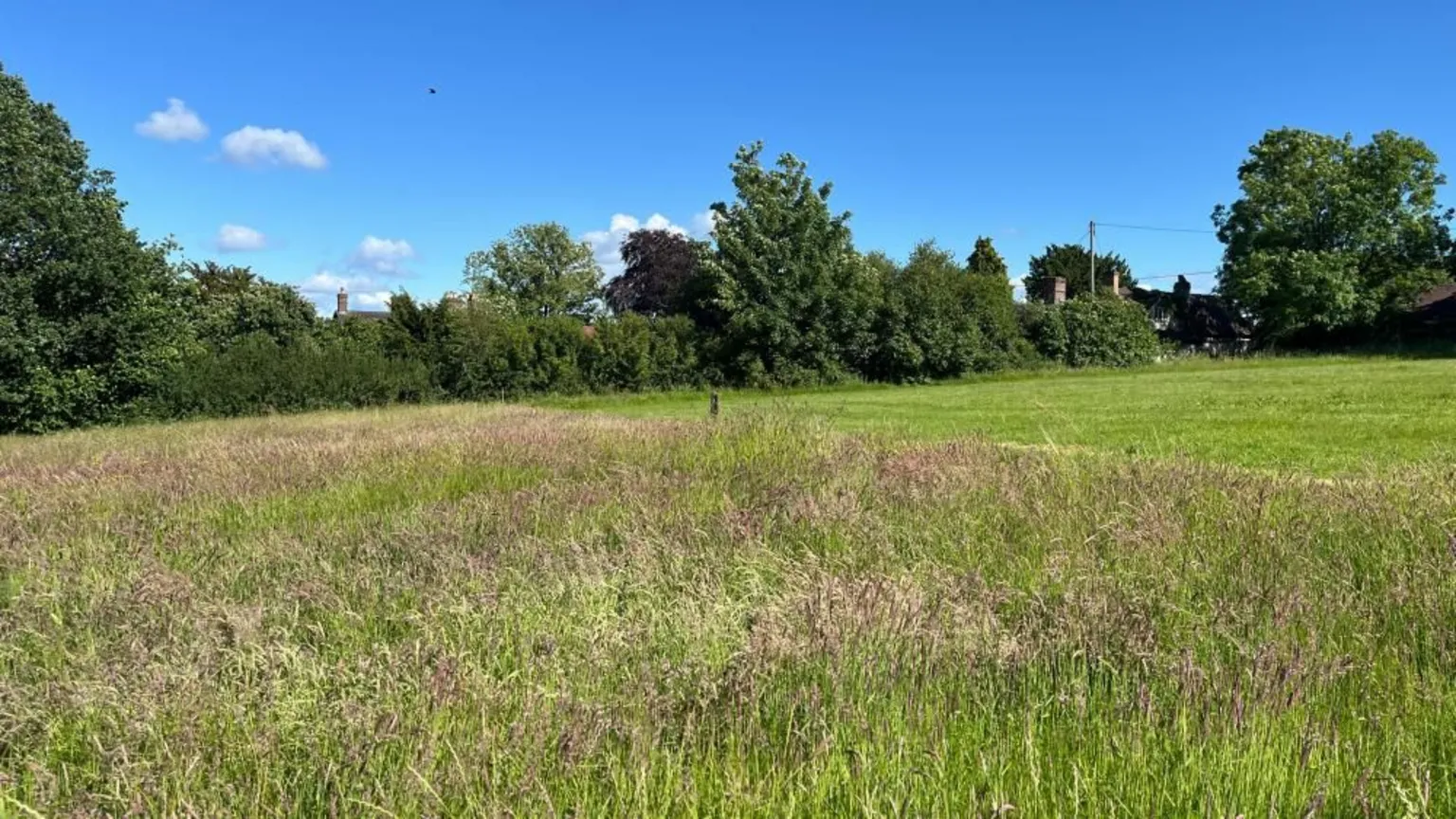
This arrangement allows the community to continue using the field for events such as fetes and weddings, while simultaneously promoting biodiversity, Taylor explained.
"It really is a case of dipping your toe in the water, starting slowly and seeing what happens," he said.
Wildflower Meadow Brings New Life
The wildflower meadow bordering the village green has been a standout success.

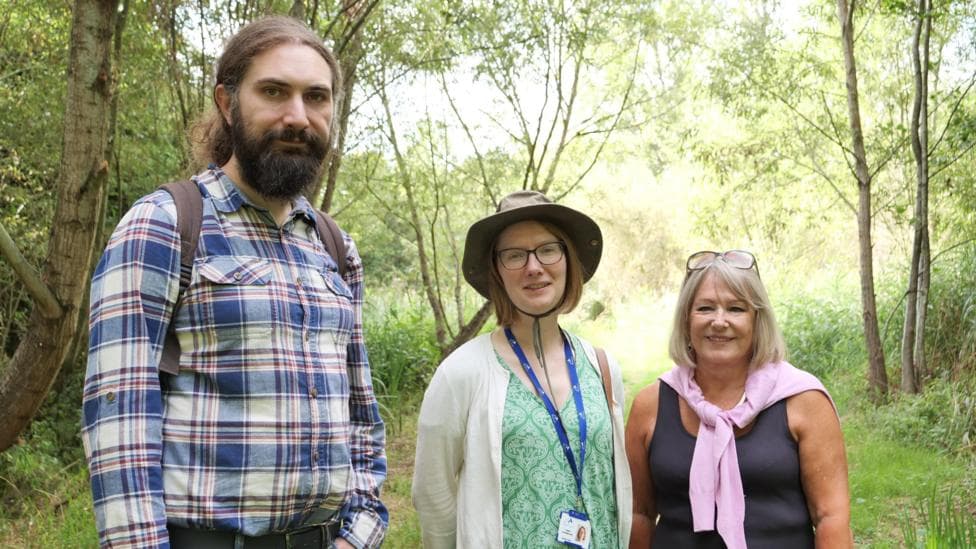
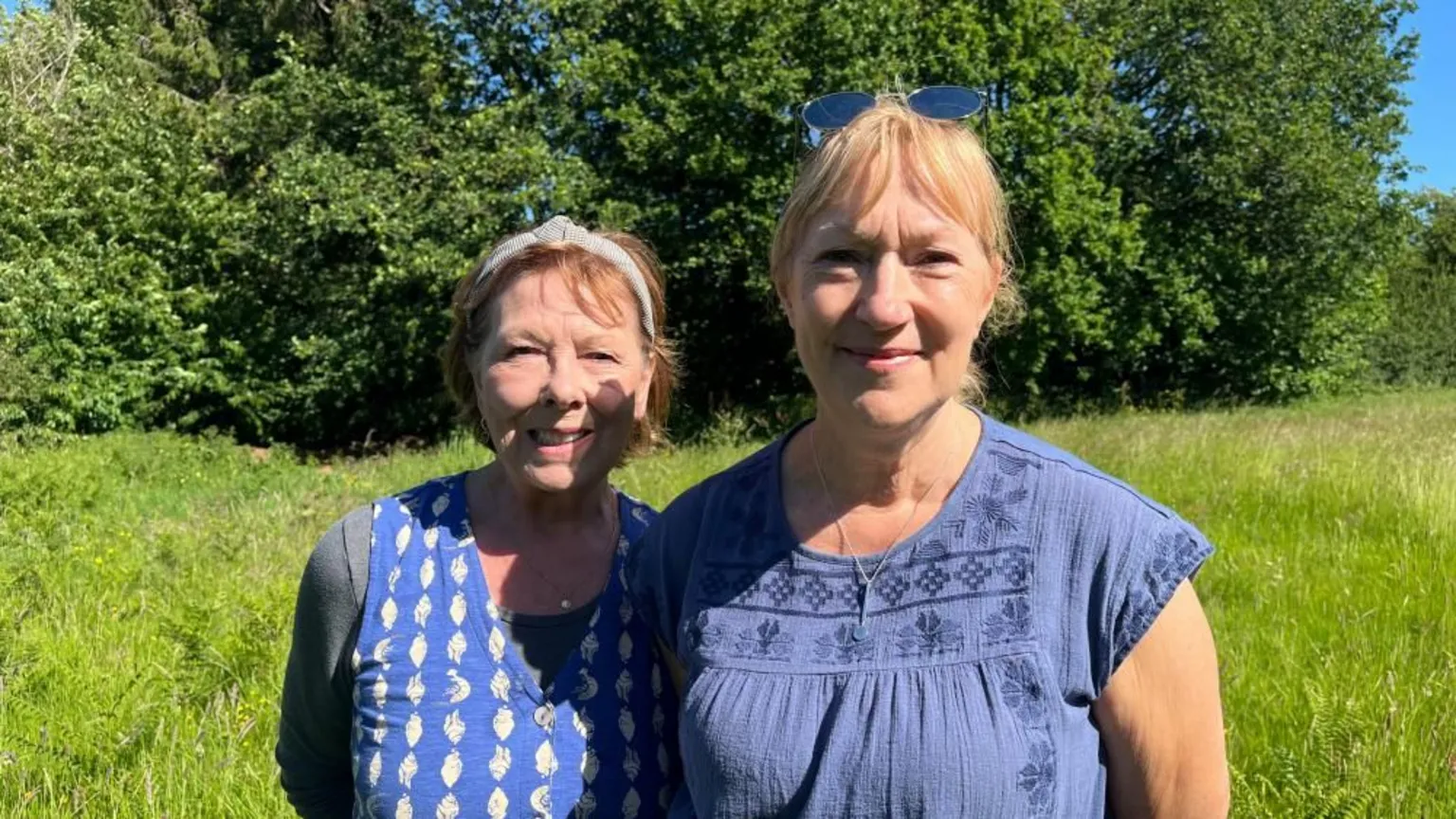
Volunteers Nikki Brooks and Lynne Taylor participated in planting the area, which includes species such as yellow rattle, hawkbit, clover, and ox-eye daisies.
"In the past it was just a field that was mown, whereas now we've got this beautiful landscape with all the seeded grasses," Brooks said.
"When you walk past the verges and see them all being left as they should be, it's brilliant," Taylor added.
"It really makes you appreciate what's there," she continued, noting that "you see something different every time you walk - it's great for your mental health."
Churchyard Provides Habitat for Slow Worms
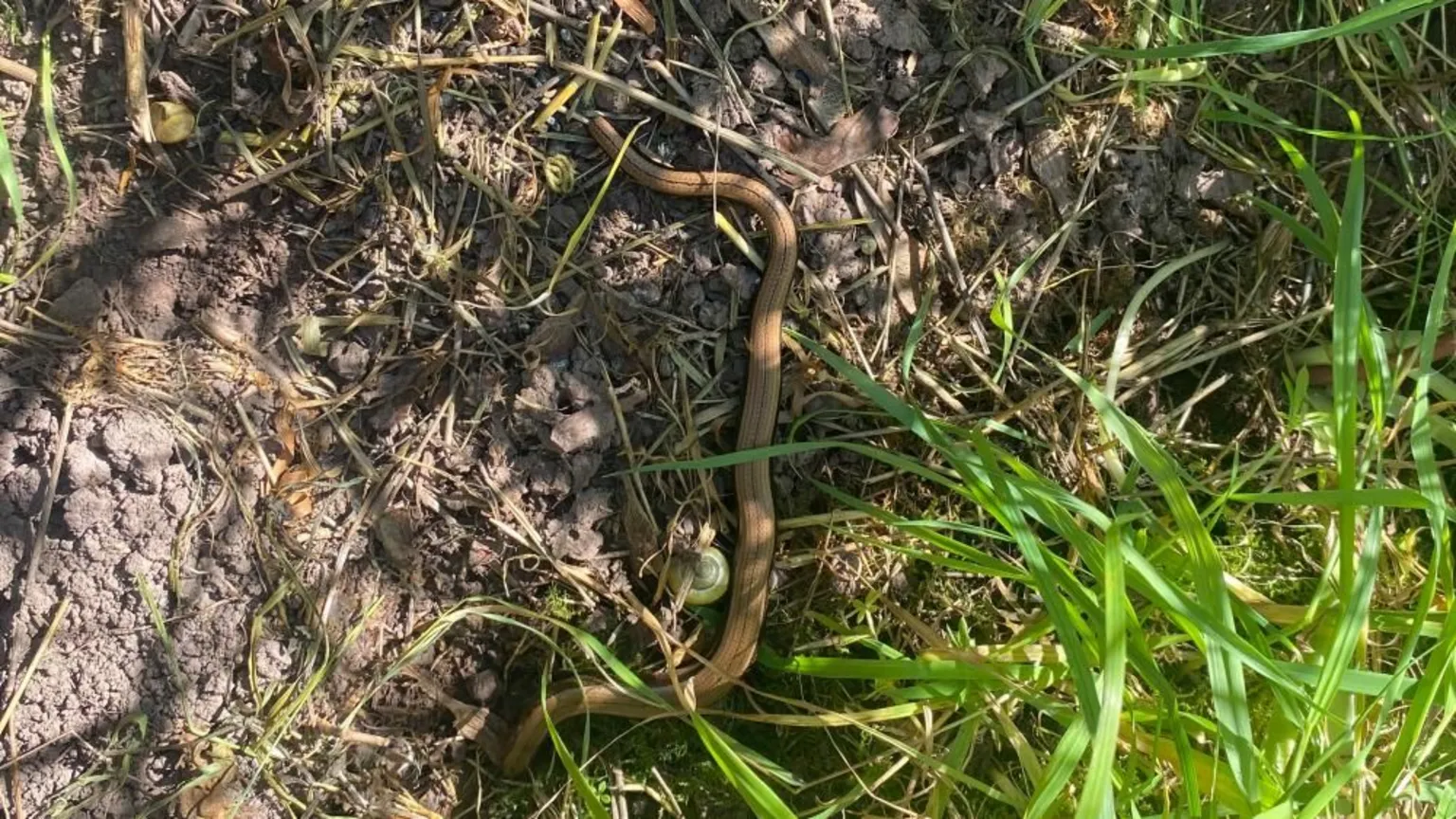
The village churchyard has become a refuge for local wildlife, particularly slow worms, a non-venomous legless lizard species often mistaken for snakes.
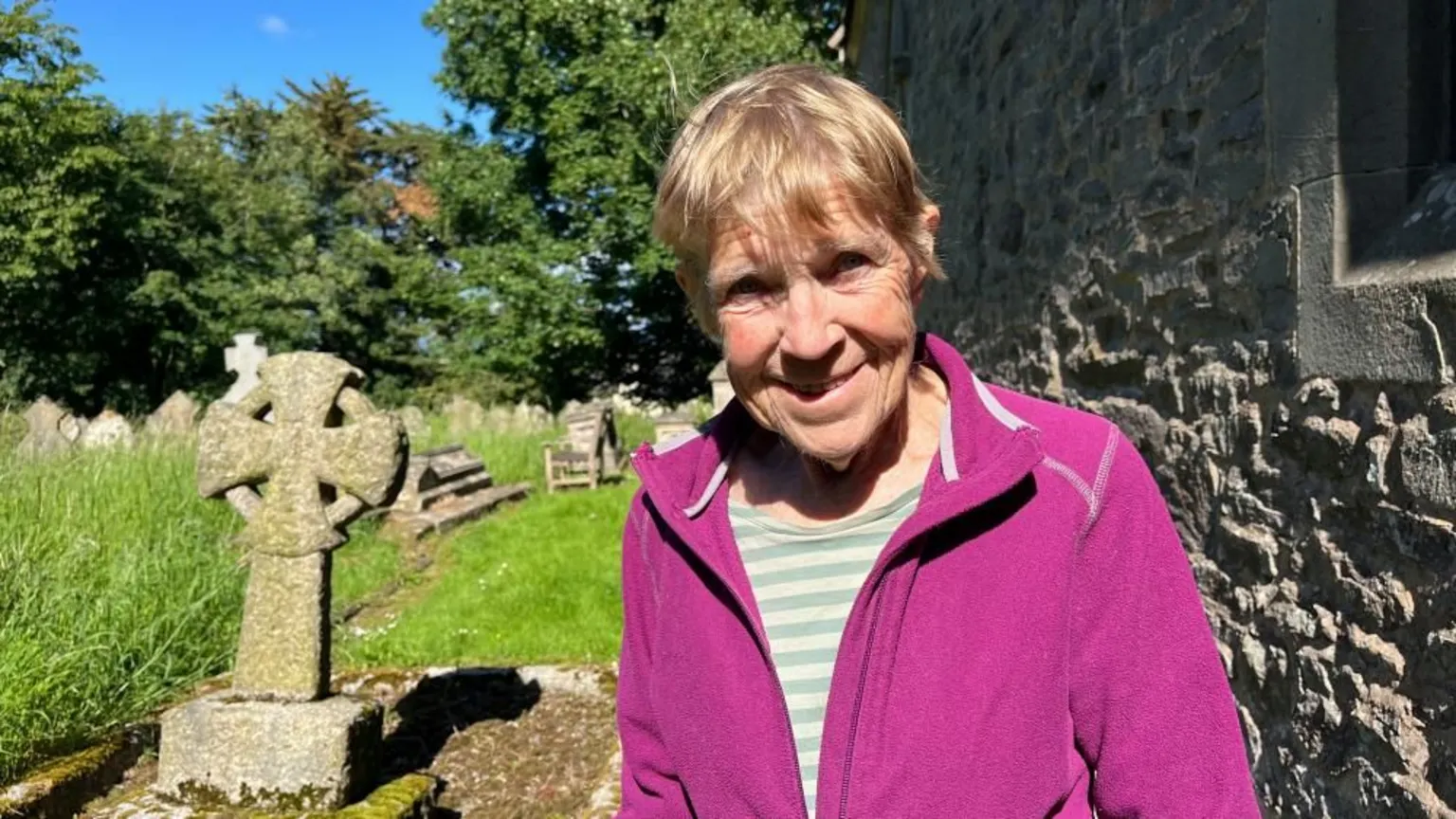
Kate Thorne, who places mats for various species to shelter under, commented on the reptiles' preference for the area.
"The reptiles 'love it in here,'" Thorne said.
She explained that churchyards are favored habitats for slow worms because they seek shelter in stone walls during winter and hide among tall grasses.
"We've hung on to the slow worms and they obviously like it here."
Preserving Historical Sites and Nature
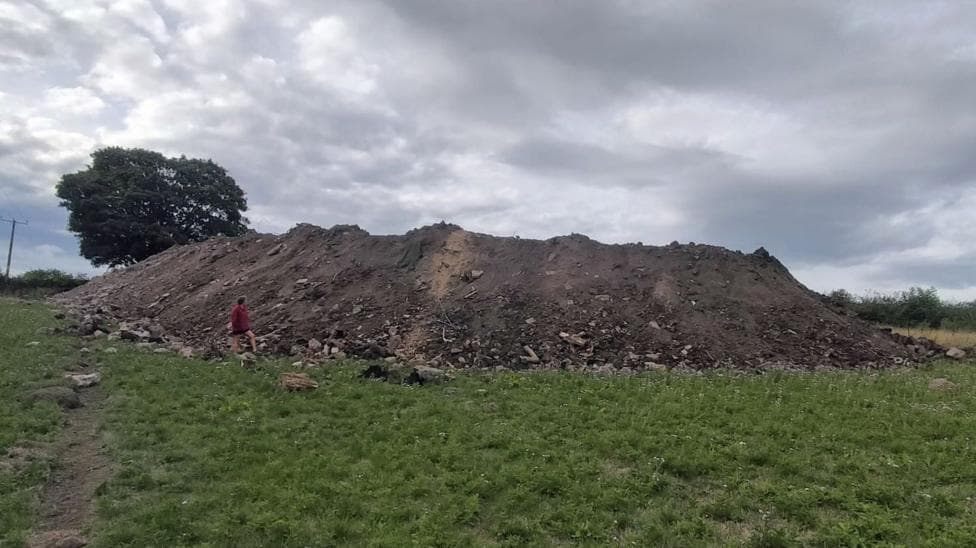
Within Castle Pulverbatch lie the remains of a motte and bailey castle, believed to be over 1,000 years old.
Phil Holden, affiliated with Shropshire Hills National Landscape and a volunteer with the group, noted that managing bracken and encouraging wildflowers also benefits this ancient site.
"Cutting stabilises the grass and turf, making a really robust surface for the monument," he said.
"It also makes it visible so people can see it, and it's a lovely open access site that kids love to run around," Holden added.
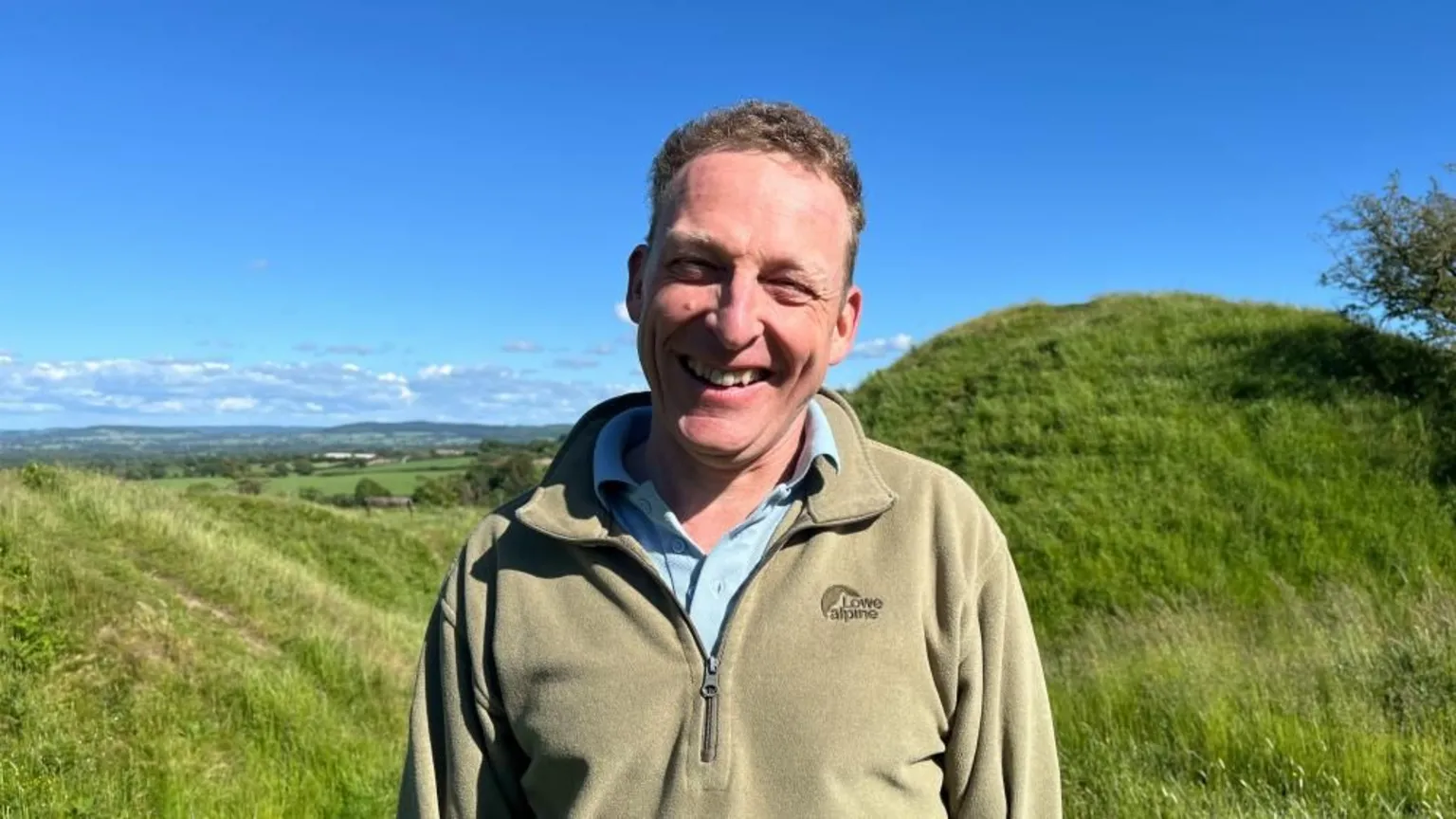
Holden emphasized the value of the Local Nature Recovery Strategy as a guiding framework for the volunteers.
"This is something that any parish can do, and there's this county-level framework to support us," he said.
Community Engagement and Inspiration
The volunteering initiative has been well received by local residents.
"I suppose it gives maybe people the idea that there's ways they could do things like that in their own community," a volunteer remarked.
Follow BBC Shropshire on , Facebook, X, and Instagram for more updates.