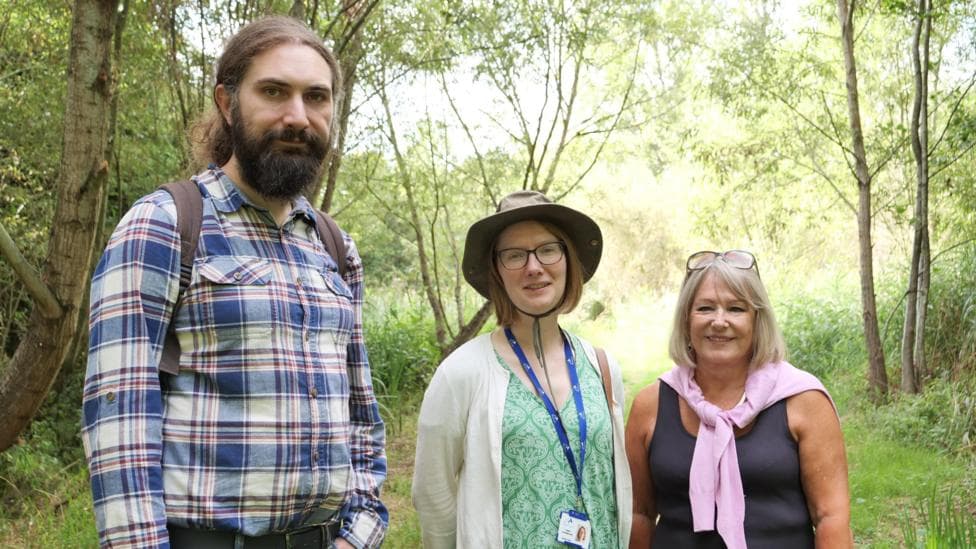
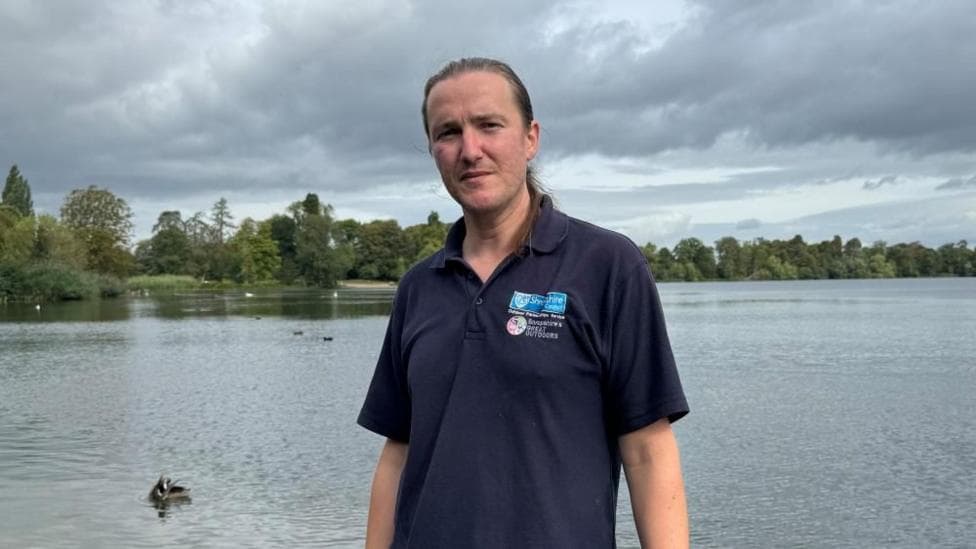
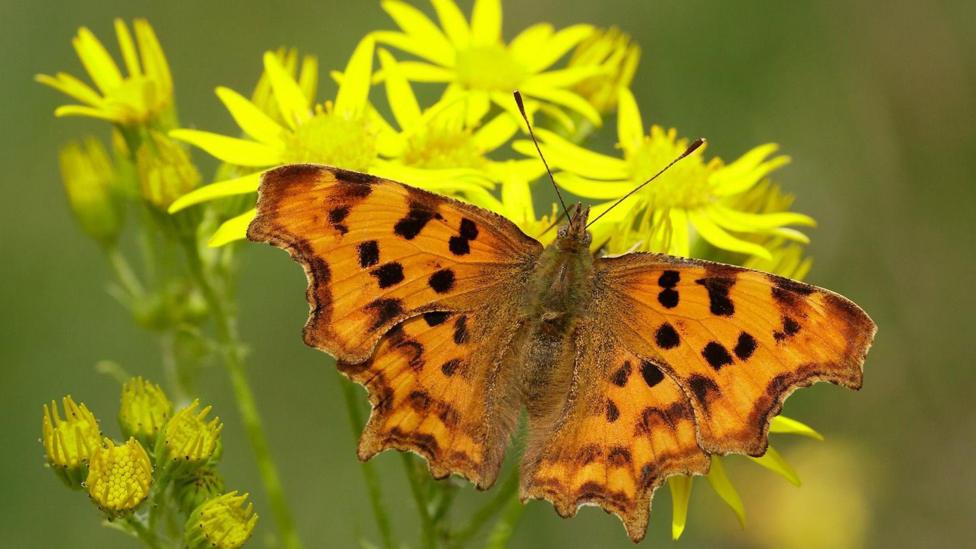
Great Comp Garden in St Mary's Platt, near Sevenoaks, Kent, has become a "successful micro-reserve" for butterflies by giving them more space and plants to thrive in. The garden said it hosts about 25% of the UK's entire butterfly species, with 16 species based at the site.
Typical gardens would only have between five and 10 different species of butterfly, but Great Comp is hosting a much wider range. The gardens also said that since the UK Butterfly Monitoring Scheme began in 1976, overall butterfly abundance has dropped by nearly 20%.
Why are butterflies doing well at Great Comp?
Great Comp is hosting a healthy mix of generalist and mobile species that are "flourishing" with regular appearances in the garden.
Specialist species are suffering population crashes due to habitat loss and pesticide use, but the planting at Great Comp has created conditions that support butterflies and other wildlife.
"It's wonderful to know that the mix of planting we grow at the garden has created this fantastic environment for the butterflies.
"We leave the nettles around the woodland edge to feed the caterpillars - so it's a very wildlife friendly garden."

Kristyna Kay-Clough, senior gardener at Great Comp Garden, said the approach has helped make the site a strong habitat for butterflies. The garden's mix of planting, along with leaving nettles around the woodland edge, is helping caterpillars and supporting the wider wildlife-friendly environment.
What does this mean for butterfly numbers?
The example at Great Comp highlights how habitat management can support butterfly diversity at a time when wider butterfly numbers are falling. The garden said the site now provides space and plants that allow multiple species to thrive, even as specialist species face pressure from habitat loss and pesticide use.
Follow BBC Kent on Facebook, external, on X, external, on Instagram, external and listen to BBC Radio Kent on Sounds. Send your story ideas to southeasttoday@bbc.co.uk, external or WhatsApp us on 08081 002250.
Rare butterfly population increases by 90 times
'Extinct' butterfly now breeding in Kent
Typical gardens would only have between five and 10 different species of butterfly