Extreme weather this summer has exposed critical vulnerabilities in Wales' food supply, with experts warning that winter flooding could worsen the crisis. According to BBC News, the country currently imports the vast majority of its fruit and vegetables, with only 6% of produce served in schools grown domestically. This heavy reliance on imports from climate-vulnerable regions poses a significant risk to food security.
Duncan Fisher, co-founder of Our Food Trust, argues that Wales must dramatically increase local horticultural production to build resilience against global disruptions. Despite 90% of Wales being used for agriculture, only about 0.1% is currently dedicated to horticulture. Fisher's organisation aims to establish 100 farms producing fruit and vegetables for local markets, addressing what he sees as a systemic weakness in the nation's food system.
The broader context underscores the urgency of this challenge. NFU Cymru launched a report on 11 November calling for investment, innovation, fairer supply chains and supportive policy to grow Wales's crops and horticulture sectors. Additionally, a 2026 report on food insecurity found that 37% of people in Wales's most deprived communities were food insecure, highlighting how supply chain fragility disproportionately affects vulnerable populations.
Why is Wales so dependent on imported food?
Wales relies heavily on produce from parts of the world prone to droughts and fires. Fisher explained the structural problem:
We are hugely dependent and these vegetables are coming from really vulnerable parts of the world like south Europe and north Africa - the areas most prone to drought, fires, and overheating.
The UK's centralised food system compounds this vulnerability. Fisher noted that
the UK has an incredibly centralised food system with 95% of the food we eat bought from nine supermarkets, and described how
there's no storage, it's a just-in-time system so the food is stored in lorries moving across motorways. This approach creates multiple risks:
That is a security hazard because it's very vulnerable to cyber attacks. If the system goes wrong, there's no resilience in it. The food just runs out straight away.
These concerns gained prominence when Defence Secretary Wes Streeting advised in October that people should stockpile water, tinned goods, baby food, torches and mobile phone charging packs in case of emergency—a statement that underscored the government's own concerns about supply chain fragility.

What barriers prevent local food production?
Fisher and Sue Holbrook launched Our Food Trust approximately a decade ago with the goal of expanding local produce for regional markets. Their research identified stable housing for farmers as one of the primary obstacles to growth. Fisher explained the practical necessity:
If there's a high wind during the night, they need to get out there and protect things. If a sheep gets in, they have to get the sheep out before the entire thing is destroyed in an hour. So they have to live there.
Planning regulations have historically made it extremely difficult to construct homes on farmland. However, by collaborating with Powys council and Bannau Brycheiniog National Park Authority, Our Food Trust has managed to build three temporary homes for farmers on 36 acres of council-owned land, with three additional homes currently under construction.
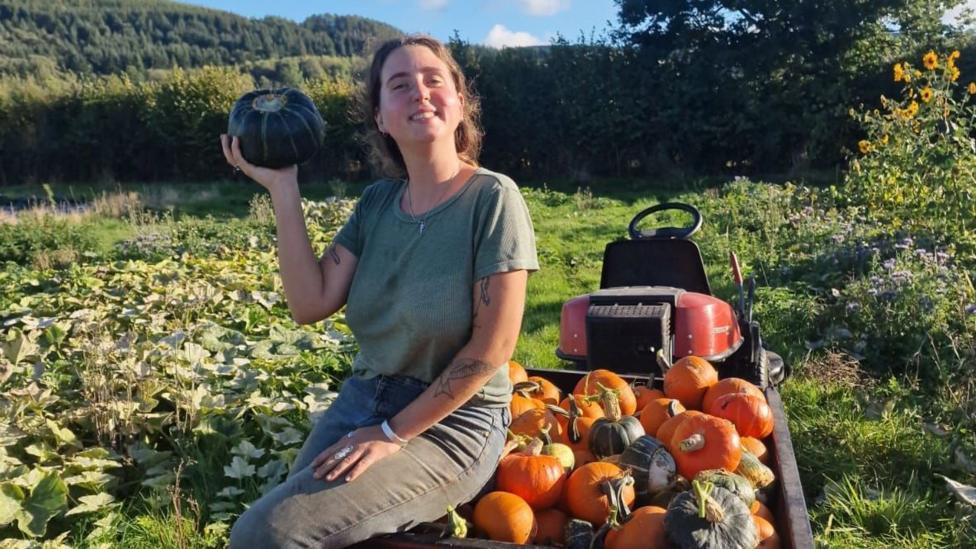
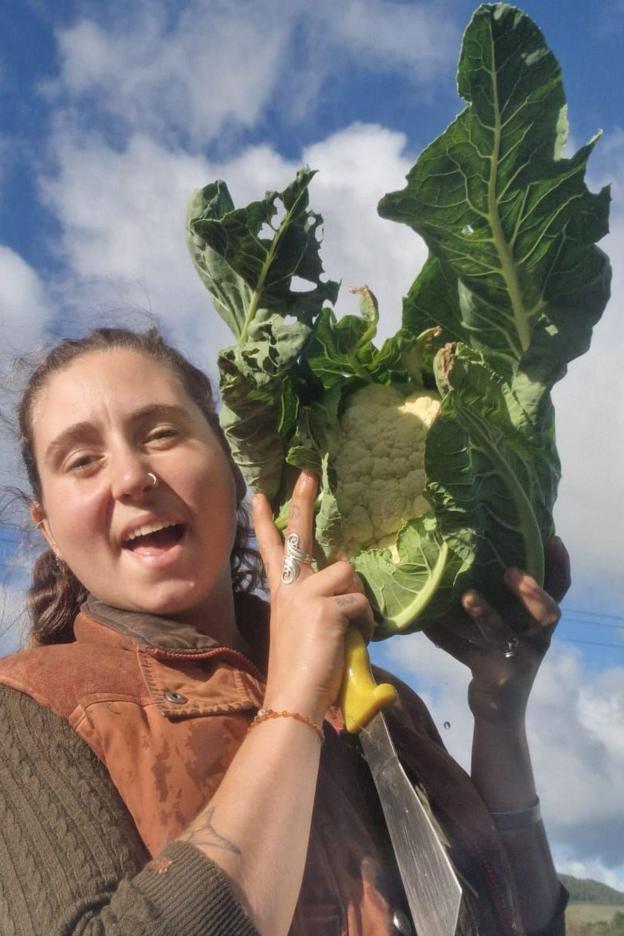
Lydia Dibben, a 28-year-old grower at Wern Farm near Newtown, Powys, confirmed that land access represents one of the biggest barriers for new farmers. She explained that without the housing provided by the project, she would need to take another job to afford rent, leaving insufficient time for farming.
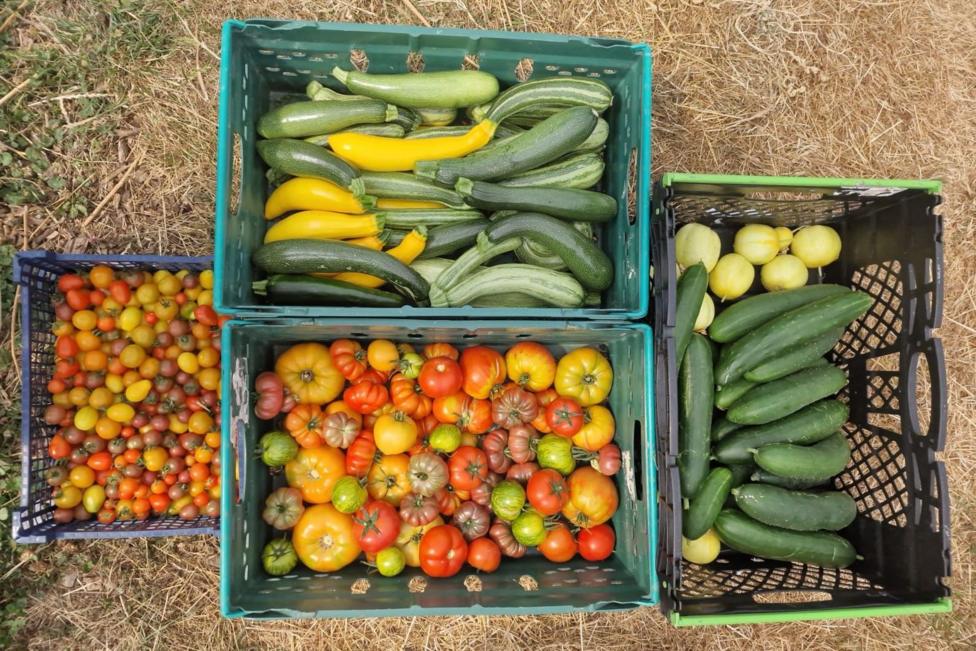
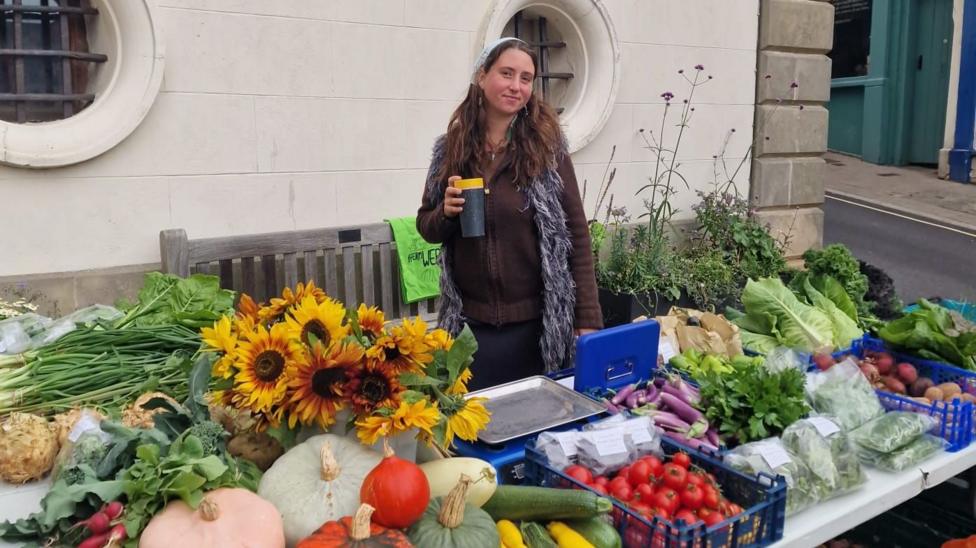
I'm only growing on about just over an acre this year, and we're now doing 50 veg boxes a week. We've been doing four farmers' markets a month up until the beginning of October. We're also supplying into regional and national wholesale as well. I don't know how many people we're feeding, but it's got to be hundreds of people on just a couple of acres.
Dibben believes many people want to pursue similar work and should be given access to land and affordable housing to do so. Her experience demonstrates the potential: a pilot scheme at Sarn, Powys, now supports five new growers across three horticultural businesses with accommodation, shared infrastructure and local-market access. The scheme's veg-box operation sold 455 boxes to 60 nearby households in the final five months of 2025, showing strong local demand for locally-grown produce.
How did the summer drought affect growers?
Dibben described the past summer as the most challenging she had experienced in five years of growing. The extreme heat forced her to adopt an exhausting schedule:
I was getting out to the field at 05:00, and then working until it got just too hot to be outside, which was like 11:00 some days, maybe even earlier.
Working in polytunnels became impossible by 09:00 due to the heat. When temperatures made outdoor work unsafe, she retreated indoors
just survive until it was cool enough to go back outside at probably 17:00, then worked until midnight attempting to water everything. The water demands were unprecedented:
I did not usually have to worry too much about not having enough water, but this year was completely different. Even the things that you felt like you were giving as much water as you could were still not growing as much as they should be. Everything was slower and stunted. We've not had the water bill yet for this summer, but I dread to think. We've just not had the crops to make it worth it.
Dibben acknowledged that such extreme conditions may not occur every year, but she accepts that hotter summers and unpredictable weather patterns including flooding will become more frequent. Her experience reflects broader challenges facing UK agriculture: farmers across Essex reported devastating crop losses, with yields plummeting 11–40% following extreme weather, raising concerns about farm viability and future food prices.
What does the future of Welsh food production look like?
Dibben envisions a distributed network of small-scale farms as part of the solution. She acknowledged that larger operations producing wheat, barley, beef or sheep will always be necessary, but proposed an alternative vision:
I think if there was a farm like ours every 10 miles throughout Wales, that would be a pretty great future in my eyes.
She also stressed the need to rethink crop selection for a changing climate. Dibben noted that many people in the UK believed the country would
avoid many of the real challenges of climate breakdown and just be able to grow grapes and peaches, but the reality demands more careful planning:
We're going to have to really think a lot harder about how we're producing food, even in this country.This includes identifying which vegetables perform best in hotter climates.
Government responses suggest movement toward these goals. The Welsh Government reported that the number of horticultural enterprises registered with its support service has risen 52% since 2023, and it offers grants for horticulture start-ups and diversification. A Welsh Government spokesperson stated that
significant progresshad been made on plans to create a national food strategy targeting
a more resilient, integrated and sustainable food system, with particular focus on
how to grow more fruit and vegetables in Wales, and we have already begun mapping the current position of the sector with key stakeholders.
The UK government's Department for Environment, Food and Rural Affairs added:
We recognise the hurdles that our vital fruit and vegetable growers face, which is why we are slashing planning red tape and investing £200m to help farmers trial crop boosting technology. The prime minister has made clear that food security is national security, and we're working across the farming sector to make supply chains more resilient.
What happens next for Wales's food strategy?
Recommendations for Wales's National Food Strategy could be presented to ministers before publication in 2027, with current work encompassing edible horticulture, school food and the meat supply chain. The strategy represents an opportunity to translate growing recognition of food security risks into concrete policy changes that support local producers and build the resilient food system that growers like Dibben and Fisher argue is essential for Wales's future.