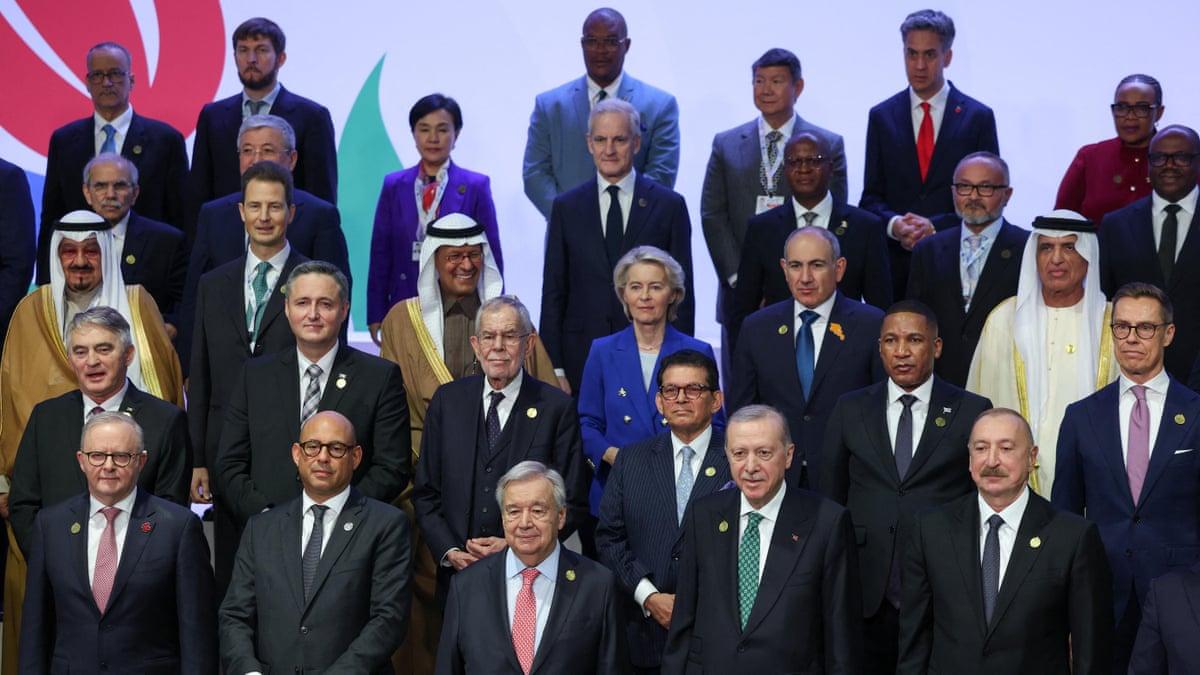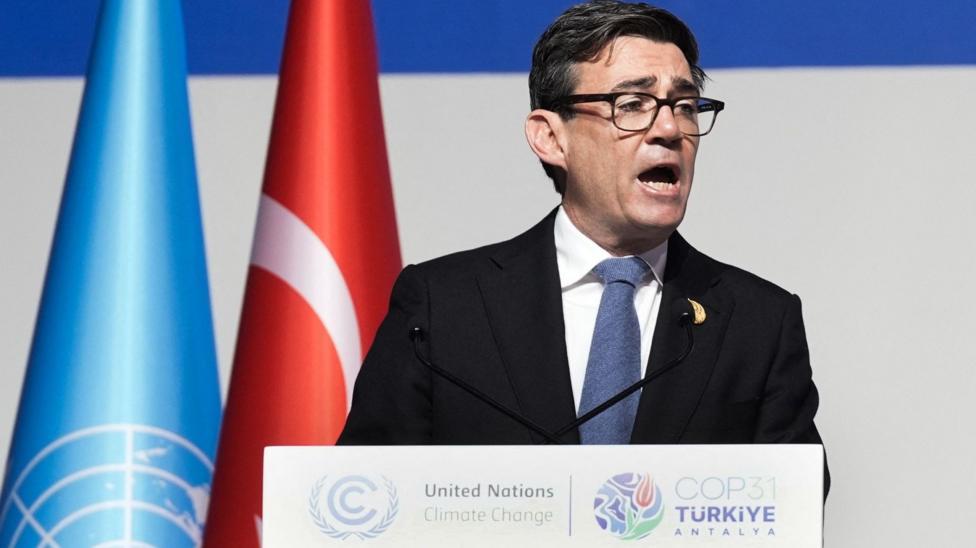
Prime Minister Andy Burnham has warned that the international consensus on both the science of climate change and the need for action has "gone", yet he pledged that the UK would launch a "new era of British leadership" on the issue. Speaking at the COP31 climate summit in Turkey on 12 November 2026, Burnham was the only G7 leader to address the conference, a notable absence that underscores weakening political commitment to the global climate process. According to BBC News, environmental campaigners at the summit challenged the Prime Minister to translate his rhetoric into concrete policy action.
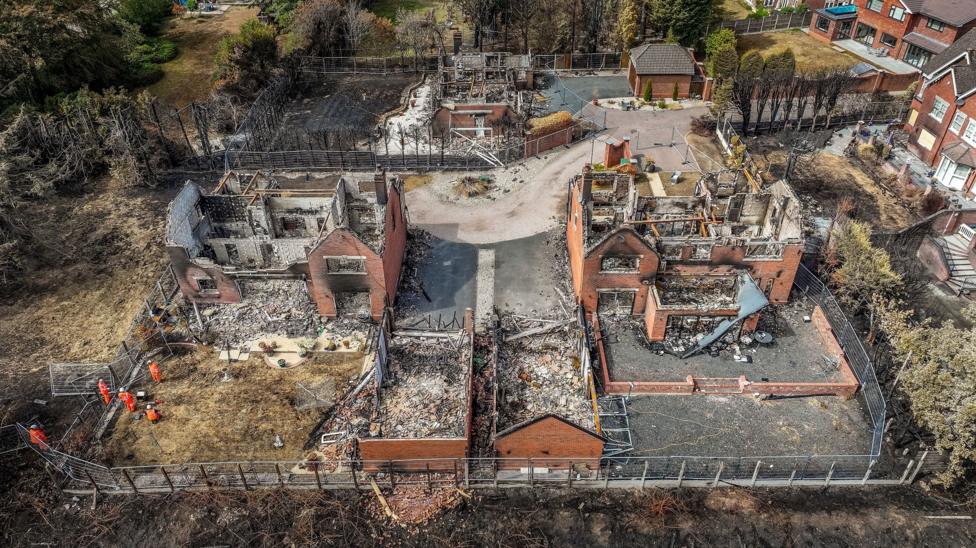
Burnham opened his remarks by reflecting on the extreme heat that struck the UK during the summer of 2026. He described conditions as unprecedented: the season was the hottest on record, made 130 times more likely by climate change according to the Met Office. The consequences were severe—hundreds of schools shut their doors, cereal harvests fell by 11%, and ambulance services fielded calls at levels exceeding those recorded during the Covid-19 pandemic. In response to these threats to public health and property, the Prime Minister announced the creation of the world's first climate security envoy, a position to be held by Dame Madeleine Alessandri, the former head of the Joint Intelligence Committee.
Alessandri stated that "climate change and nature loss are increasingly shaping the security environment in which the UK operates," and warned that this reality was "placing additional pressure on resources, economies and communities around the world." According to reporting on the appointment, she will work with UK and international partners to improve understanding of climate threats, build resilience and strengthen preparedness. A UK government assessment has warned that climate-related ecosystem damage could disrupt food supplies and contribute to conflict and migration, with the UK importing approximately 40% of its food.
What is Burnham's climate strategy?
The Prime Minister reaffirmed the UK's commitment to reaching net-zero emissions by 2050 while simultaneously reducing household energy bills. He identified cutting dependence on fossil fuels and expanding electrification—the proportion of energy generated from renewable sources—as central to this dual objective. Turkey, which is co-hosting COP31, has made a key summit goal the commitment by nations to source 35% of their energy from electricity by 2035, up from the current global average of approximately one-fifth.
Beyond domestic measures, Burnham announced UK support for the Amplify programme, which aims to attract £5 billion in private finance for clean-energy projects worldwide. The government also approved two offshore wind projects the day before the speech, with Burnham stating they would generate billions in investment, power millions of homes and create thousands of jobs. He emphasised that energy security, employment and lower bills would result from this transition.
Why are critics questioning the government's commitment?
Environmental advocates have accused Burnham of hypocrisy, pointing to recent policy decisions that appear to contradict his climate rhetoric. Beth John, climate adviser at Oxfam, stated:
The Prime Minister simply cannot call for clean power across the world while saying yes to more fossil fuels in the UK.
Last month, the government approved the Jackdaw gas field in the North Sea, justifying the decision on energy security grounds. In the same period, Chancellor John Healey cut funding to the Warm Homes Plan, which provides grants and loans for heat pump installation. Additionally, media reports this week have suggested the government is considering weakening electric car sales targets, though officials maintain no final decision has been reached. Both the transition from petrol and diesel vehicles to electric cars and the shift from gas boilers to electric heat pumps are essential to achieving the 35% electrification target.
What does this mean for UK climate policy?
The appointment of Alessandri as climate security envoy signals the UK's intention to prioritise climate resilience when it assumes the G20 presidency in 2027. During that tenure, Burnham said the UK would place climate resilience back on the agenda alongside debt, development and insurance. This positioning reflects a shift in how the government frames climate action—not merely as an environmental imperative, but as a matter of national and international security.
Professor Lord Nicholas Stern, who two decades ago identified that unchecked climate change could cost the global economy up to 20% of GDP, endorsed Burnham's framing. He said:
The Prime Minister was right to identify climate change as a threat to security around the world, and the importance of investments in clean electricity generation as the best way of protecting households and businesses from the high prices and volatile markets for fossil fuels.
King Charles III, though absent from the summit, sent a message ahead of Burnham's speech. He wrote:
As the world gathers for Cop31, I can only hope that this same spirit of partnership and common purpose can help inspire the collective action that our planet – and future generations – so urgently need. Our children and grandchildren will not judge us by the promises we made, but by what we chose to do.
What is the broader context at COP31?
Burnham's acknowledgement that "the consensus we once enjoyed on science and climate has gone, and the reality is now the world will reach 1.5 degrees" reflects a sobering shift in climate diplomacy. The 1.5-degree target, central to the Paris Climate Agreement, is increasingly viewed as unattainable. The United States, which withdrew from the Paris accord under President Trump, has been notably absent from the COP process over the last two years.
Island nations including Tonga, Tuvalu and the Solomon Islands are among the leaders expected to address the conference. For these countries, climate change poses an existential threat. With most land lying only metres above sea level, rising waters have already forced many residents to abandon their homes. Last year, Australia—co-host of COP31—established the world's first climate visa for Tuvalu citizens seeking to evacuate. The first intake was massively overd, with more than a third of the population entering the ballot.
As glaciers continue melting and oceans expand, average sea levels are projected to rise further and potentially accelerate. The World Meteorological Organisation reported on the opening day of COP31 that the global mean sea level had reached its highest level since records began.

What happens next?
COP31 continues from 9 to 20 November 2026 in Antalya, Türkiye. The UK will assume the G20 presidency in 2027, when Burnham indicated it would prioritise climate resilience alongside other critical global challenges.