
Decorative clothing repairs are shifting from niche hobby to mainstream fashion, with major retailers and designer brands now embracing the trend of turning holes and stains into intentional design features. According to BBC News, the movement has evolved from community workshops and individual crafters into a significant retail phenomenon, drawing participation from fast-fashion chains, premium brands and luxury designers.
Alice Brown, a 27-year-old forest ranger from Lincolnshire, exemplifies this shift. Rather than avoiding damaged garments in second-hand shops, she actively seeks them out as opportunities for creative expression. She has developed a distinctive approach using needle-felting to apply cute animals and insects over moth holes and stains, building a substantial online following through her work.
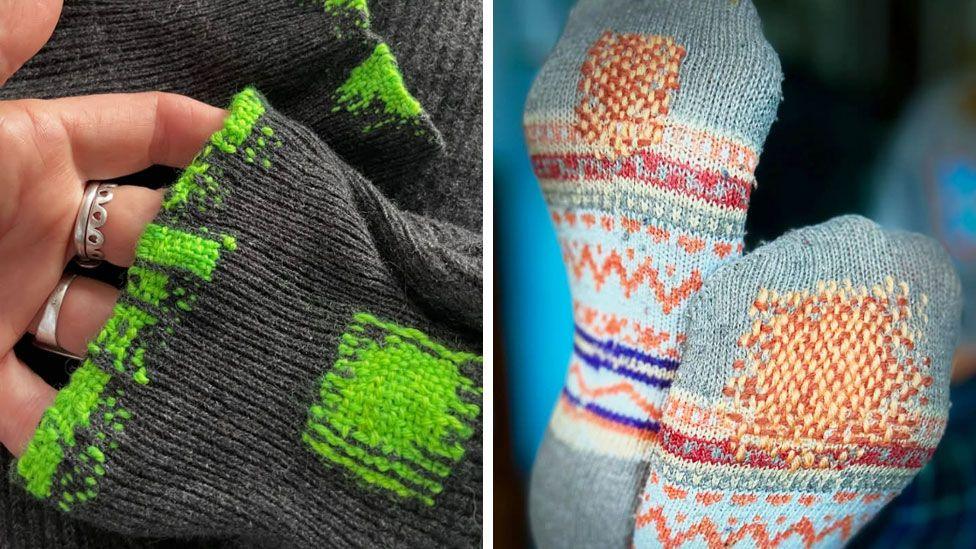
How did visible mending become a fashion statement?
The practice emerged from a deliberate rejection of throwaway culture. Jayne Eagle, who runs Saturday morning repair workshops in Brighton, describes the movement as an
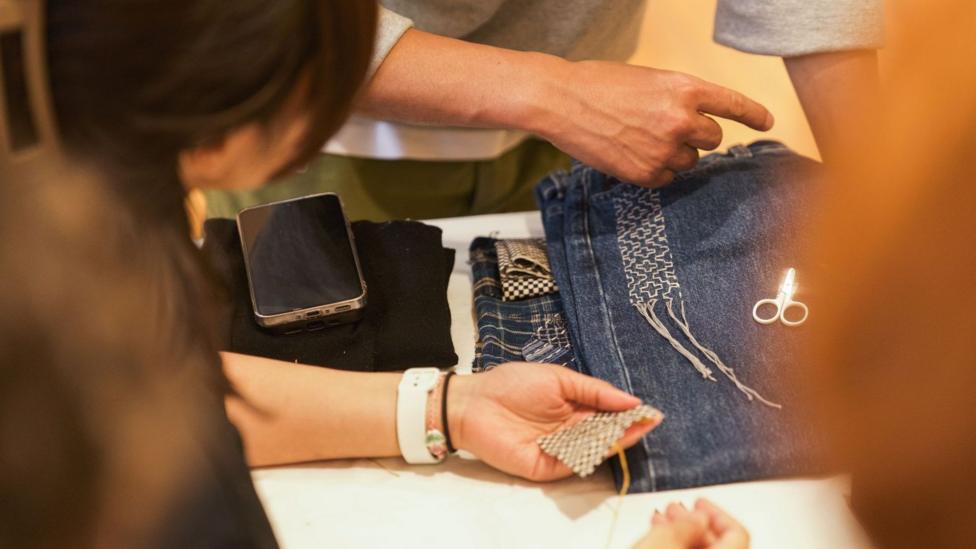
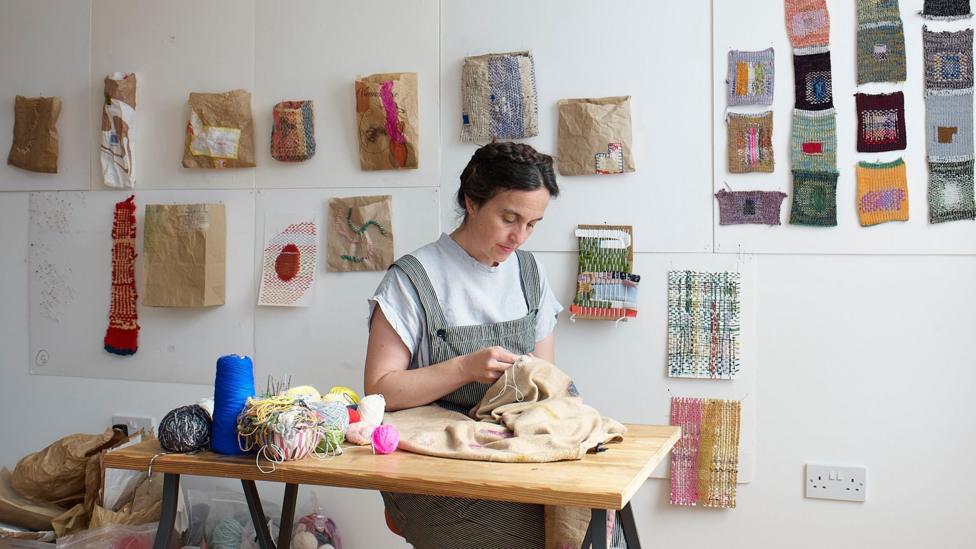
"act of rebellion" against fast fashion. Her classes teach students traditional Japanese techniques including Boro and Sashiko, where practitioners deliberately use contrasting thread colours and geometric patterns to make repairs highly visible rather than concealing them.
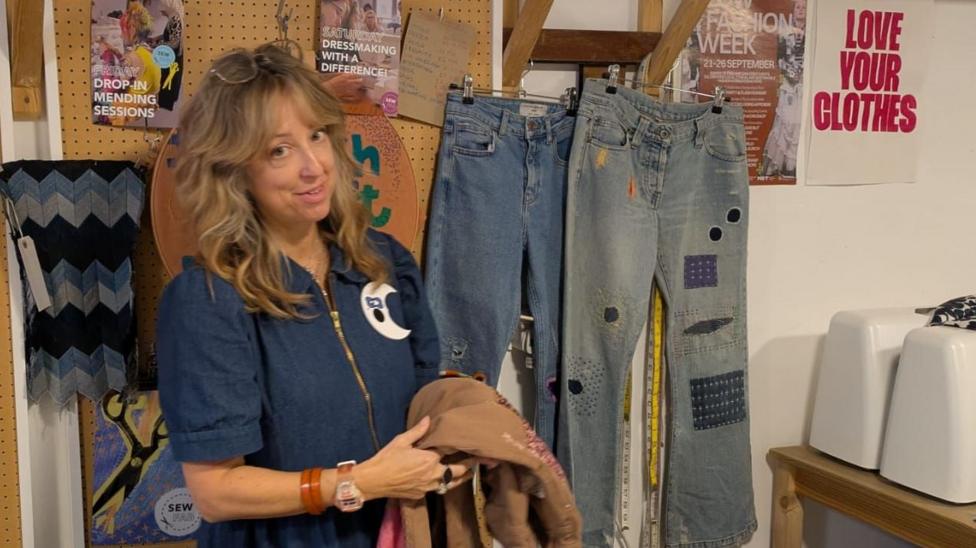
The trend took off approximately six years ago and has accelerated significantly since, according to Eagle. She attributes the revival to a backlash against overproduction in the fashion industry and its environmental consequences: pollution, carbon emissions, excessive water consumption and poor labour conditions.
Workshop participants report a generational shift in attitudes. One student, Lisa, notes that her mother's generation would have been embarrassed by visible repairs, whereas contemporary crafters take pride in their work. After accidentally cutting fabric while opening a second-hand jacket, Lisa patched it in a way that
"looks intentional"and now actively points out the mend to others.
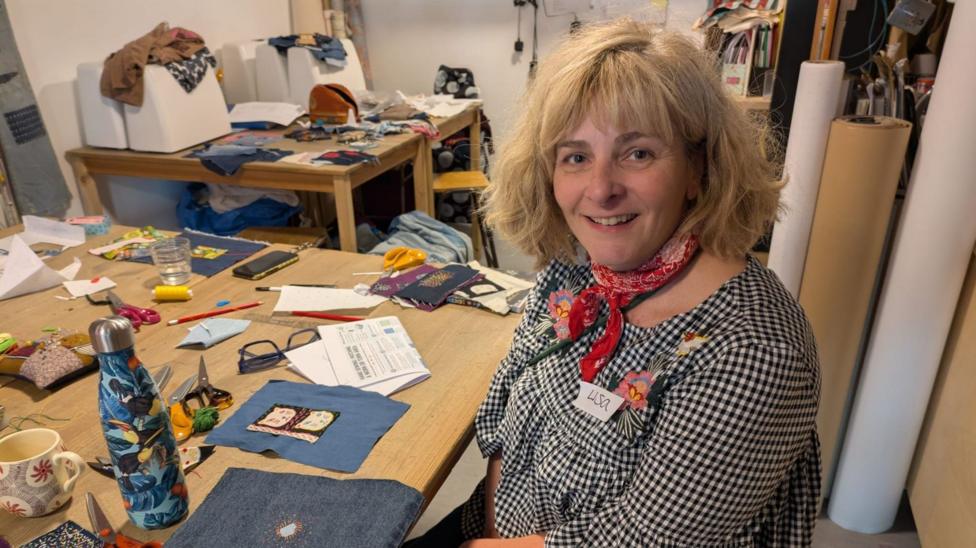
Another student, Nicola, used her new skills to stitch over sunscreen marks on a T-shirt, transforming what was previously seen as a flaw into a decorative feature. She reports that people now
"stop seeing the stains and just see the decoration".
Why are major retailers adopting visible mending?
The commercial sector has recognised both environmental and commercial value in repair services. Uniqlo offers decorative mending using Sashiko techniques aligned with the brand's Japanese heritage, with Maria Ledous, the company's head of sustainability, stating that the retailer wants to
"give customers practical ways to extend the life of the clothes they already love, rather than simply replacing them".
Primark, often associated with fast fashion due to its low prices, has also entered the market. Vicki Swain, the brand's longevity lead, emphasises that
"We don't think that affordability and durability should be opposites". Outdoor brand Finisterre reports that approximately one-fifth of customer mends are designed to be eye-catching, while premium retailer Toast estimates that around one-third of customers opt for decorative repairs.
Toast operates a team of 14 in-house repair artists and offers free mending services, though its "renewed" pieces command higher prices than originals to reflect their unique character. Chief executive Suzie de Rohan Willner describes the appeal as allowing customers to
"choose what they'd like it to become next".
Even luxury brands have embraced the aesthetic. Ralph Lauren and ultra-fast-fashion firm Shein currently sell stitched and patched garments, though these are typically brand new items designed to appear repaired rather than authentic repairs. Levi's, which has a long tradition of customer customisation using rhinestones and fringed cuffs, is rolling out a workshop programme this year.
What environmental benefits does repair provide?
Research demonstrates substantial environmental gains from extending garment lifespans. According to WRAP research, four out of every five repaired textile items displace a new purchase, with repairing a wool jumper hole instead of buying a replacement saving more than 16 kilograms of CO₂e. Manchester Metropolitan University research found that extending a garment's life by nine months can reduce its carbon, water and waste footprints by up to 20 percent.
A 2025 survey of 2,752 UK adults estimated that 1.4 billion clothing items are discarded annually, with 44 percent of respondents lacking confidence in basic stitching skills such as hemming.
Are younger consumers embracing visible mending?
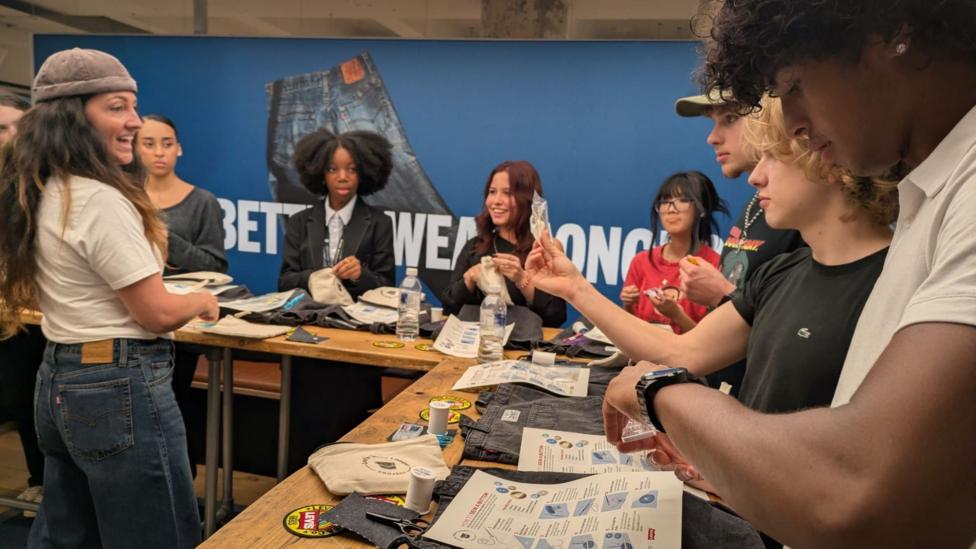
Generational attitudes toward visible repairs remain mixed. At a Levi's workshop launch in London, younger participants expressed varying perspectives. Bianca, a 16-year-old school student from East London, noted that visible damage still carries social stigma in her community, where
"If you have holes in your clothes people are like 'Ha ha! You're poor!'".
Theo, 19, stated he would prefer repairs to remain invisible, wanting his jeans to
"look how I originally bought them". He operates a side business selling clothes at car boot sales and believes traditional repair skills would improve his profitability. His friend Nicholas, also 19, expressed concern that visible mends make clothing appear as though it
"came out of a dumpster", with most people wanting to look
"fresh".
However, Paul Dillinger, Levi's head of global design innovation, believes younger consumers will adopt more creative approaches as they develop skills. He argues that
"No-one has time for that perfect 'straight from the shop' thing. That's not cool. People crave agency. Mending is a demonstration of humanity: it's not a mustard stain, it's a memory of a great day in the ballpark."
The Levi's workshops currently focus on traditional mending skills such as sewing buttons and hemming rather than visible decorative repairs, reflecting the preferences expressed by Gen Z participants at the launch event.
What role do community initiatives play?
Beyond commercial retailers, community-based repair services continue to expand. Oxford's Jericho Repair Shop opened in October 2026, offering free repairs for bikes, electrical items, computers and clothing, with organisers hoping to establish a monthly service if demand supports it. These grassroots initiatives complement retail offerings by making repair skills and services accessible to broader populations.
The visible mending movement represents a convergence of environmental consciousness, craft revival and fashion innovation. What began as a practical response to throwaway culture has evolved into a legitimate aesthetic embraced by everyone from individual crafters to multinational retailers, though generational attitudes toward the visibility of repairs continue to shape how different consumers engage with the trend.