Stella McCartney has spent three decades advocating for animal rights on the fashion week stage, often standing apart from her peers. This season, the conversation around cruelty in textile production has moved into the mainstream spotlight, particularly after a high-profile confrontation at New York Fashion Week. The designer's latest collection, unveiled in the gardens of the British embassy in Paris, doubled down on her commitment to eliminating animal exploitation from her designs while championing ocean conservation.
"There is no wool on the runway this season, and I'm proud of that,"McCartney declared following her show. She has invested in developing wool alternatives, including Brewed Protein, a fermented substitute for cashmere and wool created through collaboration with Japanese biotech company Spiber. This material debuted in her collections approximately one year prior.
The controversy surrounding wool production intensified after the Council of Fashion Designers of America's president resigned following a protest incident at New York Fashion Week. While the governing body announced a ban on animal fur for its September 2026 shows, wool remained unregulated—a gap McCartney views as insufficient.
What makes wool production problematic?
McCartney acknowledges the complexity of the issue.
"I've got alpacas at home, and I have to shear them. If you can shear a sheep in a kind, humane way, then I don't, personally, think that's the end of the world."However, she contends that contemporary industrial practices fall far short of ethical standards.
"When we do have wool in our collections it is responsibly sourced. But the way a lot of [wool production] is done today is deeply cruel."
An investigation by animal rights activists documented troubling conditions across the industry. The investigation examined more than 150 wool operations spanning seven countries across four continents, with footage from a certified South African farm allegedly showing sheep being kicked and injured during shearing.
How does McCartney ensure accountability?
The designer emphasizes that ethical sourcing demands constant vigilance.
"At the end of the day it's about how kind you are, but monitoring that kindness requires real work. At Stella, we police everything from start to finish at my cost, at my time. If I use wool, I can show you exactly where it's coming from, and I'm proud of that. But I'm alone in that, and I shouldn't be."Her frustration points to a broader industry failure to adopt comparable standards.
What is the ocean conservation message?
Beyond wool, McCartney's Paris collection centered on marine life protection.
"Sea life, not sea food. That's the point I wanted to make,"she explained. Her parents' observation about the contradiction between documentary enthusiasm and seafood consumption shaped her perspective.
"I've never eaten fish, really, but my mum and dad used to point out that one minute people are watching a sea life documentary with David Attenborough and exclaiming about this magical world and the next, they are looking at a seafood menu. It is grotesque."
"We are at war with the oceans, at war with the creatures that live in there. For every fish you eat, countless are thrown back dead."This message framed the entire collection, which featured ocean-inspired silhouettes and marine imagery throughout.
How did the collection reflect these themes?
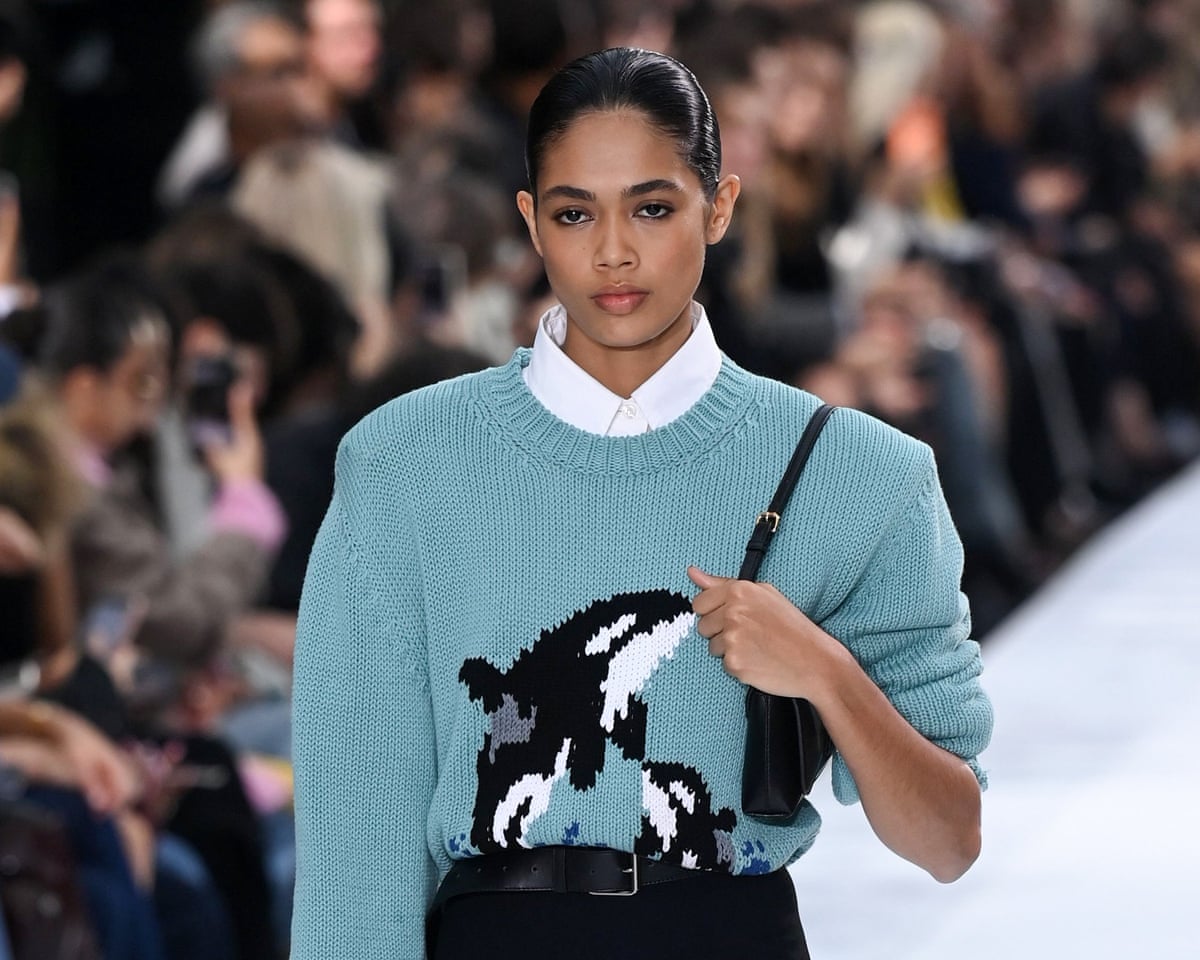
The show, held in the expansive grounds of the British embassy in Paris, opened with an invitation delivered via video message from 91-year-old Sylvia Earle, the renowned oceanographer who has logged more than 7,000 hours underwater. Models wore long-sleeved swimsuits styled as evening looks, dolphin-print T-shirts, and party dresses with wave-like hems reminiscent of Hokusai paintings. The collection balanced McCartney's signature elegance with unambiguous environmental messaging.

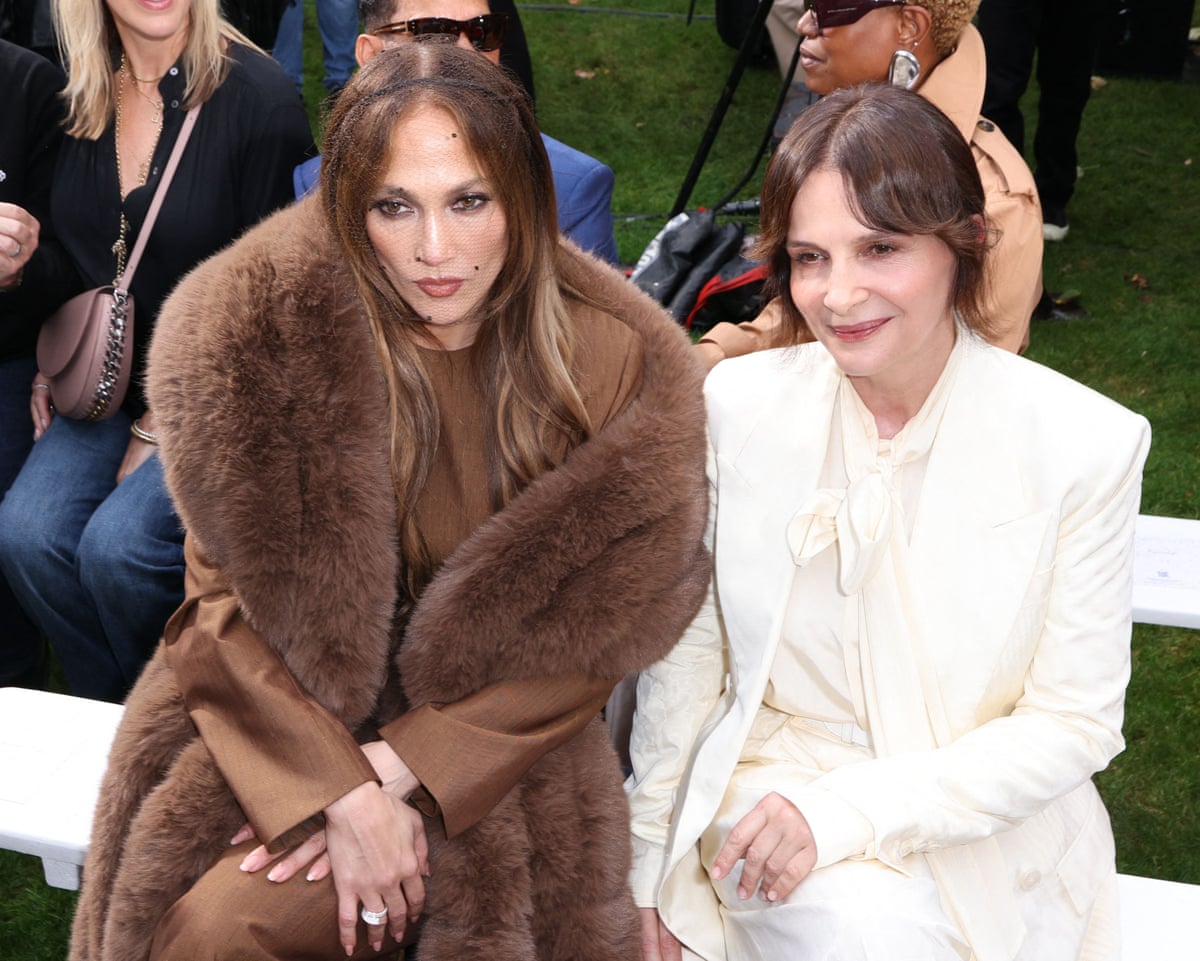
Front-row guests included Jennifer Lopez, who wore a skirt suit with faux-fur trim and a matching stole paired with a dramatic black net face veil. The presence of high-profile attendees underscored the tension between fashion week spectacle and substantive advocacy—a dynamic McCartney navigates constantly.

Why does this matter now?
McCartney's three-decade campaign for animal welfare in fashion has historically positioned her as an outlier. The recent industry upheaval, combined with growing consumer awareness, suggests her message is gaining traction. Yet she remains frustrated by the lack of systemic change. Her insistence on full supply chain transparency and her willingness to absorb the costs of ethical sourcing highlight the gap between individual responsibility and industry-wide reform. The Paris show demonstrated that luxury fashion can prioritize animal welfare and environmental protection without sacrificing design innovation or commercial appeal.