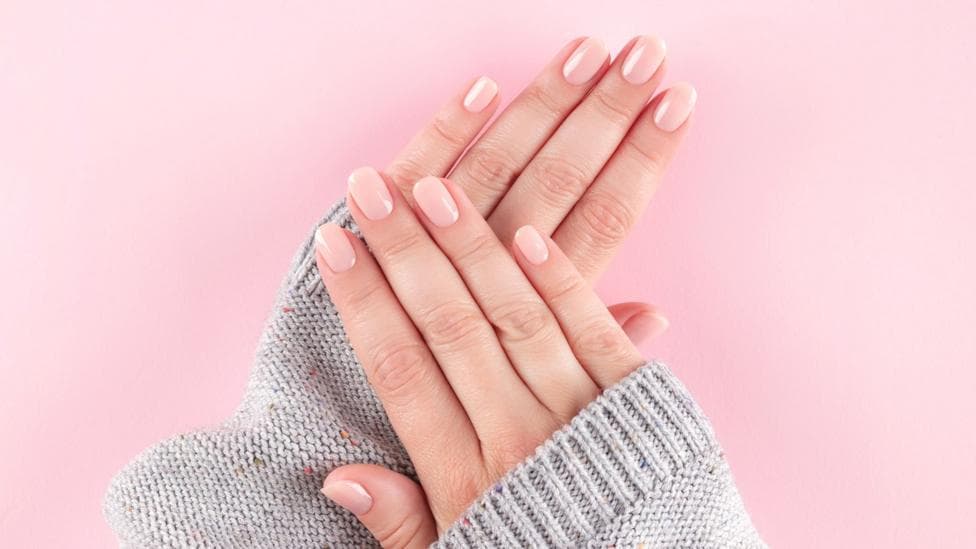
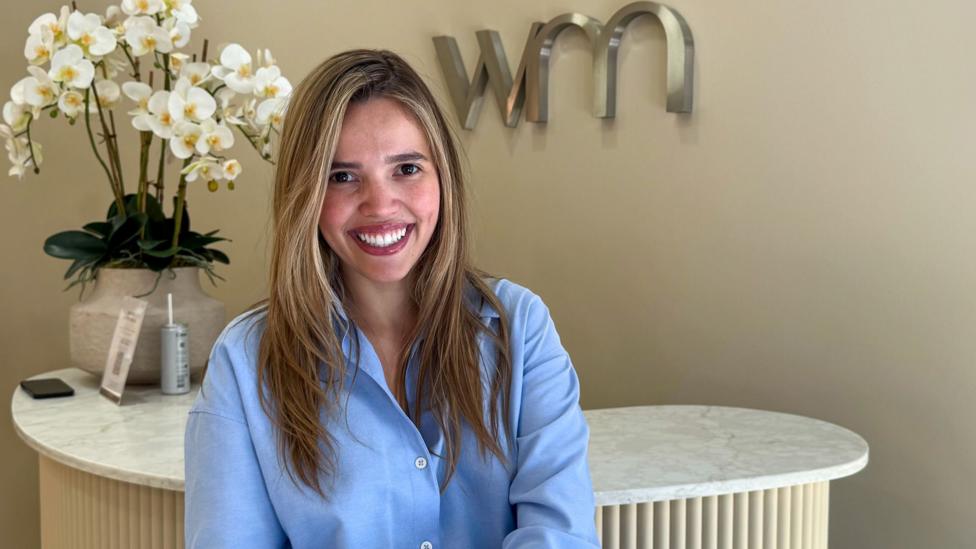
Paloma Buddemeier, owner of Wumman Spa in London, has noticed a striking shift in her salon over recent months. Customers arrive with a specific request: they want their nails to look as though they have never received professional treatment at all.
"It's crazy," Buddemeier says of the phenomenon. These visitors still undergo the full manicure process—filing, buffing, trimming, cuticle work, soaking, and hydration—but they leave with no polish applied whatsoever.
The driving force behind this counterintuitive salon visit is a viral movement celebrating bare, glossy nails. In recent months, artfully photographed images of unpolished nails have flooded social media platforms and dominated fashion runways and red carpet appearances. Many observers have identified this aesthetic as the latest embodiment of "quiet luxury"—a concept that prizes understated elegance over visible ornamentation.
Yet beneath this seemingly simple beauty choice lies a more complex conversation about class, cultural identity, and who holds the power to define taste. Critics argue that framing bare nails as a status symbol risks erasing the cultural and creative contributions of communities that pioneered nail art as a form of self-expression.
The cultural roots of nail art and whose voices matter
The history of manicures reveals that nails have long carried messages about social position and identity. Fashion journalist Suzanne E. Shapiro, author of "Nails: The Story of The Modern Manicure," explains that women's self-presentation has always held profound political and cultural weight.
In 13th century Imperial China, the elongated nails cultivated by nobility and the delicate brass shields protecting them signalled a life untouched by manual labour. During the 1800s, a single layer of rose-tinted waxy salve indicated health and vitality, while two layers—in an era when cosmetics were morally suspect—marked a woman as vain or morally loose. When Revlon introduced red at-home nail lacquer in the early 1930s, it became a symbol of modern women rejecting oppressive beauty judgements.
However, women of colour fundamentally transformed manicures into an accessible and celebrated form of artistic expression. Entertainer Josephine Baker, disco icons Diana Ross and Donna Summer, and Olympic sprinter Florence Griffith-Joyner—whose dramatic acrylic sets often overshadowed her record-breaking achievements in media coverage—all pioneered innovative nail designs. Celebrity nail artist Celeste Hampton reflects on this history:
"These were times that it was hard for black women to be able to express themselves. [Nail art] allowed black women to express our form of softness, our form of femininity, our form of beauty."
When waves of Vietnamese refugees established nail bars in the 1970s, professional manicures transitioned from luxury goods available only to the wealthy into services accessible to broader populations. This democratisation of beauty, however, triggered a familiar pattern among the affluent.
When luxury pivots away from the masses
As manicures became more popular and affordable, the wealthy began abandoning them—a behaviour pattern known as "counter signalling," according to beauty journalist Kristina Rodulfo.
"The same way that logo bags are considered gauche or quiet luxury is more aspirational, bare nails are considered the trend now. The examples are almost always white women or celebrities... [and] they'll often conflate class and taste with that bareness."
Rodulfo raises a deeper concern about what this trend communicates culturally.
"That trend really promotes blankness and this kind of sameness and erasure of culture and identity that is so important to black and brown communities. They are often called elegant or tasteful, and these are often usually euphemisms that perpetuate white supremacist standards of beauty."
The irony, Shapiro points out, is that bare nails are not actually natural or effortless.
"The irony in all this is these natural nails are not natural either. They also require a lot of grooming and sometimes pretty premiere services."At Wumman Spa, some clients spend hours in the chair while nail artists construct hyper-realistic artificial nails in sheer, glossy neutrals—a labour-intensive process designed to mimic the appearance of untouched hands.
The trend has gained significant momentum on fashion runways. According to reporting from a major fashion publication, the bare-nails aesthetic continued to dominate major 2026 runway shows, including presentations by Marc Jacobs, Altuzarra, Tommy Hilfiger, Michael Kors, Ralph Lauren, and Carolina Herrera. At Marc Jacobs's Fall/Winter 2026 show, nail artist Jin Soon Choi groomed models' nails with no gel or polish, while Altuzarra employed sheer shades matched to individual skin undertones. Fashion coverage in August and September 2026 framed the trend as part of a broader "nailmaxxing" or "quiet luxury" moment, with naked nails highlighted at Copenhagen Fashion Week and in New York Fashion Week recaps.
Why some people are stepping away from polish
Not all participants in the bare-nails movement are motivated by status signalling. For some, the choice reflects a desire to simplify their routines or challenge entrenched beauty standards.

Irish television presenter Angela Scanlon spent years maintaining a fortnightly manicure habit that began during her time living in New York in the 2000s. There, she recalls, manicures felt as universal as a uniform. Over time, the routine transformed from choice into obligation.
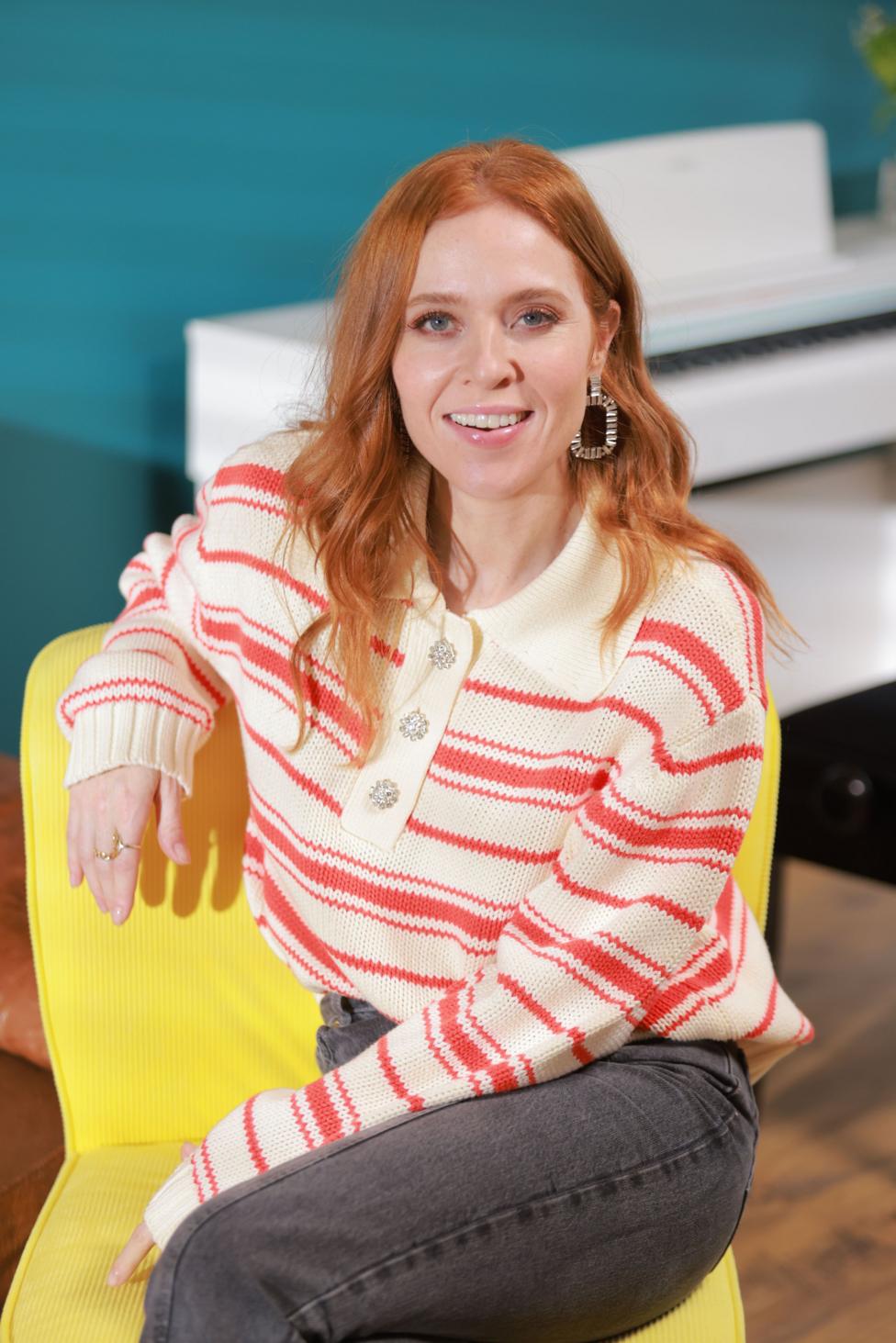
Scanlon cycled through various treatments—thin, shiny shellac finishes and sturdier "Builder In A Bottle" gel manicures—applied every other week without exception.
"It wasn't like I was in my head going: 'I must go because Dave from Hull is going to be disgusted if I'm on This Morning next week without a full set.' I just added it to the list of things that we must do... in the way you would wash your hair."
Eventually, Scanlon experienced what she describes as a moment of clarity. She decided to stop attending salon appointments to reclaim time and mental space.
"I heard myself saying to people: 'Ugh, my god, I have to go and get my nails done.' And I thought: 'I probably don't need to do this anymore'."
When Scanlon shared her decision on Substack and Instagram earlier this year, her posts resonated widely. She had tapped into something many people felt but had not articulated.
Khadija, a Londoner, similarly abandoned elaborate nail art in favour of bare nails earlier this year.
"It's just really chic. And I love less is more, I love minimalism... less consumerism and just self-care things that you could probably do at home."
For others, the motivation is more straightforward: cost. Emmanuella reluctantly joined the bare-nails trend as the rising cost of living made regular salon visits increasingly difficult to justify. A 25-year-old interviewed by the BBC offered another practical reason:
"I think getting [your] nails done is tacky now, because who's got an hour to waste? Also, I lift weights in the gym, so I don't want to snap a nail and waste money."
Some people have simply discovered that their long-standing habit of leaving nails untouched has unexpectedly become fashionable. These individuals find amusement in watching their routine—or lack thereof—suddenly gain cultural cachet.
The economics and accessibility of the trend
Data on the trend's scale reveals its genuine popularity. According to reporting that cited Spate data, clear nails increased 26 percent year over year, demonstrating measurable consumer shift toward the aesthetic.
Yet this shift has also been linked to broader economic pressures. Fashion reporting in September 2026 connected bare nails to affordability concerns and designer restraint during fashion week, suggesting that economic factors may be shaping aesthetic choices as much as genuine preference.
The nail industry and female entrepreneurship
Despite the cultural tensions surrounding the bare-nails trend, the nail industry itself has long been a space of female empowerment and entrepreneurship. Shapiro emphasises this history:
"I feel like nail care has very much had a 'for women, by women' sort of ethos around it. The first salon opened in New York City was owned by a woman, and she was a remarkably independent one... a lot of the first entrepreneurs offering product lines, opening salons were women."
This female-centred industry has provided economic opportunity and creative outlets for countless women. Yet Hampton, a celebrated nail artist, expresses sadness about how trends have been weaponised to create hierarchies of taste.
"We're taking the fun out of nails... Anyone should be able to wear what they like—nail polish or bare nails. Why is there an argument? Why is there beef?"
Moving beyond the judgement
Scanlon shares Hampton's perspective on the unnecessary polarisation surrounding nail choices.
"For me, it's like just stop judging ourselves and everybody else... Some people like to have the nails done, some people don't. I suppose the question that I was posing was, is it doing anything for you? The truth of it is: it's not that deep."
The bare-nails trend ultimately reflects deeper questions about beauty standards, cultural ownership, and economic access. While valid feminist critiques exist regarding unrealistic beauty expectations, the conversation risks obscuring the genuine choices and agency of individuals across different communities. The challenge lies in celebrating diverse expressions of beauty—whether bold, minimal, or anything in between—without allowing aesthetic preferences to become markers of class or taste that erase cultural contributions and reinforce hierarchies.
Key Facts
- The bare-nails aesthetic dominated major 2026 fashion runways, including shows by Marc Jacobs, Altuzarra, Tommy Hilfiger, Michael Kors, Ralph Lauren, and Carolina Herrera
- Clear nails increased 26 percent year over year according to consumer data, demonstrating significant market shift
- Nail art was pioneered and popularised by women of colour, including Josephine Baker, Diana Ross, Donna Summer, and Florence Griffith-Joyner
- The nail salon industry was founded and built by female entrepreneurs, beginning with the first salon opened in New York City
- Bare nails require significant grooming and professional services to maintain, contradicting the perception that they are effortless or natural