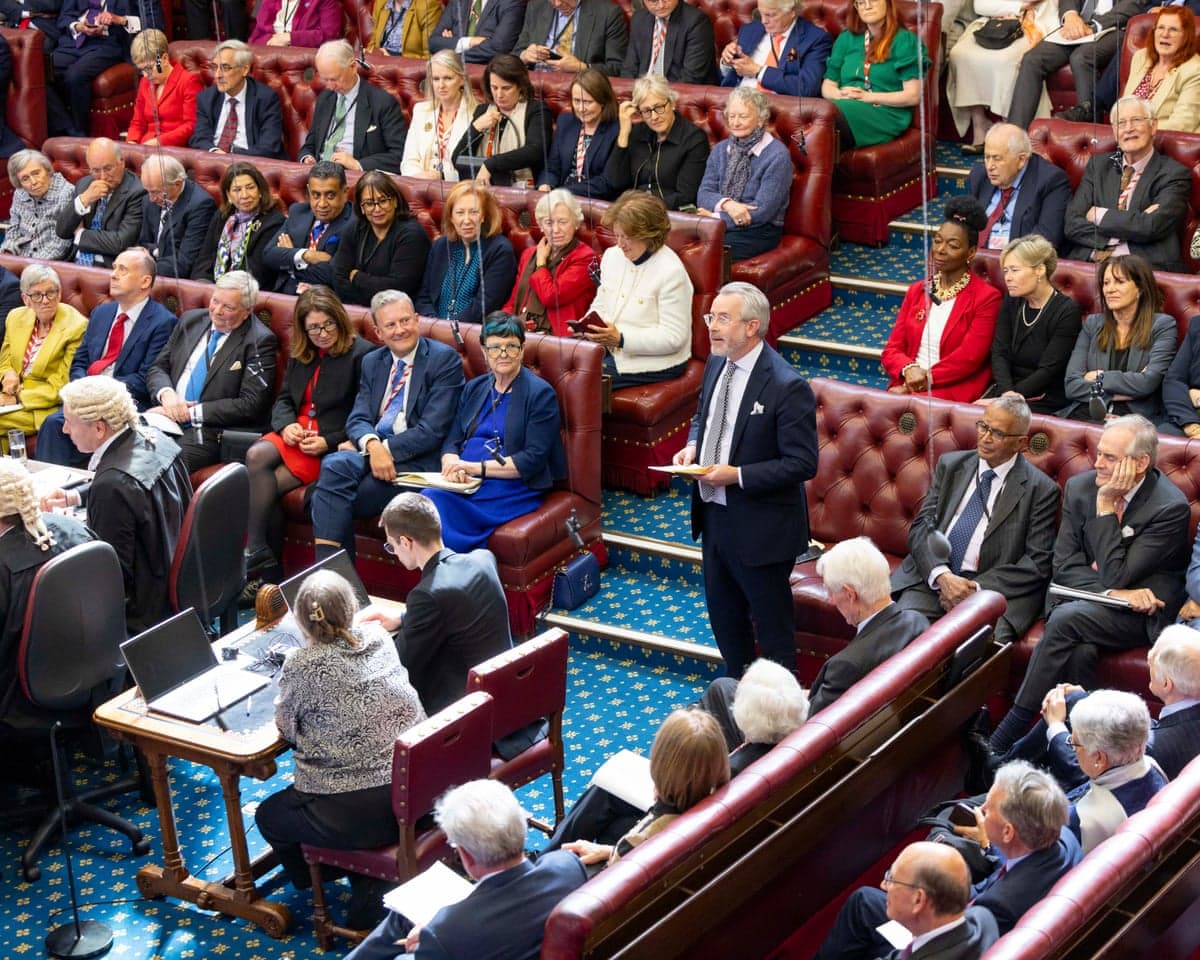
The neckwear has long been dismissed as an outdated symbol of formality, yet its fate remains contested among those who shape British style. The House of Lords has now taken a decisive step by permitting members to abandon the tie, replacing a centuries-old dress requirement with guidance to wear "business attire" instead.
According to reporting on the new parliamentary guidance, peers have been told they can remove ties under the updated House of Lords dress code, with the rule change approved on Wednesday and expected to appear in the Companion of Standing Orders later in 2026. The shift marks a significant departure from the chamber's formal traditions, though a government parliamentary work guide still states that men should wear a jacket and tie in and around the Chamber, indicating that older standards remain embedded in at least some official parliamentary documentation.
The decision has sparked a lively conversation among fashion professionals and commentators about whether formal neckwear is genuinely obsolete or merely experiencing a temporary decline.
Why is the tie so contentious?
The garment has always divided opinion. For detractors, ties represent discomfort and impracticality—too tight and they restrict movement, too loose and they appear neglected. For advocates, they embody elegance and completeness in formal dress.
Peter York, a writer and style commentator, belongs firmly to the traditionalist camp. He warned that the relaxed dress code will "end in tears," arguing that without the tie requirement, standards will deteriorate further.
"Lords are not famous for being well-dressed at the best of times. If they can go without ties, they can also wear plimsolls and stuff like that. They will look silly,"York said. He owns hundreds of ties himself and describes them as
"little works of art,"expressing dismay at those who dress formally while omitting neckwear.
"It looks as if you're not completely dressed, or you've forgotten something,"he added.
What do Savile Row professionals think?
Opinion among London's most prestigious tailors is more nuanced. Guy Hills, a 58-year-old fashion photographer and owner of Dashing Tweed, believes ties are not dead but rather experiencing a temporary downturn.
"I don't think ties are completely dead, they're just having a down moment,"he said while walking down Savile Row in a green tweed suit, his moustache dyed to match.
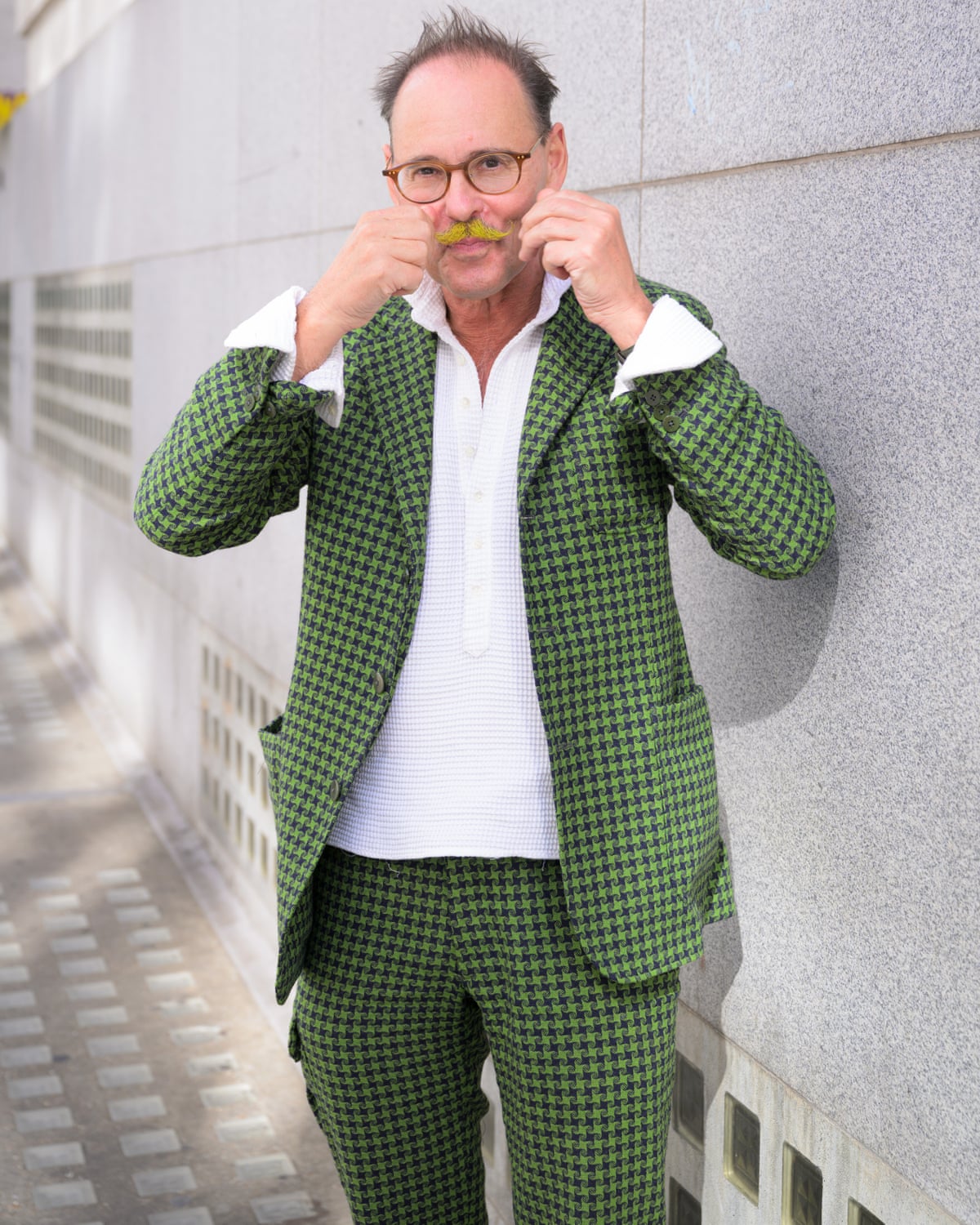
Hills supports the relaxed dress code and argues that members of the Lords have a responsibility to stay current with fashion evolution.
"They used to be the driving force of fashion, especially around Savile Row. They would go to their tailors and try to outdo each other. When you stop all that, and it becomes like a living museum, then the whole menswear fashion world stops,"he explained. He personally cannot leave home without a scarf or cravat, finding the alternative too casual, though he acknowledged that Thursday afternoon was one of the rare occasions he ventured out without one.
Hills sees potential for a tie revival, particularly among younger generations.
"The younger generation is now getting more interested in sustainability and proper clothing. A tie really finishes a whole outfit off,"he said.

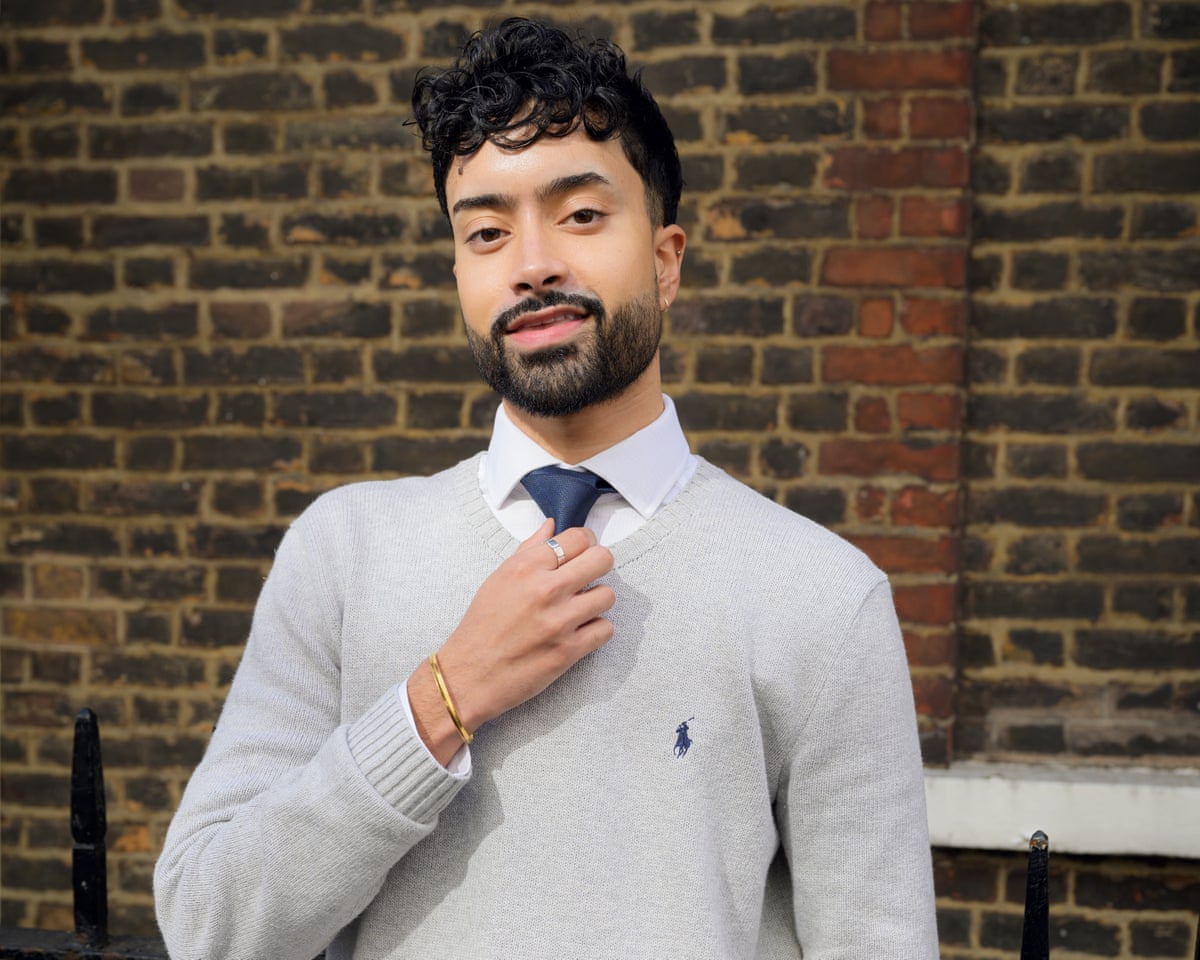
Chaand Singh, a 25-year-old marketing professional, represents this younger demographic. He wore a navy tie from Next to an important work meeting, believing that formal neckwear elevates an outfit.
"Dressing up and adding a tie elevates the look,"Singh said, noting that colleagues had complimented his appearance.
"Someone said that I look a bit more sharp today."While acknowledging that ties are no longer mandatory in most offices, Singh values them for specific occasions and even casually.
"I've got some from the 80s with cool patterns. They're usually wider and designed when fashion was a bit more experimental. I would wear them at work for the right scenario, but casually as well. Some girls even wear ties as belts."
James Sleater, 45, owner of Norton & Sons tailoring house, takes a pragmatic view.
"The House of Lords should be a mirror of society. What better way of doing it than reflecting current trends?"he said.
"Women don't have to wear ties, and if men have the option, it's OK by me."

Has the tie truly disappeared from workplaces?
Sleater attributes the broader decline in neckwear to structural workplace changes.
"In the post-Covid era, there has been a huge decline in neckwear and the number of people wearing ties to the office,"he observed, adding that
"the relaxation of dress codes is symptomatic of people working several days a week at home."
Yet his own business tells a different story. Norton & Sons serves a diverse clientele ranging from former prime ministers to Hollywood actors, alongside customers purchasing suits for first jobs or wedding celebrations. Contrary to expectations, the tailoring house is experiencing a reversal of the downward trend.
"We're selling more neckwear this year than we did in previous years,"Sleater revealed.
He attributes this counterintuitive finding to psychology.
"If you're no longer forced to do something, it almost becomes a pleasure to it. To wear a suit to work when you don't have to is a joy. When you're told to do it, you're almost feeling rebellious and you don't want to do it."Customers are gravitating toward distinctive styles rather than conventional options.
"People have opted for more characterful textures rather than just plain silks or bright brash colours,"Sleater noted, though he sees limits to any potential revival.
"I don't see cravats or bow ties coming back,"he said.
What do peers themselves say?
Some members of the House of Lords welcome the change. Lord Davies of Brixton, a Labour peer, expressed a blunt assessment of modern neckwear culture, telling the Telegraph that
"the only people now wearing ties for business purposes are estate agents and funeral directors. The tie is disappearing."
The House of Lords has undergone significant modernization in recent years. Following the removal of hereditary peers in April 2026, which ended a 700-year-old system, the chamber has continued to reassess its procedures and standards. The dress code relaxation fits within broader efforts to make the institution more contemporary, though proposed reforms including a phased retirement age of 80 and attendance requirements suggest that modernization remains an ongoing process.
What happens next?
The updated dress guidance is expected to be incorporated into the Companion of Standing Orders later in 2026. Whether peers will embrace the freedom to abandon neckwear, or whether many will choose to retain ties as a mark of formality and tradition, remains to be seen. The outcome may ultimately reflect broader cultural attitudes toward dress codes, formality, and the balance between tradition and contemporary practice in Britain's oldest legislative chamber.