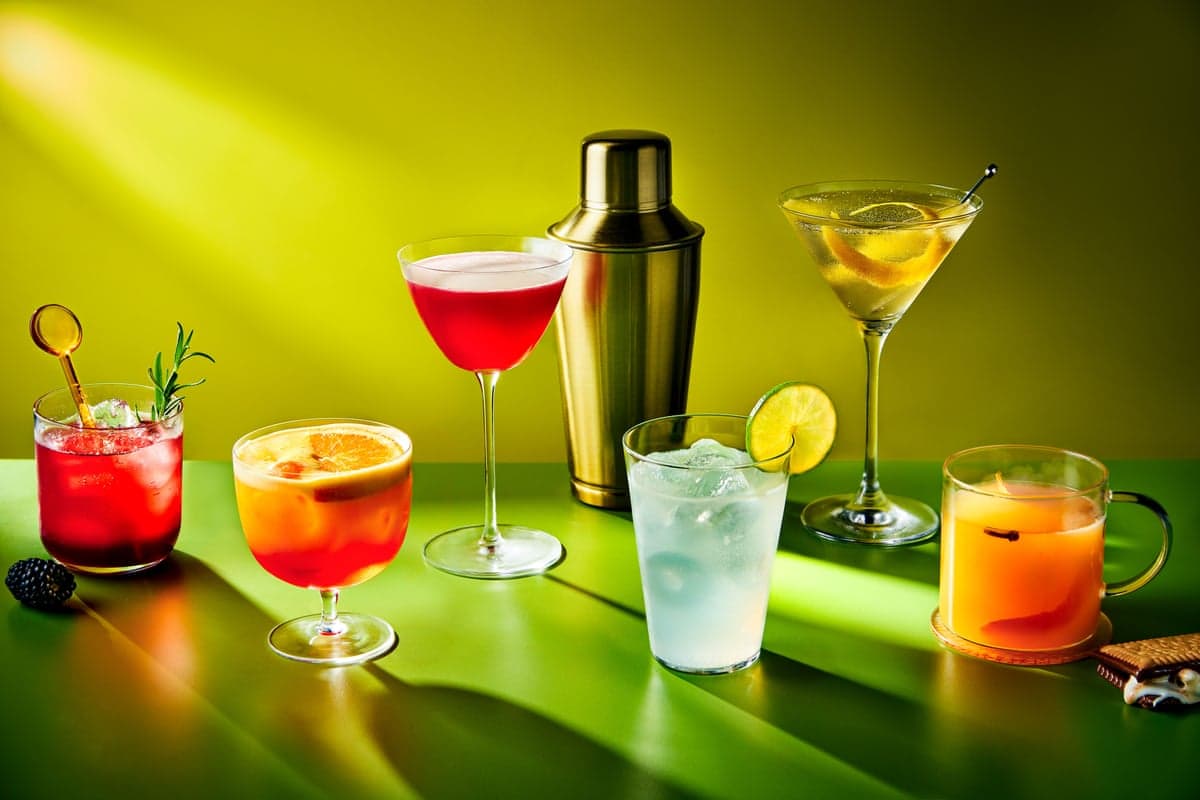
As the season shifts toward cooler evenings, the drinks we reach for naturally evolve. Whether you prefer spirit-forward classics, refreshing fizzes, or warming spiced beverages, autumn offers an opportunity to explore cocktails that feel both seasonally appropriate and endlessly adaptable. The following six recipes span alcoholic and alcohol-free options, each designed to be made at home with readily available ingredients.
What makes a shrub-based cocktail work in autumn?
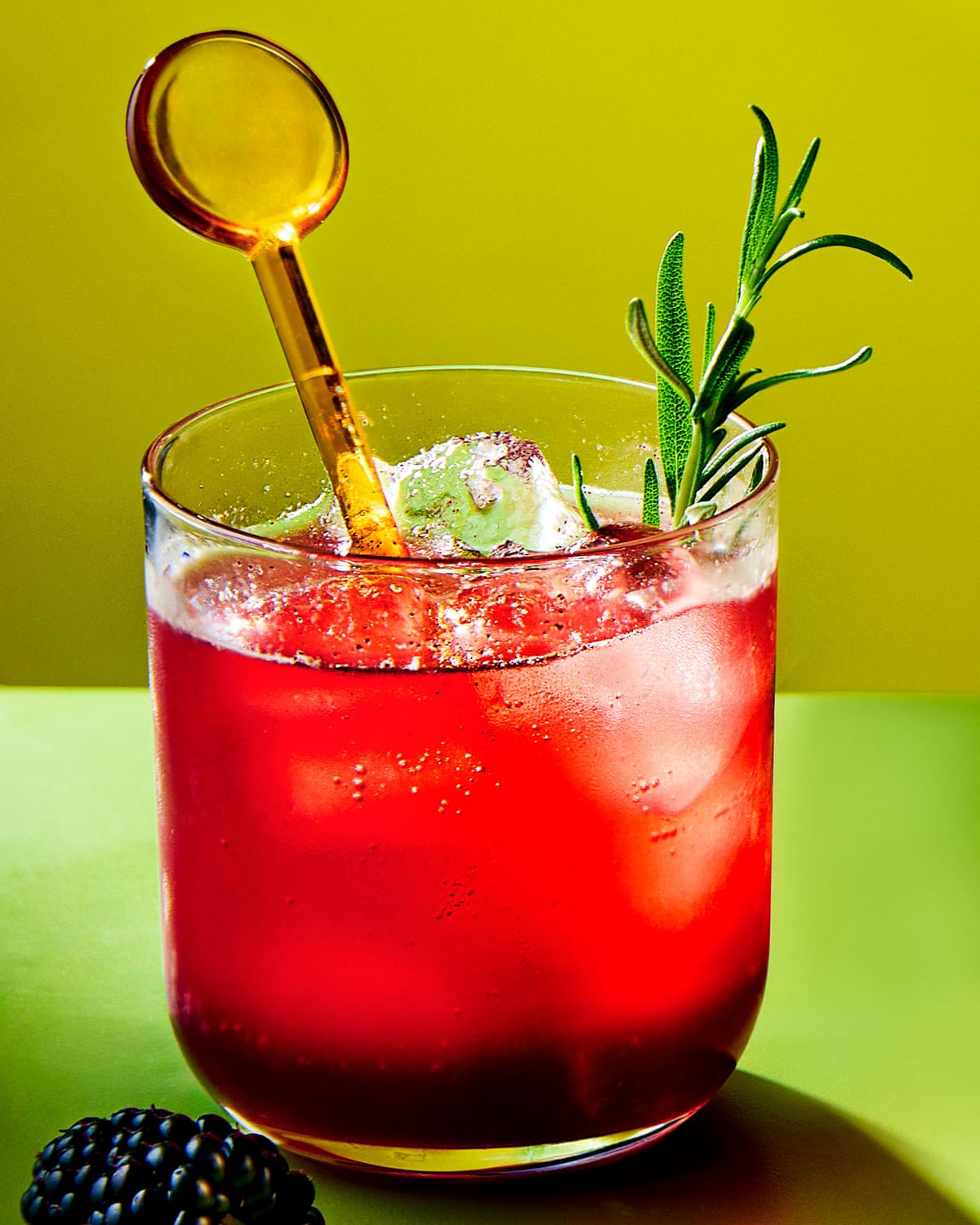
A shrub—a drinking vinegar infused with fruit and spices—provides the foundation for drinks that taste bright and complex without requiring multiple bottles. The bramble and ginger shrub captures blackberry at its peak while introducing warmth through nutmeg, cinnamon and black pepper. The vinegar acts as a preservative, allowing you to prepare the base weeks in advance.
To prepare the shrub, combine 200g blackberries and 200g golden caster sugar in a sterilised jar, mashing them together until they begin to break down. Add a grating each of nutmeg and black pepper, along with ½ teaspoon of ground cinnamon, and mix thoroughly. Refrigerate for 24 to 48 hours, allowing the fruit to release its juices and the spices to infuse. Strain the mixture through a fine sieve, reserving the solids for baking or as a topping for morning porridge. Return the syrup to a clean sterilised jar, stir in 100g of vinegar (raw apple cider vinegar works particularly well), and refrigerate until needed.
To serve, fill a tumbler with ice and add 2 tablespoons of the shrub syrup. Top with ginger beer and garnish with a fresh spring of rosemary. The drink can be made year-round, though the combination of blackberry, spice and ginger feels especially suited to autumn entertaining.
How do you balance vodka and sparkling wine in a single drink?
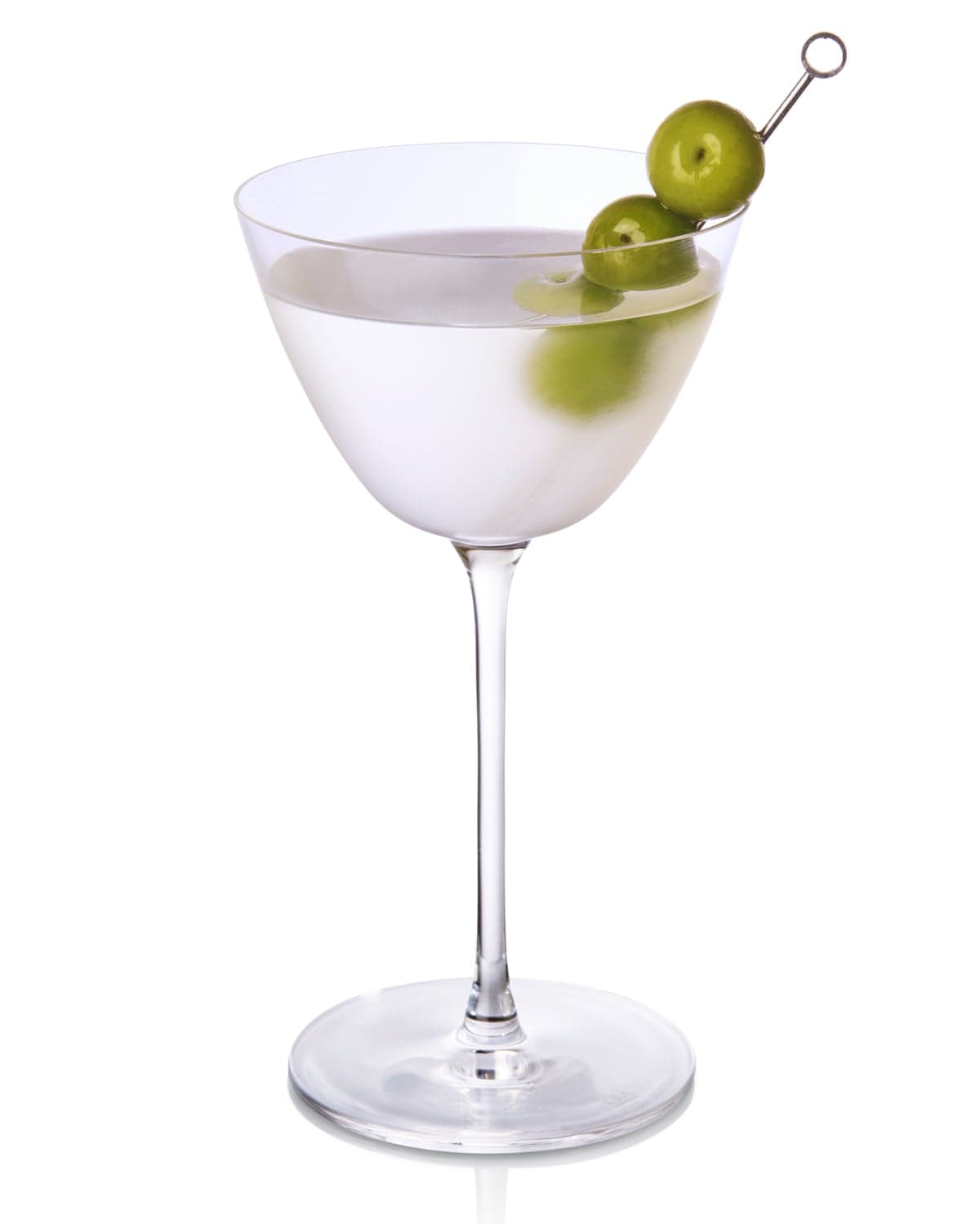
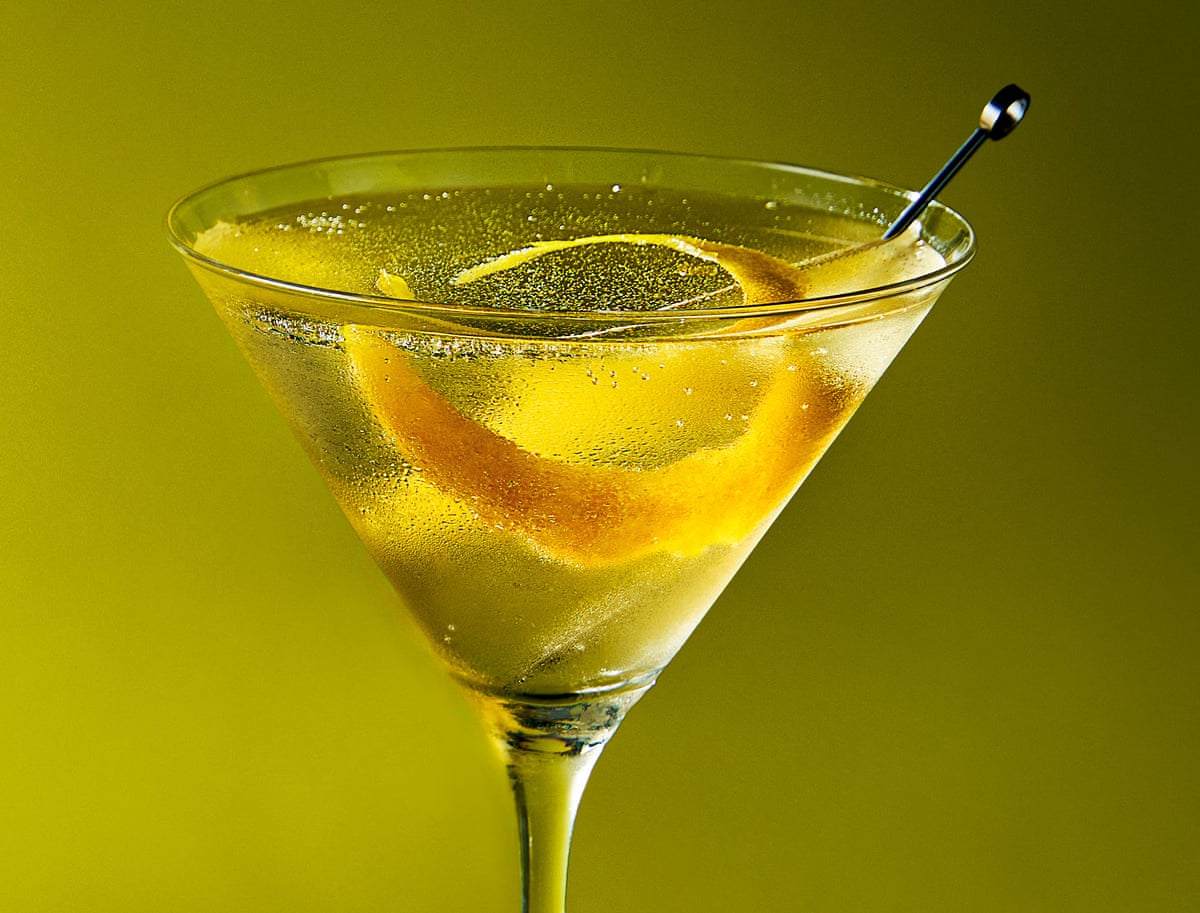
The millionaire's vodkatini answers a common dilemma: whether to begin an evening with a vodka martini or a glass of fizz. This recipe achieves both by combining the structure of a martini with the celebratory lift of sparkling wine.
Pour 30ml of vodka (kept in the freezer) and 15ml of dry vermouth or aromatised wine such as Cocchi Americano into a cocktail shaker along with 3 drops of Angostura bitters and a couple of ice cubes. Stir gently for 20 seconds, then strain into a martini glass that has been chilled in the freezer. Top with sparkling wine, run a lemon twist around the rim of the glass, and drop it in to serve. The bitters add depth and complexity, while the sparkling wine provides a lighter finish than a traditional martini would offer.
What lies between a paloma and a margarita?
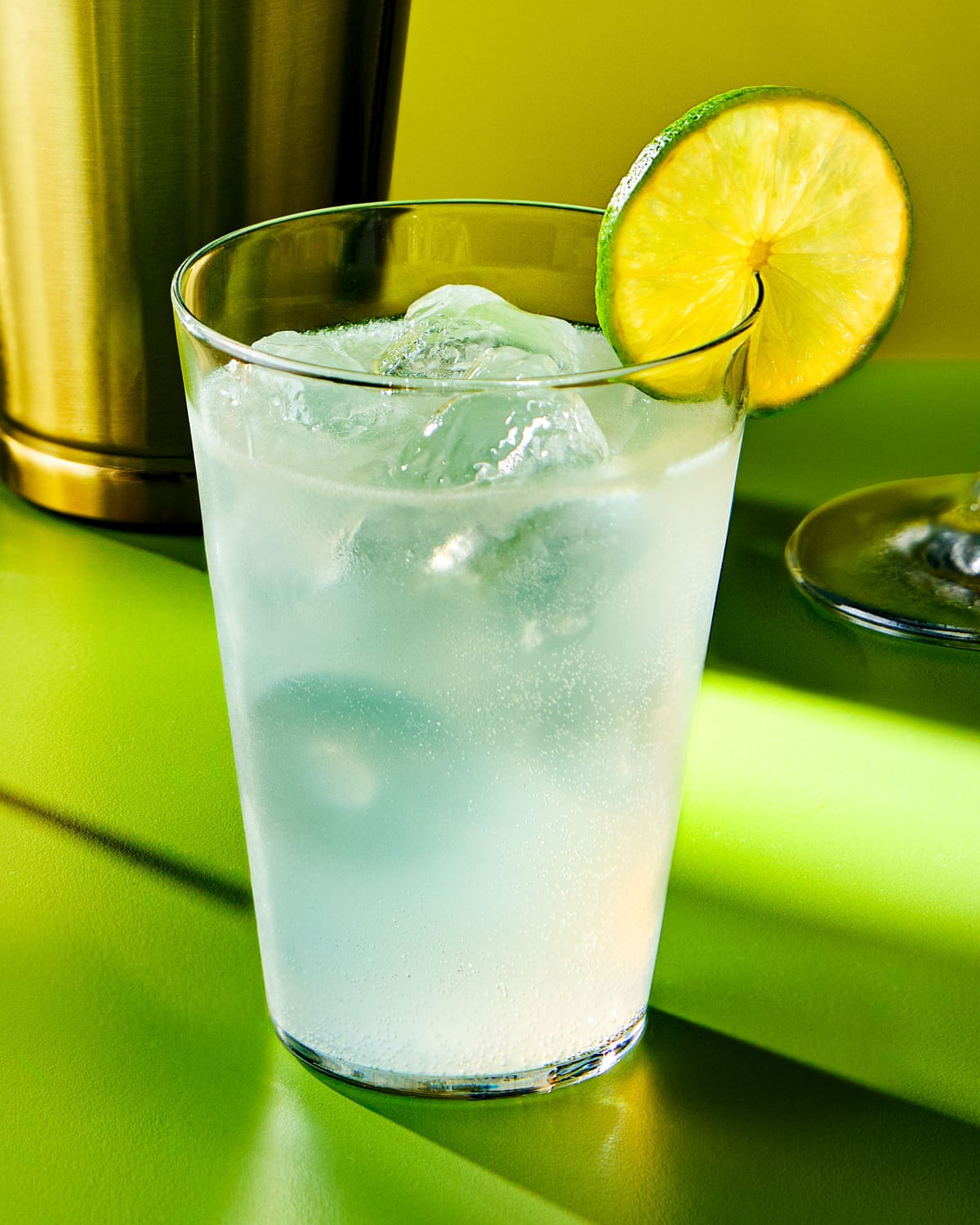
The Mexican fizz occupies a middle ground, combining the citrus-forward approach of a paloma with the tequila base of a margarita. The drink's character depends partly on your choice of mixer: Fever Tree's Mexican lime soda eliminates the need for maple syrup, while sparkling water requires the optional sweetener to balance the lime and salt.
Add 60ml of tequila blanco, the juice of half a lime, a tiny pinch of salt, and ½ teaspoon of maple syrup (if using) to a cocktail shaker and shake briefly. Pour a handful of ice into a highball or large tumbler, strain the contents of the shaker over the ice, and top with Mexican lime soda or sparkling water. Stir briefly and garnish with a lime slice positioned on the rim. The result is something between a paloma and a margarita that drinks easily without becoming cloying.
Why has the Garibaldi become a contemporary classic?
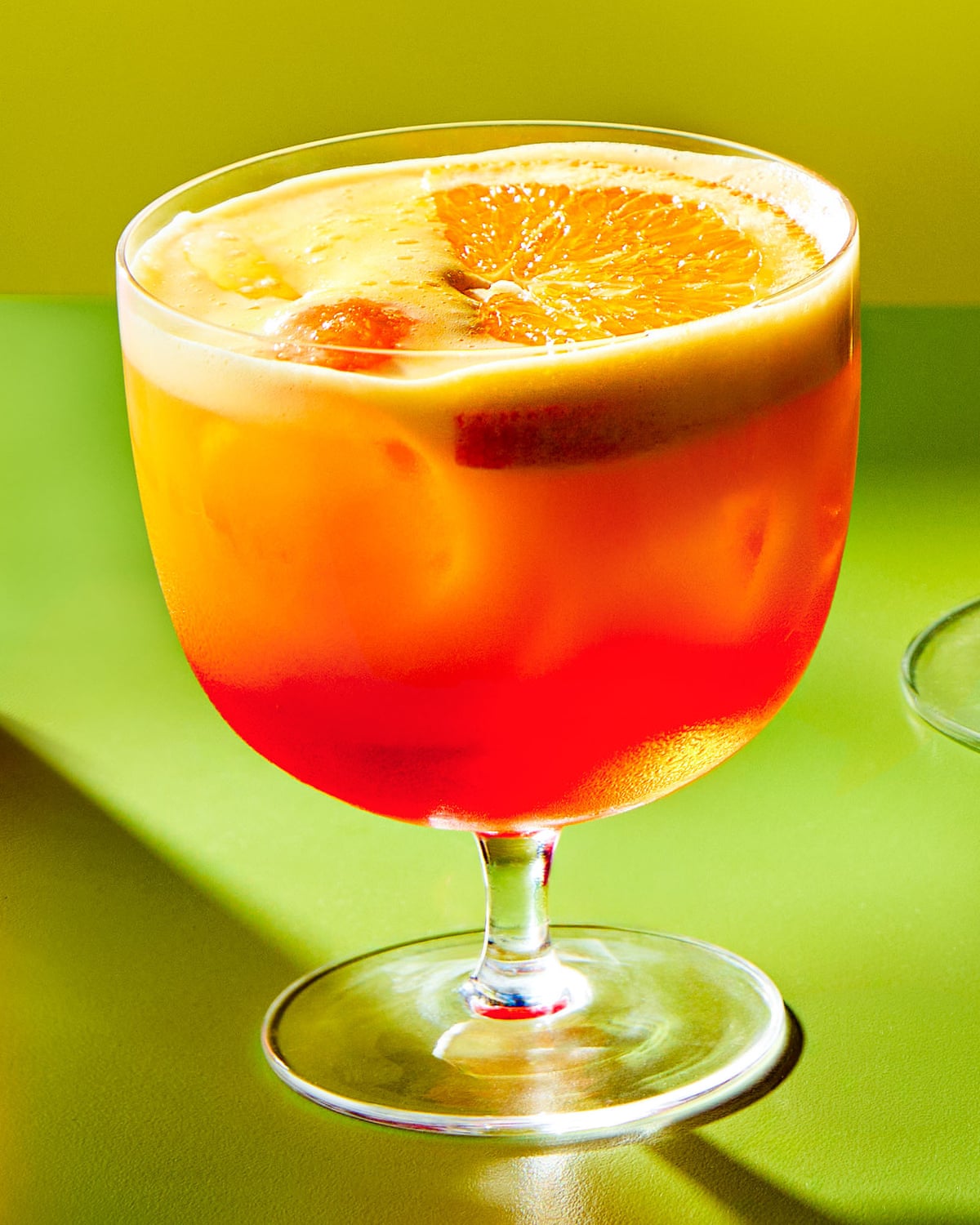
The Garibaldi—a bittersweet combination of Aperol and fresh orange juice—has earned recognition as a contemporary classic by the International Bartenders Association, which added it to that category in 2024. The drink's appeal lies in its simplicity and the way its flavours shift as the Aperol gradually mingles with the juice.
The cocktail's name references Giuseppe Garibaldi, a pivotal figure in Italian unification, and its combination of Campari-adjacent Aperol and orange is often interpreted as representing the union of northern and southern Italy. The drink slips down dangerously easily and works year-round, though its bright, warm character feels particularly suited to reminding drinkers of sunnier days as autumn progresses.
To prepare it, halve 2 large oranges and cut a half-moon slice from one half, setting it aside. Squeeze the remaining orange halves into a blender and whizz for one minute until the juice becomes frothy. Pour a few ice cubes and 45ml of Aperol into a stemmed old fashioned glass (a tumbler works equally well), then pour the blended orange juice over the top. The drink will gradually mix, though you can stir briefly if you prefer. Garnish by setting the half-moon slice across the diameter of the glass rim and serve immediately.
What makes a single-ingredient cocktail compelling?
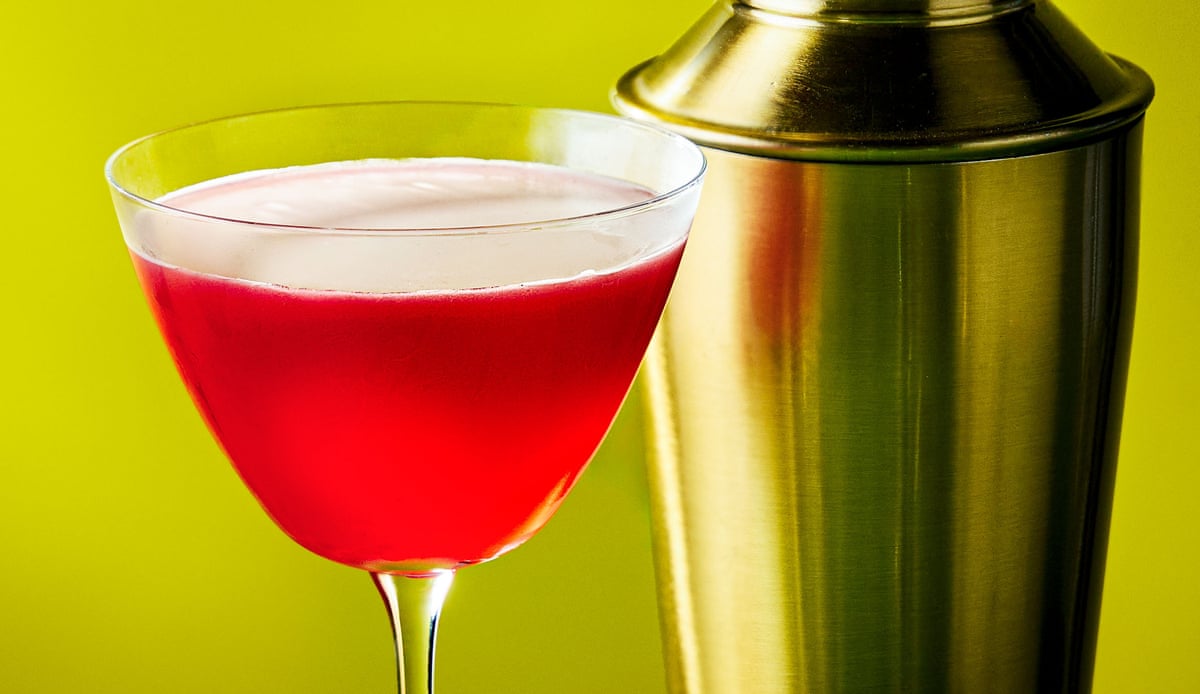
The Campari shakerato demonstrates that complexity need not require multiple ingredients. Campari's recipe, created by Gaspare Campari in 1860, has remained unchanged since its inception, making it a reliable foundation for drinks that rely on technique rather than layering.
The shakerato method—vigorous shaking with ice—aerates the spirit, creating a frothy, silky texture that transforms the drinking experience. Add several ice cubes and your preferred volume of Campari (60ml, or two lidsfuls from a cocktail shaker, fits a mini martini glass perfectly) to a cocktail shaker, blender, or Nutribullet. Holding the vessel tightly with both hands, shake vigorously for approximately 30 seconds. Strain into a freezer-chilled glass and serve. The drink can be scaled up or down according to your needs, making it ideal for solo entertaining or larger gatherings.
How do you create a warming non-alcoholic autumn drink?
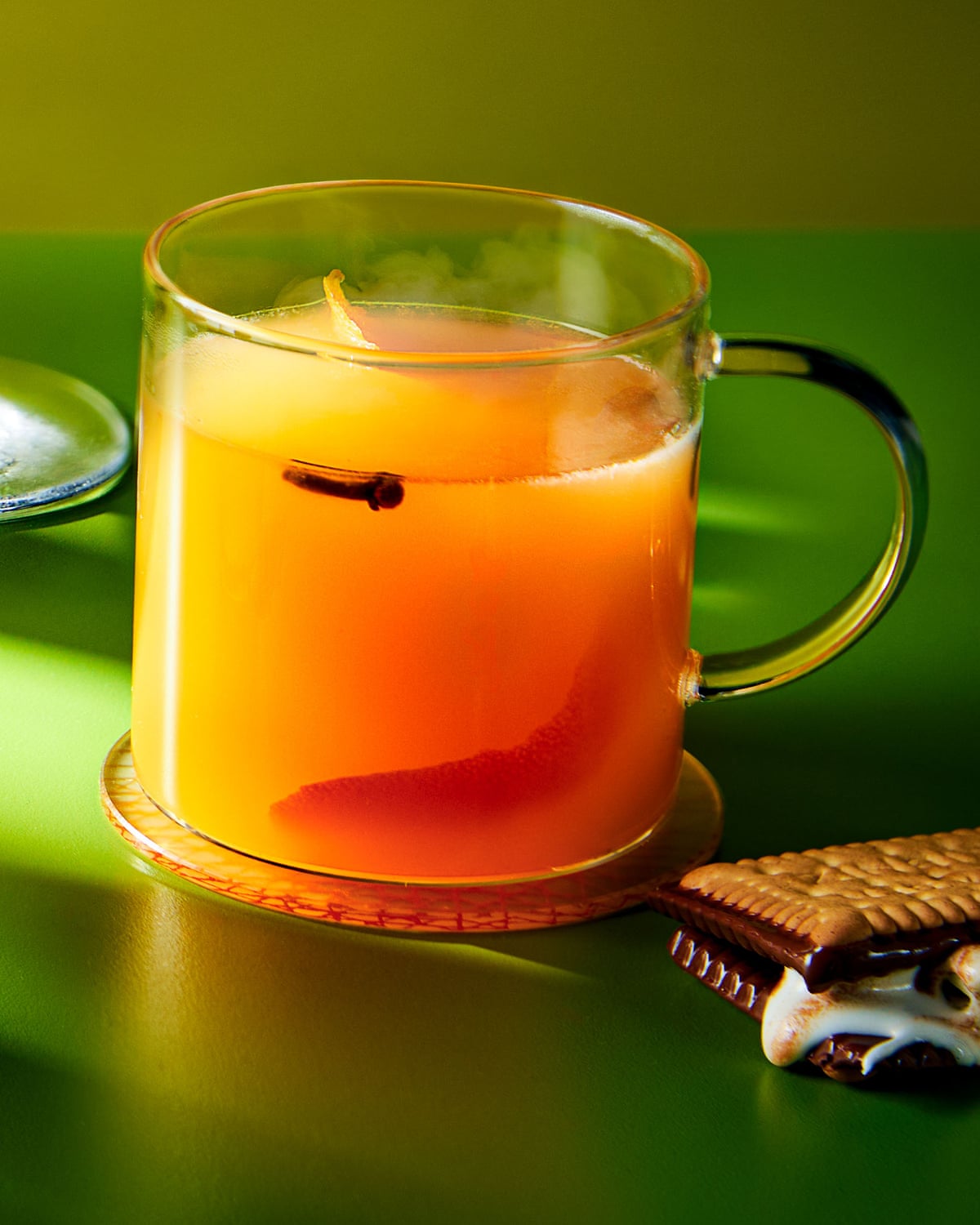
The mulled apple juice with s'more garnish captures the essence of autumn entertaining, particularly for younger drinkers or those preferring alcohol-free options. Current bartending trends, as reported by Business Insider, show growing interest in low-ABV and nonalcoholic drinks as part of autumn's cocktail landscape.
Combine 250ml of cloudy apple juice, 1 strip of orange peel, the juice of half a lemon, 1 cinnamon stick, 3 cloves, and 1 teaspoon of soft dark brown sugar (optional) in a small saucepan. Place over the lowest heat and warm for 10 to 15 minutes, allowing the room to fill with the aroma of spices and watching for faint steam to rise from the pan. Do not allow the mixture to boil, as this will diminish the delicate spice flavours.
While the apple juice warms, prepare the s'more. Skewer 1 marshmallow on a metal stick and hold it just above an open flame, turning frequently to allow it to bronze and char according to your preference. Once toasted, place the marshmallow on the chocolate side of a chocolate Leibnitz biscuit and sandwich with a second biscuit. Decant the mulled apple juice into a mug and serve alongside the s'more. The combination of warm, spiced juice and toasted marshmallow creates a drink experience that feels quintessentially autumnal.
Key Facts
- Shrub syrups can be prepared 24 to 48 hours in advance and stored in the refrigerator, making them ideal for batch cocktail preparation.
- The Garibaldi was recognised as a Contemporary Classic by the International Bartenders Association in 2024.
- Campari's original recipe, formulated in 1860, has remained unchanged, making it a reliable base for technique-driven cocktails like the shakerato.
- Autumn cocktail trends include low-ABV and nonalcoholic options alongside spirit-forward classics, offering flexibility for diverse entertaining needs.
- All six recipes can be scaled for single servings or larger gatherings, making them suitable for both intimate evenings and seasonal entertaining.