The liquid left behind in a jar of olives represents far more than packaging waste. Naturally loaded with savoury depth, it transforms into an exceptional salad dressing that deserves a place at your table rather than down the drain. This approach to ingredient rescue aligns with a growing movement to minimise food waste in the kitchen, with food writers increasingly promoting ways to repurpose overlooked pantry staples.
Olive brine delivers remarkable flavour complexity to a classic salade nicoise vinaigrette while maintaining the dish's characteristic elegance and Mediterranean restraint. The brine itself—whether from green or black olives—carries concentrated salt, umami and subtle spice that would otherwise require multiple additional ingredients to replicate. This makes it an ideal foundation for a dressing that tastes far more sophisticated than its simplicity suggests.
Why olive brine deserves a second life
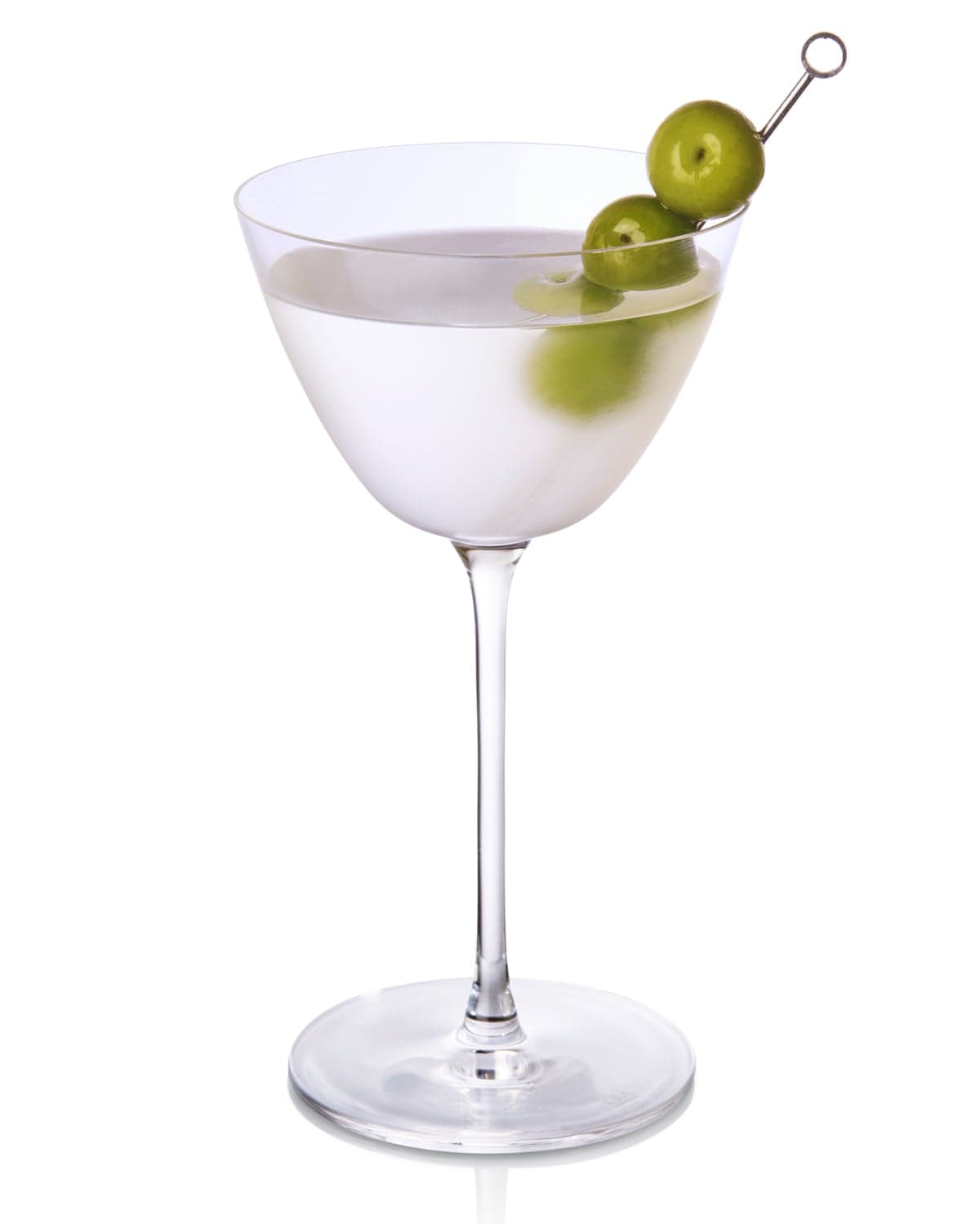
The concept of rescuing overlooked ingredients has gained traction among home cooks and professional chefs alike. Culinary sources have highlighted leftover olive brine as a versatile ingredient worth preserving, recognising that what many discard actually contains concentrated flavour compounds developed during the curing process. Rather than treating it as waste, understanding its potential opens up numerous applications beyond salad dressing—it can enhance marinades, enrich stocks, or add complexity to cocktails.
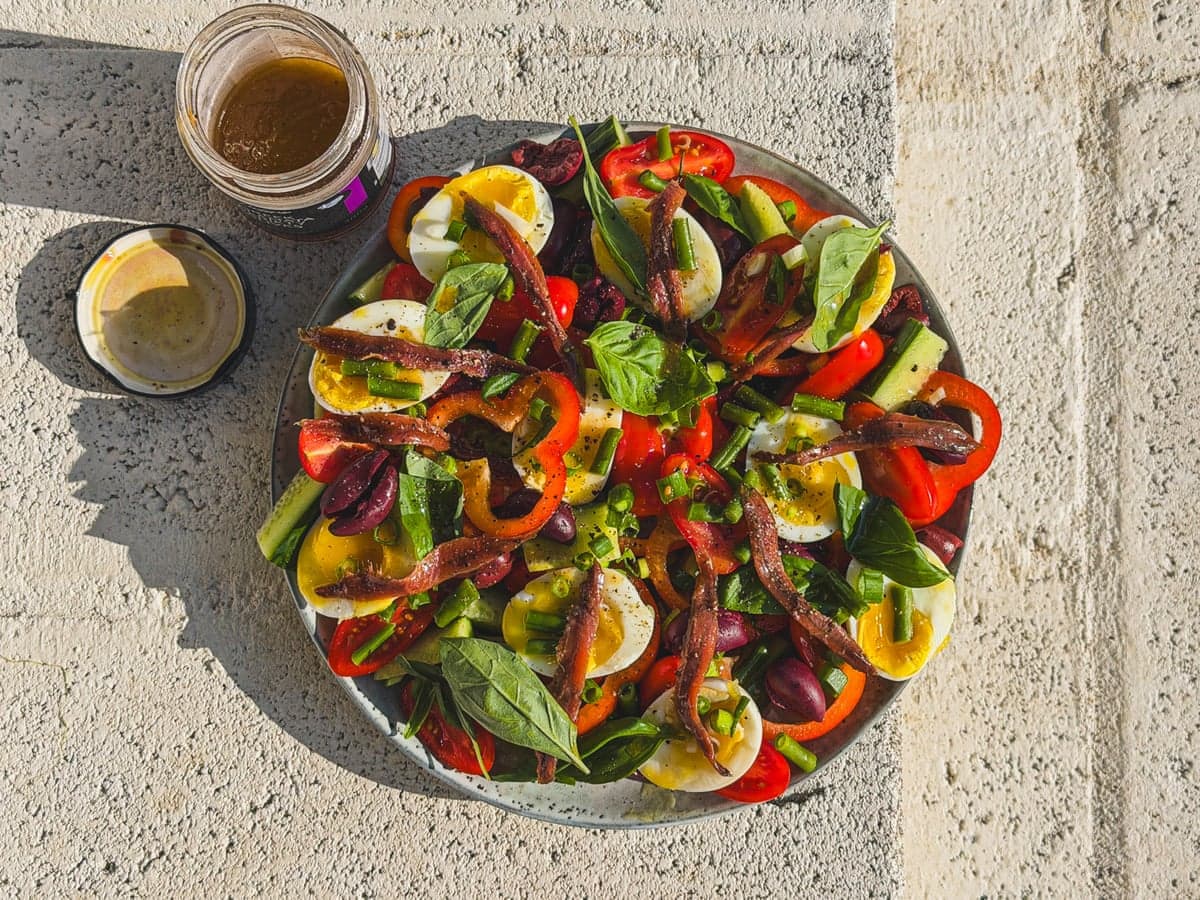
Salade nicoise with olive-brine vinaigrette
The salade nicoise itself has an interesting history. What began as a straightforward combination of tomatoes and anchovies dressed simply with olive oil has evolved considerably over generations. Modern interpretations often incorporate cooked green beans, hard-boiled eggs and tinned tuna, each element adding textural contrast and nutritional substance. Yet the dish's greatest strength lies in preserving its fundamental Mediterranean character—a quality that this olive-brine dressing reinforces beautifully without requiring elaborate technique or a lengthy ingredient list.
The vinaigrette formula demonstrates how restraint in the kitchen can yield maximum impact. Just three components work in concert: the brine itself provides both salt and savoury depth, red-wine vinegar contributes necessary acidity to brighten the palate, and extra-virgin olive oil adds body and a peppery finish. This minimalist approach keeps the focus on ingredient quality rather than complexity. One important note: unlike mustard-based dressings that form stable emulsions, this vinaigrette will separate during storage. A vigorous shake immediately before serving restores the mixture and ensures even coating across the salad.
For the best results, purchase whole olives with pits intact and remove them yourself. The difference in flavour between pitted olives and those you've prepared fresh is striking—both the fruit and the brine taste noticeably superior, with greater intensity and cleaner taste. This approach to using olive brine has remained featured in recipe collections, reflecting its enduring appeal among cooks seeking practical ways to reduce waste without sacrificing quality.
Vinaigrette ingredients
For the dressing, gather 2 tablespoons of brine from a jar of olives, 1 tablespoon of red-wine vinegar, 6 tablespoons of extra-virgin olive oil, and black pepper to taste.
Salad ingredients
You will need 6 eggs, 200 grams of green beans (topped and trimmed), 200 grams of cocktail tomatoes or cherry tomatoes, 1 red pepper (stalk, seeds and pith removed, flesh sliced into rings), half a medium cucumber (skin on, seeds intact, cut into large chunks), 4 spring onions (cut into 1-centimetre lengths, using both white and green parts), 1 small jar of black olives, anchovy fillets to taste (a whole standard 50-gram tin is optional but recommended), and a small handful of basil leaves for finishing.

How do you make the vinaigrette?
Combine the olive brine, vinegar and extra-virgin olive oil in a jar, then add a grind of black pepper according to your preference. Secure the lid tightly and shake vigorously until the mixture begins to emulsify. Bear in mind that this emulsion is temporary, so shake again thoroughly just before dressing the salad. The finished dressing will keep refrigerated for up to one week, making it practical to prepare ahead.
How do you prepare the salad components?
Place the eggs in a pan filled with cold water and set it over heat. Once the water reaches a rolling boil, add the green beans and return to a boil, then cook for exactly four minutes. Drain both eggs and beans together, then transfer them immediately to a bowl of iced or cold water to halt the cooking process. Once cooled completely, drain again and set the beans aside—they may be left whole or cut into shorter pieces according to preference. Peel the cooled eggs and cut each one in half lengthwise.
How should the salad be assembled?
Halve the tomatoes, then arrange all prepared vegetables across a large platter or serving dish. Scatter the stoned olives and drained anchovy fillets (if using) across the vegetables, then position the halved eggs on top. Tear the basil leaves by hand and distribute them over the salad, then pour the freshly shaken vinaigrette over everything. Serve immediately while the eggs are still cool and the vegetables retain their crispness.
Key facts
• Olive brine contains concentrated salt and umami flavour developed during the curing process, making it ideal for dressings and marinades rather than waste
• The three-ingredient vinaigrette (brine, red-wine vinegar and olive oil) requires vigorous shaking before each use, as it does not form a stable emulsion
• Whole olives with pits that you pit yourself deliver noticeably superior flavour compared to pre-pitted varieties
• The vinaigrette keeps refrigerated for up to one week, allowing advance preparation
• The complete salade nicoise combines cooked eggs and green beans with fresh vegetables, anchovies and olives for a balanced, elegant single-bowl meal