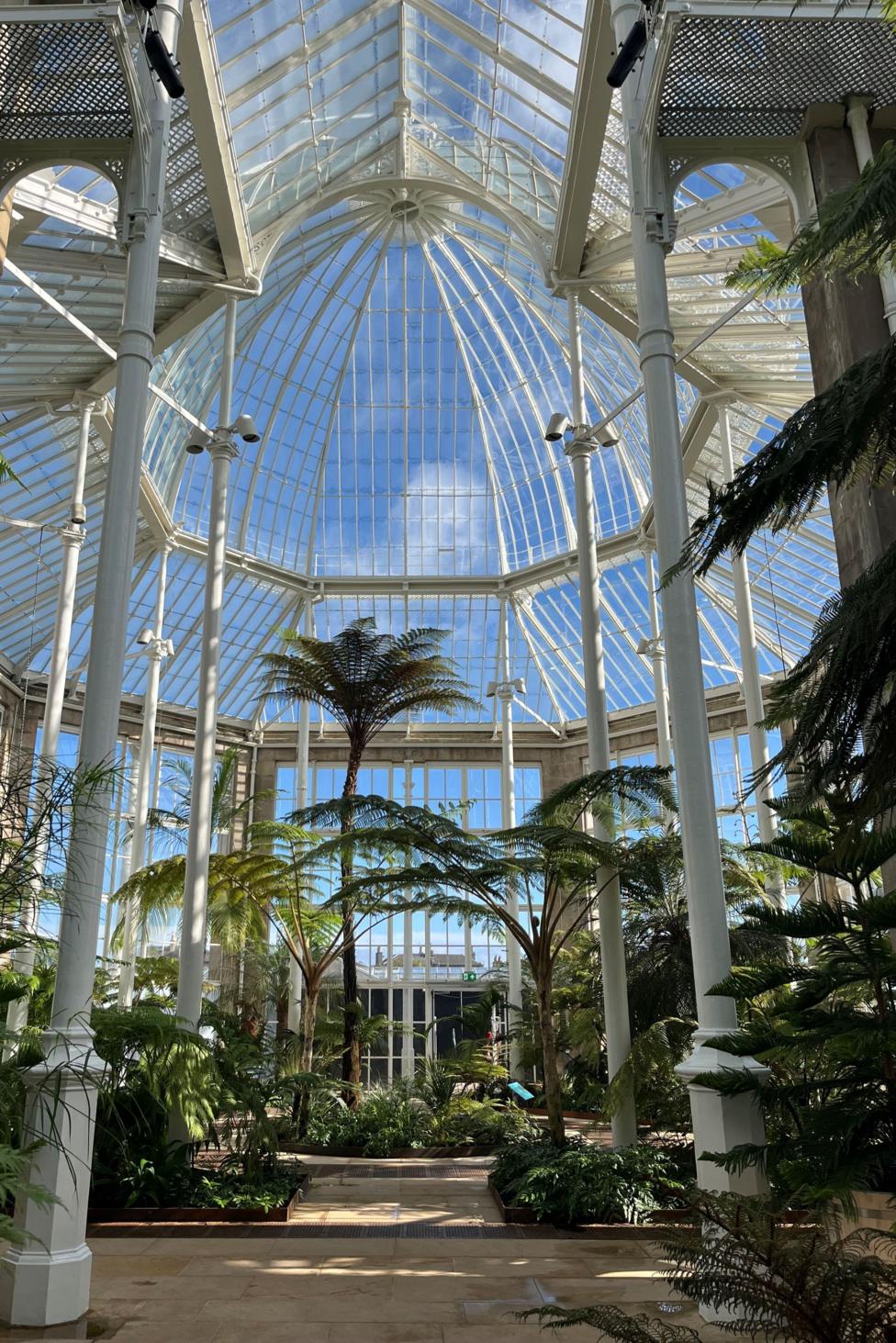
After six years of closure and an unprecedented horticultural undertaking, Edinburgh's iconic Palm Houses at the Royal Botanic Garden have reopened to the public following comprehensive restoration work on the 19th-century structures. Hundreds of plants were temporarily relocated during the repairs, with the vast majority surviving the relocation process, though one significant casualty—a 200-year-old Sabal palm tree—had to be removed because it had grown too tall for the renovated space.
The buildings had deteriorated significantly, becoming leaky and corroded, necessitating a complete overhaul. The restoration involved replacing all 5,750 panes of glass, repairing or replacing 600 square metres of ironwork, and undertaking 500 square metres of sandstone repairs. A partition wall between the two houses was removed to create a unified, light-filled space that showcases both the historic architecture and the living plant collection.
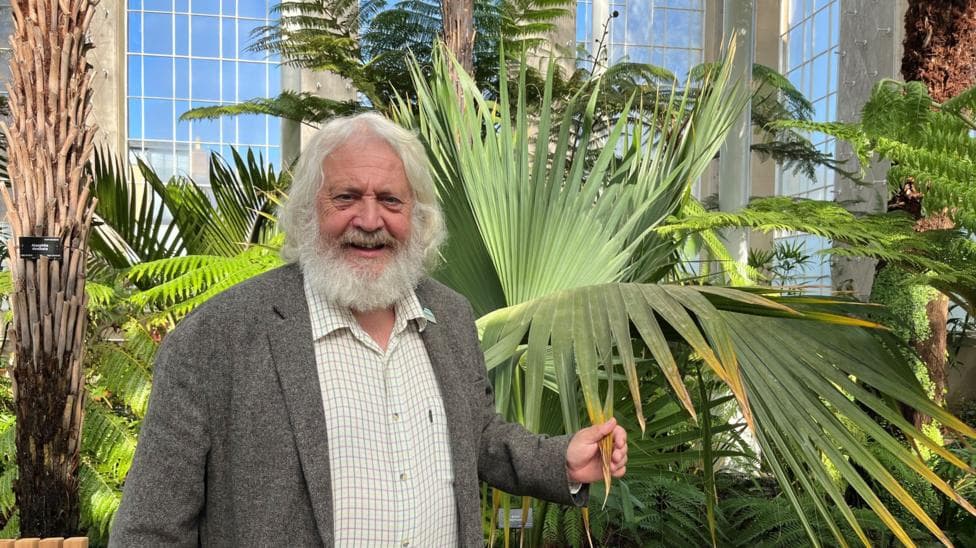
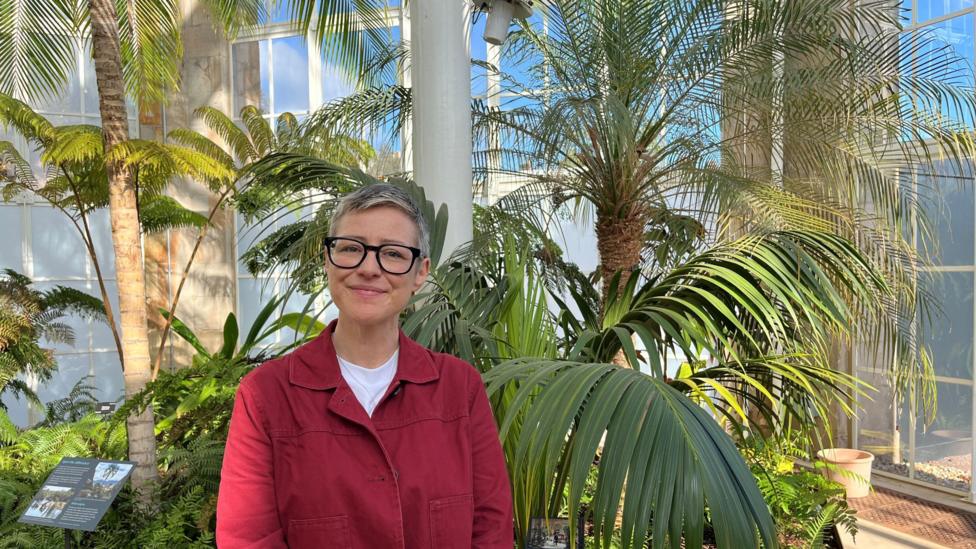
Sadie Barber, the glasshouse curator, expressed her relief and satisfaction at seeing the plants thriving in their restored home.
I think whenever you move a plant and you take it out of the ground and then you stick it in a pot, it's going to suffer or it's going to get under stress. So there was a bit of trepidation when we picked up the biggest plants, moved them to another place, and left them there for a number of years. We've done really well. It feels like a huge achievement getting all these plants back in here and having them actually so well placed. The glasshouse team have done an enormous job, a really exceptional job of getting the plants looking like they belong. So it's great to see them actually thriving already.
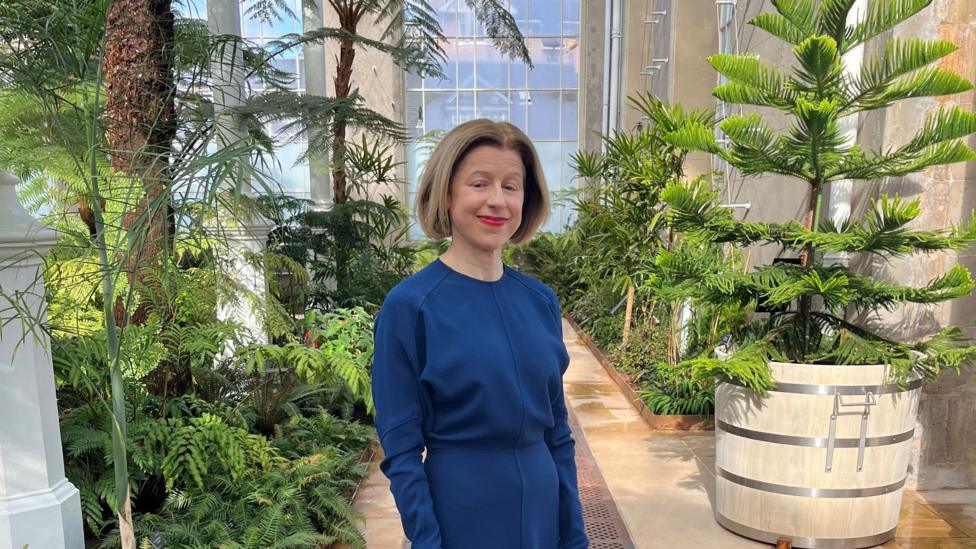
Nearly 600 plants have returned to the renovated space, according to the Garden's official announcement. The collection now includes an eight-metre Trachycarpus princeps, believed to be the tallest of its kind in cultivation outside China. Prof Julia Knights, the Regius Keeper of the Botanic Garden, emphasised the conservation significance of the work.
We've got palms, conifers, ferns, begonias, all of those families, plants are hugely important in our living collection and many of them are extinct in the wild. So what the palm houses are doing is helping to protect so many of these species, and many of them of course have medicinal properties for human health. So if we don't save these we are also potentially not helping to save humanity, so it's super important.
Why was the oldest Sabal palm removed?
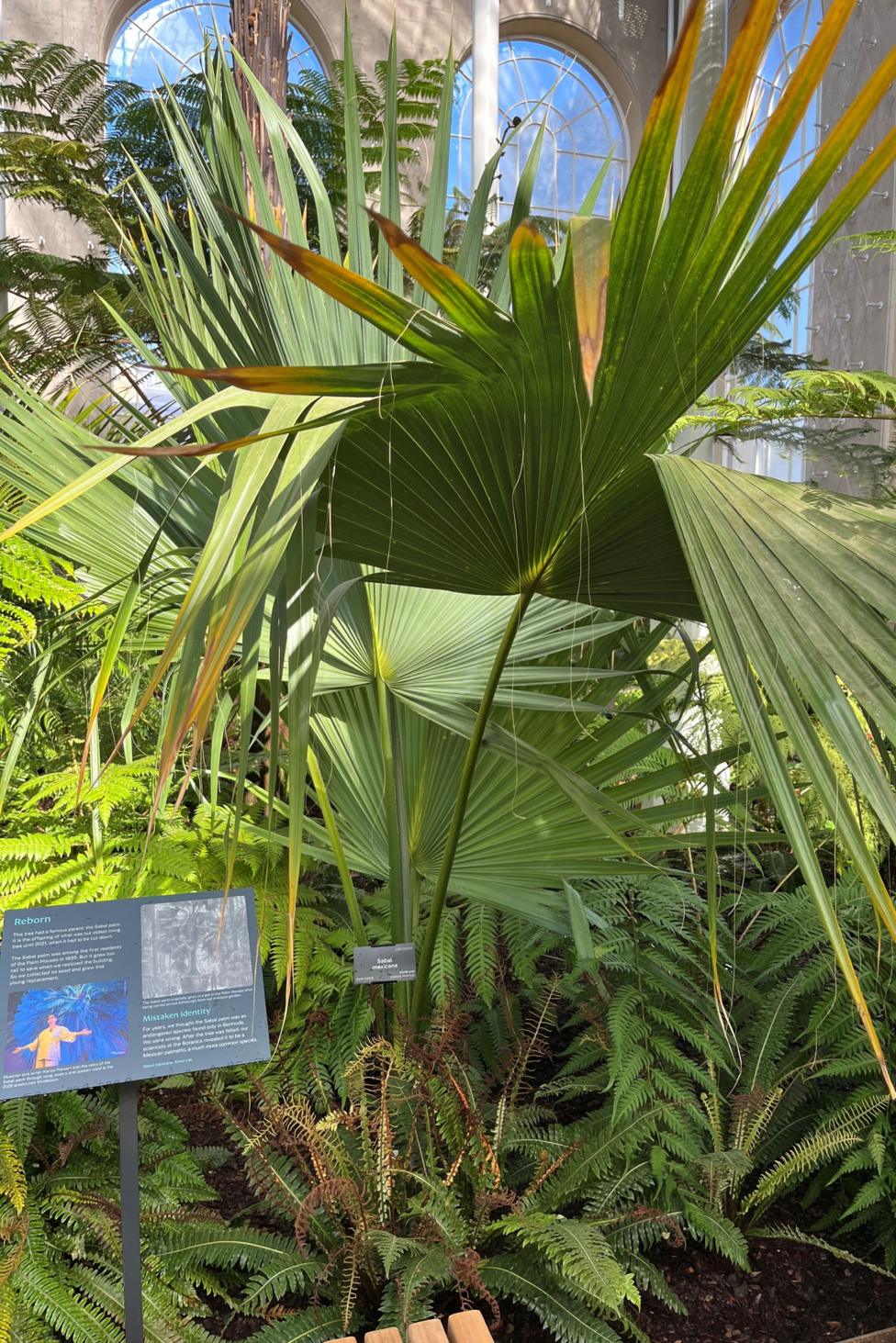
The 200-year-old Sabal palm tree, which had grown too tall for the original glasshouse, could not be transplanted and had to be felled during the restoration process. David Knott, the director of horticulture at the Botanic Garden, described this as one of the most difficult moments of the entire project.
There was no way that we were actually going to ever be able to transplant the Sabal palm. And that was probably one of the hardest, most poignant parts of the whole process.However, seedlings from the original tree were preserved, and one of its descendants now grows in its place.
Hopefully, because we've planted it in this glass house which is a bit taller than where it was previously, hopefully it will last a bit longer than the previous one did.
What makes this restoration significant for plant conservation?
The Palm Houses serve as a living archive for endangered species that no longer exist in their natural habitats. The restoration ensures these rare plants can be protected and studied while allowing the public to experience them in a carefully controlled environment. The project represents the first stage of the wider Edinburgh Biomes programme, a £58 million investment in the Garden's restoration and development, with the National Lottery Heritage Fund contributing £4.8 million to the Palm Houses project.
What signs indicate the plants are adapting well?
Sadie Barber noted visible evidence of the plants' successful adjustment to their new surroundings.
You can see new growth coming out of some of those plants that are now in the ground. One thing people will notice is little new croziers coming in, coming up from the fern crowns. When you see that unfurling you know a plant is happy. And if you look around there's just so much life. It's been an enormous job, but a really well done job. So we are overjoyed.The appearance of new fronds and shoots from ferns and other species indicates that the plants are responding positively to the renovated conditions.
What is planned for the reopened Palm Houses?
The Garden has announced an autumn programme of music, art and wellbeing events in the Palm Houses, according to the Garden's events schedule. Around 800 guests attended a community celebration at the restored Palm Houses ahead of the public reopening. The Palm Houses are scheduled to open to the public on Friday 2 October 2026, with timed entry slots from 10:15 to 16:15, and advance booking is recommended.
David Knott expressed his hope that visitors will embrace the reopened space.
For many people in Edinburgh and throughout Scotland and throughout the world, the palm houses in Edinburgh really are one of the most iconic features of the Botanic Garden here. And we hope when we reopen, we will be able to welcome people and they'll be able to enjoy the space as it was always intended to be.
The restoration maintains the Palm Houses' original character while incorporating modern techniques and materials designed to ensure their long-term preservation. The Front Range Glasshouses remain closed as work continues on other phases of the Edinburgh Biomes programme.