

Rediscovery of Lost Cannons at Ardvreck Castle
Two cannons that once stood at the clan stronghold of Ardvreck Castle, which had disappeared after being taken into safekeeping over 50 years ago, have been rediscovered and returned to the north-west Highlands.
The guns had been visible protruding from the ruins of Ardvreck Castle until the early 1970s, when they were relocated first to one site and later to another outside the local area. Historic Assynt, the organisation responsible for the care of the 500-year-old property, had nearly lost hope of ever recovering the cannons.
Thanks to the support of a "generous and anonymous" benefactor, the cannons have now been brought back and installed in the Old Kirk archive, which is managed by the community organisation.
The Big Cannon Project, established in 2018 to create a database of historical artillery weapons, provided assistance to the local group in facilitating the return of the cannons.

"If we are honest, most of us believed that we would never see them again, but thanks to a generous benefactor, who very much values their anonymity, and some amazing people who helped us rehome them, we can today announce that the Ardvreck cannons are back in Assynt .
Huge thanks to all concerned - you know who you are and how much we appreciate it."
Historical Background of Ardvreck Castle and Its Cannons
Ardvreck Castle was constructed in 1597 for the MacLeods of Assynt and is located on the northern shore of Loch Assynt, an area characterised by extensive hills and mountains.
The cannons are believed to have been manufactured in Sweden and are identified as Finbanker cannon. Historic Assynt suggests that these weapons may have been present at Ardvreck in 1672 during the siege by the MacKenzies of Assynt, who were rivals of the MacLeods and subsequently took control of the castle.
The castle was eventually abandoned and fell into ruin over time.
A cannonball already in the care of Historic Assynt matches the bore of these cannons.
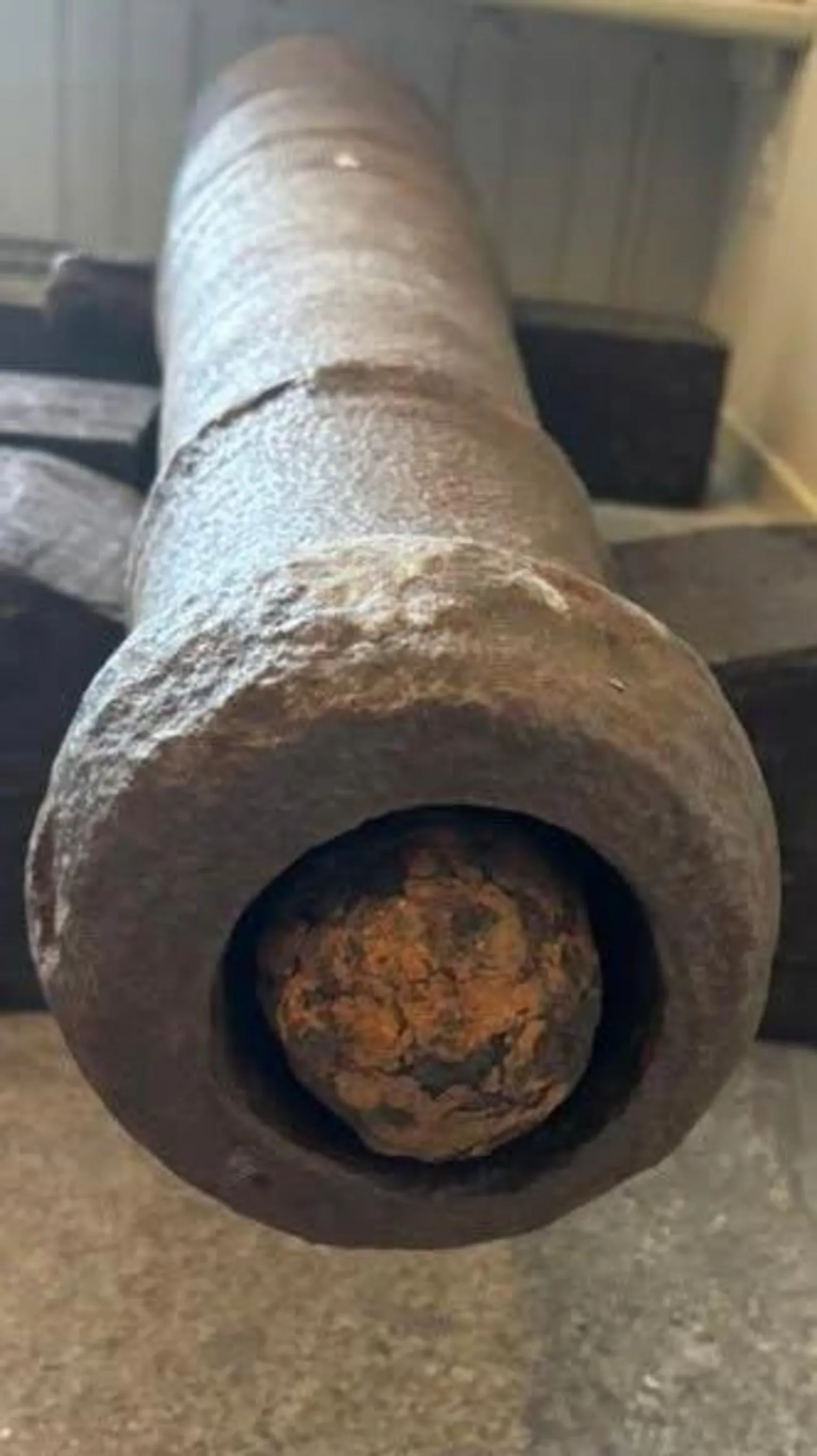
There is also a theory that the cannons may have originally been salvaged from a shipwreck near Drumbeg in Sutherland.


