

A cluster of films released in the summer of 2026 — including One Night Only, The Invite, I Want Your Sex and Teenage Sex and Death at Camp Miasma — are tackling sex, desire and generational anxiety head-on, arriving as commentators continue to debate why members of Generation Z report having less sex than previous generations did at the same age. The films range from a dystopian romcom to an art-world threesome drama to a queer slasher reboot, each using sexual awkwardness and misadventure to probe what critics call a broader crisis of connection rather than simple lack of desire.
The conversation around so-called Gen Z celibacy began roughly a decade ago and has since spawned a steady stream of books, podcasts and cultural commentary attempting to explain the phenomenon. In recent years, entertainment itself appears to have shifted in response: "smut" literature has surged in popularity, prestige television has increasingly featured storylines involving OnlyFans-style content creators, and independent film has leaned further into sexually explicit material. This summer's slate of releases pushes that trend further, using confused young protagonists and their sexual misadventures to interrogate how younger audiences relate to intimacy.
Why is Gen Z having less sex?
Researchers and commentators point to a paradox: despite being widely regarded as the most sexually progressive generation to date, members of Gen Z are coming of age under intensified sexual conservatism. Following the 2022 overturning of Roe v Wade in the United States, 16% of single Gen Z adults reported feeling more afraid to date. That tension sits at the centre of One Night Only, a romantic comedy set in a world where Congress has banned premarital sex outright, except for a single government-sanctioned night each year when the restriction is lifted for single people. During that one night, after a string of missed connections and wrong turns, Owen (played by Callum Turner) and Allie (played by Monica Barbaro) finally meet.
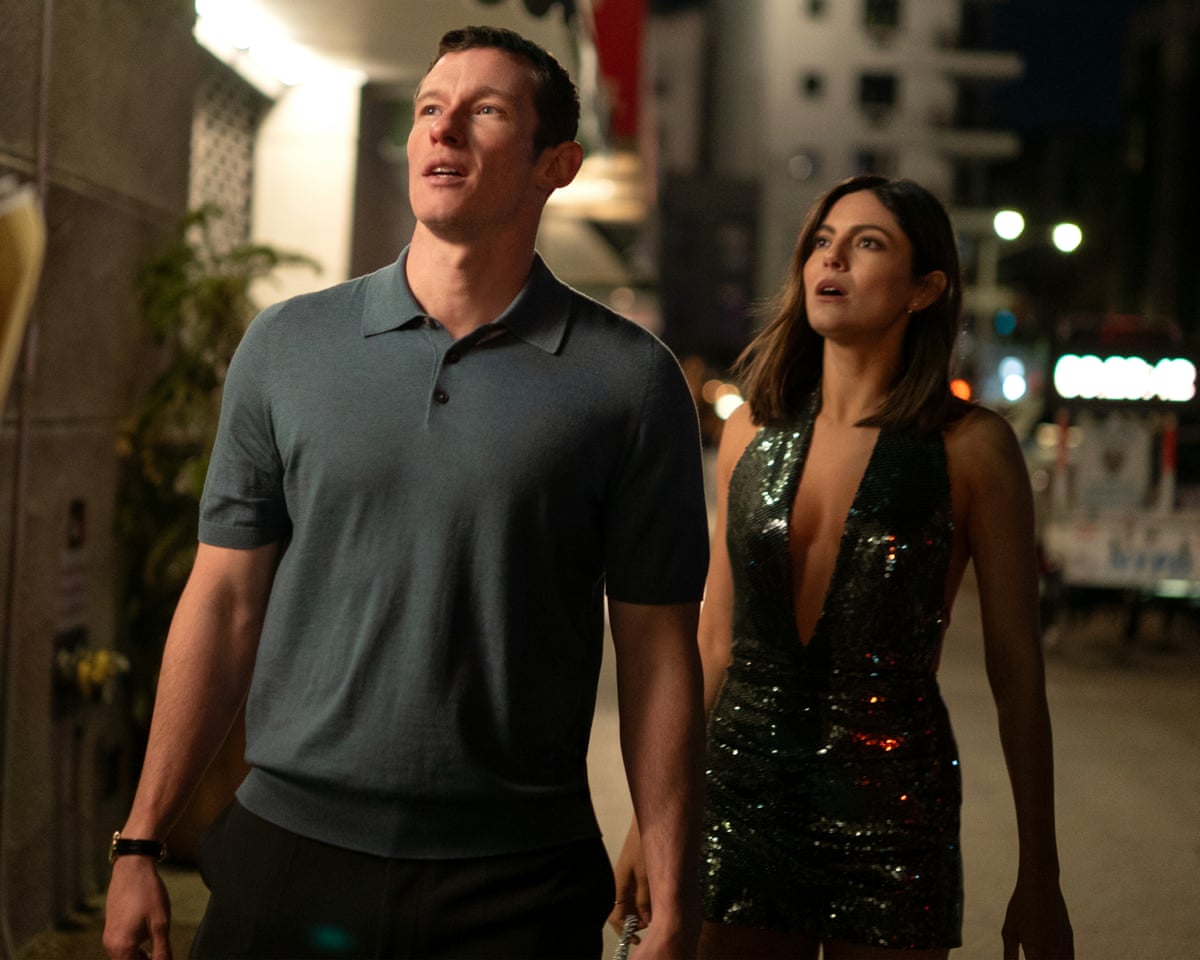
Despite its overtly political setup, One Night Only does not appear to function as commentary on the United States' drift toward authoritarianism. Instead, the ban mainly serves as a device to generate obstacles for its central couple — such as the $2,000 price tag Owen faces when trying to buy condoms — in much the same way a busy telephone line once created missed connections in romantic comedies of the 1990s. Because the film gives little insight into what these characters' lives looked like before the ban was enacted, Allie's complaints about failing to find her "Prince Charming" read as fairly generic, echoing frustrations that could be lifted from any conversation about modern dating-app culture.
Is this really about a lack of desire?
No — several of the films suggest the so-called sex recession is existential rather than libidinal. Gen Z is the first generation to have grown up entirely under the influence of the internet, with the isolation that can bring; compounding that, its youngest members also came of age during the pandemic. Learning how to relate to another person is difficult enough on its own, let alone initiating sex, a process that remains awkward — sometimes painfully so — for people of any age. That much, critics note, One Night Only gets right even where its broader premise falls short.
Other films released this summer lean further into the idea that sex alone cannot resolve the deeper alienation produced by modern life. In Gregg Araki's I Want Your Sex, loneliness afflicts Elliot (played by Cooper Hoffman), a studio assistant to provocative artist Erika Tracy (played by Olivia Wilde), who effectively makes him her "sexual muse." According to a summer movie preview, the comedy-thriller had a scheduled theatrical release date of July 31, meaning it had already opened by the time this piece was published. For much of the film, Araki keeps his characters in fixed roles, with Erika as the worldly provocateur and Elliot as the naive assistant. That balance is disrupted in the film's strongest sequence, a doomed threesome involving Elliot's sexually uncertain roommate Apple (played by Chase Sui Wonders). The arrival of a third person with her own tangled desires — does Apple want Erika, Elliot, or both? Do they want her? Does she want to be wanted? — causes Erika to lose her composure and Elliot to push back against the role assigned to him. Standing together, half-dressed, the characters seem worlds apart despite their physical closeness.
How do the other films handle the theme differently?
I Want Your Sex shares a structural similarity with The Invite, in which Wilde also appears and which she directed, and with Jane Schoenbrun's Teenage Sex and Death at Camp Miasma: in each, a younger or less experienced character becomes entangled with an older, more sexually confident woman who guides them toward self-knowledge through desire. According to a report on sexually charged cinema at the 2026 Sundance Film Festival, The Invite follows a married couple in San Francisco who discover their new neighbours host group-sex parties and want them to join, and the screenplay was written by Rashida Jones and Will McCormack.

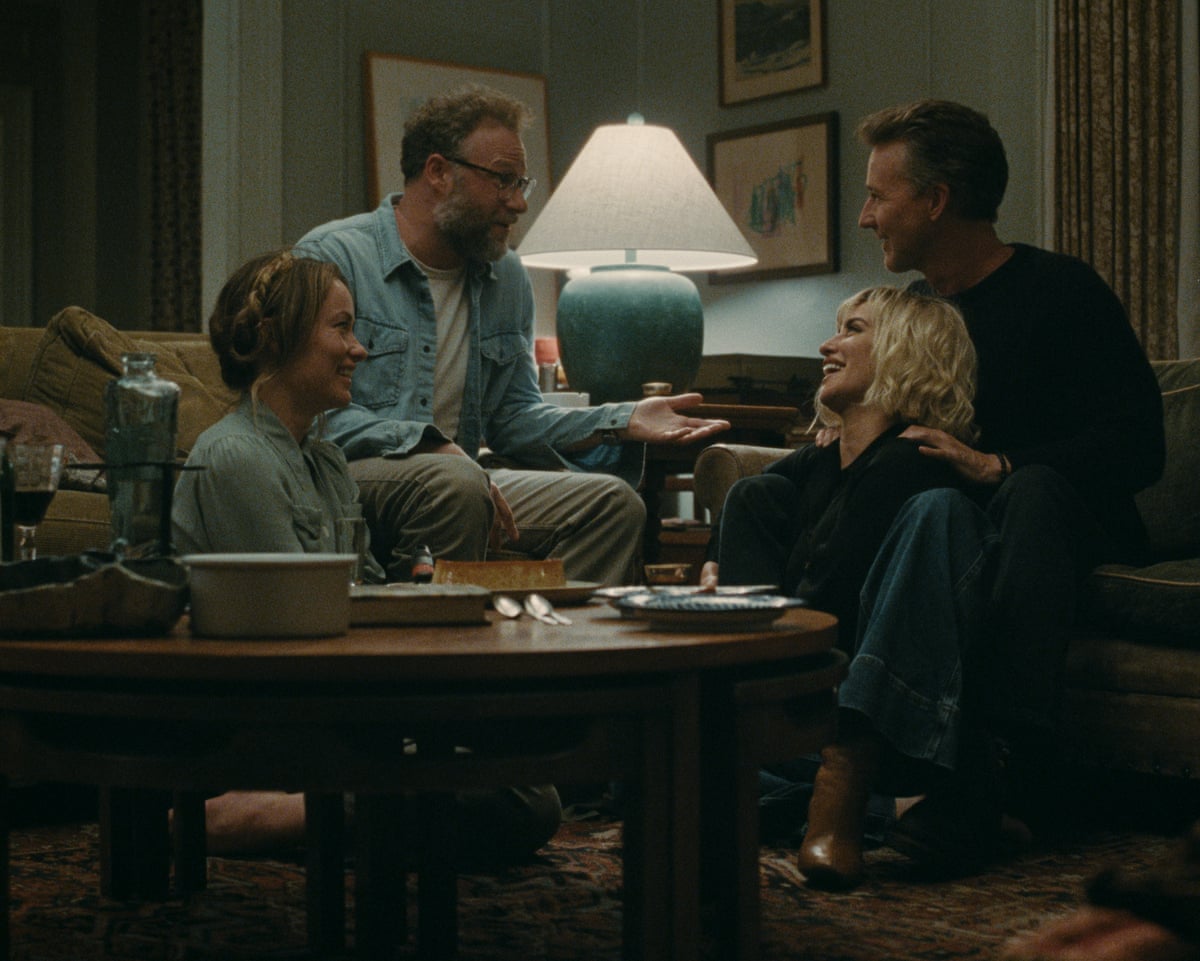
Where sex functions as an all-consuming problem for the characters in The Invite and I Want Your Sex, Teenage Sex and Death at Camp Miasma treats sex, death and art as intertwined impulses that cannot be neatly separated. The film follows 29-year-old filmmaker Kris (played by Hannah Einbinder), who is tasked with rebooting the Camp Miasma slasher franchise that first prompted her own "queer awakening." Kris fixes on a single theme, writing "DESIRE" in large block letters in her journal. According to a summer movie preview, Teenage Sex and Death at Camp Miasma won the Queer Palm at the 2026 Cannes Film Festival.
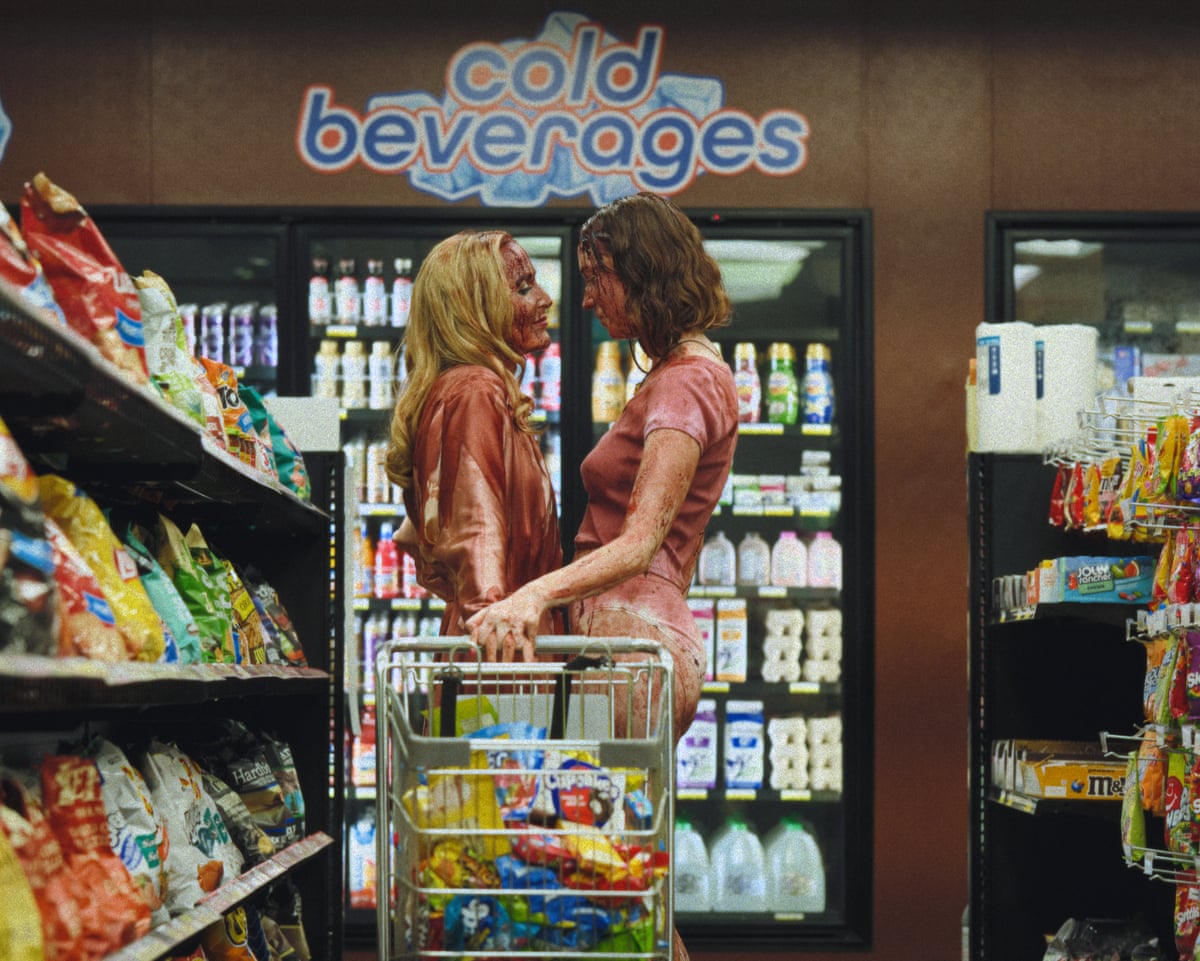
By granting audiences access to Kris's process of self-discovery, the film reportedly addresses generational anxieties with more nuance than its counterparts. Through her relationship with her muse Billy Presley, the original final girl of the Camp Miasma franchise, Kris learns that reaching either artistic or sexual climax requires relinquishing control and allowing the experience to unfold on its own terms. To Billy, slasher films are as elemental as sexual desire itself; she teaches Kris that both sex and art are visceral experiences that resist easy theorising.
Where One Night Only plays threats to sexual freedom largely for laughs, and Erika in I Want Your Sex rolls her eyes at what she views as Gen Z's "wokeness," Teenage Sex and Death at Camp Miasma takes a more sincere approach. Kris initially sets out to reboot the franchise in order to correct its history of transphobia, but only arrives at a genuine physical and emotional understanding of art once she stops overintellectualising the slasher genre. It is only then that she is able to connect fully with Billy — and only through that connection that she manages to make a film that feels true.
Does this connect to a wider shift in film culture?
The renewed appetite for sexually frank storytelling arrives alongside a separate trend in American film exhibition: independent cinemas across the country have been reporting a resurgence driven largely by Gen Z audiences and community-focused programming, according to earlier coverage of the independent cinema revival, with venues such as Low Cinema and Chicago's Music Box cited as examples of the trend. That resurgence offers one possible venue for the kind of provocative, boundary-pushing films now populating the summer schedule.
A broader summer preview identified I Want Your Sex, Pillion, Blue Film and The Invite as part of a wider pattern, according to a roundup of the year's most sexually explicit releases, which described the current slate as an unusually provocative season overall. Separately, I Want Your Sex had already been circulating in entertainment previews earlier in 2026 as one of the year's most anticipated titles, according to a summer movie anticipation list.
What happens next?
According to a summer 2026 release calendar, One Night Only is scheduled for theatrical release on August 7, while Teenage Sex and Death at Camp Miasma is set to open on August 14, meaning both films' wider commercial reception is still to come.
Taken together, these films are unlikely to offer Gen Z viewers a straightforward template for navigating sex and relationships; if anything, they function more as cautionary examples of behaviour to avoid. Still, that may be exactly where their value lies. After decades of unrealistic on-screen depictions of sex, and a period in which some feared sex might vanish from mainstream film altogether, its messy, awkward return to cinemas is being treated by critics as a welcome development rather than a setback.
Key Facts
- One Night Only imagines a US in which premarital sex is banned except for one government-sanctioned night a year, and is scheduled for release on August 7, 2026.
- 16% of single Gen Z adults reported feeling more afraid to date following the 2022 overturning of Roe v Wade.
- I Want Your Sex, directed by Gregg Araki and starring Olivia Wilde and Cooper Hoffman, had a scheduled release date of July 31, 2026.
- Teenage Sex and Death at Camp Miasma, starring Hannah Einbinder, won the Queer Palm at the 2026 Cannes Film Festival and is due for release on August 14, 2026.
- The Invite was written by Rashida Jones and Will McCormack and follows a married couple drawn into their neighbours' group-sex parties.


