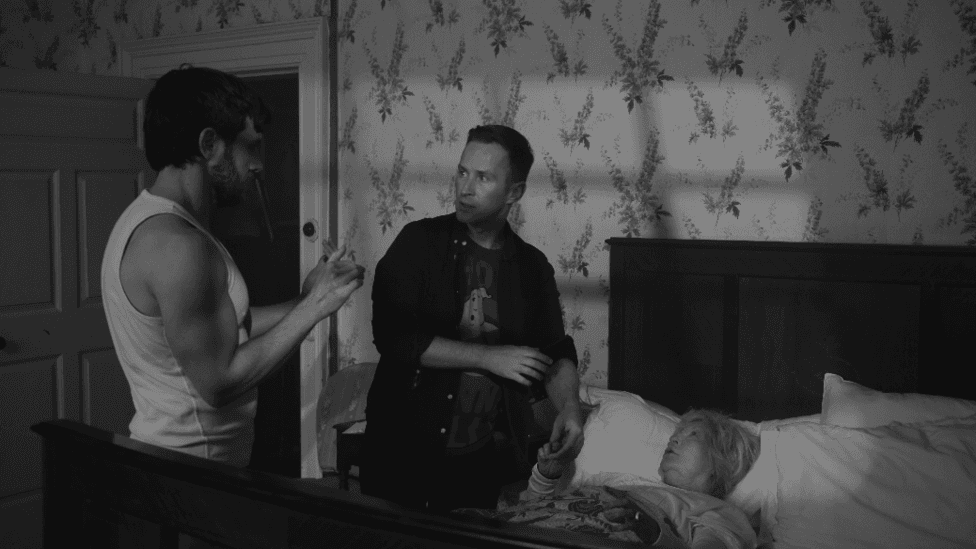
What distinguishes the way Irish filmmakers approach horror and folklore, setting their work apart as distinctly rooted in their cultural identity? That question sits at the heart of the Belfast International Horror Festival, now in its seventh year of operation. According to BBC News, the festival ran from Wednesday through Sunday, presenting six horror films across four venues in the city, blending established Hollywood classics with emerging local talent competing in its short film competition.
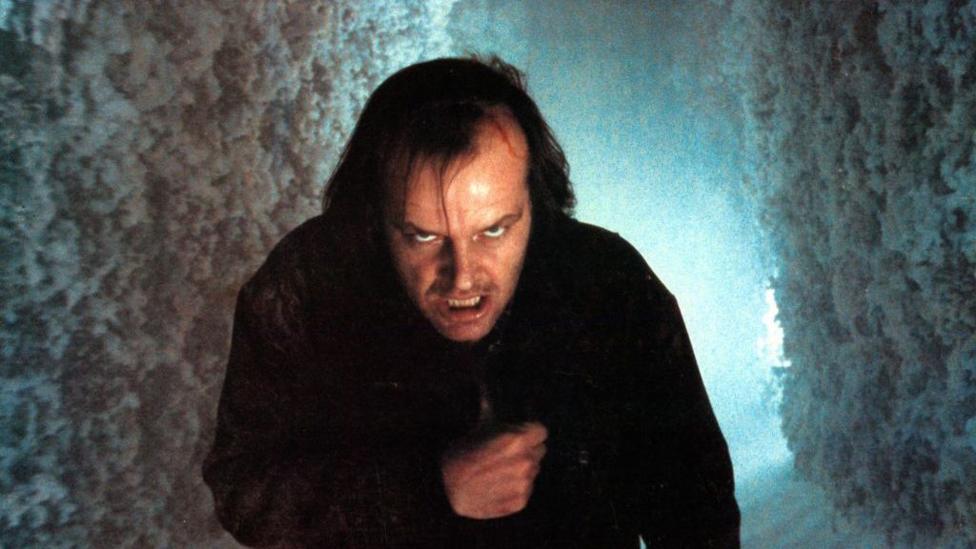
The festival's programming reflects a deliberate strategy to showcase Irish voices within the horror genre. Alongside screenings of Stanley Kubrick's The Shining and John Carpenter's The Fog, the event featured The Widow's Ring, a modern Irish ghost story by Belfast director Nathan Hughes, which premiered on Friday. According to the Belfast Telegraph, Hughes drew inspiration from childhood memories of a wailing wind in a north Belfast house, crafting a narrative that sets banshee folklore against contemporary themes of scepticism, greed and materialism.
What makes Irish horror distinctive?
Hughes' film explores the banshee, which he describes as "probably one of the most famous characters within Irish folklore that exists". The director cited filmmakers Aislinn Clarke and Damian McCarthy as creative influences, noting the prevalence of dark subject matter in Irish cinema rooted in cultural superstition.
There's so many great Irish filmmakers that are making films that have very dark subject matters that are often influenced by superstition or things that we've believed in within Irish culture like changelings, witches and spirits.
Hughes emphasised that his film draws heavily from religious imagery and belief systems.
In Ireland superstition and religion are very interlinked. In my film, the old widow says, 'he who does not believe is condemned already', which is a biblical quote. It also plays into superstition and folklore because if you don't believe in it and it's true, you're doomed.
A characteristic element of Irish horror filmmaking, Hughes observed, is the resistance to conventional narrative resolution.
I think Irish filmmakers often tend to explore things in a very dark way and they're not as suggestible to having a nicely wrapped-up happy ending in their film.He also highlighted the role of dark humour in Irish storytelling, noting that
a dark sense of humour comes through in Irish films. We're quite prone to being able to laugh at ourselves and laugh at terrible situations that we're in.Hughes cast Julian Simmons in a cameo role specifically to inject what he described as "a sense of innuendo and dark comedy that is quite unsettling in the scene that he's in".
How has the festival evolved?
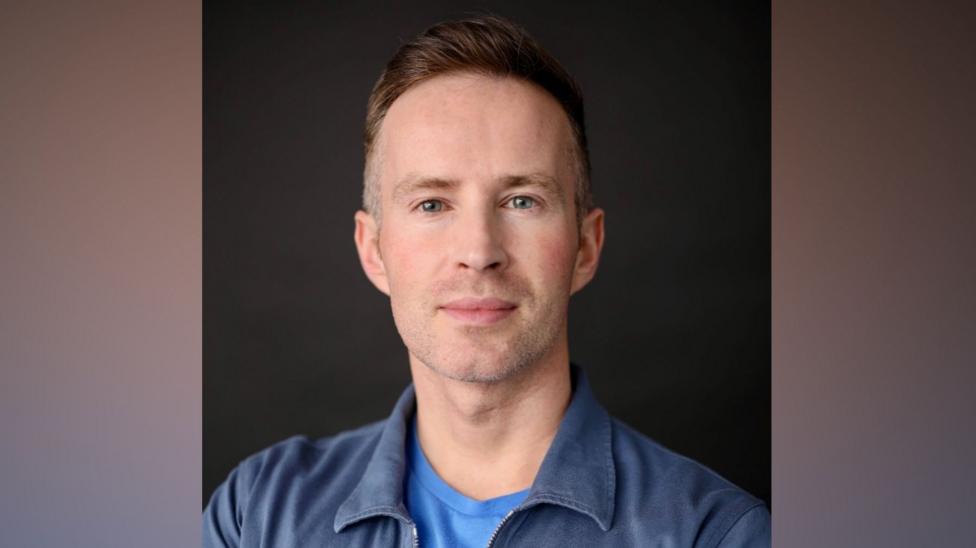
Jim McClean, the festival's lead programmer, explained that the event originated with a narrower focus.
It actually started out as a short film festival. We just showcased Irish filmmakers and wanted to give a platform for Irish directors, particularly within the horror genre.Now in its seventh year as a fully-fledged festival, the scope has expanded considerably, with McClean observing that
the kind of creativity within filmmakerscontinues to impress him.
There's such a great kind of local industry here that has developed and now you can really see that it has its own voice and its own style.
The 2026 programme demonstrated this growth, as the Irish News reported, featuring the Irish premiere of Adam Wingard's Onslaught, a Halloween-night screening of The Fog, and the festival's first family-friendly event, a fancy-dress screening of Scooby-Doo. The Halloween screening of The Fog marked a milestone: ten years since the festival first screened the film at the Belfast Barge in 2016.
What role does cultural storytelling play?
McClean characterised the people of the island of Ireland as a "nation of storytellers", rooted in a deep historical tradition.
We have that history with an Irish folklore of stuff like changeling and things like that. And we have seen directors, both in the shorts and features, playing with that.He elaborated on how migration has reinforced this identity:
The people of the island of Ireland have passed on, and travelled and with them their stories, so they will always be a people with those ideas of those stories.
McClean also highlighted the expanding opportunities for Irish filmmakers. He pointed to the growth of the film industry across the island, citing examples such as Lee Cronin's Evil Dead Rise films and Damian McCarthy's Hokum as evidence that directors now have greater resources to tell their stories than they did a decade or fifteen years ago. Beyond storytelling alone, the Belfast Telegraph reported that McClean believes the horror genre can serve as a platform to explore violence against women and girls.
How does Northern Ireland's history shape its horror cinema?
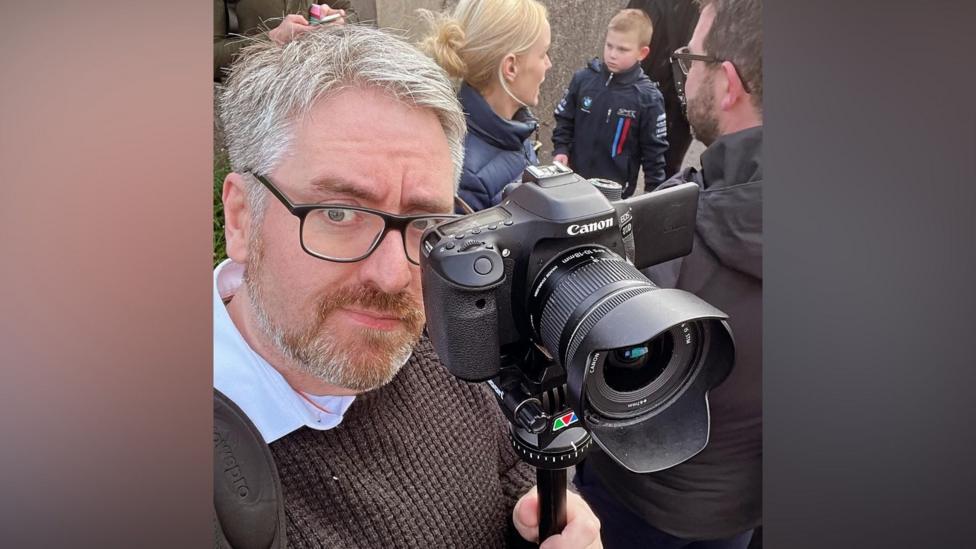
Simon Aeppli, a documentary filmmaker and lecturer in film production from Carrickfergus, brings an academic perspective to the question of regional identity in horror. His research focuses on theories of haunting and folk horror, with particular attention to how Northern Ireland's past informs its cultural output. His documentary Operation Bogeyman examines folklore, folk horror and black propaganda during the Troubles, exploring how historical trauma surfaces in artistic expression.
Aeppli argues that horror cinema provides a mechanism for processing difficult historical legacies.
Horror films allow us to look and deal with our relationship to a past, and often it's not a good past. It's a horrible past that rests beneath the surface, that is just waiting to explode, waiting to rise up.He contextualised this within Northern Ireland's broader experience:
We've got a long, contentious history of violence, obviously, in this country, which goes back centuries.
Despite historical censorship efforts, Aeppli discovered during his research that horror films maintained a consistent presence in Northern Ireland throughout the twentieth century.
During his research he was surprised to uncover how many horror films were actually being shown in places like Belfast, Londonderry and Newcastle in the early 1970s.
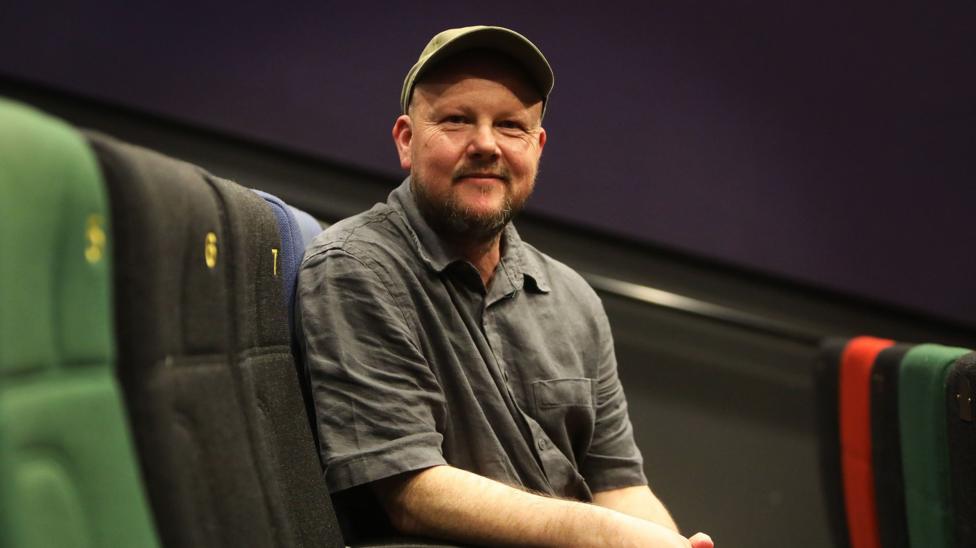
Aeppli contends that Northern Ireland's relationship to horror cinema differs fundamentally from other regions, shaped by multiple intersecting factors. He posed the question:
Do we [in Northern Ireland] see these stories differently?His answer was affirmative, attributing this distinction to several elements.
I think yes, because of our relationship to folklore our relationship to poetry. There's a real dark poetry in the landscape of Ireland, and the Northern Irish relationship to religion is really important as well.
What happens next?
The festival was scheduled to close on Sunday, 1 November 2026, with a screening of Carnival of Souls at the Harland & Wolff Staff Club, in partnership with the Strand Cinema, bringing the week-long celebration of horror cinema to a conclusion.