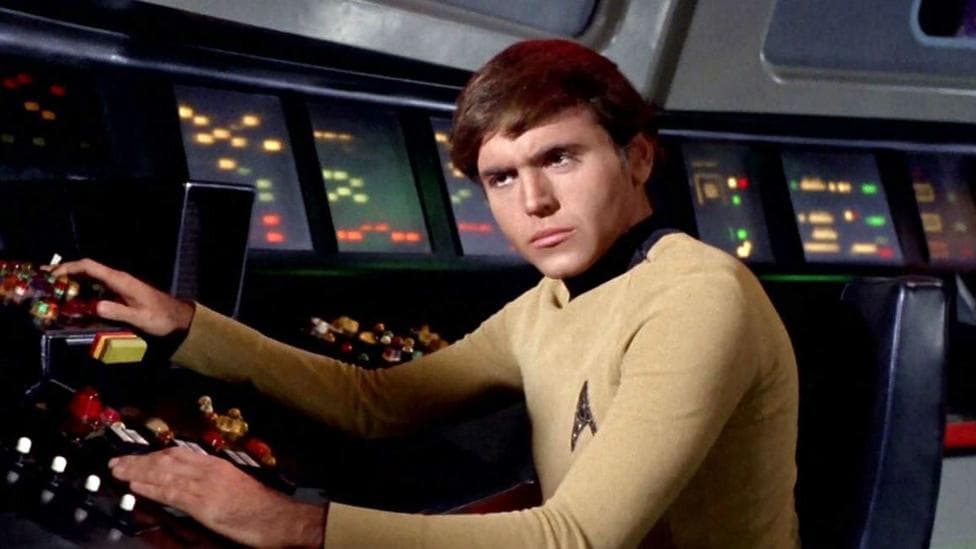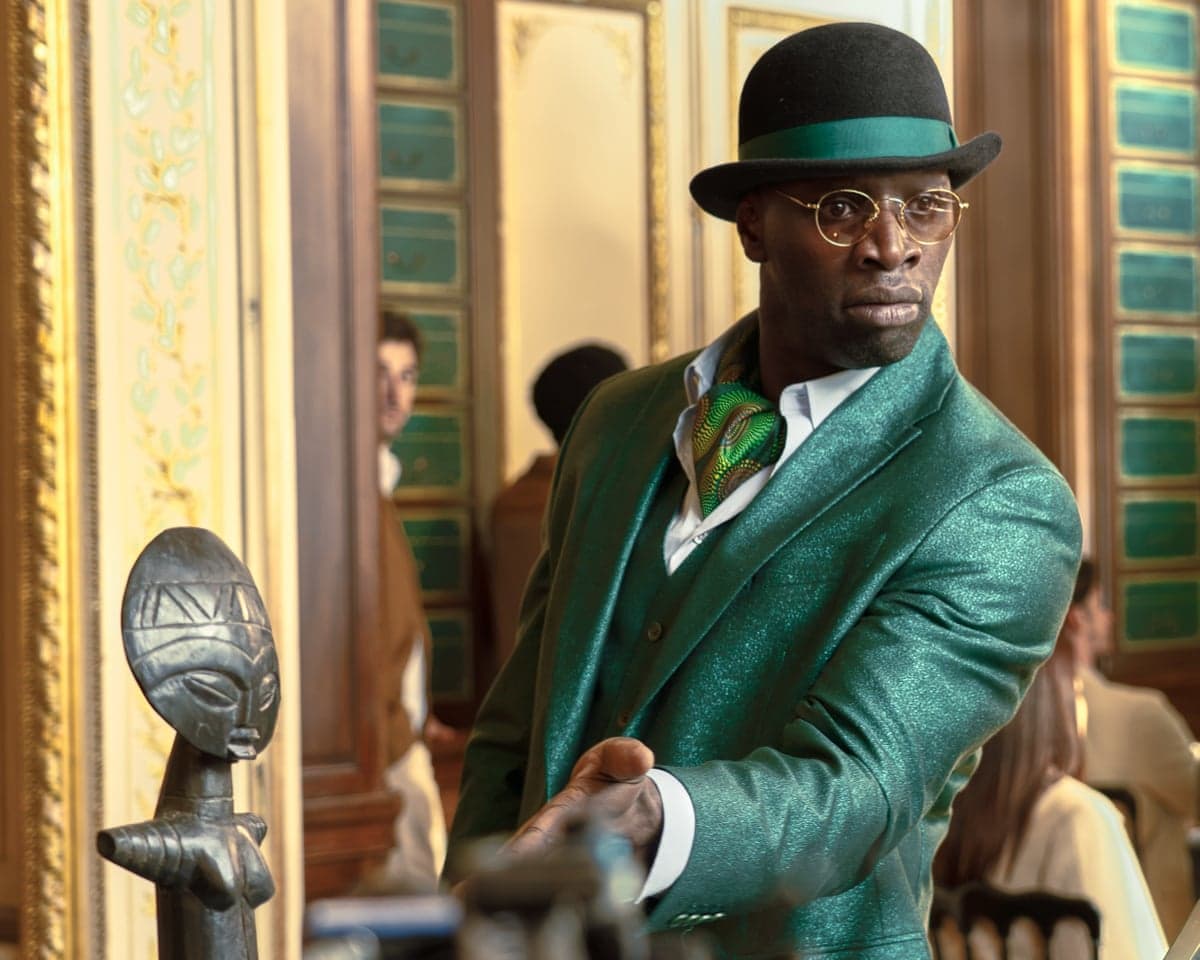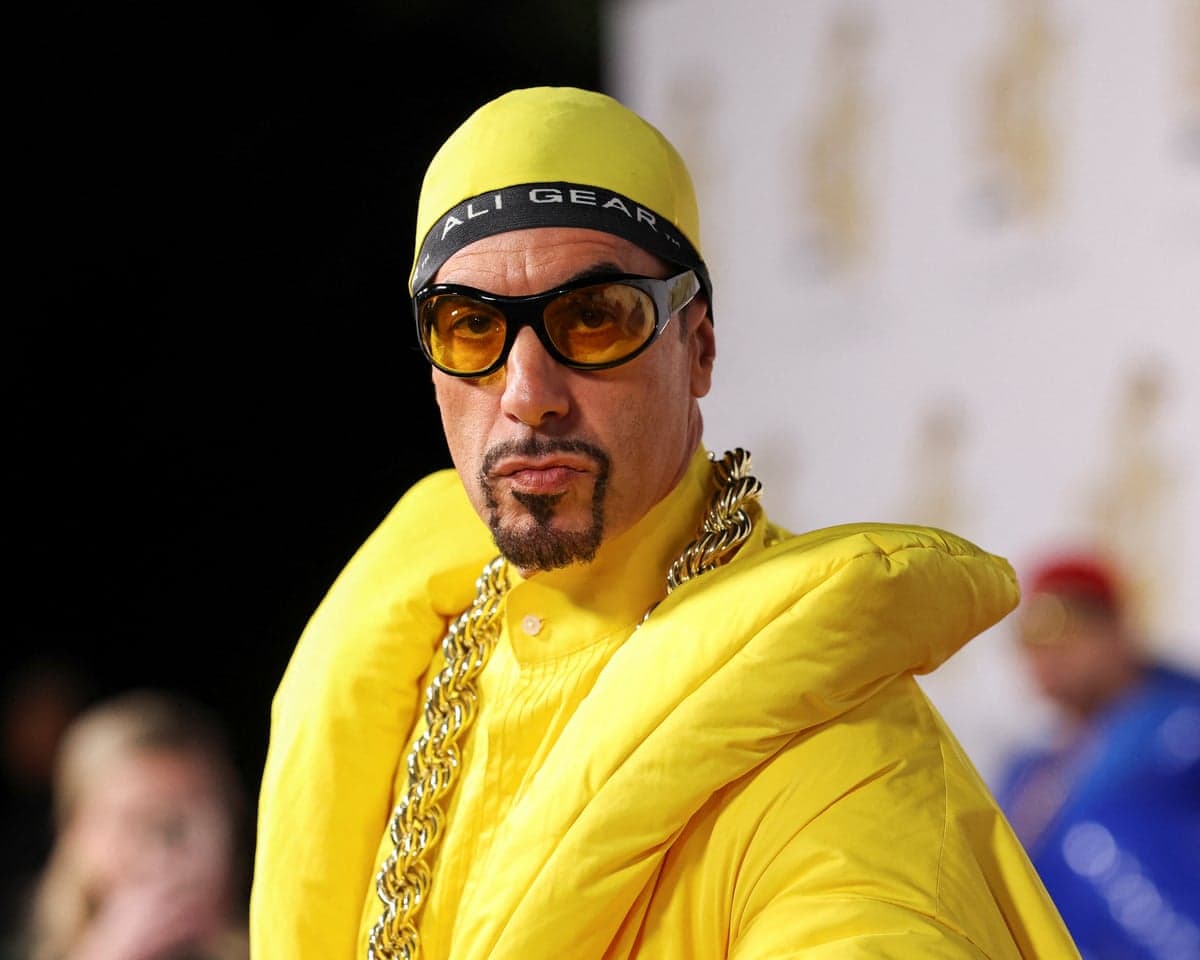
From the decapitation in The Omen to the attic assault in The Birds, this countdown celebrates the genre's most unforgettable moments—crafted through ingenuity, practical artistry and pre-digital wizardry. According to The Guardian, these sequences represent a golden age when filmmakers relied on makeup, puppetry, in-camera tricks and mechanical innovation rather than computer generation.
The craft of horror special effects has evolved dramatically over decades, with practitioners choosing between practical and digital approaches based on the story's demands. Production industry analysis notes that practical effects are often selected for their tangible physical results, while digital effects can serve supernatural events and other outlandish imagery. This ranking focuses on the former—the tactile, visible craftsmanship that made audiences recoil in genuine shock.
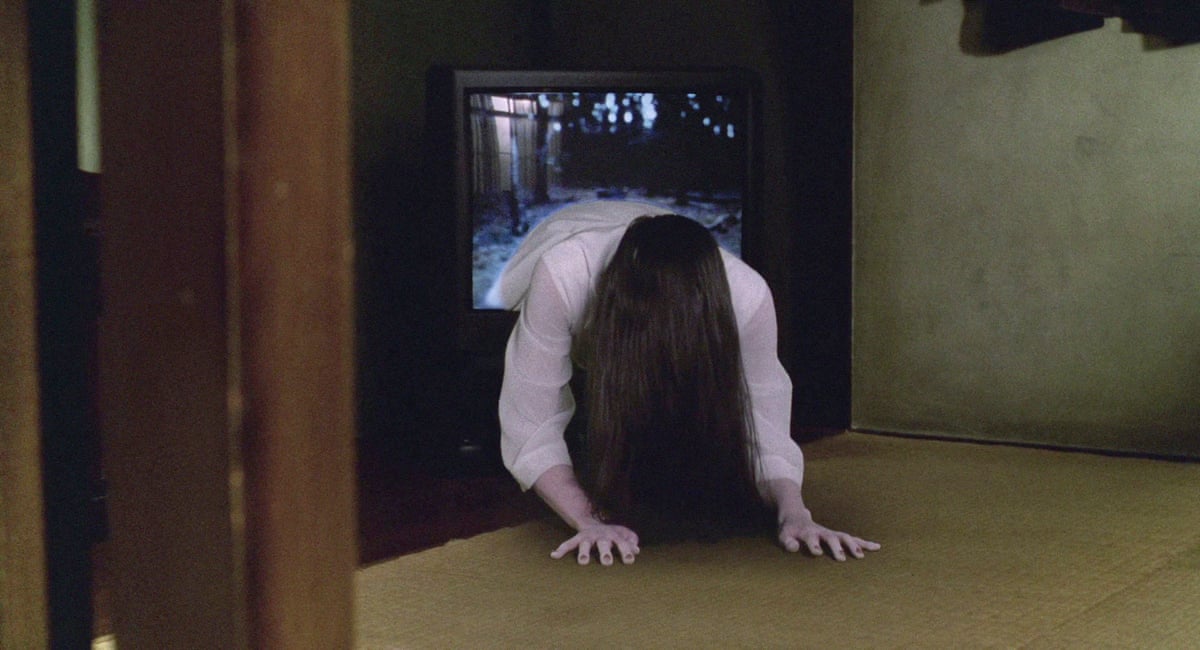
20. Ring (1998)
As the final decade of the 20th century unfolded and filmmakers grew increasingly dependent on computer-generated imagery, Japanese director Hideo Nakata demonstrated that old-school practical techniques could still unsettle viewers profoundly. The cursed VHS tape appears to have claimed its final victim, yet Sadako's vengeful spirit emerges from the well, draws nearer, and forces her way through the television screen into the viewer's space.
19. The Phantom Carriage (1921)
Swedish filmmaker Victor Sjöström deployed double exposure extensively—accomplished entirely in-camera, since optical printing technology did not yet exist—to visualise Death's soul-collecting carriage in this folk-horror landmark. Sjöström himself portrays the dissolute protagonist, condemned to pilot the spectral vehicle unless he can transform his ways.
18. The Student of Prague (1926)
Henrik Galeen's expressionist take on the Faust narrative reunites the performers from The Cabinet of Dr Caligari: Conrad Veidt embodies the scholar who strikes a bargain with the devil (Werner Krauss), who appropriates his reflection. This malevolent double wreaks havoc until Veidt confronts it in a split-screen finale.
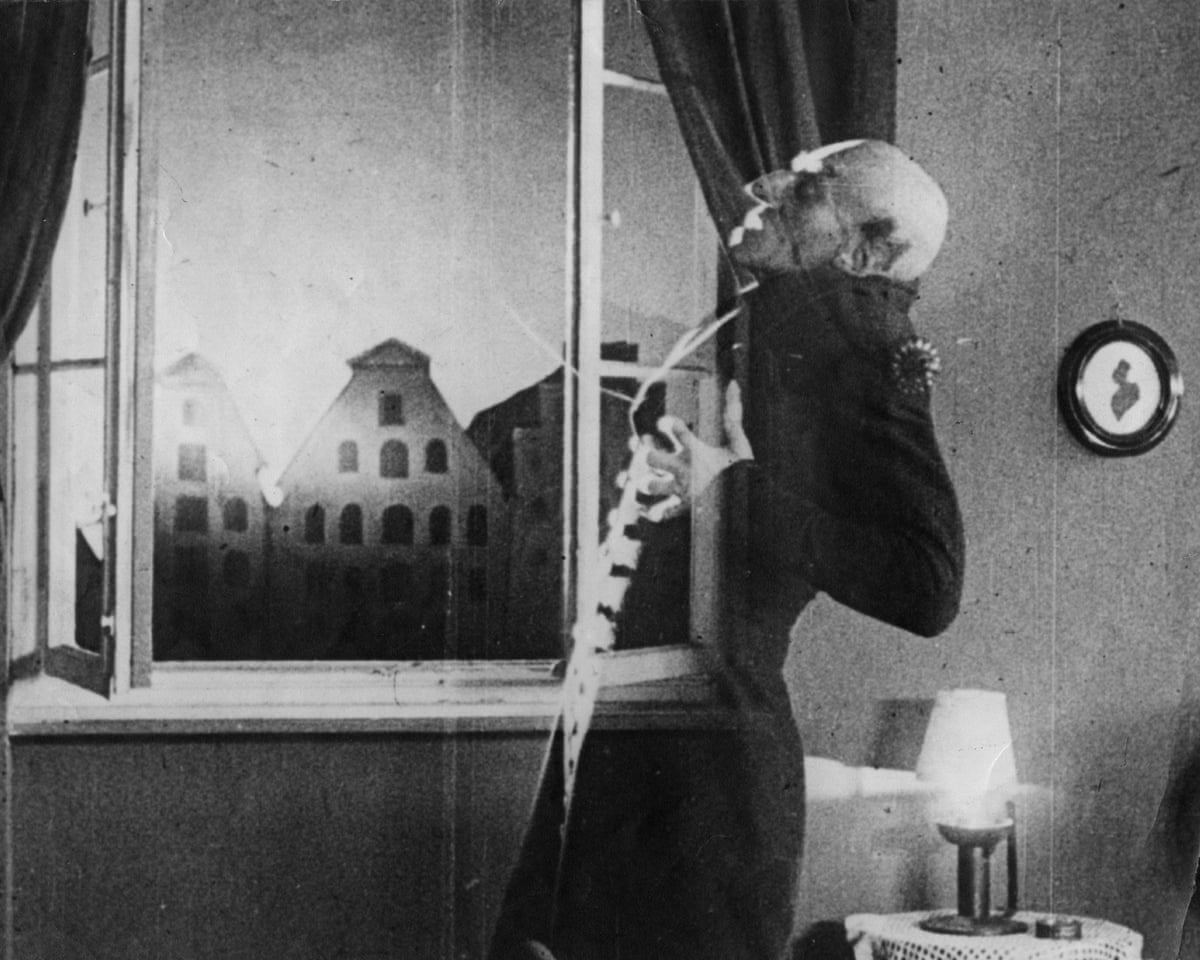
17. Nosferatu (1922)
FW Murnau employs an array of in-camera effects for this vampire masterwork. Inverted negatives, accelerated motion and stop-motion animation intensify the eerie atmosphere until, when exposed to sunlight, the skeletal Count Orlok (Max Schreck) dissolves into vapour.
16. Dawn of the Dead (1978)
A performer who passed away in August would become immortalised as "Helicopter Zombie" in George A Romero's undead opus. Through the artistry of splatter makeup virtuoso Tom Savini, the figure stumbles into view—and receives the crown of his head severed by a rotating rotor blade.
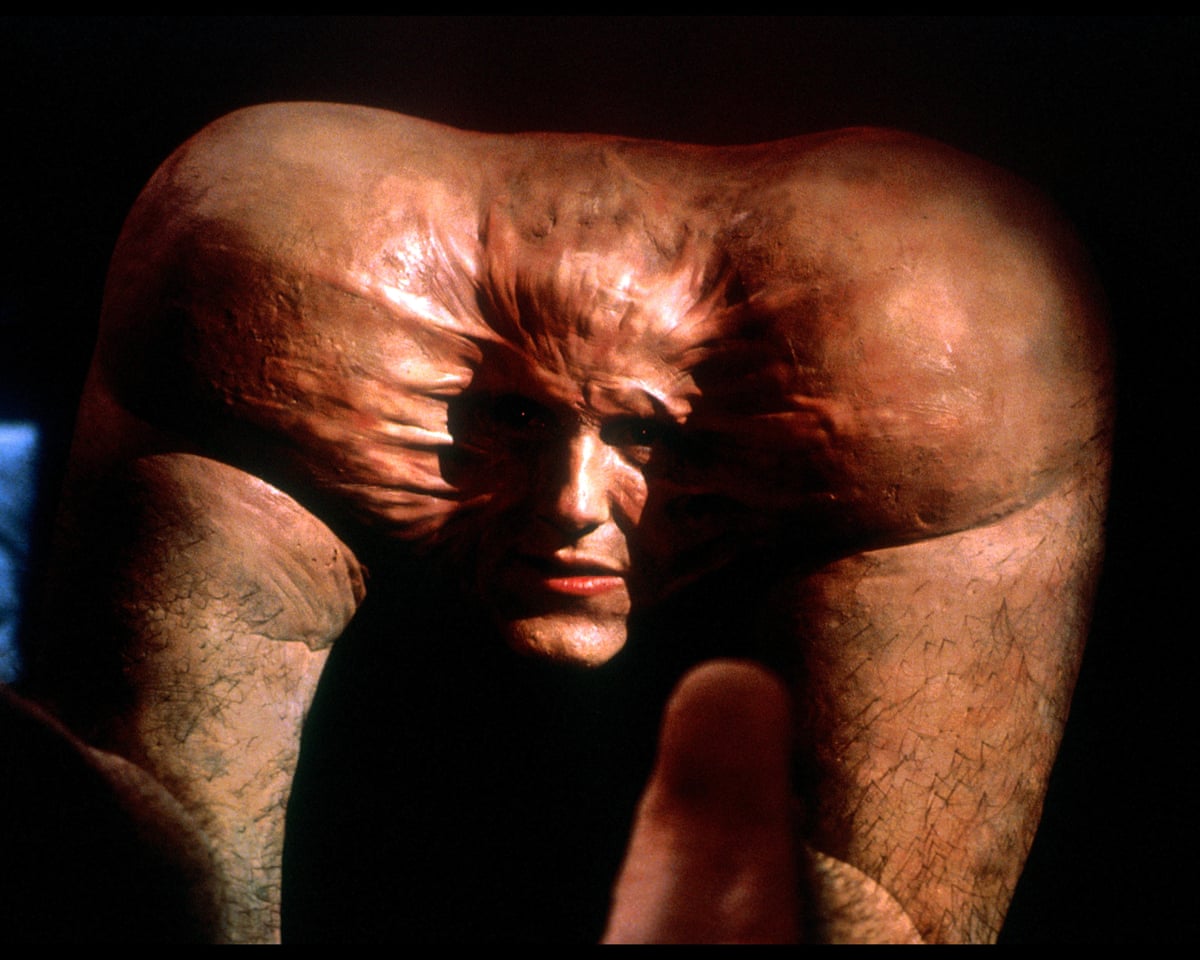
15. Tetsuo: The Iron Man (1989)
Shinya Tsukamoto erupted onto the body-horror landscape with a minimal-budget semi-experimental cyberpunk fever dream in which a Tokyo office worker's anatomy progressively transforms to metal via jerky time-lapse sequences, stop-motion animation and rapid cuts, accompanied by a harsh metallic score. In the climax, his genitalia metamorphoses into a massive drill and obliterates a coffee table.
14. The Invisible Man (1933)
James Whale's interpretation of HG Wells's novel benefits greatly from Claude Rains's sardonic delivery, though his face appears only fleetingly in his Hollywood debut. John P Fulton's special effects depict the performer unwrapping gauze from his head to expose—nothing whatsoever.
13. Dr Jekyll and Mr Hyde (1931)
Fredric March earned the Academy Award for best actor for his turn in this violent, sensual pre-code interpretation of Robert Louis Stevenson's novella. The director, Rouben Mamoulian, would not disclose the technique for achieving the groundbreaking onscreen metamorphosis of Jekyll into Hyde until 38 years later: Wally Westmore's prosthetics combined with coloured filters positioned in front of the camera lens.
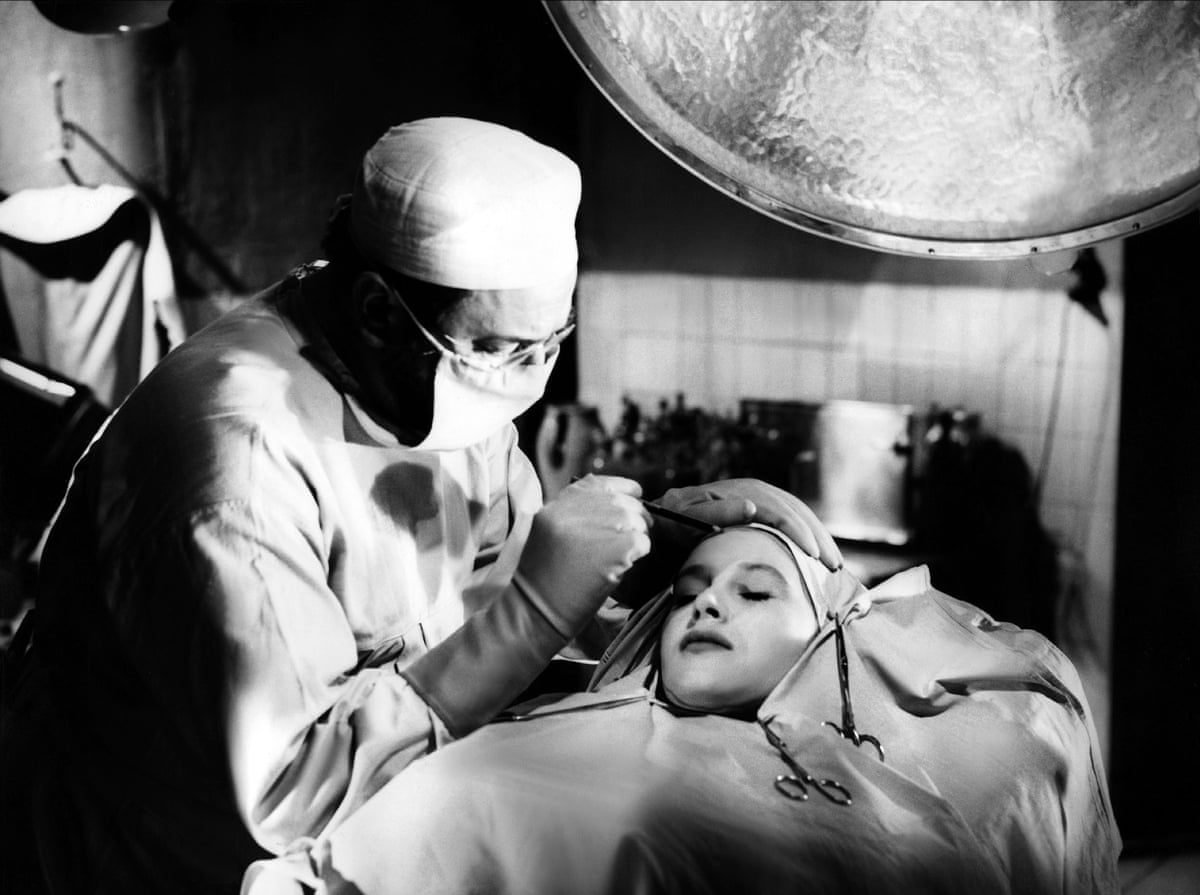
12. Eyes Without a Face (1960)
A physician abducts young women and—rendered in stark black and white—excises their faces with a surgical blade in a bid to restore the appearance of his scarred daughter. Georges Franju's unsettling arthouse horror was dismissed upon release, yet is now recognised as a seminal and influential work.
11. The Exorcist (1973)
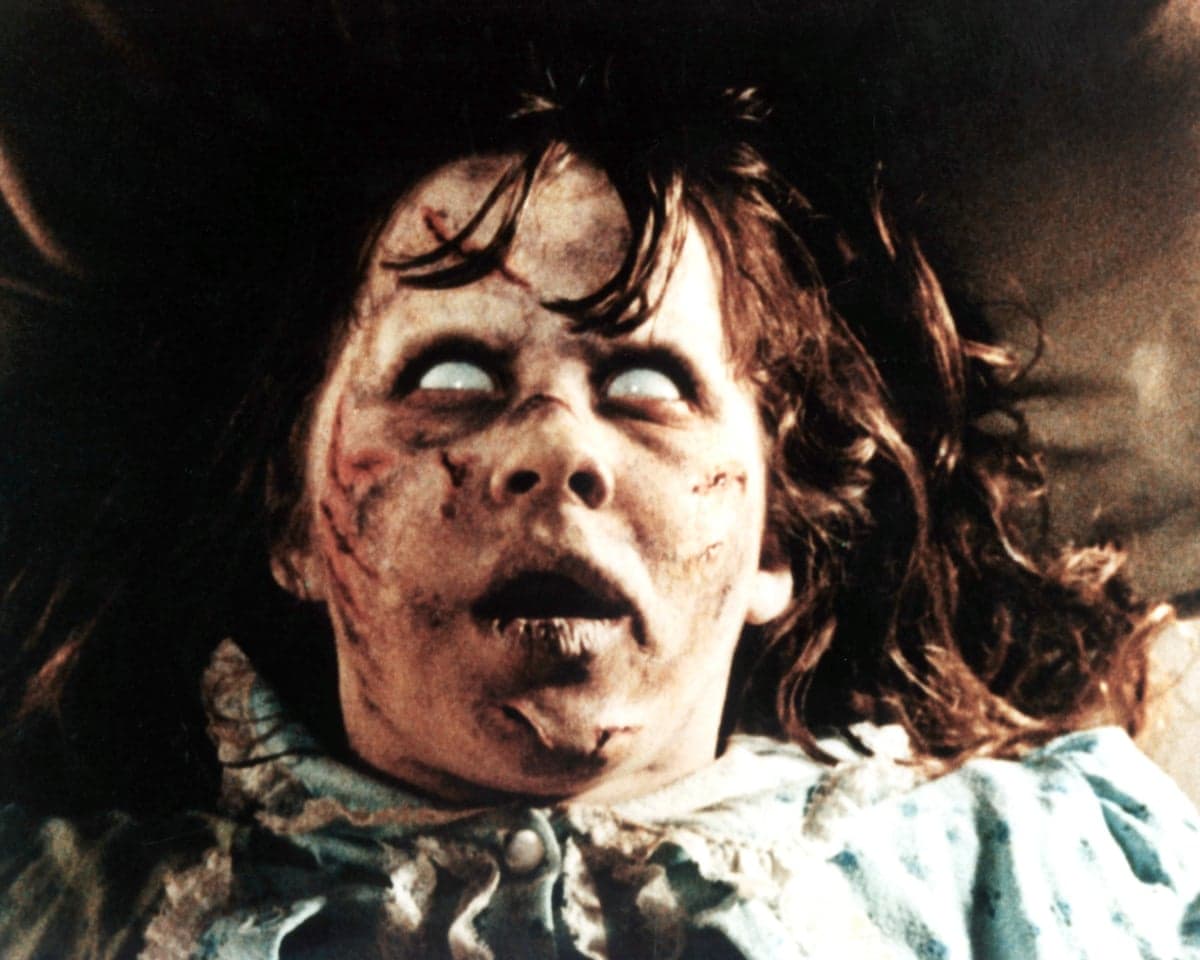
The pea-hued vomit popularised the phrase "projectile vomiting," and the excised "spider-walk" achieved legendary status before its later restoration. Yet the defining effect in William Friedkin's film remains Linda Blair's 360-degree head rotation, an effect simultaneously absurd and terrifying, realised through Dick Smith and Marcel Vercoutere's full-scale animatronic head.
10. The Birds (1963)
The climbing structure, the schoolyard, the petrol station constitute flawless set pieces, but the assault on Tippi Hedren in the attic stands out as particularly harrowing. Much of the terror derives from editing choices, though some birds were fastened to her garments with nylon filament, and one beak came perilously close to her eye. The sequence required seven days of shooting; Hedren characterised it as "the worst week of my life."
9. Eraserhead (1977)
David Lynch's debut feature-length work inhabits an industrial wasteland, where Jack Nance, distinguished by his wild hair, becomes responsible for a hissing mutant infant. The creature, fashioned by Lynch himself, was purportedly constructed from an embalmed calf foetus with functional additions, and was interred ceremonially in an undisclosed location after filming concluded.
8. The Omen (1976)
Explicit beheading enters mainstream cinema through a special effect overseen by John Richardson. Photographer Keith Jennings (David Warner) bends to retrieve the Daggers of Megiddo, the sole weapons capable of stopping Damien the Antichrist—and is decapitated by a pane of glass sliding from a speeding truck. Warner purportedly retained the severed head until his divorce, when his former spouse demanded possession of it.
7. The Howling (1981)
Joe Dante's werewolf comedy, co-authored by John Sayles, features Robert Picardo (recognised as Star Trek's holographic physician) declaring "I'm gonna give you a piece of my mind" and offering a portion of his own brain to a horrified Dee Wallace before pulsating air sacs transform him into a creature before the audience's eyes. Rob Bottin merits recognition for his inaugural solo special effects assignment.
6. The Fury (1978)
John Cassavetes, celebrated figure of American independent cinema, deemed Brian De Palma's film "degrading," yet his antagonist's punishment proves so gratifying that one wishes Rick Baker's effects could have been retroactively applied to the same performer's character in Rosemary's Baby. One of the psychic adolescents the villain has been attempting to exploit unleashes her complete telekinetic energy and kaboom—he detonates.
5. Society (1989)
Brian Yuzna's body-horror satire exposes the privileged classes as shape-shifting beings who literally consume the working population. The film culminates in an orgiastic "shunt" in which wealthy partygoers fuse into an orifice-penetrating mass akin to a writhing organism, courtesy of surreal effects by Screaming Mad George.
4. Scanners (1981)
David Cronenberg's early films contain numerous astonishing effects, but his science-fiction thriller concerning battling psychics delivers one of the most striking. One telepath's exhibition of his capability is commandeered by a superior scanner (Michael Ironside) who causes his head to rupture. Dick Smith and Chris Walas filled a plaster cranium with "leftover burgers," then detonated it with an off-camera shotgun blast.
3. An American Werewolf in London (1981)
Rick Baker received the inaugural best makeup Academy Award for his contribution to John Landis's horror-comedy (financed at three times the budget of The Howling). As Sam Cooke's Blue Moon plays through the speakers, David Naughton watches in horror as his hand morphs into a werewolf's appendage. As his skeletal structure agonisingly reconfigures, his cries of pain transform into a lupine howl.
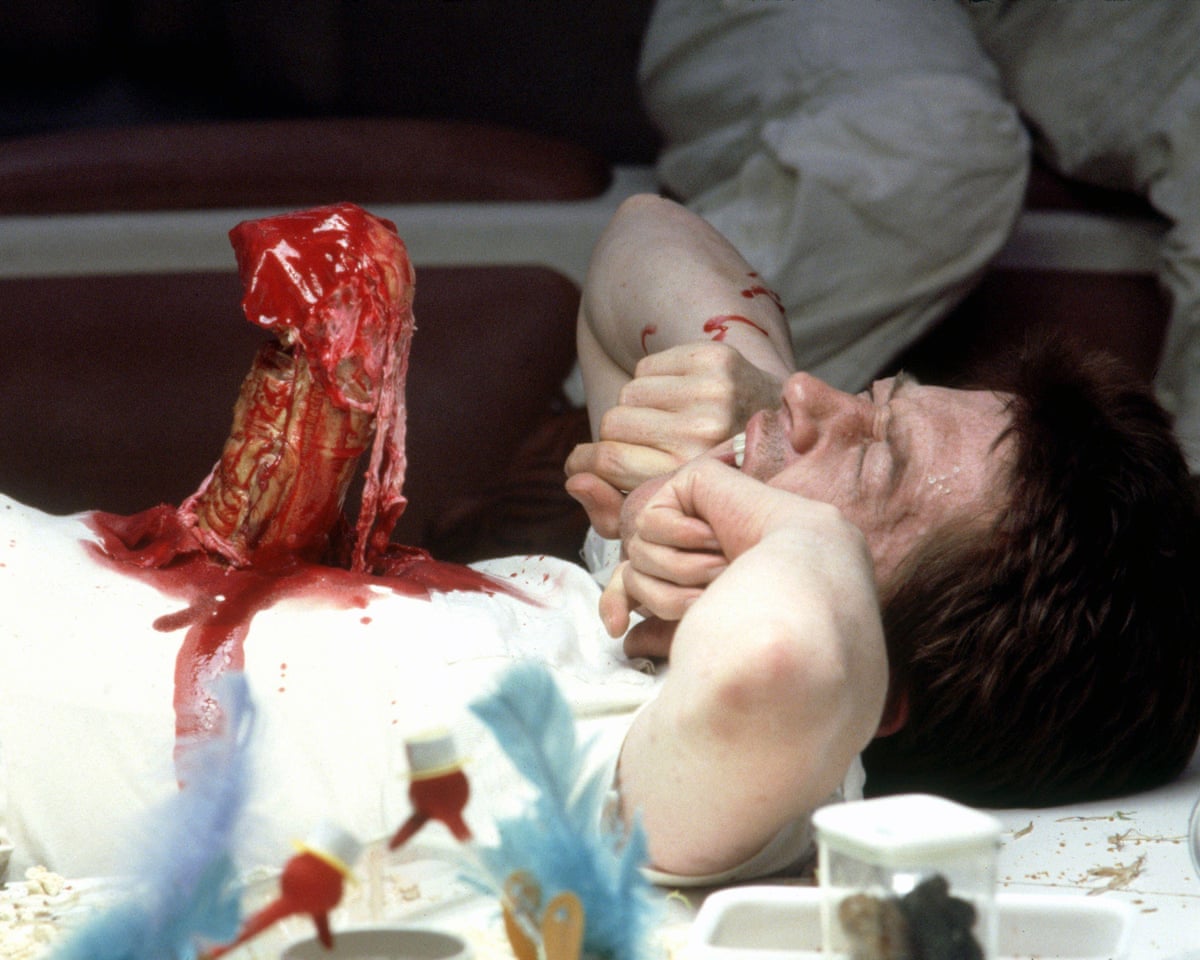
2. Alien (1979)
The ensemble cast anticipated something would occur, but remained unaware of the specifics, so when a creature bursts from John Hurt's torso, their terror matches the audience's shock almost exactly. For the principal effect, Hurt's upper body was substituted with a mechanical replica filled with pressurised air and animal remains, with puppeteers concealed beneath the table. Ridley Scott conceived the organism, Roger Dicken constructed it, and science-fiction cinema was forever transformed.
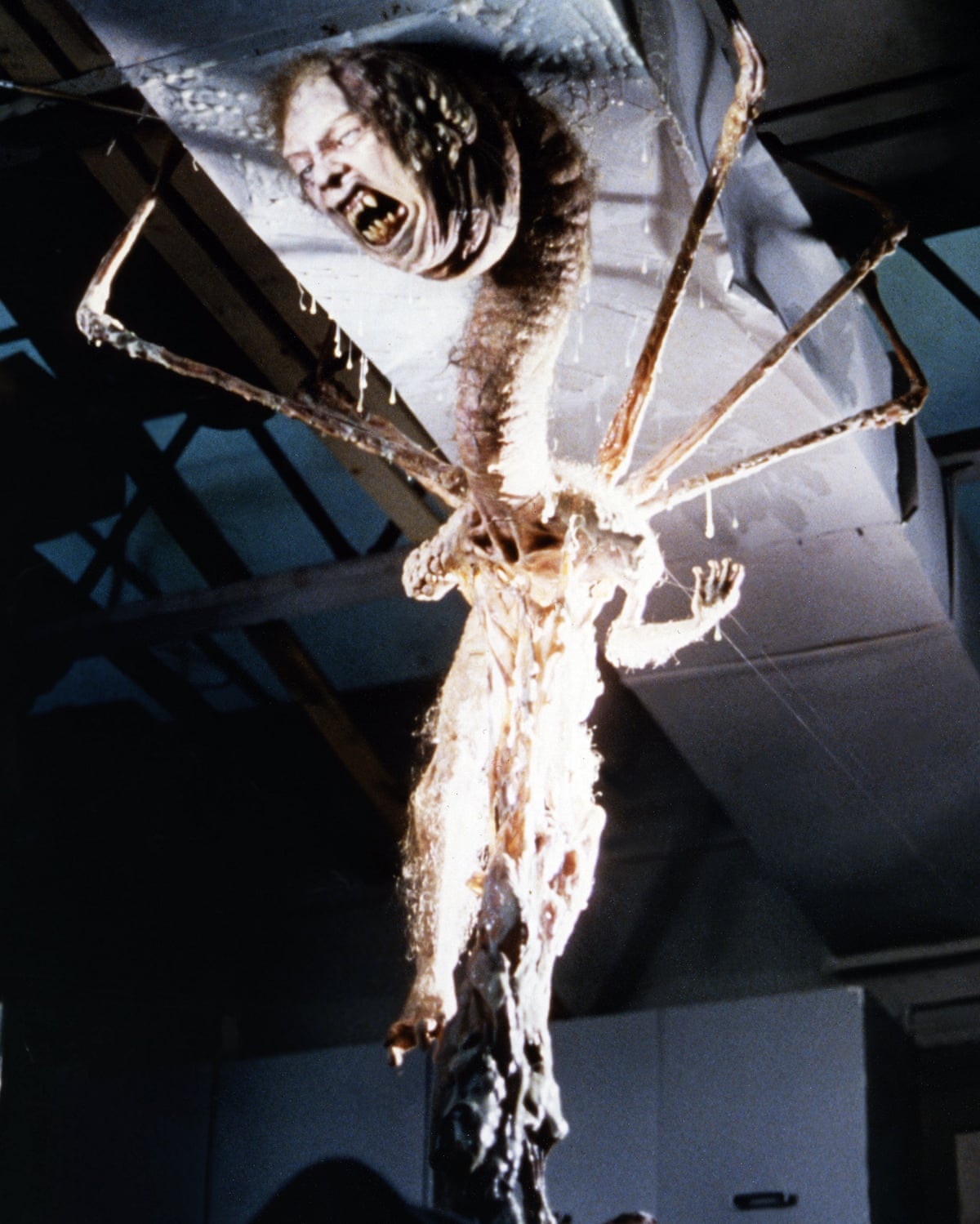
1. The Thing (1982)
A shape-shifting extraterrestrial breaches a US research facility in Antarctica, periodically manifesting in displays of special effects that remain unmatched to this day. Rob Bottin deserves another accolade for his inventive riffing on human and animal forms in surreal sculptures that are simultaneously repellent and captivating. In one memorable sequence, a geologist's head detaches from his body, develops spider-like legs and attempts to flee. Palmer the stoner (David Clennon) articulates what viewers are thinking:
You've gotta be fucking kidding.
The Future of Practical Horror Effects
The legacy of these practical-effects masterpieces continues to influence contemporary horror filmmaking. A 2026 horror assessment highlights Jordan Downey's The Cycle for its commitment to practical effects, positioning it within the conversation for best horror film of the year. The same analysis identifies Robert Eggers' Werwulf as a significant horror release anticipated before the end of 2026, suggesting that the tradition of tangible, crafted effects remains vital to the genre's evolution.
These ranked sequences demonstrate that genuine dread does not require cutting-edge technology—it demands imagination, technical mastery and a willingness to push the boundaries of what audiences will endure. The filmmakers and effects artists celebrated here created moments that endure because they were real, visible and achieved through human ingenuity rather than computer algorithms.