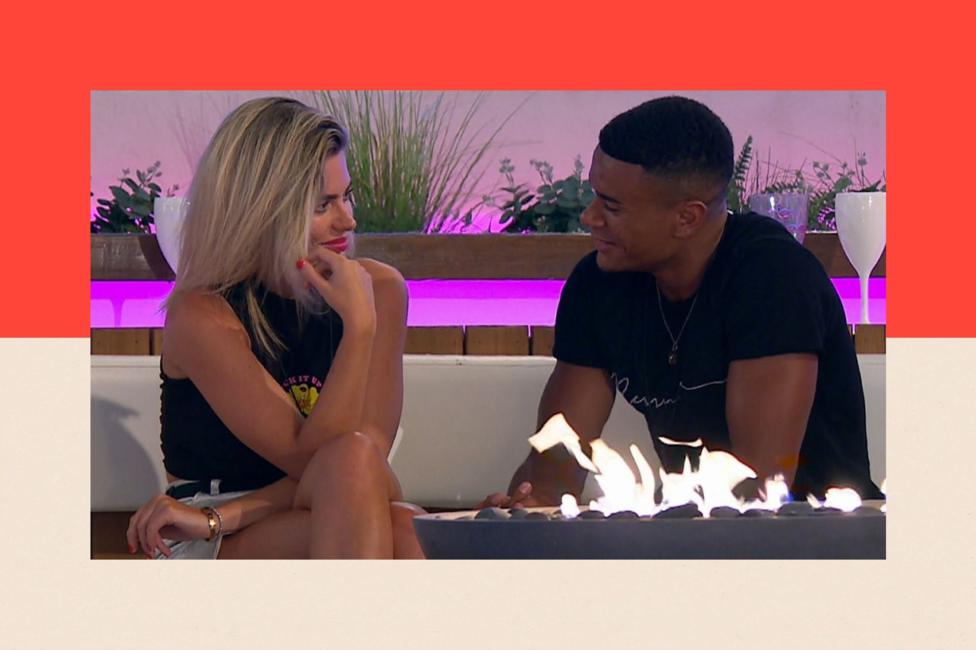
In 2018, on the fourth series of Love Island UK, Megan Barton-Hanson pulled fellow Islander Wes Nelson for a chat after ending things with Eyal Booker. She told Wes she fancied him and did not want to regret staying silent, and the episode ended with viewers calling her “Muggy Megan” while others praised her honesty.
Eight years later, scenes like that feel less unusual. This year, the opening coupling changed so women made the first choice, a shift that reflects wider debates about who should make the first move in modern dating.
Alicia Denby, a sociologist at Manchester Metropolitan University, says the change reflects a broader social shift in which women may be more likely to approach someone first. At its peak, around five million people watched Love Island every night, and although live audiences are smaller now, the show remains ITV’s biggest programme among 16 to 34-year-olds.
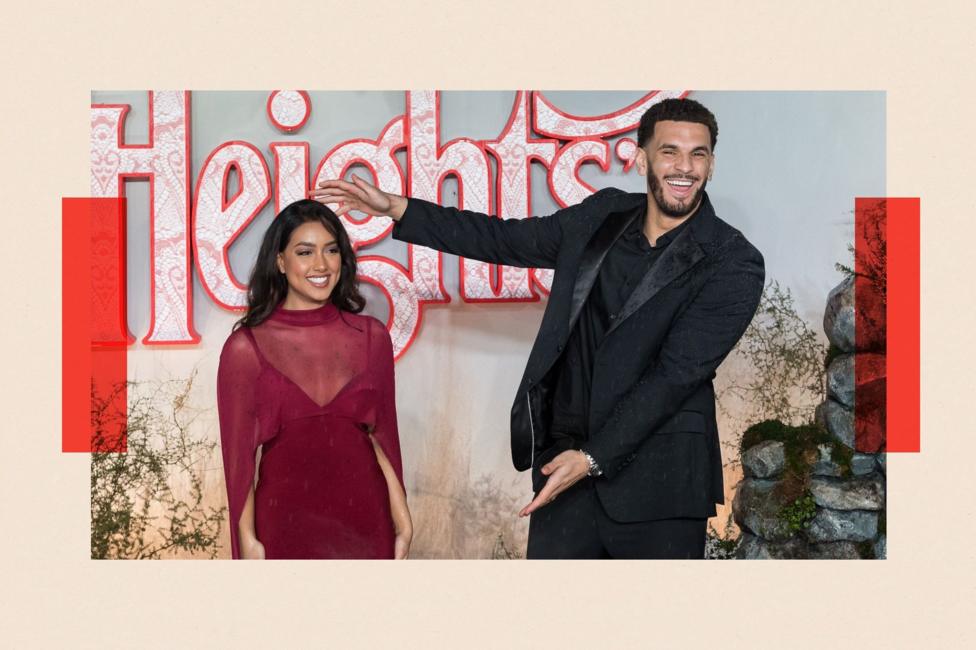
Prof Kitty Nichols, who researches relationships and popular culture at the University of Sheffield, says Love Island has become “an important cultural vehicle” that lets people reflect on dating culture. Former PE teacher Kai Fagan, who met his now wife Sanam Harrinanan when he won the 2023 series, says the programme changed his life and gave him exactly what it promised: love.
As another series of Love Island nears its end, the question is what its changing dynamics say about dating beyond the villa, and whether women making the first move represents genuine progress towards equality.
The forever changing rules
For much of the 20th Century, heterosexual dating followed a script familiar from Pride and Prejudice. Men were largely expected to make the first move, ask women out, pay for dates and often take the lead in deciding when a relationship moved forward.
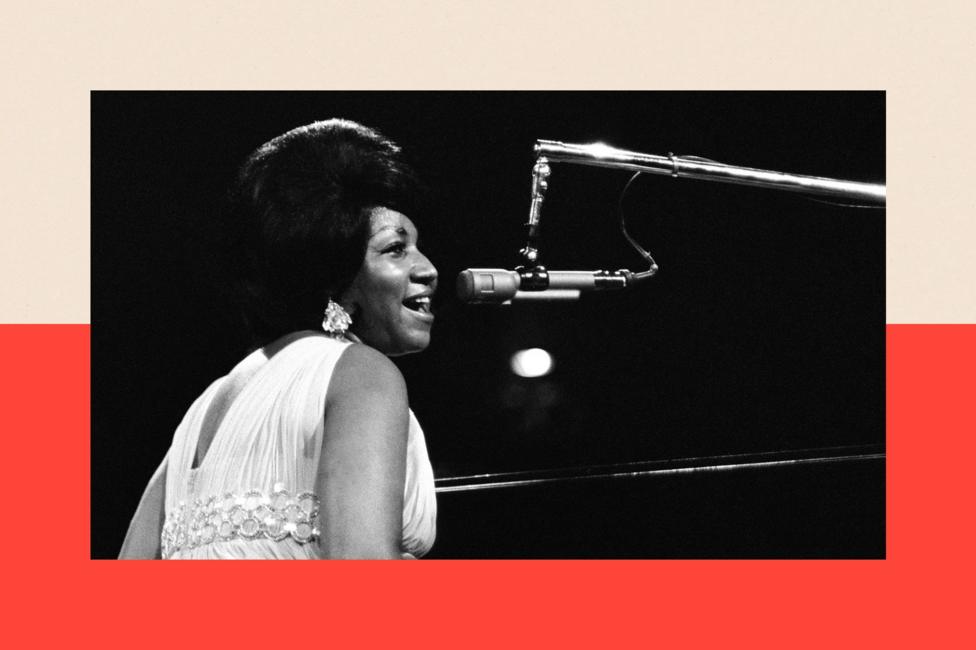
By the 1960s, the women’s liberation movement was challenging many of those norms. As Aretha Franklin’s Respect became an anthem for a generation demanding greater equality, contraception became more widely available and changed ideas about sex. Then, in the 2000s, the rise of online dating meant millions of people began meeting through websites and later dating apps.
But whether these changes have actually shifted gender expectations remains unclear. In 2021, sociologist Ellen Lamont reviewed more than 100 studies on heterosexual dating and found traditional dating scripts still remained, with men still expected to make the first move.
For cultural commentator Coco, who goes by her first name and has more than 100,000 followers on TikTok analysing Love Island, the issue is not that women have replaced men as pursuers. Instead, she says women now have more freedom to act on what they want.
“Women haven't flipped the roles,” she says. “Women have just been allowed to exist.”
She believes women now have “more choice, freedom and opportunity than we've ever had in history”.
Love Island's contradiction
Denby argues that even if women are more comfortable making the first move, gendered power relations have not disappeared. She says women on Love Island are often praised for patience and loyalty while male contestants explore other connections, but women are judged differently when they pursue relationships more actively.
“It's almost as if women are praised for being submissive in the villa, because when they do take on more of an active or expressive role, they are criticised for it.”
On this year’s Love Island, Elicia Bailey took both Aidan Murphy and Finley Maddock to the Hideaway, the villa’s private romantic room, in what may have reflected the growing trend of women taking the lead. But she faced criticism for it, and Denby points to what she sees as a sexual double standard around women’s sexuality.
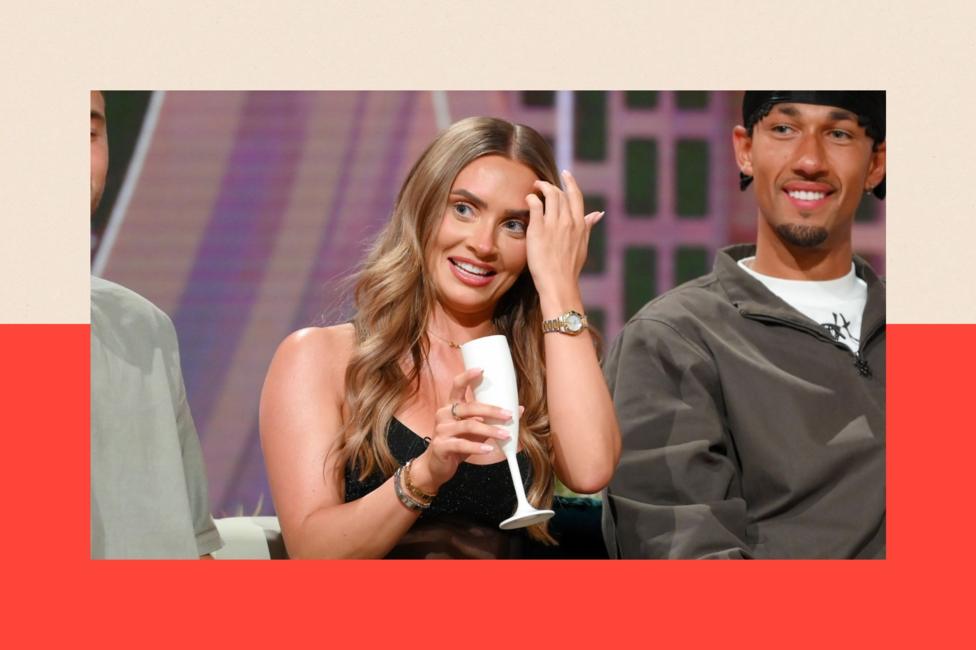
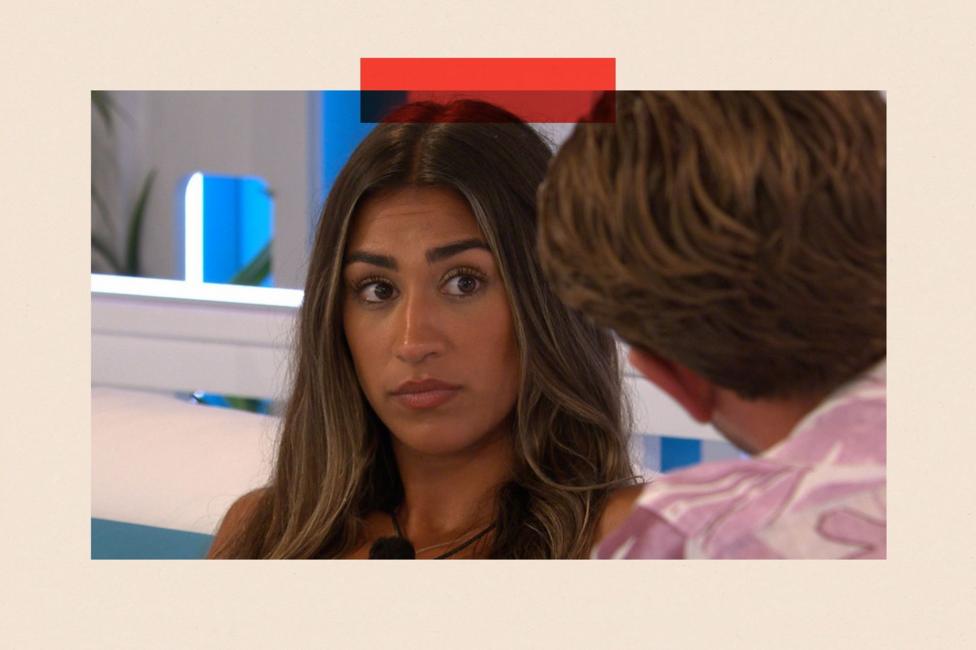
Another female contestant this year, Priya Jaswal, was labelled a “sexual person” by a male contestant and accused of “pouncing” on Murphy. Denby argues those comments suggest women are still judged for taking an active role in dating. She says Love Island contains “pockets of diversity” and “little moments of change”, but argues those moments are often temporary and Islanders revert “back to the expected gender roles”.
According to Nichols, double standards persist.
“If a woman behaves in the same way that a man behaves, they get reprimanded.”
She says that reaction can be seen throughout the programme’s history. Ekin-Su Cülcüloğlu’s pursuit of Jay Younger divided viewers during the 2022 series: some accused her of betraying Davide Sanclimenti, who she later won the show with, while others praised her confidence.
Nichols says those responses reveal something about British attitudes to dating.
“I think audience members receive more positively men diverging from their expected roles,” she says.
She said it may be because viewers “don't anticipate” behavior like that, But adds that, “sometimes women doing so is sort of seen less positively.”
What happens when the rules change?
For Tareq Ferguson, a long-time Love Island viewer and TikTok commentator with more than 50,000 followers, one of the biggest changes in recent series has been the growing passivity of male contestants.
“The men want to be passenger princesses,” he says. “They want to sit back, kick up their feet, while the women do the grafting and do the work.”
On this year’s show, Lorenzo Alessi was reluctant to make Julia Majchrzak a morning coffee, something many contestants see as an act of care for the person they are coupled up with. The moment became a flashpoint on the show and sparked debate among viewers.

Ferguson says moments like that reflect a wider shift in modern dating, with some men appearing increasingly hesitant to take the lead. But some research suggests that reluctance may stem less from disinterest and more from uncertainty about how to navigate dating today.
In a recent Cosmopolitan survey, men said online dating made them feel judged on their appearance, while others said repeated rejection and lack of matches had damaged their confidence. That echoes what Coco believes is happening both inside and outside the villa.
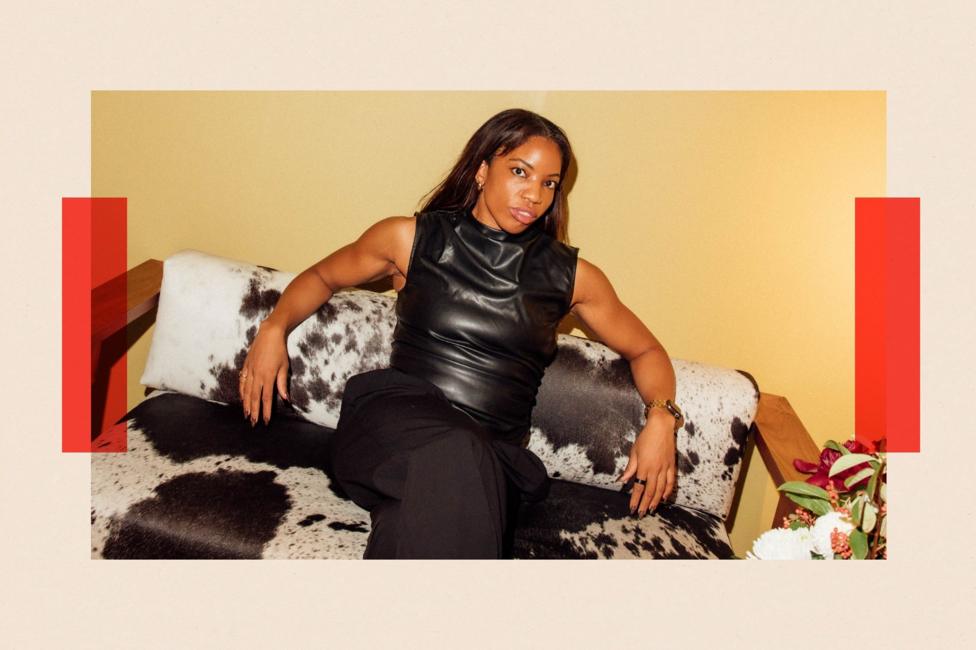
She says society has rightly expanded what is possible for women, but the cultural conversation has not kept pace with the change for young men.
“Society has rightly expanded what's possible for women,” she says. “But we haven't spent the same amount of time helping young men understand what their role looks like in this landscape. The cultural conversation hasn't kept pace with the social change.”
She also thinks online conversation has contributed to the uncertainty.
“I think the manosphere content we're seeing has done something to women,” she says. “It's put their guard up.”
But she stresses that this does not mean there are “no good men out there”. Instead, she believes men are taking a more cautious approach to dating as expectations continue to change.
“They don't want to be perceived as a creep. They don't want to be seen as trying too hard in front of their peers. They want to come across as relaxed and cool.”
What does Love Island tell us about modern dating?
So does Love Island simply mirror the UK’s evolving dating culture, or actively shape it? For Prof Nichols, the two are closely connected. She says the programme does not just entertain audiences; watched by millions each summer and discussed constantly on social media, it has become part of the conversation about modern relationships.
“I think for young people who are still the biggest viewers of Love Island, it probably creates these norms for them in terms of how they would expect to be treated or how dating functions.”
Fagan believes some younger viewers take lessons from what they see on screen.

“Younger people probably get dating tips from a show like Love Island,” he says.
But he adds that real life gives people more control than the show does.
“In real life, you have a bit more control of how you pursue and what happens and the obstructions.
“On Love Island, you could be with someone for three weeks and then suddenly you're put into a challenge where your relationship is made vulnerable just for the entertainment of the public.
“If that's happening on the outside, you don't necessarily know about it. On the show, you have to confront it head on.”
Despite those differences, some viewers still believe Love Island shapes how people think about dating. Ferguson says many young people watch it not just as entertainment but as a reflection of what dating now looks like.
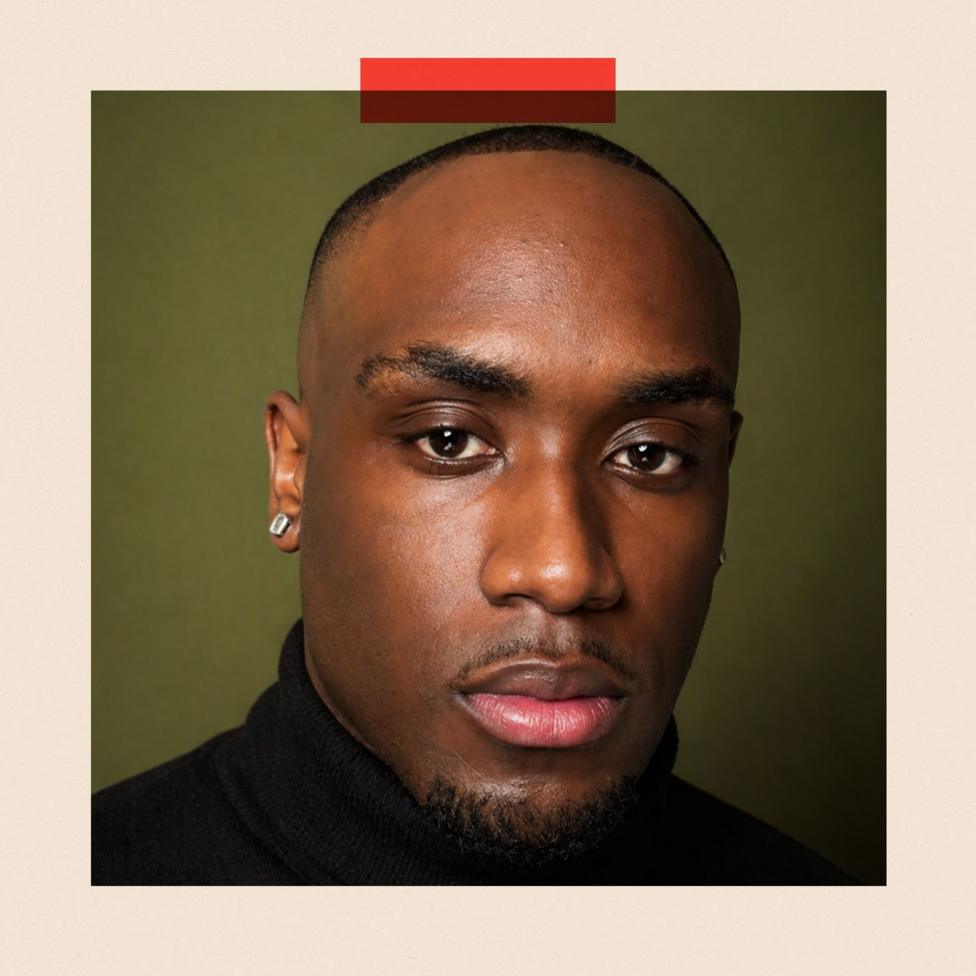
“People will look at this, especially the younger audiences, and think, 'if this is how people are being treated, then obviously I can expect this on the outside.'”
Researchers at Liverpool John Moores University examined Love Island and relationship education and found that some young people do look to reality dating programmes for ideas about romance and relationship behaviour. But the study also found most viewers described the programme as entertainment and understood that what they watched did not necessarily reflect real life.
For Nichols, the influence is undeniable.
“It plays into features of the current dating culture, where we see this propensity towards disposability and a lack of exclusivity,” she says.
“It's like a chicken and the egg. I think it normalises that massively.”
More than a dating show
Every generation tends to challenge the dating expectations that came before it, from the move away from formal courtship to the arrival of dating apps and now a generation asking more questions about who should make the first move.
Analysts say Love Island is far from a perfect mirror of society, but it operates as a cultural stage where shifting gender norms and emerging challenges are publicly rehearsed. For Denby, that is exactly what makes the show significant.
“Recouplings, comparisons between potential partners and the idea that there is always someone better around the corner can mirror some of the less positive aspects of app-based dating culture”, she says.
She is also clear that viewers are not watching passively.
“I don't think viewers are simply passive consumers. Many people watch Love Island critically and debate issues like sexism, classism and racism, so the programme both reflects and shapes contemporary dating culture.”
More from InDepth
The science of soulmates: Is there someone out there exactly right for you?
The surprising reality of how teenage girls still define themselves
Dating apps could be in trouble – here's what might take their place
BBC InDepth is the home on the website and app for the best analysis, with fresh perspectives that challenge assumptions and deep reporting on the biggest issues of the day. Emma Barnett and John Simpson bring their pick of the most thought-provoking deep reads and analysis, every Saturday. for the newsletter here

Get in touch
Are you personally affected by the issues raised in this story?