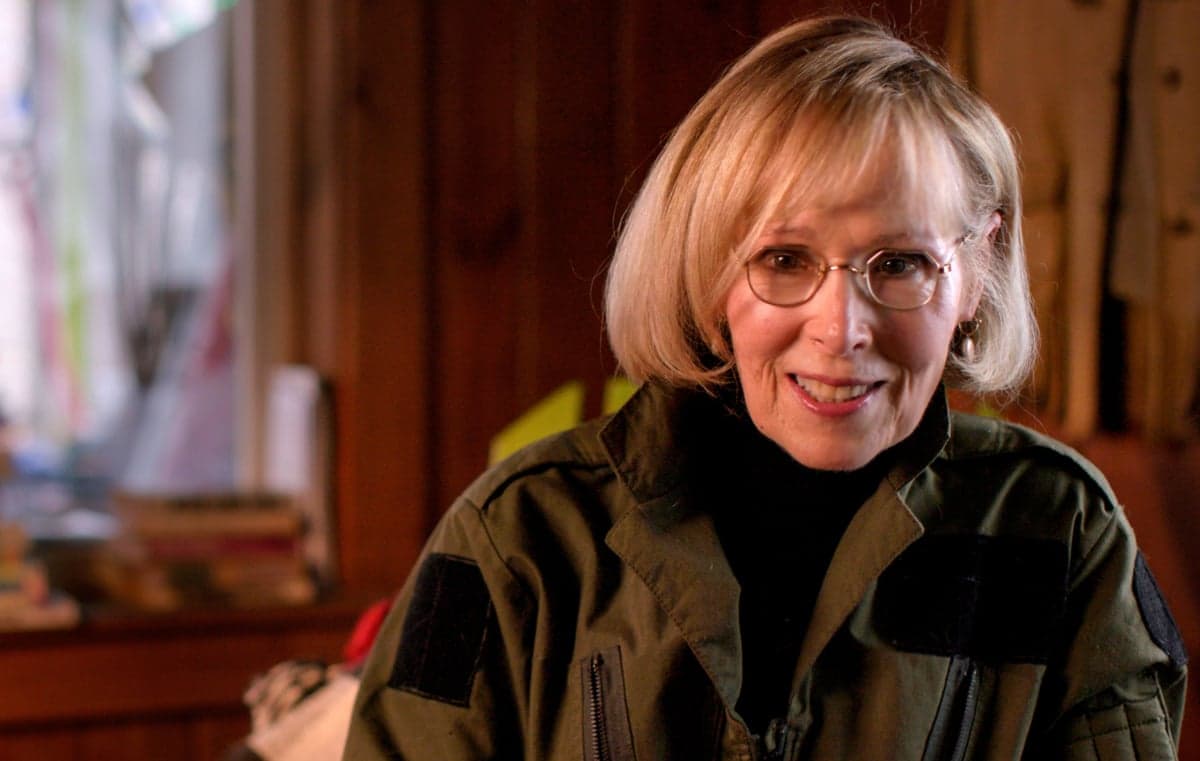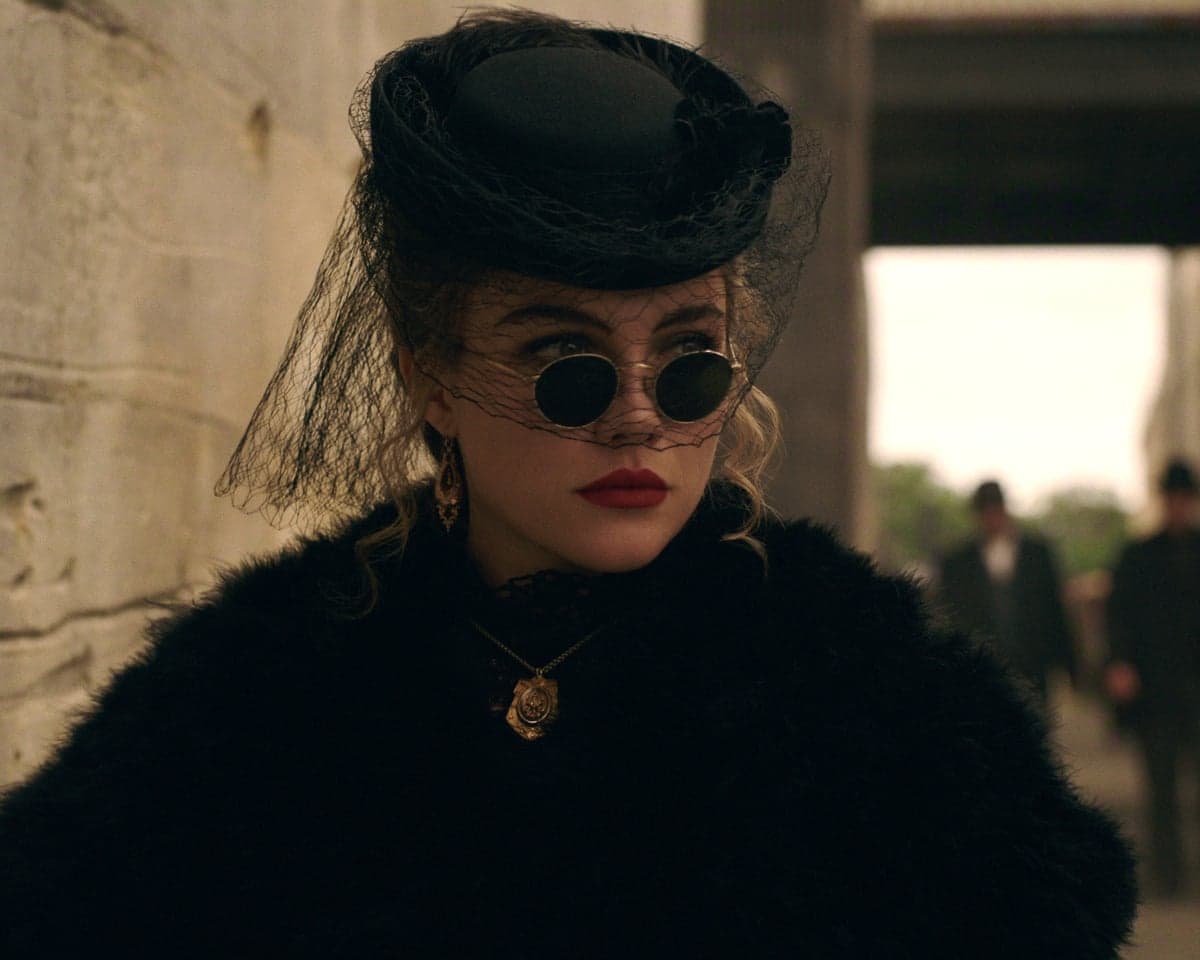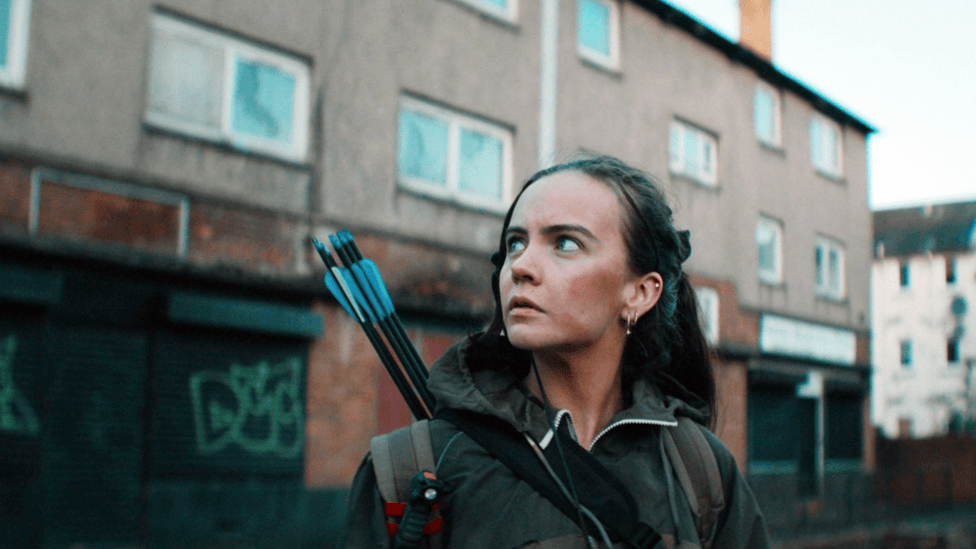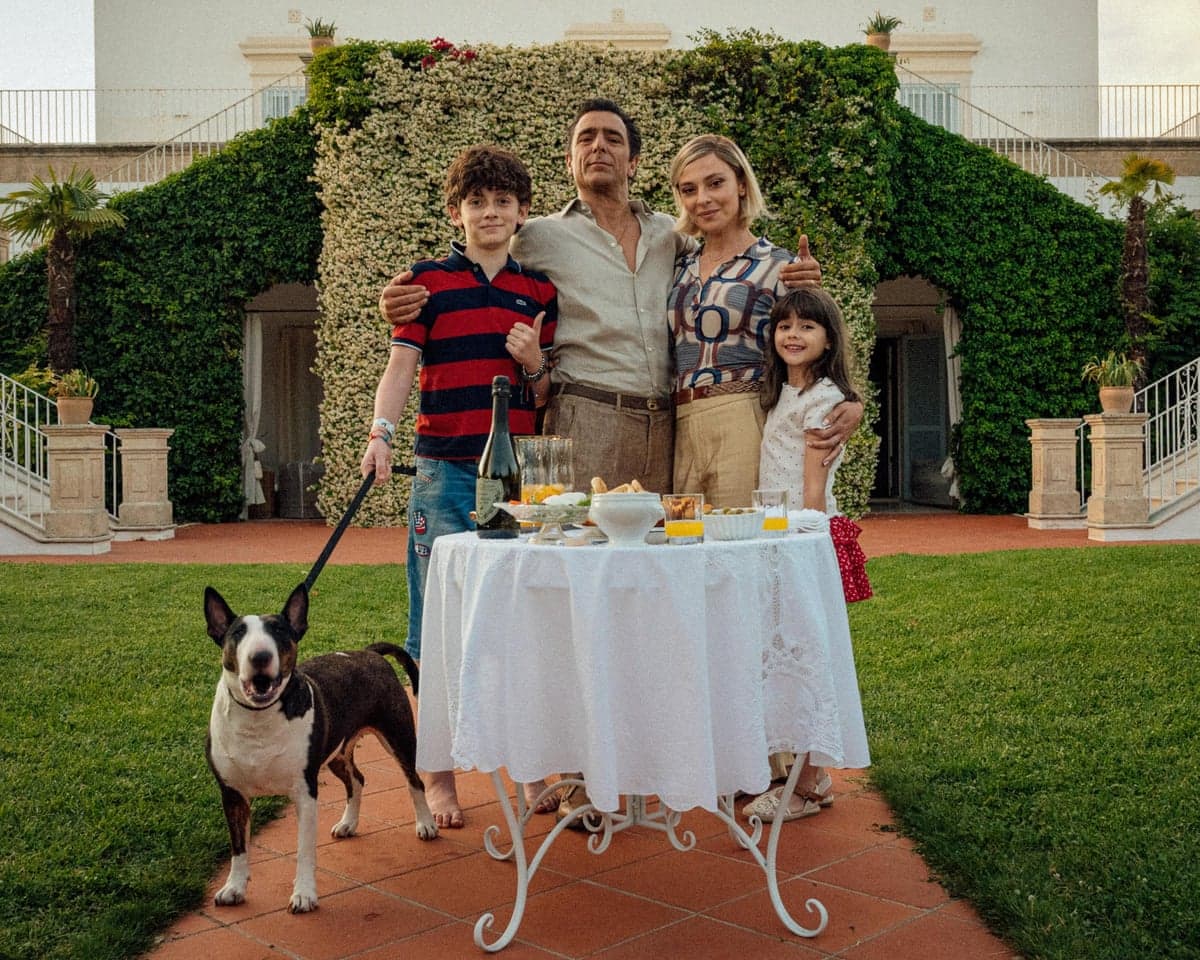
The 59th International Fantastic Film Festival of Catalonia, held in the coastal town of Sitges south of Barcelona, showcased a year dominated by unsettling visions of parenthood and supernatural terror. According to The Guardian, recurring themes included violent childbirth, damaged infants and offspring ranging from sociopathic to inhuman. The festival's programming and award selections reflected a deliberate embrace of body horror, domestic dread and the corruption of maternal bonds.
An exhibition at the Miramar Cultural Centre marked the 50th anniversary of the evil-child subgenre, tracing its evolution from 1956's The Bad Seed through Rosemary's Baby and The Exorcist to contemporary works. The showcase included Hanna Bergholm's Nightborn, in which Rupert Grint plays a husband overwhelmed by the folk-horror dynamics between his depressed wife, their disturbing newborn and the forest enclosing their home. Bergholm revealed the film drew inspiration from her own experiences of motherhood—though presumably only to a point.
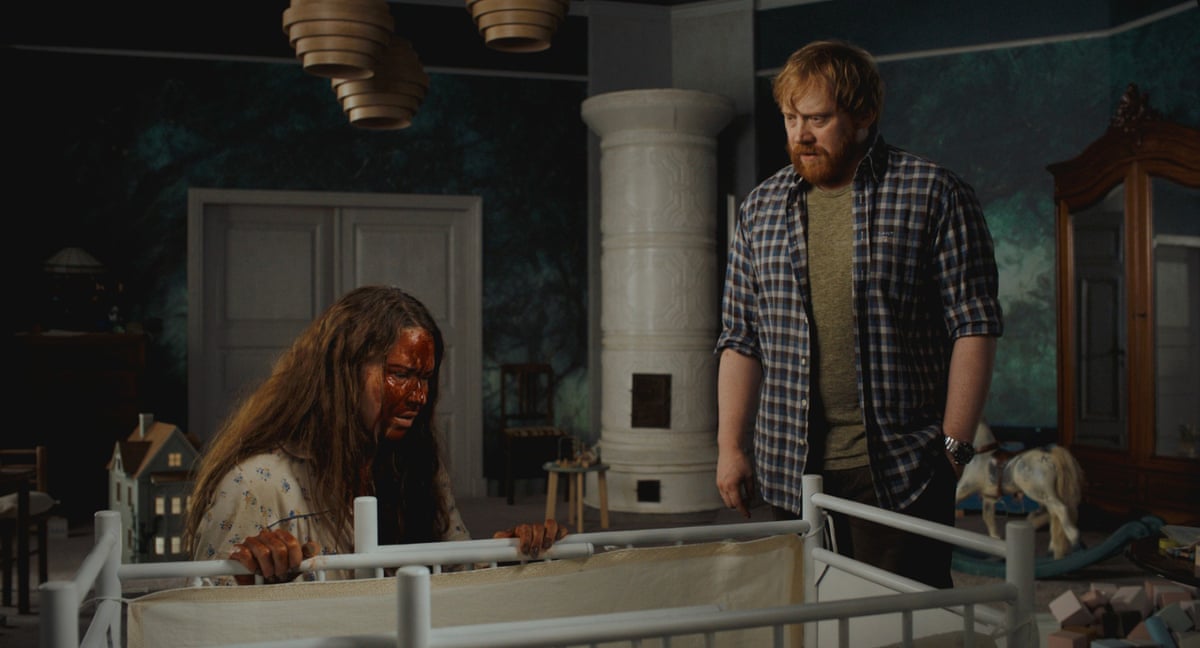
Postpartum anxiety surfaced again in Mutter: The Diary of a Mother, directed by Turkish filmmaker Alphan Eşeli. The narrative begins with a father abandoning his newborn to flee into woodland, while Hazar Ergüçlü's commanding performance grounds the story in the material and social struggles of single parenthood, even as the infant takes on grotesque qualities reminiscent of Eraserhead.
Which films took home the major awards?
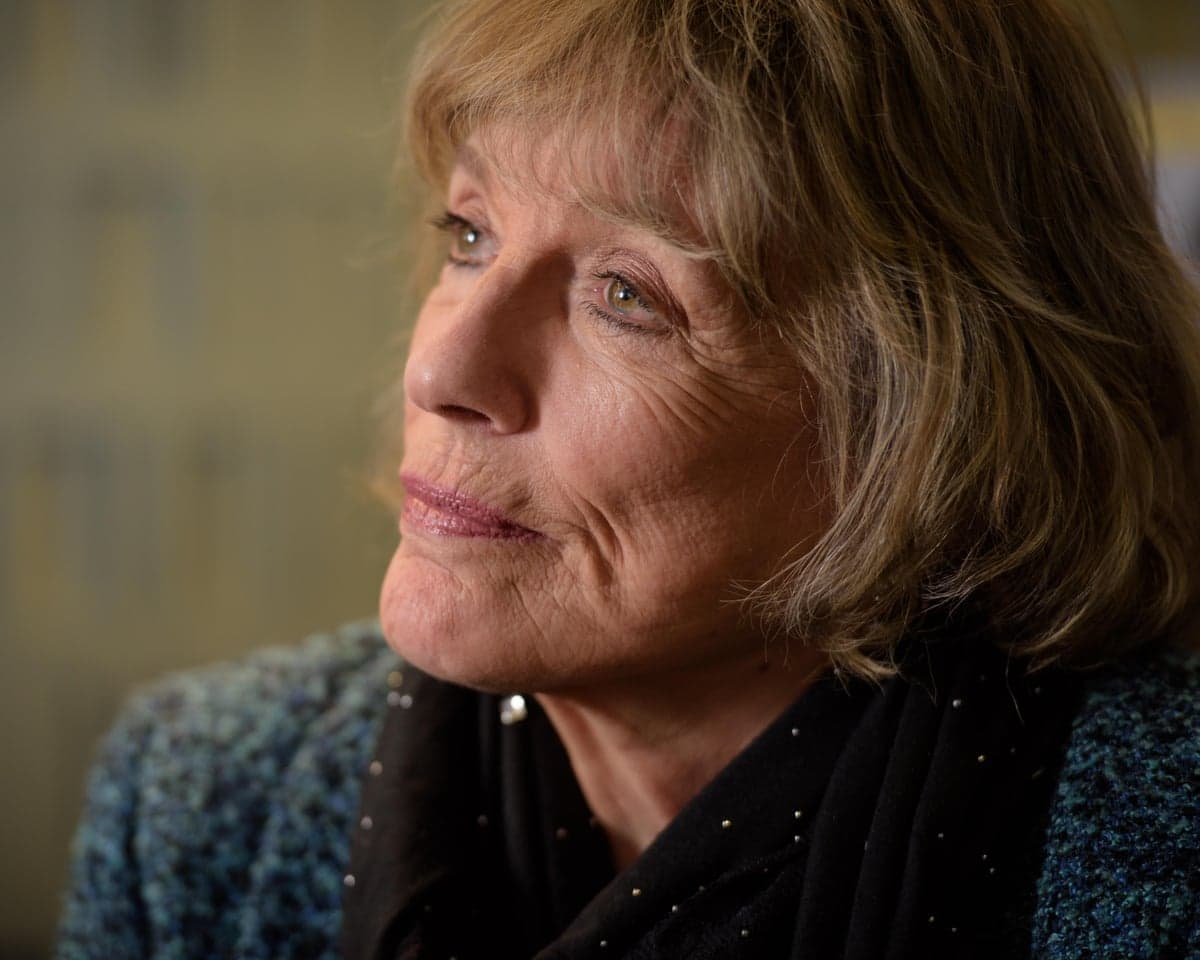
Marion Le Coroller's Sanguine (also titled Species) won the best feature film award, continuing the French body-horror tradition established by Julia Ducournau's Raw and Coralie Fargeat's The Substance. The film centres on a medical trainee developing a disfiguring skin condition that provokes visceral discomfort in viewers. Jasmine Trinca earned the festival's best female performance prize for her role as a mother entering a sinister bargain in Paolo Strippoli's The Spiral, though supporting actor Valeria Bruni Tedeschi commands attention as an elegant Mephistopheles figure in a trenchcoat. Benoît Magimel received the best actor award for his menacing turn in Léa Mysius's The Birthday Party, a taut home invasion thriller that hinges on a fraught maternal relationship.
Beyond the main competition, Joko Anwar received Best Director for Ghost in the Cell, while Drag secured the Special Jury Prize and Buddy won Best Screenplay. Wildwood claimed the Official Competition audience award, and The Spiral received the Méliès d'Argent for Best Fantastic Film. The FIPRESCI jury awarded its inaugural Sitges prize to Louis Paxton's The Incomer, praising its empathy, performances and hopeful perspective.
What other standout films premiered at the festival?
Women directed approximately one-third of the competition titles, reflecting the festival's commitment to gender representation in genre cinema. Casey Affleck's film, structured like a Russian doll, transitions from frontier western into supernatural territory. Young women populate other selections: they train as mermaids in Titanic Ocean (which teases but fails to deliver a mermaid-shark confrontation), bond with their abductors in The Daughters, and confront a sociopathic infiltrator in the snowed-in scout troop drama 11.
Among the festival's most inventive entries, Javier Ruiz Caldera's 5 More Minutes reinvigorates the time-loop formula, shifting from early levity into the darker psychological terrain of Timecrimes. The Mouths, a return to J-horror sensibilities from Takashi Shimizu (The Grudge), grows increasingly sinister and disorienting as its cursed-tree narrative unfolds. Sabu's Taiwanese-Japanese co-production Arrested Memory features a traumatised Taipei detective suffering memory loss akin to Guy Pearce's condition in Memento, stumbling through kidnappings, narcotics transactions and car chases with deadpan, ultimately hilarious results.
The festival also honoured late actor Sam Neill, who provided the voice of a magpie in Dario Russo's bawdy animated feature. The cast includes Jai Courtney and Olivia Colman as the voice of a cunning talking fox.
What made Ghost in the Cell stand out?
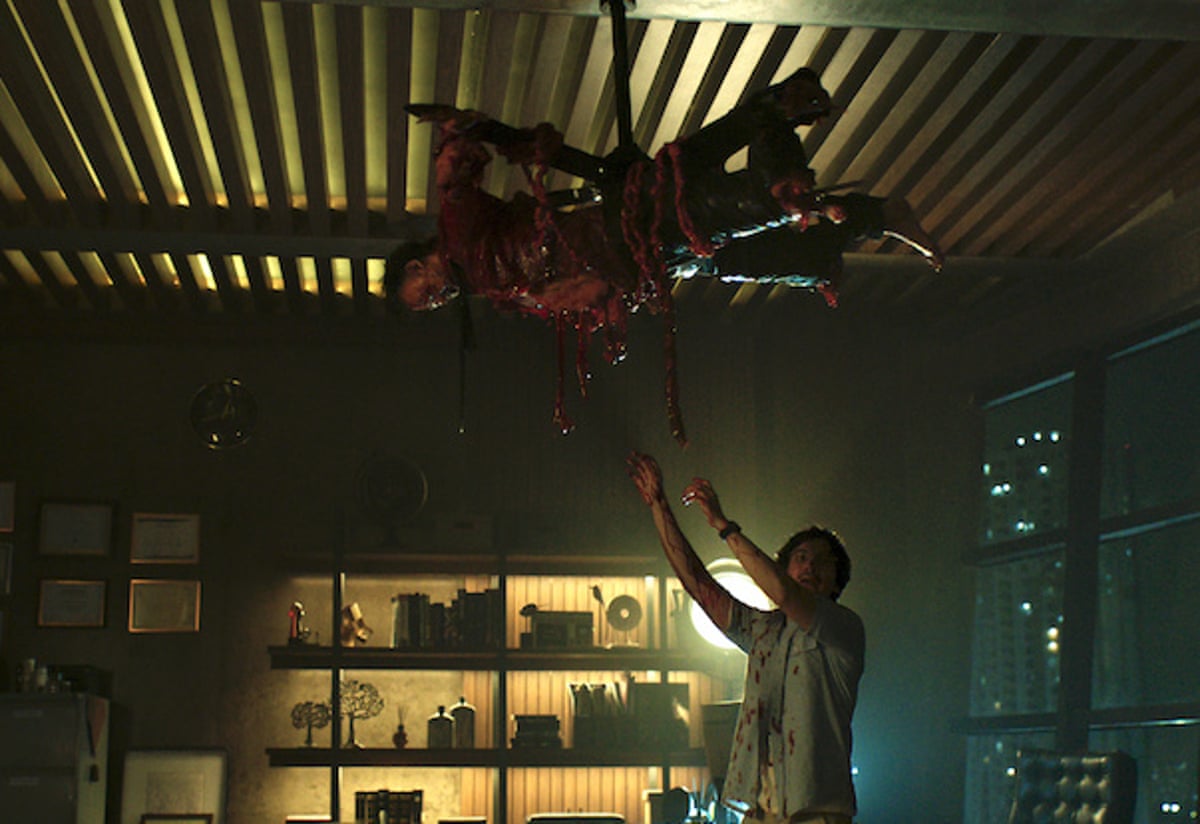
Joko Anwar's Ghost in the Cell emerged as a standout achievement, blending conventional prison narratives—rioting, brutal guards, makeshift weapons, sexual threat—with supernatural elements, artistic violence, interpretative choreography and commentary on Indonesian institutional corruption. Unexpectedly, the film maintains a warmhearted emotional core beneath its genre trappings, distinguishing it from more cynical entries in the prison-horror category.
How did the festival recognise career achievements?
Beyond competitive awards, the festival celebrated lifetime contributions to cinema. Alejandro Amenábar received the 2026 Méliès Career Award, while Bárbara Rey was honoured with Sitges' Nosferatu Award for her extensive career in Spanish fantastic and horror filmmaking. Additionally, Gábor Holtai's Itt érzem magam otthon made history as the first Hungarian film to win the Méliès d'Or for feature films.
What does the festival's programming reveal about contemporary genre cinema?
The prevalence of female protagonists across films by both male and female directors signals a shift in how genre cinema engages with women's experiences and perspectives. The festival's emphasis on maternal anxiety, bodily transformation and domestic violation reflects broader cultural preoccupations with vulnerability and institutional failure. The celebration of international voices—from Turkish and Finnish directors to Indonesian and Taiwanese-Japanese collaborations—demonstrates the vitality of fantastic cinema beyond Anglo-American markets. The awards and selections underscore that contemporary horror and speculative fiction increasingly interrogate social structures, personal trauma and the boundaries between the supernatural and the systemic.