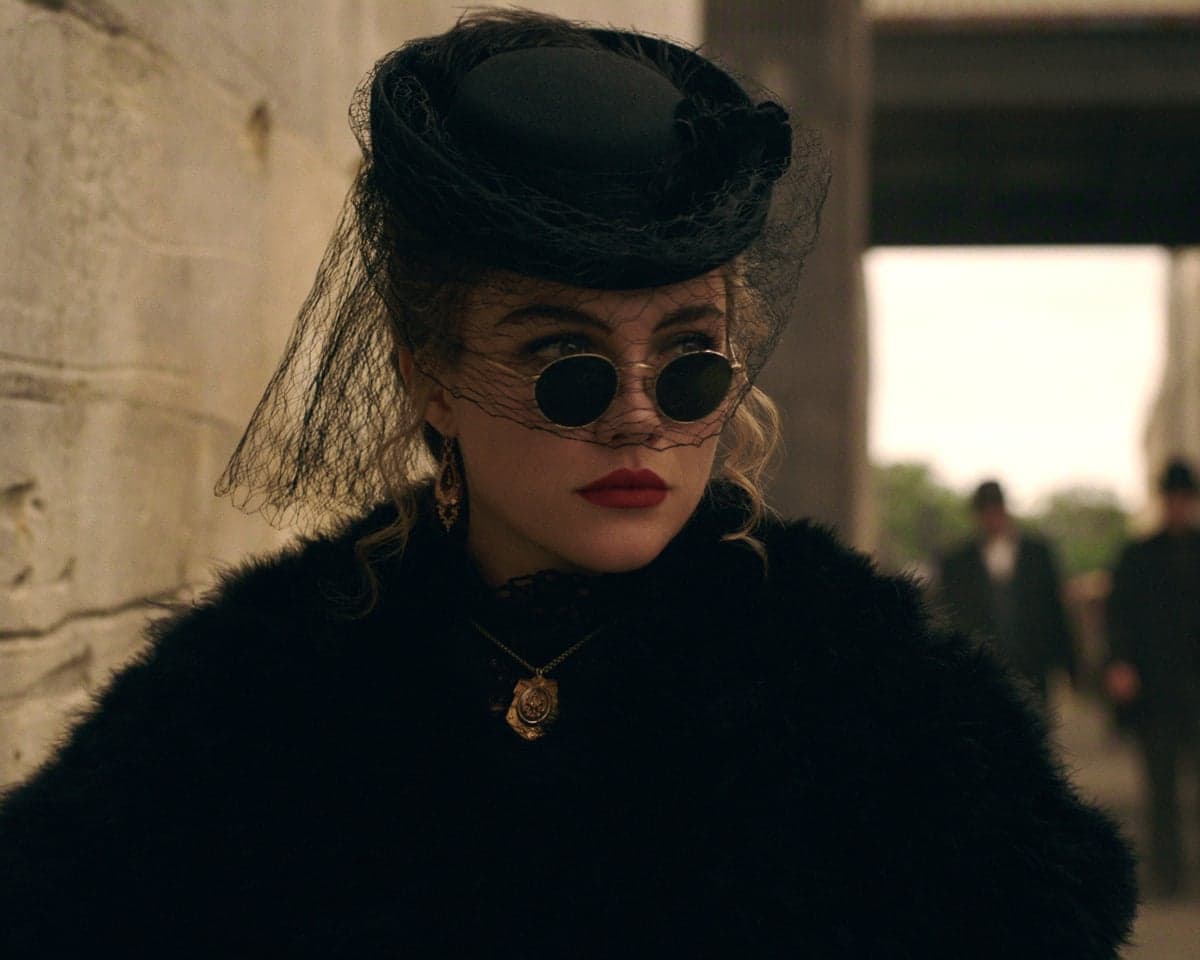
Television's most compelling antagonists once embodied pure malevolence—characters so thoroughly wicked that audiences could hate them without reservation. Today's screen villains are different. They arrive equipped with sympathetic backstories, trauma explanations, and redemptive arcs that transform them from monsters into misunderstood souls. The shift raises a troubling question: in softening our villains, have we drained them of their dramatic power?
The transformation is nowhere more evident than in Netflix's new adaptation of John Steinbeck's East of Eden, which became available globally on October 1, 2026. The seven-episode series, written and executive-produced by Zoe Kazan and starring Christopher Abbott as Adam Trask and Mike Faist as Charles Trask, largely adheres to Steinbeck's narrative structure. Yet in its treatment of Cathy Ames—the novel's most chilling creation—the adaptation reveals how contemporary television has chosen to repackage evil as complexity.
In Steinbeck's original work, Cathy is a study in remorseless cruelty. She burns down her family home, killing her parents in the process. She shoots her husband Adam and abandons their infant sons. She methodically poisons Faye, the brothel madam who has mentored her and treated her as a daughter, while manipulating the dying woman into bequeathing her entire estate. When Cathy reflects on Faye's death, Steinbeck writes that she experiences
"no feeling" about it at all. She is brilliant and brutal—a character whose evil stems not from damage but from something fundamental within her nature.
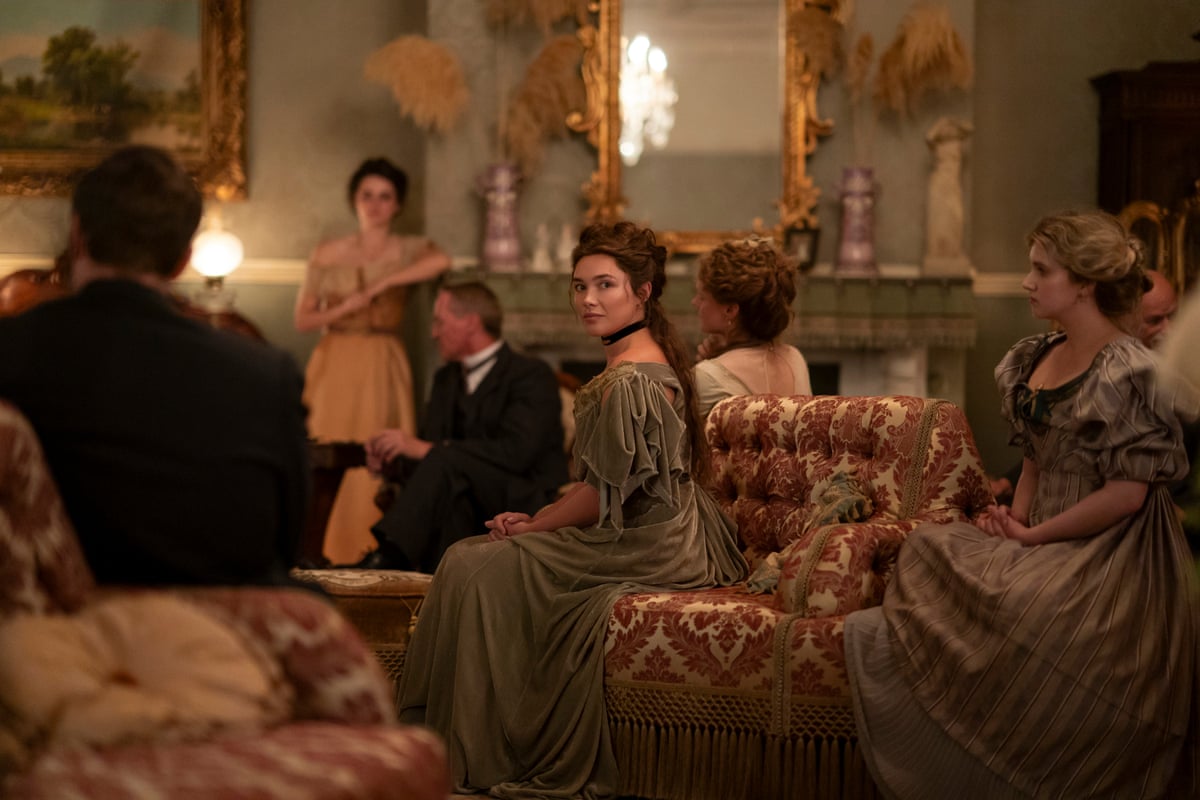
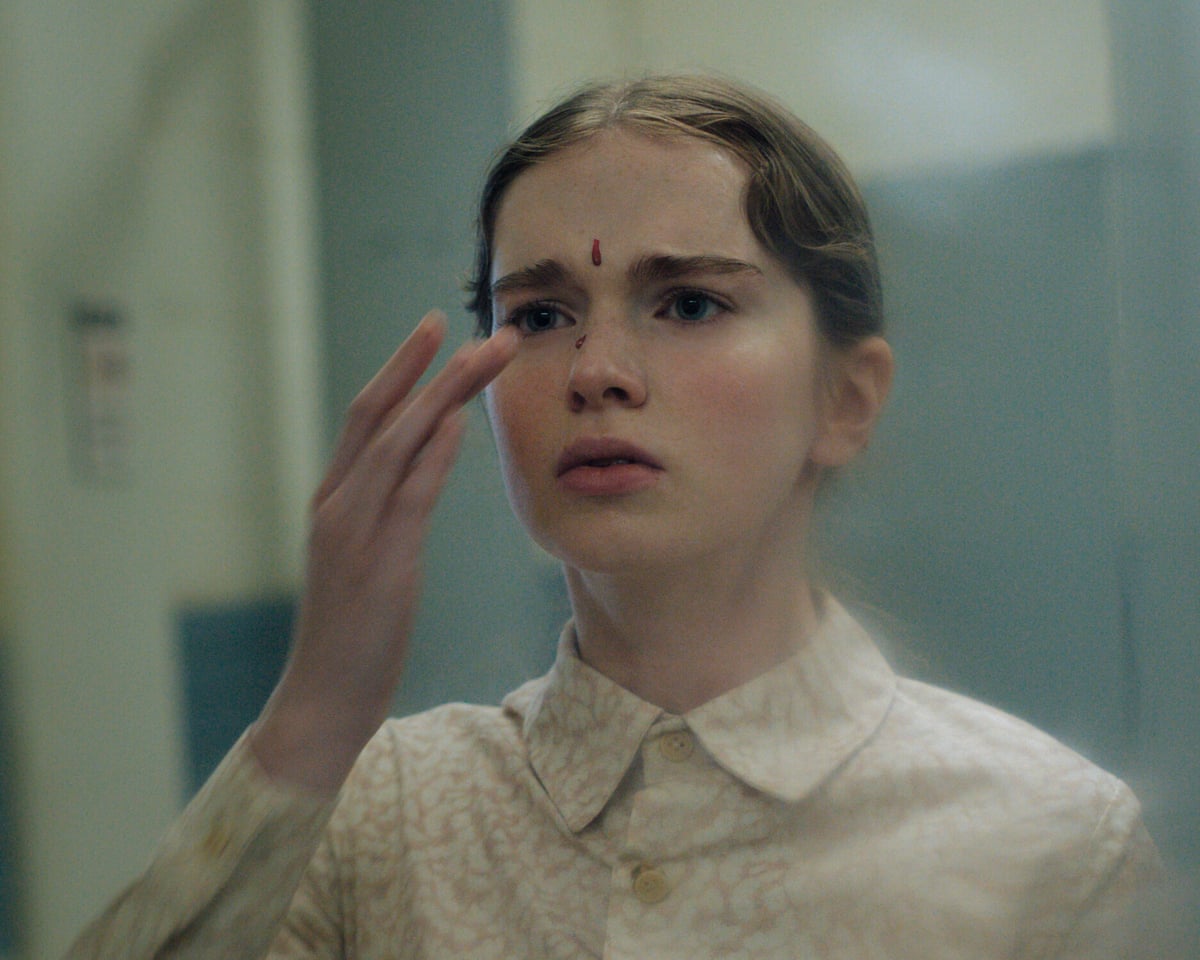
Florence Pugh's portrayal retains Cathy's cruelty, but the series fundamentally alters her essence. According to NPR, the adaptation gives Cathy more of a voice by having her narrate her own story, and Kazan has invented a pivotal scene implying childhood sexual abuse by two men in the woods. When Cathy takes her final bow, the series returns to this traumatic moment in flashback, suggesting that her entire campaign of destruction has been shaped by a life of pain and violation. In Steinbeck's hands, Cathy is cold and unfeeling. In the 2020s, Cathy is sympathetic and comprehensible—a victim whose villainy becomes explicable rather than inexplicable.
Charles Trask receives similar treatment. In the novel, he is violent and vicious, nearly murdering his brother Adam in a brutal attack. Early in the story, Charles beats Adam almost to death, then returns with a hatchet determined to finish the job. Adam survives only by rolling his body into a ditch and hiding until Charles abandons his murderous intent. On television, this scene—so chilling in the novel—is reduced to a beating, and Charles is shown tearful and remorseful, lonely and lovelorn. He is not really a brute at all.
How has this softening affected other recent adaptations?
The pattern extends far beyond East of Eden. Mike Flanagan's eight-part adaptation of Stephen King's Carrie demonstrates the same impulse to defang its antagonists. In the original novel, Carrie White is driven to apocalyptic revenge by her school bullies and her fanatical, abusive mother. Both tormentors are presented as forces of genuine malice—the bullies cruel for cruelty's sake, the mother consumed by religious extremism that borders on psychosis.
In the 2026 edition, bullying persists but migrates to social media, and fanaticism transforms into anti-government conspiracy theory. Carrie's primary tormentor, Chris Hargensen, receives a terrible home life and neglectful parents to explain her cruelty. Carrie's mother becomes a formidable force driven by misguided morals but animated by fierce maternal love. Both characters do bad things, but neither is permitted to simply be a bad person. The series wraps everything in empathy, but in doing so, it sacrifices the snarl and bite that made King's horror classic so viscerally effective.
Why are streaming dramas treating wealthy antagonists with kid gloves?
The impulse to humanise villains appears even in glossy legal dramas. In the recent miniseries War, Dominic West portrays Morgan Henderson, a billionaire investment banker turned social media mogul locked in a bitter divorce from his movie star wife, Carla (Sienna Miller), whom he has repeatedly cheated on. One might expect such a character to embody the ruthless, amoral billionaire archetype—the Dr Evil figure obsessed with wealth accumulation and power. Instead, Henderson barely qualifies as a villain at all. He built his fortune through a "nice" social media platform. He hides assets and permits his legal team to play dirty, but only because they instructed him to do so. He writes sad, heartfelt letters to his ex-wife. By the series' conclusion, the couple realises they need not involve the courts at all; they can simply resolve their differences fairly and amicably between themselves, because they are fundamentally decent people.
War is highly entertaining, yet it could have been far more entertaining had it allowed itself to be truly vicious. Like Carrie, it is too open-hearted to deliver genuine menace, preferring instead to offer everyone a pathway to redemption. This is not inherently problematic. It suggests that audiences have become more receptive to empathy and redemption, more open to kindness—at least within fictional narratives. Yet if this softer approach represents television's direction of travel, the medium risks becoming considerably less fun.
What did unapologetic villainy offer audiences?
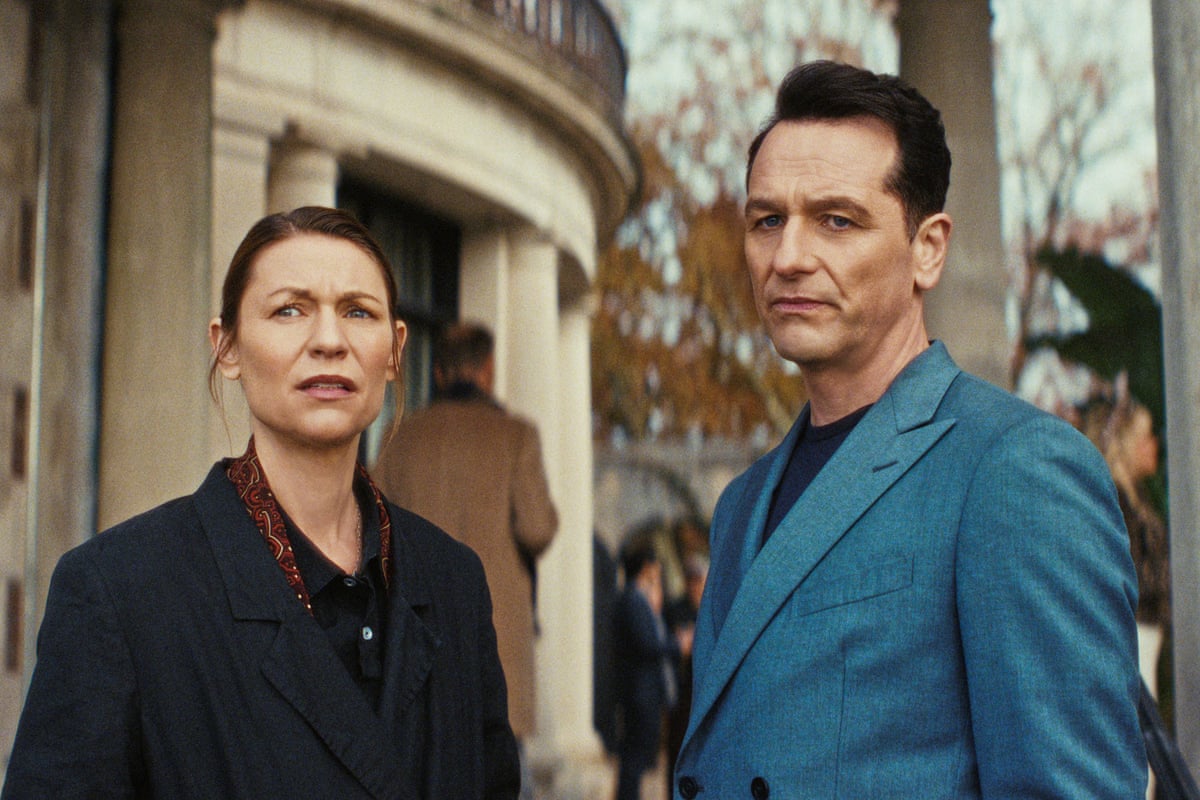
Matthew Rhys won one of his Emmy Awards for a role in which he portrayed an amoral, unrepentant sociopath. The series may not rank among television's all-time masterpieces, but it proved deeply enjoyable precisely because Rhys's character was so unapologetically evil. Sometimes, hate-watching serves a cathartic and necessary function. Despising an antagonist who behaves badly solely because they require more love in their life proves far less satisfying. There is no joy in rooting against a villain when the narrative forces you to sympathise with them.
What does this trend reveal about contemporary storytelling?
The softening of villains reflects a broader cultural shift toward psychological explanation and trauma-informed narratives. In an era when hostility and anger feel omnipresent—whether online or in public discourse—there exists a curious impulse to treat fictional antagonists with gentleness, to suggest that even the most destructive behaviour stems from wound rather than wickedness. This represents a fundamentally different moral framework from earlier eras of television, when evil could simply exist, unexplained and unapologetic.
Yet something vital may be lost in this recalibration. Villains who are purely, unapologetically wicked serve a distinct narrative function. They provide moral clarity. They allow audiences to experience the catharsis of rooting against someone without ambivalence or guilt. They remind us that some people choose cruelty not because they were damaged but because they are fundamentally corrupt. By insisting that every antagonist must be sympathetic, that every act of villainy must be traceable to trauma or circumstance, contemporary television may be offering audiences a comforting but ultimately diminished vision of human nature—one in which evil is always explicable, always forgivable, always redeemable. The result is drama that feels safer, kinder, and considerably less thrilling.