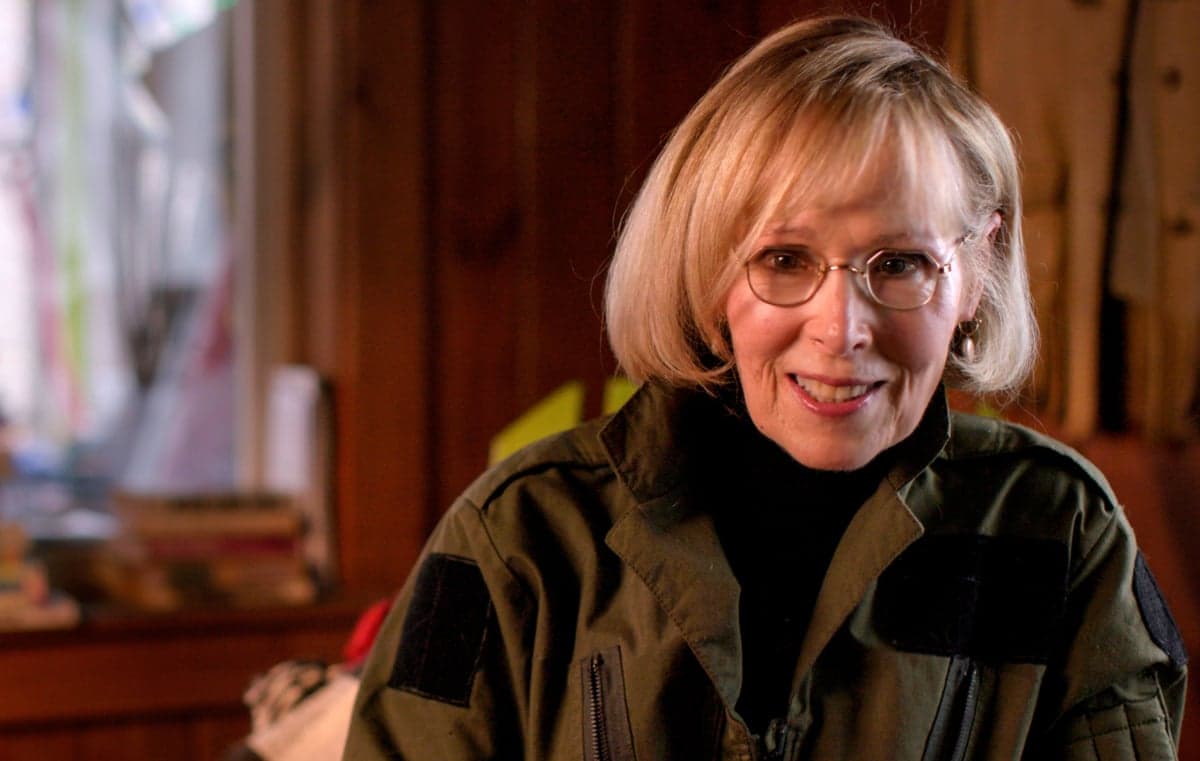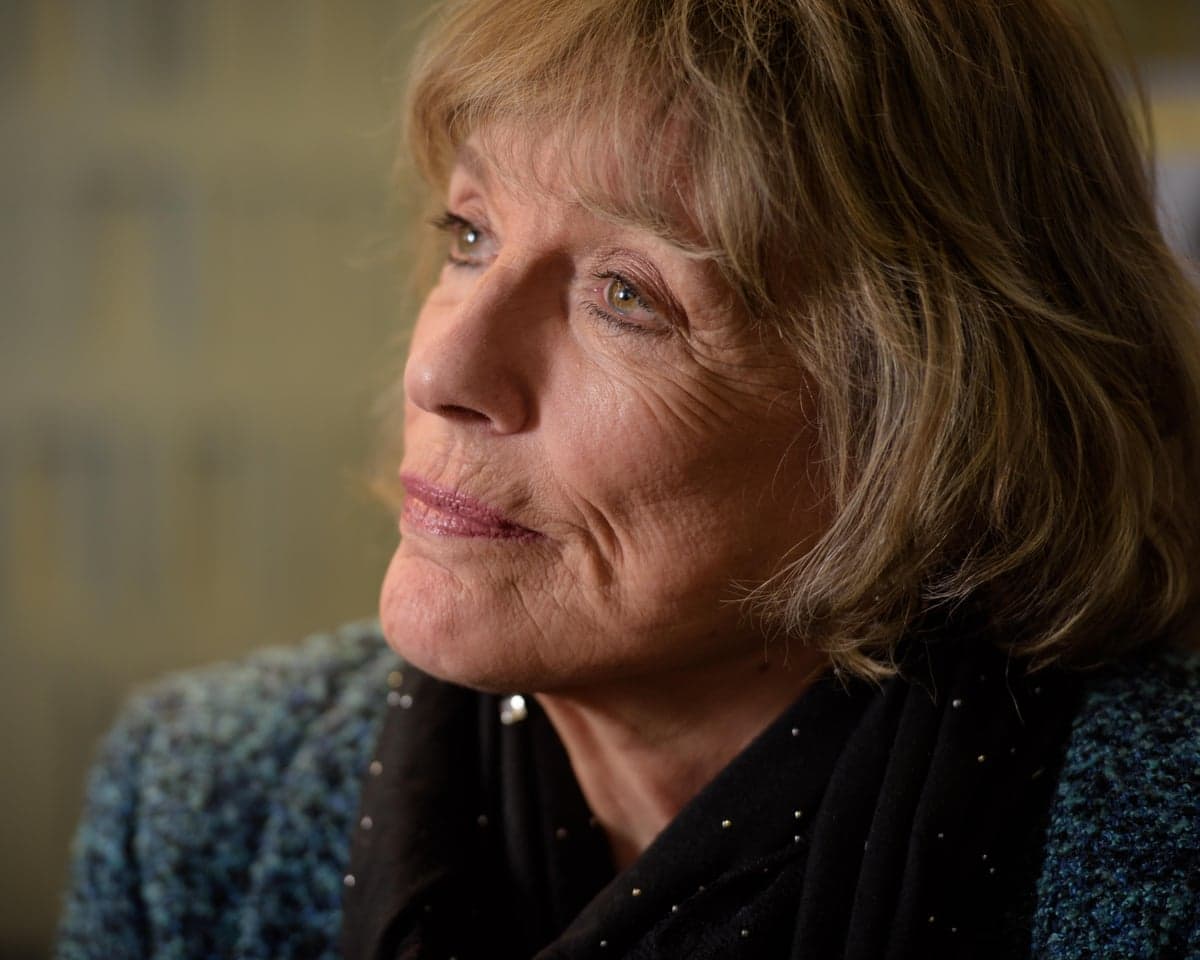
The death of Esther Rantzen on 30 September 2026, aged 86, marked the loss of one of British television's most influential figures. According to The Guardian, readers have shared personal memories of the late presenter and campaigner, revealing the profound impact she had on their lives and careers. From inspiring professional journeys to moments of unexpected warmth, these accounts paint a portrait of a woman whose influence extended far beyond the television screen.
Rantzen's career spanned decades of pioneering broadcasting and social activism. The BBC reported that she died after living with terminal lung cancer, a diagnosis she received in 2023. During her final years, she became a vocal advocate for assisted dying reform, though she ultimately became too frail to travel to Switzerland for the procedure. Her legacy encompasses not only her groundbreaking television work but also the millions of lives touched through her charitable endeavours.
How did Rantzen first inspire those around her?
Personal encounters with Rantzen often left lasting impressions on those who met her. One family's memory dates to the summer of 1976, when Rantzen and her team visited their home while filming an episode of The Big Time, a programme that showcased ordinary people pursuing extraordinary ambitions. The father had been selected to conduct the Royal Philharmonic in Croydon, and the television crew's visit created considerable excitement in the household. After taking the family to lunch at a local Indian restaurant—described as the height of sophistication at the time—Rantzen demonstrated her approachable nature by joining in casual activities in the back garden. The children were struck by her down-to-earth manner and the way she included them in the day's events, treating them warmly despite being occupied with filming commitments. The father's final words in the programme captured the family's sentiment: "lovely Esther."
Another encounter revealed Rantzen's willingness to challenge social conventions. Around 1980, she attended a meeting of the National Consumer Council as an elected member, bringing her newborn baby with her and nursing him during the proceedings. At a time when such behaviour was virtually unheard of in professional settings, this act of normalcy was remarkable. Those who witnessed it recognised her as a trailblazer, defying expectations about how women in public life should conduct themselves.
What made her approach to television distinctive?
Before becoming a household name, Rantzen worked as a presenter on documentary projects that demonstrated her commitment to the craft of television. An editor who worked with her on two documentaries—Until Armageddon, examining Jehovah's Witnesses, and Come Come Ye Saints, focusing on Mormons—recalled her frequent visits to the cutting room and her evident desire to master every aspect of television production. Her professionalism and eagerness to learn impressed those around her, qualities that would define her later career. The guidance she received from director Peter Chafer proved instrumental in shaping her approach to broadcasting.
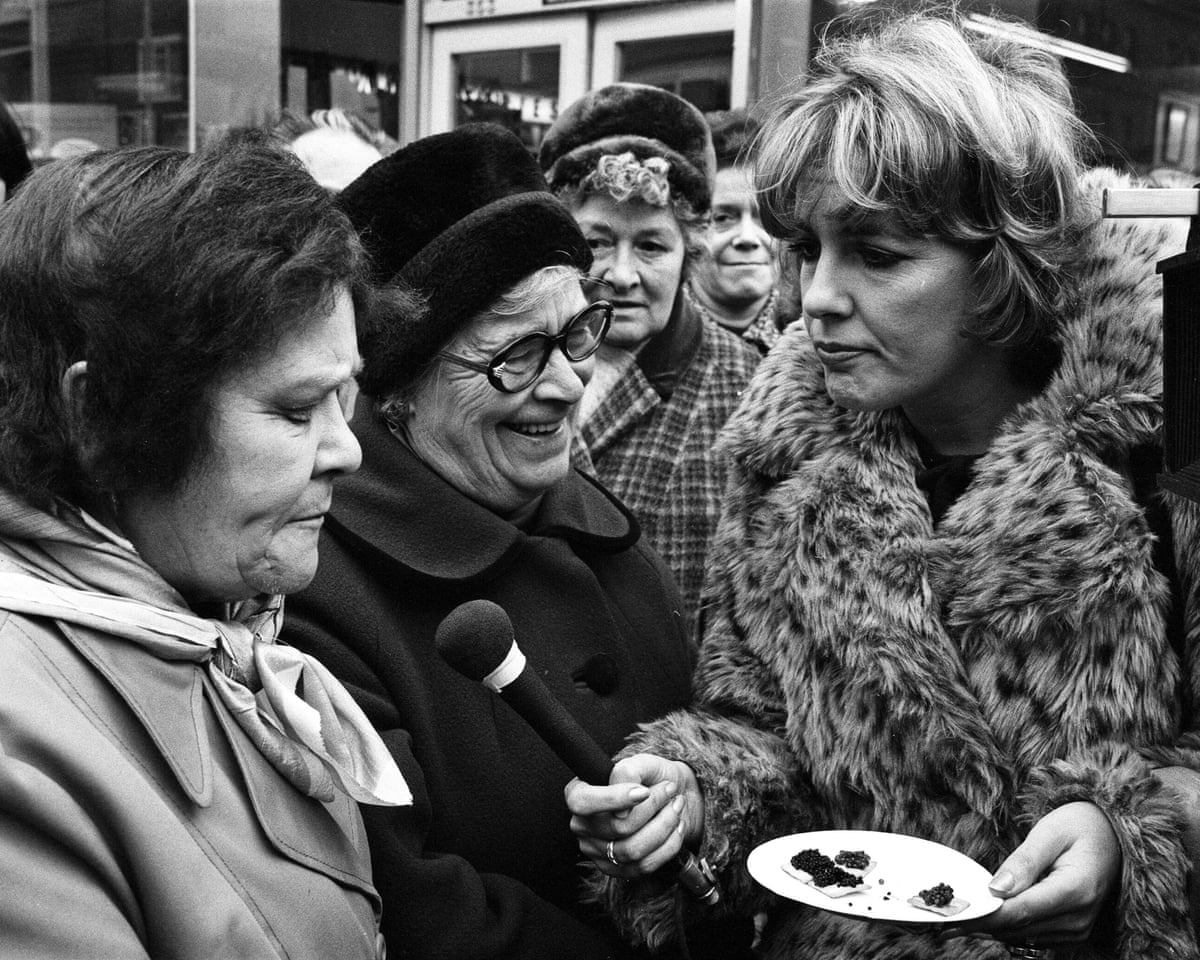
When That's Life! launched, it became a cultural phenomenon. Reuters reported that the programme regularly drew audiences of 15 to 20 million viewers during its 1973 to 1994 BBC run, making it one of the most watched shows of its era. The programme's blend of consumer investigation, humour and human interest stories captivated audiences. One viewer who watched as a young teenager remembered the show as the most informative, investigative and entertaining programme on television, recalling specific segments such as the guar gum slimming pills that blocked a toilet and a dog that could say "sausages."
How did her documentary work influence others?
Rantzen's willingness to tackle difficult subjects on television had a profound effect on viewers' career choices. In 1983, she presented a documentary called The Lost Babies, which explored the experience of families who had suffered the loss of infants. A second-year student nurse watching the programme was so moved that she wrote to Rantzen expressing her intention to train as a midwife. Rantzen replied with an encouraging letter, which the viewer kept for decades. That encouragement proved transformative: the viewer went on to become a midwife and eventually a sister in a neonatal intensive care unit, where she applied the lessons learned from the women featured in the documentary throughout her clinical career.
The impact of that 1983 programme extended beyond individual career choices. At the time, discussing infant loss and the grief surrounding it was considered taboo. Rantzen's decision to shine a light on this reality, and to centre the voices of women who had experienced such loss, represented a significant step forward in how healthcare and society approached bereavement. Her willingness to engage with death and dignity—subjects many found uncomfortable—marked her as a pioneer. This commitment to advocating for dignity in the face of mortality would remain central to her work decades later, as she campaigned for assisted dying reform in her final years.
What drove her commitment to social justice?
Rantzen's passion for justice extended into her work with vulnerable populations. When she spoke at a conference attended by social workers about the founding of Childline, she approached the audience with respect and genuine engagement rather than the condescension that celebrities sometimes brought to such settings. Rather than seeking to network with conference organisers, she sat with an attendee at lunch and discussed her motivations in depth. She explained how her passion for justice had driven her forward in journalism and how her sister, who worked as a social worker, kept her informed and grounded in reality. This conversation revealed that Rantzen was not pursuing charitable work to advance her own career, but rather using her platform to amplify messages about injustice and the need for systemic change.
The founding of Childline in 1986 became her most enduring legacy. According to the BBC, Childline has since helped more than six million children, providing a confidential telephone service for young people in crisis. Those who worked alongside Rantzen at Childline from 2000 to 2006, during the period when it merged with the NSPCC, remembered her as a meticulous organiser who could be fierce about details but was also charming and genuinely interested in the people around her. She took particular pleasure in meeting volunteers who had dedicated themselves to helping others, viewing them as unsung heroes deserving of recognition.

How did she support those starting their careers?
Rantzen's generosity extended to young people entering the media industry. A postgraduate media student was invited to spend a week of work experience on That's Life!, gaining exposure to every aspect of the programme's production from morning news meetings to editing suites. Rantzen drove the student around London, offering wisdom and advice about the television industry and career development. This investment in a work experience student—someone with no established position or influence—demonstrated her belief in nurturing the next generation of broadcasters. The student later credited this experience with helping to launch their own career and expressed lasting gratitude for the time and attention Rantzen had devoted to their development.
Those who worked with Rantzen on fundraising and awareness campaigns for Childline recalled her as someone who remembered personal details about colleagues' lives and families. She would ask follow-up questions about their spouses, children and hometowns, demonstrating genuine interest rather than perfunctory politeness. When a colleague mentioned that his wife was also from Berkhamsted, Rantzen engaged him in conversations about how the town had changed since their childhoods, creating connections that transcended the professional relationship. These interactions revealed a person who saw the humanity in everyone around her, regardless of their position or status.
What was her legacy in broadcasting and beyond?
Rantzen's influence on British television and social policy was substantial and multifaceted. She pioneered consumer journalism on television, investigating issues that affected ordinary households and holding institutions accountable. She normalised conversations about subjects previously considered taboo, from infant loss to end-of-life care. She demonstrated that television could be both entertaining and socially purposeful, combining humour with serious investigation. Most significantly, she created institutional structures—most notably Childline—that have provided practical help to millions of vulnerable people.
Her final campaign for assisted dying reform, undertaken while living with terminal lung cancer, continued her lifelong pattern of using her platform to advocate for change. Though a bill to reform the law in England and Wales was defeated in September 2026, her voice remained influential in the debate about dignity, autonomy and end-of-life choices. Those who knew her remembered her as a force of nature, someone whose drive to correct injustice and give voice to the voiceless never diminished. Her passing marked, as one colleague reflected, the end of an era in British broadcasting and activism.