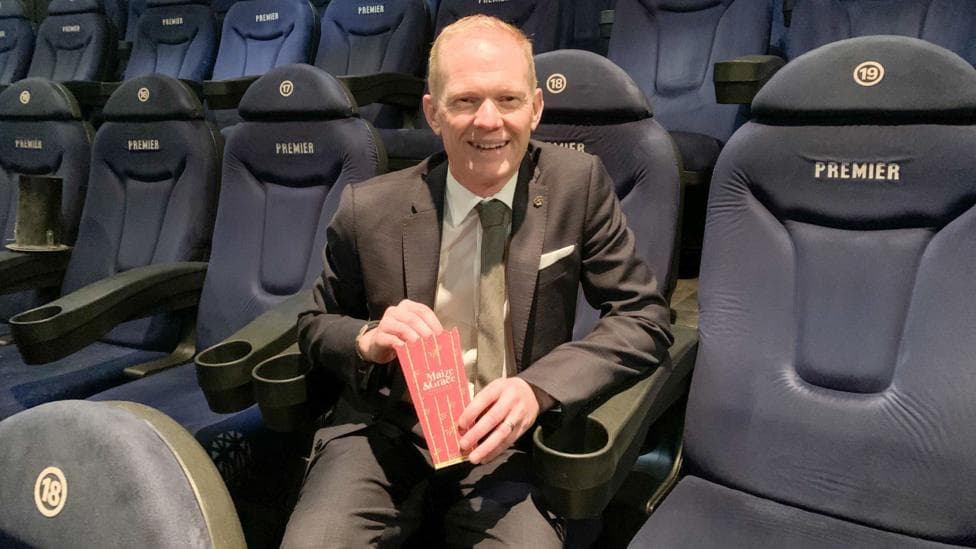
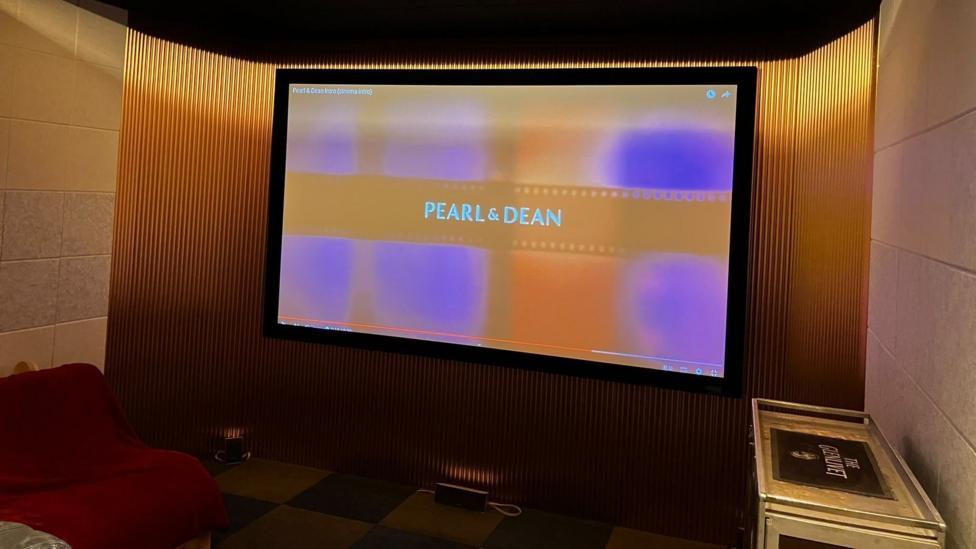
Tristan Campbell's passion for cinema began in his childhood in Northern Ireland, where he regularly attended the Palladium Cinema in Coleraine. When that venue closed and a multiplex replaced it, he felt something essential had been lost. That sense of occasion—the ritual, the grandeur, the shared experience—stayed with him into adulthood. Now, having converted his garage into a home cinema as a proof of concept, he is preparing to resurrect a much larger dream: reopening the 470-seat Regal in Dumfries, a historic venue that has sat dark since 2018.
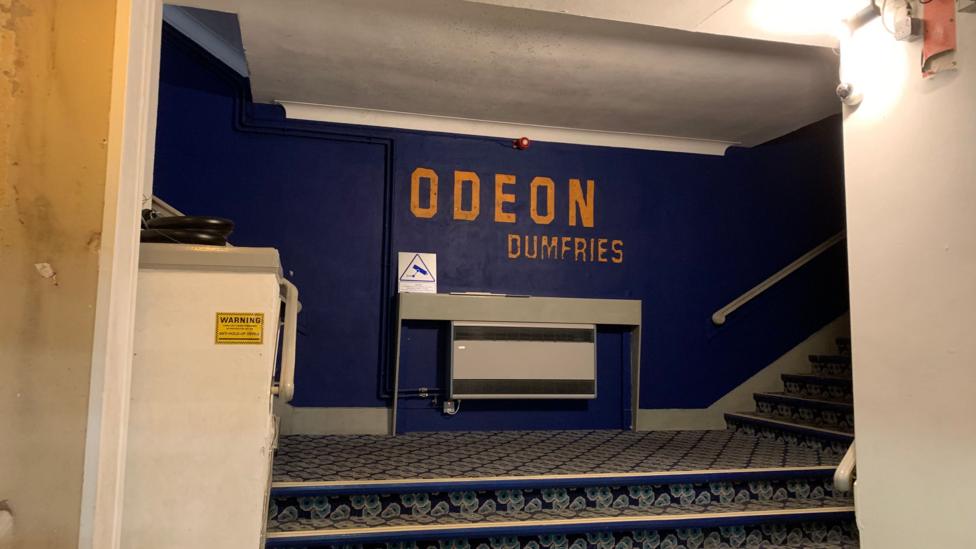
The Regal originally opened its doors on 14 December 1931, serving the town for nearly nine decades before closure. Odeon cited ongoing building issues when it shut the cinema on 28 June 2018, leaving Dumfries without a large-scale cinema venue. Campbell's ambition to restore it represents far more than a side project—it is an attempt to reclaim a cultural landmark and restore a gathering place to a community that has missed it for eight years.
How did this project begin?
Campbell, who now works as a whisky distiller in Speyside, began by testing his concept at home.
"I converted my garage into a cinema - I suppose it was like the trial run,"he explained.
"So if my wife and I fancy watching a film, the neighbours must wonder - what are they up to? They'll see us taking a tray each with our dinner out to the garage and closing the door."That modest experiment proved the appeal of a dedicated cinema space, prompting him to pursue something far grander.
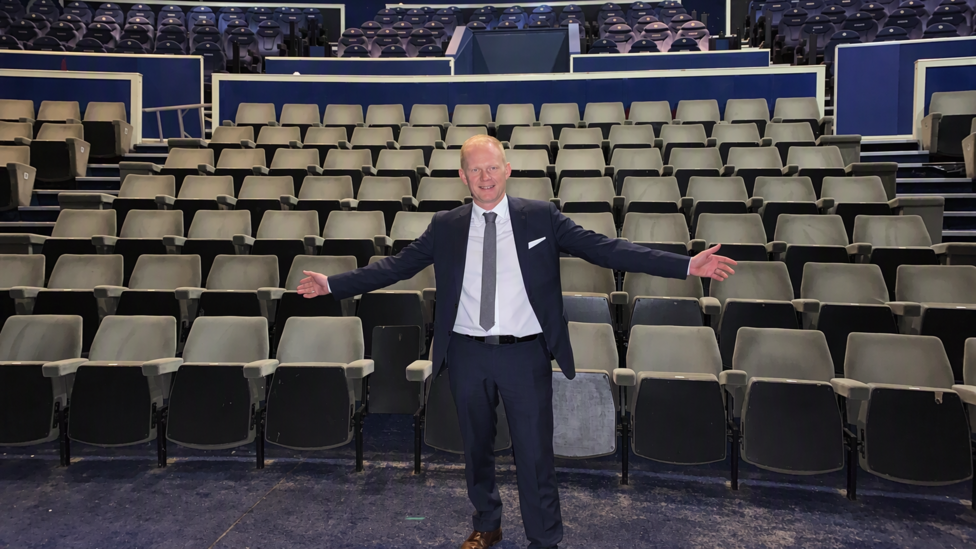
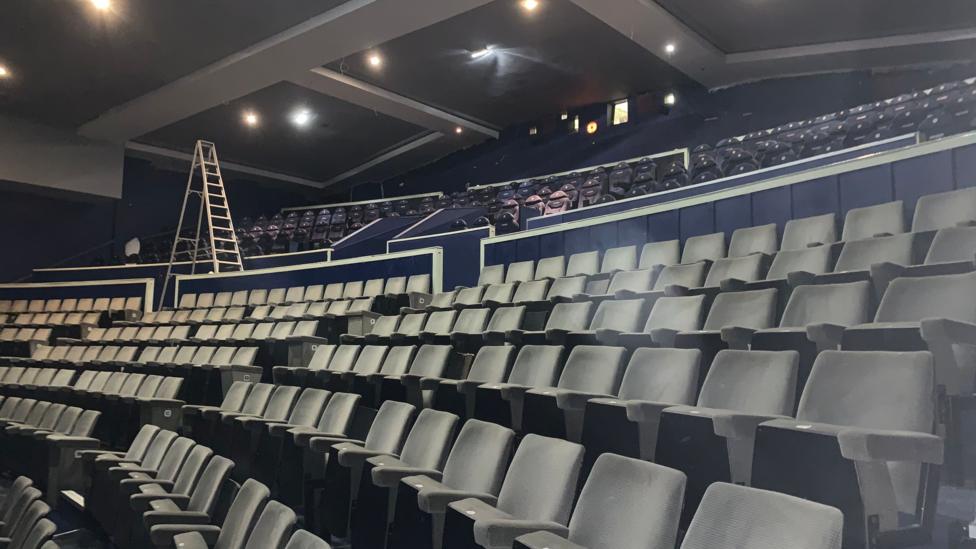
When he discovered the Dumfries venue, he fell in love with it immediately. The building's preservation was remarkable—the main auditorium retained so much of its original character that visitors could almost imagine an usherette offering choc ices. Yet what seemed like a project of weeks has stretched into two years of restoration work, far longer than Campbell anticipated.

What challenges has the project faced?
The restoration has been beset by delays and obstacles that tested Campbell's resolve.
"It's been two very, very long and very difficult years,"he admitted.
"There's been so many hurdles put in our way and so many delays to work getting done for various reasons."Yet community support has sustained him through the setbacks.
"So it's that goodwill of the people in Dumfries that's kept me going, that's made me think let's persevere with this, it's worthwhile doing."
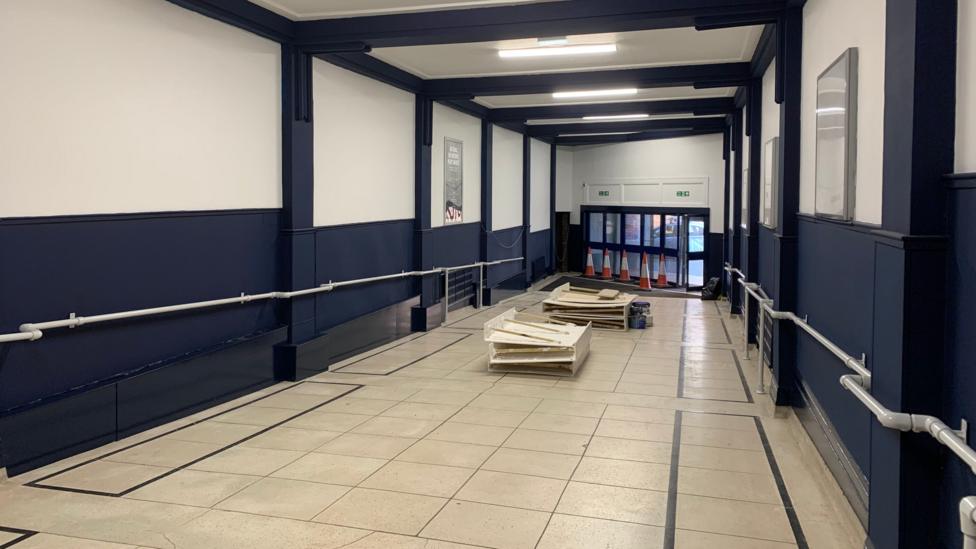
The project has also faced security concerns. Campbell previously warned that break-ins at the site risked further delays to reopening plans, urging the public to report suspicious activity to protect the restoration effort.
Why did the original operator fail?
Campbell attributes the Odeon's closure not to the building's potential but to corporate strategy.
"It was actually working for Odeon, it just wasn't part of their core cinema estate,"he said.
"Dumfries just didn't tick the boxes for the way the company wanted to go."The chain's focus on larger markets meant a mid-sized town venue did not fit its business model, even if it remained viable under different ownership.
Campbell points to precedent for success.
"It absolutely can be done - it just needs the focus and the energy behind it,"he said, citing Merlin Cinema's takeover of another former Odeon in Ayr as proof that independent operators can make such venues work. His strategy centres on maintaining a community focus and rebuilding local enthusiasm rather than pursuing the standardised multiplex approach.

Who is leading the reopening effort?
Campbell has assembled a team ready to welcome audiences back. Among them is Kelly Pritchard, the venue's general manager and a lifelong Dumfries resident.
"I have so many memories of just growing up and being brought to the cinema,"Pritchard recalled.
"My mum brought me to come see The Fellowship of the Ring and The Philosopher's Stone right here. I would have been five or six years old and just a massive screen in front of you - it blows your mind when you're that age."
Pritchard shares Campbell's passion for cinema as a communal experience.
"I cannot wait to welcome people through the doors - like I said, it has been a long wait,"she said. The staff have been in place for some time, ready to resume operations once the final preparations are complete.

What upgrades are planned?
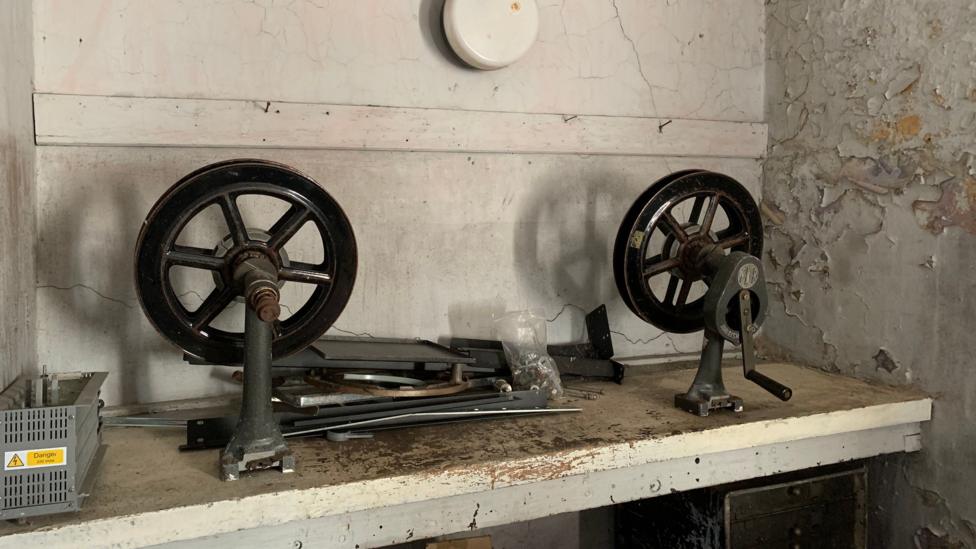
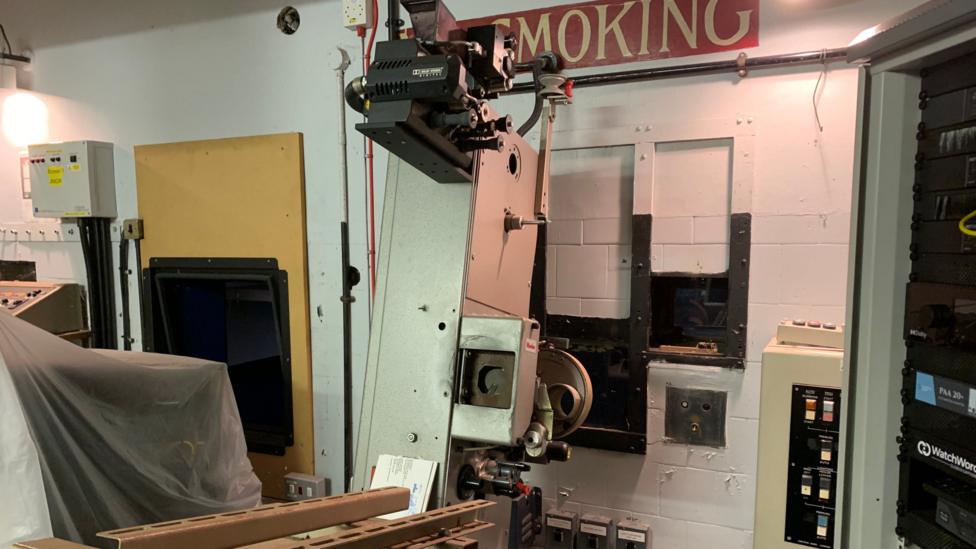
The restoration preserves the venue's historic character while introducing modern technology. State-of-the-art projection equipment will replace the original machinery, ensuring contemporary film quality. The planned lease covers the cinema complex only, not the bingo hall, and Campbell said the venue would reopen as a single-screen cinema, with further upgrades planned later. This phased approach allows the cinema to open while longer-term enhancements are developed.
The auditorium itself remains largely unchanged from its 1931 design, with many original fixtures and fittings still in place. This preservation of period detail is central to Campbell's vision—he is not trying to modernise the space into anonymity but to restore it as a destination cinema experience.

What is Campbell's vision for the cinema?
Campbell's motivation extends beyond commercial viability.
"It's an experience that you share with other people and you can't beat it,"he said. He believes the Regal can succeed by offering something the multiplex cannot: a sense of occasion, a feeling that attending the cinema is an event rather than a transaction.
The project reflects a broader movement across Scotland to preserve historic cinemas. Leith Theatre, opened in 1932, was recently removed from the Theatres at Risk Register after receiving a £4.5m National Lottery grant, while Edinburgh's King's Theatre reopened in 2026 after a £41m refurbishment that added new accessibility and technical upgrades. These successes demonstrate that heritage venues can be restored and made viable with commitment and investment.

When will the cinema reopen?
Campbell has expressed optimism that opening day is approaching.
"The big one, I think, will definitely be opening night when there's bums on seats, there's a film on the screen, and I'll probably just collapse in a heap in the corner,"he said. In April 2026, Campbell indicated the cinema could open under the name The Regal about four weeks after a planned handover, subject to licensing approval. However, no confirmed opening date has been publicly announced, and the project remains dependent on final regulatory approvals and the completion of outstanding work.
Key Facts
- The Regal originally opened on 14 December 1931 and operated for nearly 90 years before Odeon's closure in 2018.
- Campbell's restoration project has taken two years longer than initially expected, facing multiple delays and obstacles.
- The venue will reopen as a single-screen cinema with modern projection equipment while preserving its historic 1930s character.
- Community support has been crucial to sustaining the project through extended restoration work.
- The reopening represents part of a broader Scottish movement to restore and preserve historic cinema and theatre venues.