Scotland's government and cultural leaders have unveiled plans for a new media event to replace the Edinburgh Television Festival, which concluded its 50-year run in the capital on 28 August 2026 before relocating to Greater Manchester from 2027.
The initiative, developed in partnership with Screen Scotland and the Fringe Society, aims to maintain Edinburgh's position as a destination for screen industry professionals and audiences. Culture Secretary Màiri McAllan announced the scheme at a launch event, describing it as an exciting addition to the city's August festival calendar that would showcase Scotland's creative sector on the global stage.
We are so proud of Scotland's screen sector. And this exciting addition to the August festivals line-up will provide a new way to embrace the creativity and cultural innovation which makes our capital unique.
The departing TV Festival, which began as the Edinburgh Television Drama Festival in 1976, attracted more than 2,000 delegates annually and became a launchpad for acclaimed productions. The relocation decision followed organisers' efforts to reduce delegate and pass costs while improving accessibility and affordability. Greater Manchester emerged victorious from a competitive national bidding process to host the festival from 2027, with events planned across venues in St John's and nearby creative sites.
McAllan recalled that discussions about the festival's future were among her first priorities after her appointment in May 2026.
There was a collective disappointment about its departure but almost as soon as I was briefed on its departure, I was told 'don't worry minister, we're already on it. We will work together and move on'.
What will the new Edinburgh event look like?
The replacement festival is being positioned as a content-focused event that extends beyond traditional television to encompass streaming platforms and short-form social media content. The initiative is intended to connect the city's creative ecosystem with international media industries and audiences, moving away from an industry-only format to include public-facing programming with guest speakers.
A pilot version is scheduled to run in August 2027, with the consultation phase expected to conclude in early spring 2027. Former TV Festival creative director Rowan Woods is leading the research and consultation process to shape the event's direction.
The new festival will also expand its scope to reflect Scotland's growing appeal as a production destination. Recent years have seen major international productions filmed in the country, including Outlander (Sony/Starz) and Dept Q (Netflix), demonstrating the sector's expanding reach beyond traditional broadcast television.
Why does Edinburgh's screen industry matter?
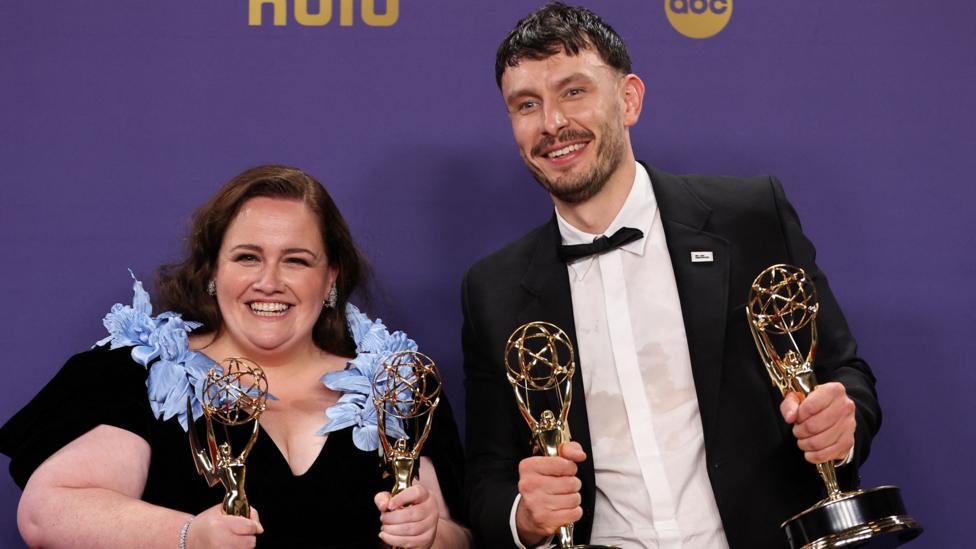
The city has established itself as a crucial incubator for creative talent and innovative content. Emmy-winning productions including Baby Reindeer, Fleabag, and Nanette all began as live performances at the Edinburgh Festival Fringe before being developed for television and streaming platforms by major broadcasters and production companies.
Speaking at the launch event, Richard Gadd, creator and star of Baby Reindeer, described his formative experiences at the festival. His first Fringe encounter came during a school trip to see Black Watch, a production that premiered there in 2006. Four years later, he made his solo debut with a show staged in a bar, sometimes performing to audiences of just one person.
Everything I have in my life, I owe to this festival, not just the chance to meet agents and producer writers but going full time as a writer. A chance to experiment and take risks - to fail spectacularly and come back the next night to start again.
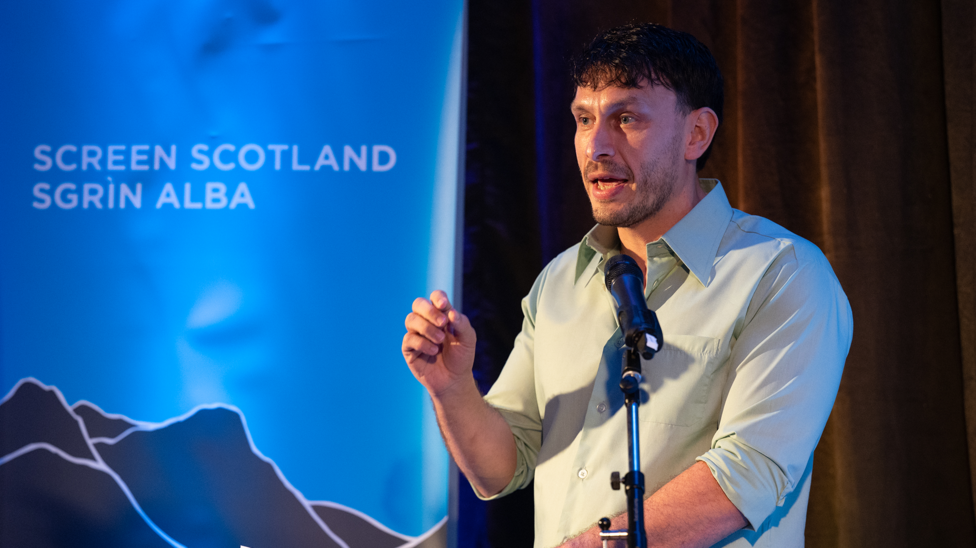
Gadd highlighted the risks facing the festival ecosystem as costs rise.
If the fringe becomes too expensive, too commercial, we could lose the very thing which makes it extraordinary. We could lose the place where someone can arrive with an idea and leave with a career.

He pointed to a long list of productions that originated at the Fringe, including Fleabag, Taskmaster, Six the Musical, Rosencrantz and Guildenstern are Dead, Stomp, Flight of the Conchords, Garth Merengue, Alan Partridge, Mr Bean, The League of Gentlemen, Jerry Springer the Opera, Operation Mincemeat, The Mighty Boosh, and Black Watch.
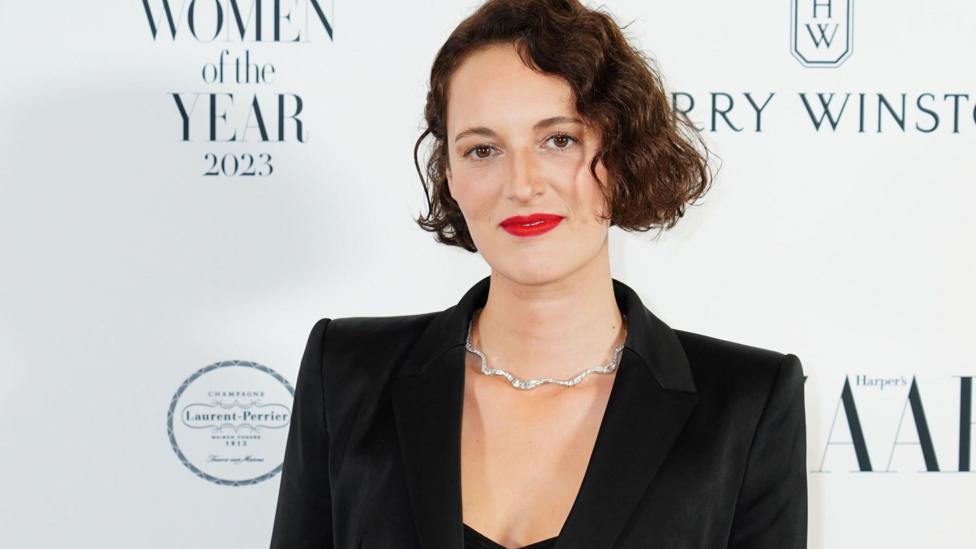
This is so much more than a festival. It's the cultural backbone of the whole country, the world even, and we must protect it at all costs so everyone who dares to step out their front door and call themselves an artist can be given the same opportunity that I was.
What is the MacTaggart lecture?
The MacTaggart lecture has been a centrepiece of the TV Festival since its inception, named after James MacTaggart, a groundbreaking drama producer who died two years before the festival's founding. Over the decades, the platform has hosted prominent figures including Rupert Murdoch, Ted Turner, Vince Gallagher, and David Attenborough.
In 1993, television dramatist and writer Dennis Potter used the occasion to criticise the BBC's leadership, describing director general John Birt and chairman Marmaduke Hussey as
croak-voiced Daleks who had a cold and impersonal approach to TV writing.
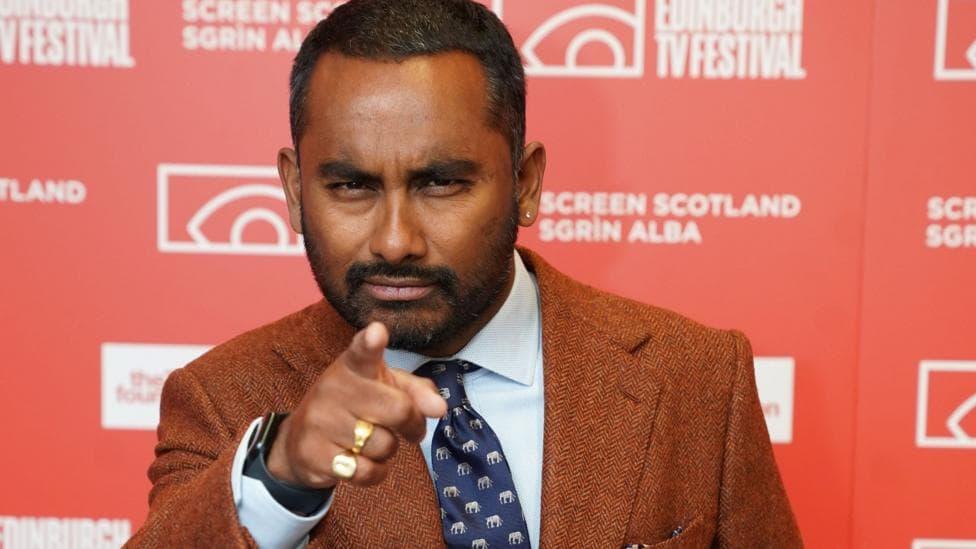
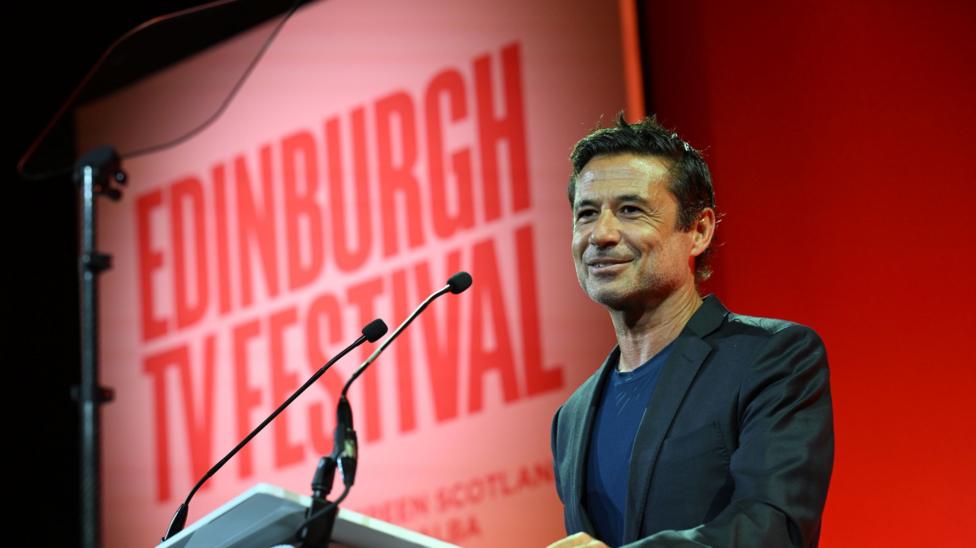
At this year's festival, presenter Amol Rajan delivered an Alternative MacTaggart lecture in which he urged the UK government to
stop dithering about the BBC's funding structure. The main MacTaggart lecture was delivered by Pedro Pina, Vice President of YouTube, who reflected on the vast transformations in the television landscape since the festival's launch in 1976.
How did the TV Festival shape the industry?
Founded in 1976 by Linda Myles, the first woman to direct a major film festival, and Gus MacDonald, a former Granada Television executive, the festival was designed to spark ideas and debate about a rapidly evolving industry. Its timing during the final week of the Edinburgh International Festival proved crucial to its success, allowing delegates to network while discovering fresh talent, ideas, and productions.
Since 2001, the festival has been run by an independent foundation based in London. Beyond the MacTaggart lecture, the event featured comedy awards presented during the final week of the Fringe, which offered a shortlist for TV industry attendees seeking emerging talent.
Productions such as Fleabag and Hannah Gadsby's Nanette were first performed as theatre shows before being developed by the BBC and Netflix respectively, demonstrating the festival's role as a bridge between live performance and broadcast media.
Screen Scotland has announced plans to establish a new debate honouring Linda Myles, recognising her foundational role in creating the original festival.
I'm deeply touched and honoured to have the debate named after me. It's exciting to see the importance of ideas and discussion being recognised in the plans for the new event, especially as this was the initial intention of the creation of the Edinburgh Television Festival in 1976.
What recognition did the festival receive?
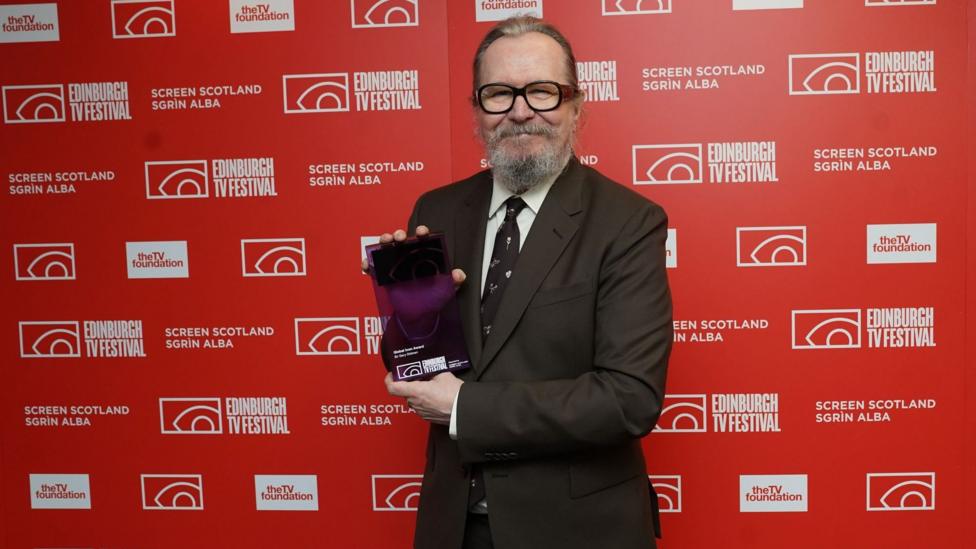
The 2026 Global Icon Award was presented to Sir Gary Oldman, star of Slow Waters and one of the UK's most successful screen actors and industry pioneers. The award recognised his significant contributions to the film and television sectors throughout his career.
What happens next?
The consultation on the new Edinburgh screen event is expected to run until early spring 2027, with a pilot festival planned for August 2027. The Manchester edition of the relocated TV Festival is scheduled to begin in 2027, though specific dates have not yet been announced. The new Edinburgh event will be funded by Screen Scotland and delivered through the Fringe Society, positioning it as a permanent fixture in the city's cultural calendar.
Key Facts:
- The Edinburgh Television Festival, which ran for 50 years, held its final edition on 28 August 2026 before relocating to Greater Manchester from 2027
- The replacement event will be a content-focused festival covering television, streaming, and social media, with a pilot scheduled for August 2027
- Consultation on the new festival is expected to conclude in early spring 2027, led by former TV Festival creative director Rowan Woods
- The festival has launched Emmy-winning productions including Baby Reindeer, Fleabag, and Nanette, demonstrating its role as an incubator for creative talent
- A new debate honouring founder Linda Myles will be established as part of the replacement event's programming