
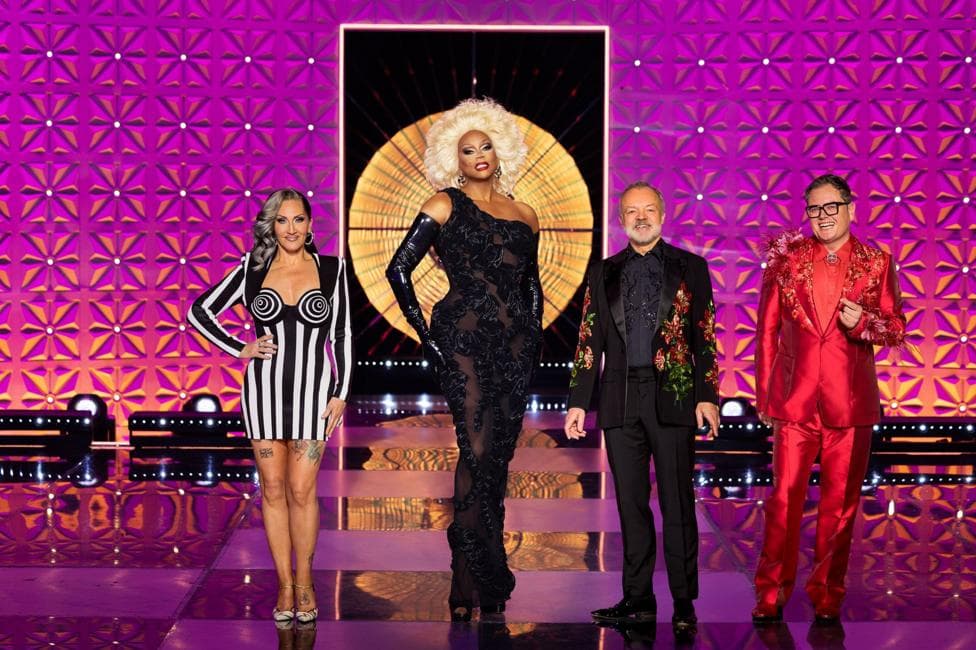
The co-creator of Drag Race has expressed deep concern about a "crisis of representation" on television following the BBC's decision to end the UK edition of the show. On 9 September 2026, the BBC confirmed that future series of RuPaul's Drag Race UK will move exclusively to World of Wonder's WOW Presents Plus streaming platform, while the current series continues its normal broadcast run on BBC Three and .
Speaking to a national broadcaster, Fenton Bailey, who co-created the franchise alongside RuPaul Charles and Randy Barbato, said he did not believe there was a "hidden agenda" behind the cancellation decision. However, he expressed worry that "vulnerable communities are going to be even more vulnerable" as a result of the move. The BBC attributed the decision to "significant financial pressures" as it works toward £500 million in cost reductions.
The cancellation has prompted viewers to raise questions about the corporation's commitment to on-screen representation, particularly after it also terminated two LGBTQ+ dating shows earlier in the year. Beyond Drag Race, the BBC is also axing Celebrity Mastermind, Blankety Blank and Live at the Apollo, with more than 500 job losses announced across the organisation.
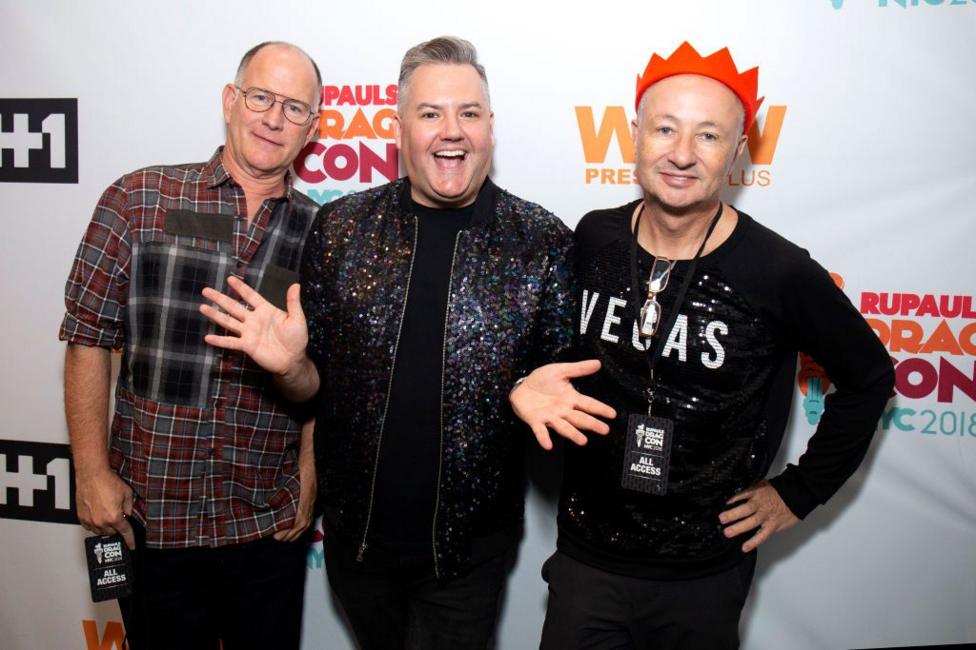
Bailey, who was born in Portsmouth but now resides in Los Angeles, described working with the BBC as a "very special homecoming" for his production company when Drag Race UK launched in 2019. The American version of the show, which had been on air for more than a decade, had become a runaway success with dozens of Emmy awards and an international audience. Fans anticipated a UK series that would highlight the distinctive character of British drag performance. Now, after eight series and three spin-offs, the programme will cease broadcasting on the BBC once the current run concludes.
Negotiations to renew the BBC's agreement with the show extended over several months, with producers hoping to secure a fresh deal. Those discussions ultimately collapsed due to the scale of savings the corporation needed to achieve. Bailey characterised the situation as symptomatic of the "horrible financial situations" facing broadcasters today.
"The team at the BBC are amazing and so passionate about the show, this is not an easy thing for any of the people I interacted with, or something they wanted to do,"Bailey stated.
Drag Race UK had consistently ranked among BBC Three's most-watched programmes. However, according to audience measurement data, while average viewing figures increased between 2022 and 2024, overall viewership declined by approximately 15 percent over the past four years—a trend reflecting broader declines in terrestrial television consumption. Bailey noted that the figures "haven't plummeted" but have instead fallen in line with other traditional broadcasters, and pointed out that audience engagement on social media platforms has grown substantially, reflecting where viewers have migrated.
Following the announcement, some viewers speculated that another UK broadcaster might acquire the show. Bailey hinted that the show's creators may favour independence instead.
"We love partnerships, but in this particular moment, having the freedom to make the show the way we want may be preferable to getting into bed with another broadcaster and potentially be in the same situation a few more seasons down the road."
What does this mean for queer representation on television?
Scott Bryan, a television critic and author of Out Now: A Queer History of Modern Television, characterises the move as evidence of the severe financial strain affecting broadcasters. He acknowledged the production costs associated with Drag Race but expressed concern about the implications for queer storytelling.
"I can imagine Drag Race is an expensive show to make. I can see the pressures the BBC are under, but it's rather concerning in regards to queer storytelling. You see LGBTQ+ lives reflected on soaps and primetime dramas much more casually, but there still needs to be shows specifically catering to a queer audience, and it feels like very quickly the drawbridge is pulling up."
Earlier in 2026, the BBC announced that LGBTQ+ dating shows I Kissed a Boy and I Kissed a Girl would also be cancelled. At that time, the corporation stated it was "exceptionally proud" of those programmes but had to make "difficult choices in light of our funding challenges."

Author and screenwriter Juno Dawson has observed what she describes as a troubling "pattern" in these cancellations.
"I think that's why perhaps eyebrows have been raised, because Drag Race hasn't been cancelled in isolation. A couple of other LGBTQ+ shows have gone as well. It's a shame this is happening at the BBC, because commercial channels don't necessarily have an obligation to represent all the communities in the UK, but the BBC does and it's supposed to represent all of us, including LGBTQ+ people."
The BBC has pointed to other programming as evidence of its continued commitment to LGBTQ+ representation. The corporation recently renewed Smoggie Queens, which features predominantly LGBTQ+ characters, for a third series. Additionally, the network represents the community through storylines in programmes including Mr Loverman, Amandaland, Vigil and EastEnders.
However, broader industry trends suggest cause for concern. According to reporting on the BBC's decision, a recent report from GLAAD, an American advocacy organisation, found that film representation had declined for a third consecutive year, with more than 200 LGBTQ+ television characters set to disappear from screens in 2026 due to cancellations, series endings or limited-run formats. While comparable statistics are not systematically collected for the UK, Dawson fears that a contracting television industry will make it increasingly difficult for commissioners to greenlight LGBTQ+ stories.
"So many of my personal shows have gotten right up to green light, but for lots of different reasons, different commissioners—not just at the BBC—have decided to back away. Nobody is ever going to say to you 'it's because it was too niche', but all I can keep doing is writing television that feels true to me and represents me and my life."
How does Drag Race address serious issues beneath the entertainment?
While Drag Race is recognised for its camp humour and visual spectacle, the majority of episodes tackle substantive topics. Contestants regularly discuss non-binary and transgender identities, substance abuse recovery, and living with HIV, creating space for meaningful conversations alongside the entertainment.
"There's something very clever about Drag Race,"Dawson explained,
"because you come for the sequins and the sparkles, but actually under its surface, you're dealing with really big, heavy and important topics."
Kate Butch, who competed on season five of Drag Race UK and the spin-off UK vs the World, expressed concern that moving away from a public service broadcaster could limit the show's capacity to reach audiences with "important" messages.
"It's great the show is going to carry on and shine a spotlight on the amazing drag artistry the UK has to offer,"Butch said,
"but I do mourn the possibility of someone maybe just flicking through the channels and randomly finding it."
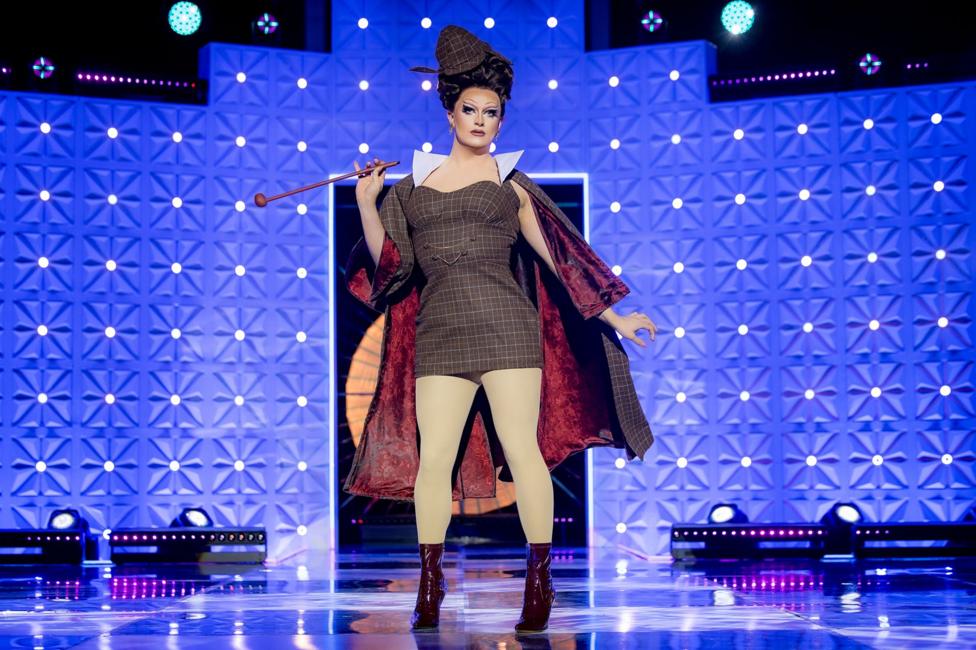
Butch noted that the move to a subscription platform may bring certain advantages to the programme, including potential opportunities for prize money and sponsorships.
"It's a lot of effort to go on Drag Race, a lot of investment and emotional labour,"Butch added,
"so I hope the audience follows and keeps supporting the queens."
What happens next for Drag Race UK?
Bailey expressed optimism about the show's future on its own streaming platform.
"We may not have the resources that the BBC has, but the spirit of Drag and RuPaul's Drag Race is about making something out of nothing,"he told a national broadcaster.
"As a community we can survive and thrive in less than optimal conditions."
The next major Drag Race UK spinoff, Drag Race UK All Stars, is scheduled to premiere in autumn 2027 exclusively on WOW Presents Plus. The current BBC series will continue its normal broadcast schedule on BBC Three and , with existing Drag Race UK series remaining available after the transition to the streaming platform.
Bailey emphasised that while the production company may lack the resources of a major broadcaster, the fundamental ethos of Drag Race centres on creative resourcefulness and community resilience. The move represents both a challenge to the show's accessibility and an opportunity for creative independence as the franchise enters a new chapter outside traditional television.


